




EC hammering out details for overseas voting
The Election Commission (EC) announced today it is prepared to implement most of the parliamentary select committee (PSC) on electoral reform's interim recommendations but overseas voting remains in the works.
The Election Commission (EC) announced today it was prepared to implement most of the parliamentary select committee (PSC) on electoral reform's interim recommendations but overseas voting remains in the works.
EC chairperson Abdul Aziz Mohd Yusof, however, assured that the body intends to implement overseas voting and merely needs time to hammer out the details.
“The EC is not preventing it, but the details on how we are going to implement it, for example, should a Malaysian who has resided for 30 years overseas and has never set foot in Malaysia be allowed to vote?
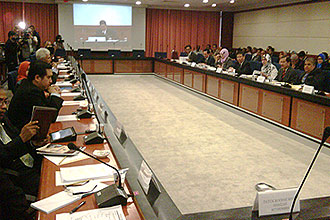 “We will study this matter closely and discuss with the PSC on what category of Malaysians (can perform overseas voting) and to make it easier for them to register (as voters) overseas.”
Among other measures that the EC will take are:
- Indelible ink to be used on election day;
- Military men, their spouses, police and spouses of members of the General Operations Force to be advance voters unless they apply for postal voting;
- Objection period for nomination day to be abolished, nominees cannot withdraw once nominated;
- EC to engage science agency Mimos to improve electoral list integrity;
- Electoral roll display period doubled to 14 days;
- Desks in polling centres to be arranged to allow polling agents to identify voters easily;
- Allow disabled persons to nominate a Malaysian citizen aged 21 and above to vote on his or her behalf; and
- EC to propose measures to increase its powers and improve its independence
‘No more technical disqualification’
The PSC during its public hearing in Sabah heard that the withdrawal period after nomination day should be abolished to prevent people from dropping out after being bribed.
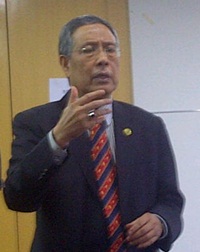 Abdul Aziz
(left)
said this would give an added advantage to EC as it would be able to immediately print the ballot papers without having to wait after the withdrawal period.
Abdul Aziz
(left)
said this would give an added advantage to EC as it would be able to immediately print the ballot papers without having to wait after the withdrawal period.
The abolition of objection period also means that aspiring candidates can no longer be disqualified based on technicality unless he or she does not meet the constitutional requirements, he added.
“So the responsiblity now rests with the EC to see if the candidate truly qualifies.”
When asked if the RM10 fee for every objection to a name in the electoral roll will be abolished as recommended by the PSC, Abdul Aziz appeared unfavourable to the move.
“We are still discussing that but I don't think RM10 is a large amount. If it is free... wow! But we will discuss this further,” he said.
PAS in the past has actively filed objections to names published in the electoral roll, incurring thousands of ringgit in charges.


