




47 percent of MRT projects offered to bumi firms
Forty-seven percent of the mass rapid transit (MRT) Sungai Buloh-Kajang Line project value has been offered to bumiputera companies, exceeding the initial target of 43 percent, Bumiputera Agenda Coordinating Unit (Teraju) said.
Forty-seven percent of the mass rapid transit (MRT) Sungai Buloh-Kajang Line project value has been offered to bumiputera companies, exceeding the initial target of 43 percent, Bumiputera Agenda Coordinating Unit (Teraju) said.
Utusan Malaysia today reported Teraju senior director Norizan Sharif as saying that figure was provided to the Bumiputera Agenda Action Council (MTAB) that is headed by Prime Minister Najib Abdul Razak, by MRT Corp on July 26.
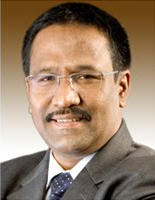 Up to July, Norizan
(right)
said, 17.5 packages worth RM7.6 billion had been offered to bumiputera companies, including 10 advance work packages, three elevated guideway packages, one elevated station package, two depot packages, one multi-storey car park package and half of an underground work package.
Up to July, Norizan
(right)
said, 17.5 packages worth RM7.6 billion had been offered to bumiputera companies, including 10 advance work packages, three elevated guideway packages, one elevated station package, two depot packages, one multi-storey car park package and half of an underground work package.
In addition, another 17 packages worth RM1.7 billion will be allocated to bumiputera companies, pushing the total value of the projects to RM9.3 billion.
Bumiputera contractors in class D, E and F will also be offered another 250 packages worth RM200 million, he revealed.
Malay groups want significant amount of work
These packages have been and will be offered through open tender advertised in the local newspapers to ensure that the involvement of bumiputera companies is based on merit, competitiveness and transparency.
Norizan was responding to the Malay Contractors Association (PKMM), which had earlier claimed that only seven bumiputera companies were involved in the MRT project.
Teraju is the secretariat of MTAB, a special body set up in 2010 to ensure the success of the government's Bumiputera Development Agenda.
Since the announcement of the RM36 billion MRT project, Malay groups such as PKMM, Malay Chamber of Commerce Malaysia and Perkasa have been urging the government to allocate a significant amount of work packages under the mega project to bumiputera companies.
The government later compromised and Syarikat Prasarana Negara Bhd, the government-owned company tasked to construct the project, subsequently agreed to revise its bidding criteria to allow more bumiputera firms to take part in the project.
Najib has been facing increasing pressure from bumiputera business groups that oppose to his New Economic Model over fears that meritocracy and laissez-faire pursuits would be detrimental to their interests.
However, Najib has been arguing that true competition must be encouraged in order to fulfil the goals of creating a high-income economy.


Report this comment
Are you sure you want to delete this comment?
This action cannot be undone.