


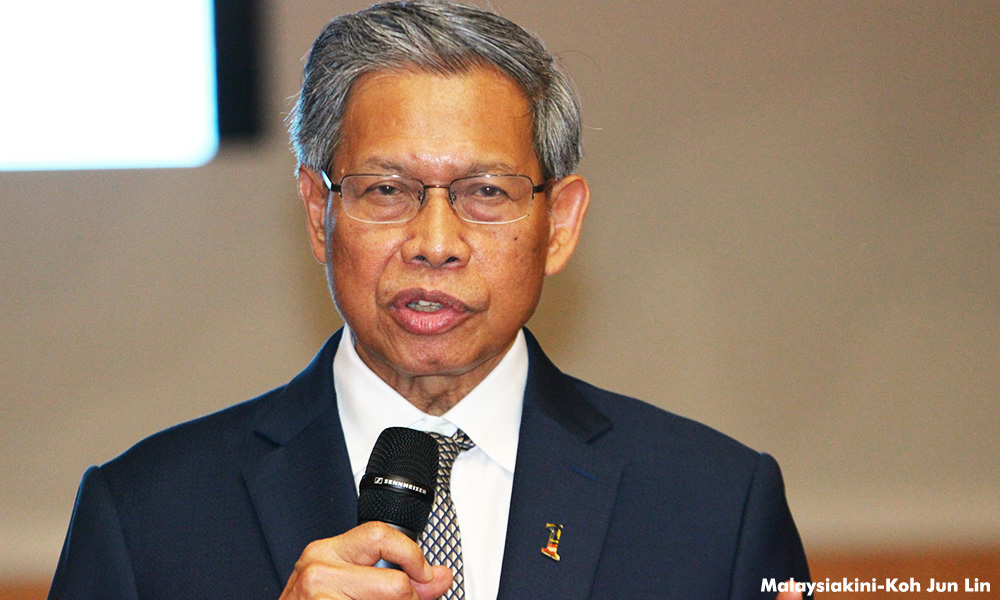

Miti’s townhall session on TPPA annoys NGOs
NGOs attending the townhall session on the Trans-Pacific Partnership Agreement (TPPA) with the Ministry of International Trade and Industry (Miti) today expressed dissatisfaction with the way it was conducted.
Bantah TPPA coalition vice-chairperson Azlan Awang said the minister, Mustapa Mohamed, who fielded questions at the session, dismissed questions from anti-TPPA groups.
NGOs attending the townhall session on the Trans-Pacific Partnership Agreement (TPPA) with the Ministry of International Trade and Industry (Miti) today expressed dissatisfaction with the way it was conducted.
Bantah TPPA coalition vice-chairperson Azlan Awang said the minister, Mustapa Mohamed, who fielded questions at the session, dismissed questions from anti-TPPA groups.
“We have always wanted to talk to Miti, to engage with them but they prefer not to talk to us. Like just a moment ago – a lot of questions but these were dismissed. They sort of gave simplistic answers and dismissed them, and we cannot rebut.
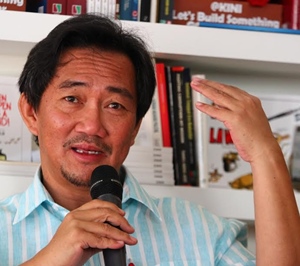 “We in Bantah TPPA have studied the agreement in a very technical way, so we need to discuss it in a very technical fashion.
“We cannot just base it on a very general perspective… You have to be specific, because we are talking about specific dangers in these chapters; specific dangers in these provisions,” Azlan ( photo ) told Malaysiakini when met after the townhall session concluded.
The session was held this morning at Menara Miti in Kuala Lumpur, which is Miti's new headquarters building, next to the existing Menara Martrade.
During the question-and-answer session, Azlan raised issue with the carve-outs meant to protect the government's bumiputera affirmative action policies, saying that these protections would not live up to what the government has claimed.
Mustapa replied by reiterating that government-linked corporations were exempted from some of TPPA's provisions, while a trade negotiator assisting him added that some provisions that Azlan argued should be in TPPA's exemptions were not there because the deal does not affect those aspects of the bumiputera policies.
Azlan then wanted to rebut the government response, but he was not allowed.
“We will reply on our website. Give us a few days, we will give a complete list of the carve-outs and margins of preference,” Mustapa said.
Workshops on hot-button topics
Mustapa said in response to another question that Miti would hold workshops on some of the hot-button topics in TPPA due to the level of interest in them, such as on pharmaceuticals and on the investor-state dispute settlement (ISDS) system.
These would be held at Miti’s next public engagement session in January.
“For now, let's just stick to general issues,” the minister said.
Meanwhile, Bar Council human rights committee co-chairperson Andrew Khoo said Mustapa had spent too much time "rambling" about the need for free trade agreements and open markets, before even starting to talk about TPPA.
“
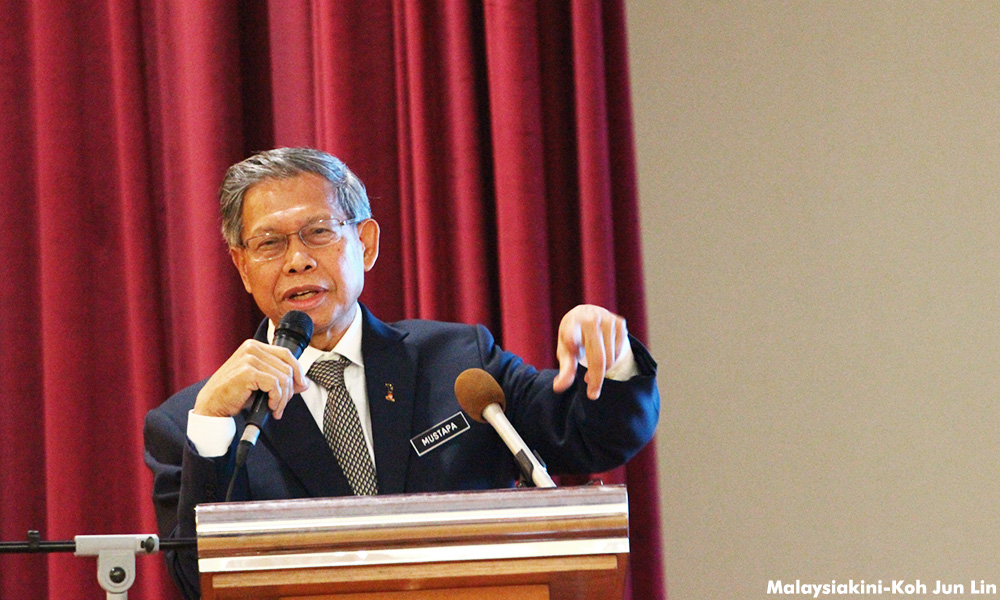 You can hear the shock (in the audience) when he said this is the end of his introduction, after one hour. And then he spends 45 minutes going through the slides.
“ So where is his balance? What is he trying to talk about?” he told reporters today.
He said while he understands the need to set the context for today's discussion, that could have been dealt with quickly so that there more time could be spent on TPPA's 30 chapters of core text and numerous annexes and side agreements.
The question-and-answer session had lasted about an hour.
'Recolonisation' claims dismissed
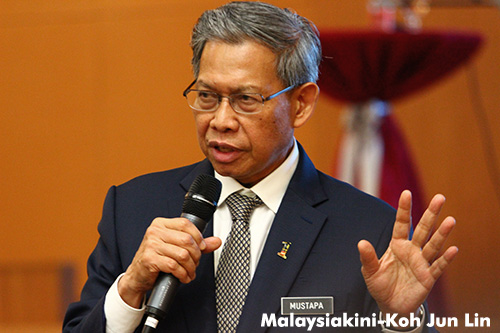
Meanwhile, during the townhall session, Mustapa dismissed claims that TPPA would lead to the "recolonisation" of Malaysia by foreigners buying up Malaysian assets.
He said Malaysia is a net exporter of capital, and yet the issue of Malaysians colonising other countries does not arise.
On the other hand, there is a need to protect Malaysian investments abroad, he said.
Among others, he pointed out that the single largest foreign investment in Canada is by Petronas, and Canada is a party to the TPPA negotiations.
As of the third-quarter of 2015, he said Malaysian investments abroad are worth RM601.6 billion, which exceeds the foreign investments in Malaysia at RM500.2 billion.
“ So when talking about foreign countries entering the Malaysian market, we should be aware that Malaysian companies are big players in a number of countries including TPP countries […]
“ If we want foreigners to give way to Petronas, Maybank, or CIMB, then we would have to open our markets as well. There has to be reciprocity,” he said.
No delay
Meanwhile, the lead TPPA negotiator on intellectual property issues, Burhan Irwan Chong, asserted that there should be no delay in the introduction of generic drugs in Malaysia under TPPA, nor should expenditure on medicines increase.
This is despite studies in several countries showing that the strengthening of intellectual property protections for pharmaceuticals have led to a delay in the introduction of generic drugs, which in turn have led to increases in spending on pharmaceuticals.
 He said while he is not familiar with the systems in place in the countries involved in the studies before and after signing their respective trade agreements - such as Guatemala, Thailand, and Jordan - these countries certainly did not enjoy the benefits of an "access window" clause.
This clause would encourage drug manufacturers to introduce their products in Malaysia sooner, which would in turn mean generic versions of it would be available sooner too, he said.
“ Without innovator products, you cannot have generics. Those two types of products need each other, we cannot look at those issues in isolation,” he said.
Under the access window clause, a pharmaceutical company must start applying for marketing approval in Malaysia for its new products within 18 months, after it is approved anywhere else in the world.
Failure to do so would lead to forfeiture of data exclusivity protections for that drug. The only countries that have access window clauses under the TPPA are Malaysia, Brunei, and Peru.


Report this comment
Are you sure you want to delete this comment?
This action cannot be undone.