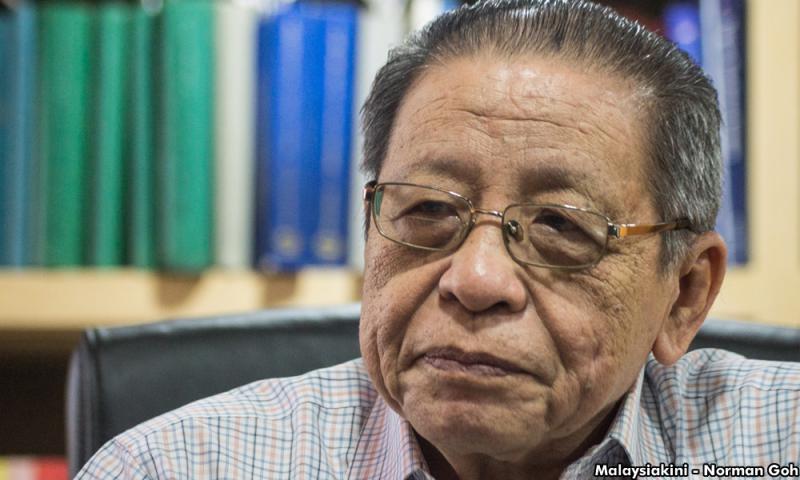

DAP parliamentary leader Lim Kit Siang today urged the government to defer the controversial National Security Council (NSC) Bill to allow for adequate study of its far-reaching implications on civil liberties.
"Concerns that the NSC bill will give excessive, extensive and arbitrary powers to the prime minister and endanger civil liberties must be fully studied and addressed before the bill is rushed through to become law," he said in a statement.
Lim said the bill was only presented in the Dewan Rakyat for first reading yesterday and it would be "ridiculous and outrageous" to rush through the second and third reading tomorrow without giving MPs and civil society time to study the proposed law.
"As Parliament is meeting for a special session next month to debate the Trans-Pacific Partnership Agreement (TPPA), the NSC bill can be included as a second item for the special Parliament session in January if the government is prepared to make out a case for urgency of the NSC bill to be passed," he said.
Lim said MPs cannot be like robots and give the government a blank cheque of support as that would be an insult to the expectations of the public.
"In fact, I believe the majority of the ministers may not even understand the far-reaching implications of the NSC bill although they all nodded in agreement when the bill was presented," he said.
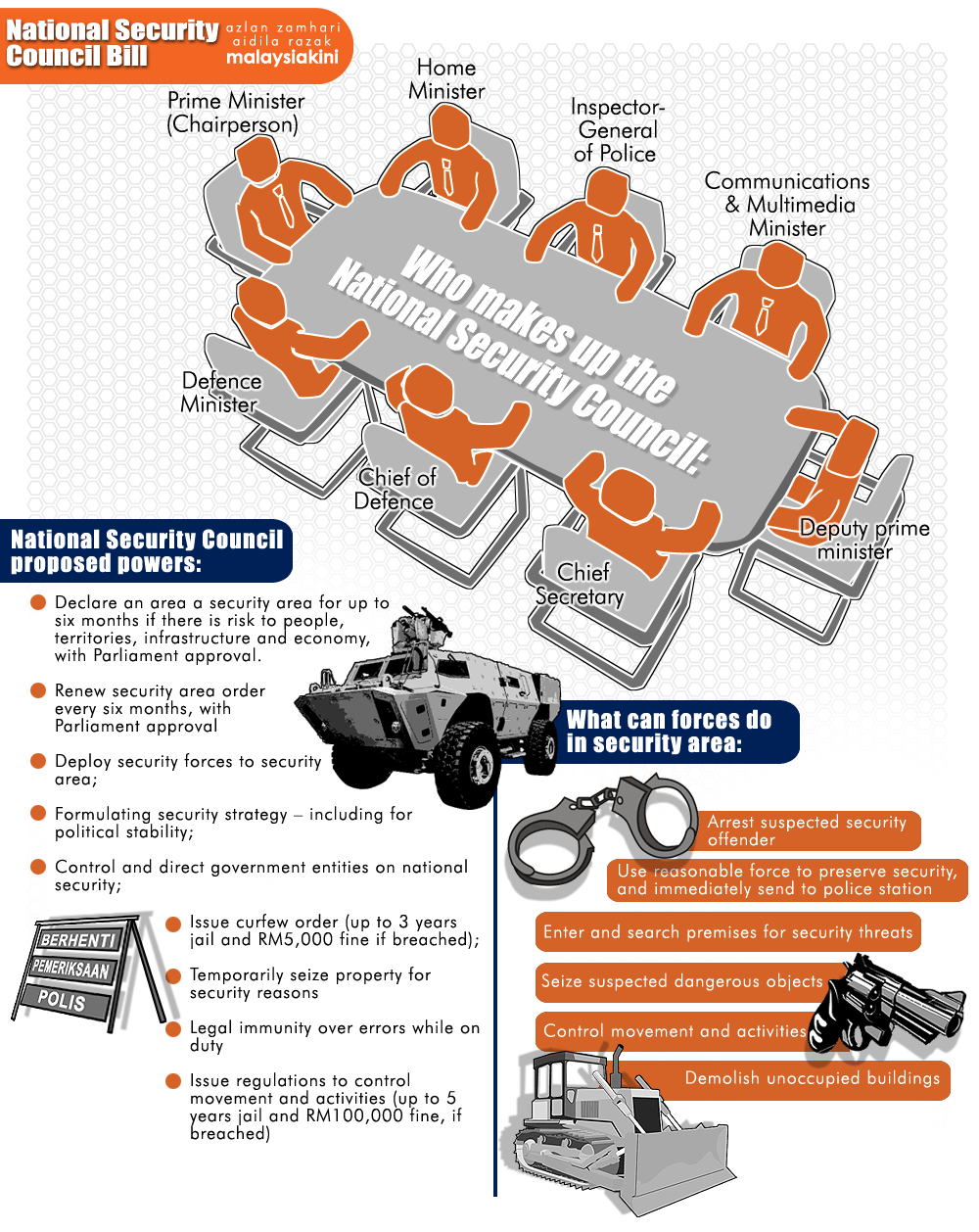
The proposed law , if passed, will allow the prime minister to declare a location a security area if the place is believed to be seriously threatened by any person, matter or thing which causes, or is likely to cause serious harm to the people, territories, economy, national key infrastructure or any other interest of the nation.
Control movement
However, the government will need to get Parliament to approve the declaration of such a security area. The declaration will be annulled if the House rejects it.
Once a security area is in force, those in the area must comply with curfew orders and security forces may arrest anyone found committing or alleged to have committed or reasonably suspected to have committed any offence in the security area.
They may also use "reasonable and necessary force" against any persons to preserve national security.
The prime minister can also formulate regulations for security areas to control the movement of people, vehicles, to prohibit certain activities and also to take possession of property as well as to demolish unoccupied buildings.