



Felda-Eagle High deal slammed for profiting Indonesia's Rajawali
Jumping on the bandwagon to pile criticism against Federal Land Development Authority's planned acquisition of a stake in Indonesia's PT Eagle High Plantations Tbk (EHP), a PAS leader has questioned the need to profit Indonesian conglomerate Rajawali Group.
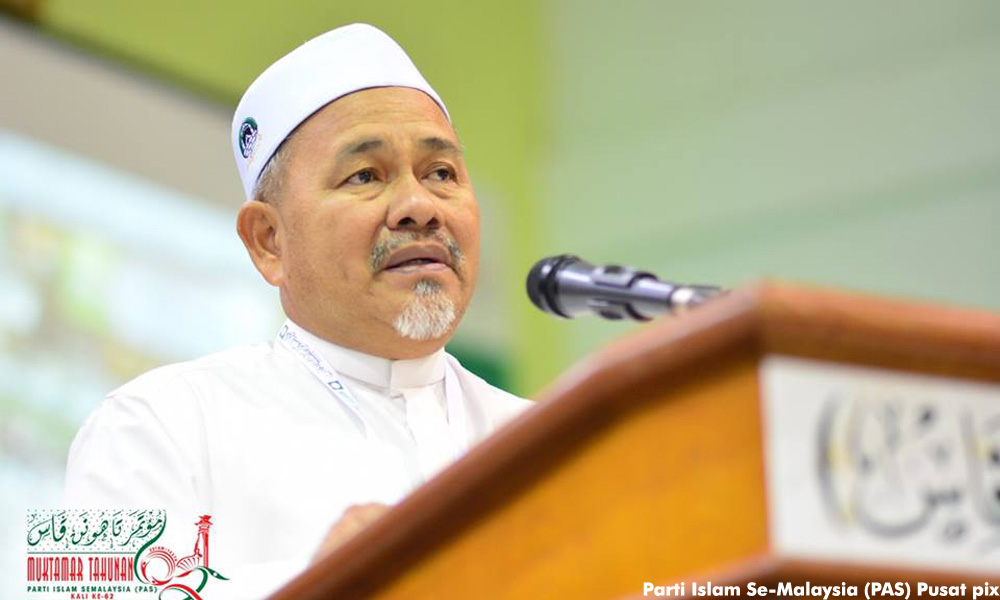
PAS deputy president Tuan Ibrahim Tuan Man pointed out how Indonesian billionaire Peter Sondakh, who owns Rajawali Group, had purchased shares at EHP for 400 rupiah per share. It was estimated that Rajawali Group had spent US$570 million to acquire a 68.6 percent stake in EHP.
Jumping on the bandwagon to pile criticism against Federal Land Development Authority's planned acquisition of a stake in Indonesia's PT Eagle High Plantations Tbk (EHP), a PAS leader has questioned the need to profit Indonesian conglomerate Rajawali Group.
PAS deputy president Tuan Ibrahim Tuan Man pointed out how Indonesian billionaire Peter Sondakh, who owns Rajawali Group, had purchased shares at EHP for 400 rupiah per share. It was estimated that Rajawali Group had spent US$570 ,milliom to acquire a 68.6 percent stake in EHP.
Felda, on the other hand, plans to purchase a 37 percent non-controlling stake in the Indonesian plantation for US$505.4 million (RM2.26 billion), for 582 rupiah per share.
The cost to acquire the 37 percent stake, Tuan Ibrahim added, was almost as high as the amount paid by Rajawali Group to acquire the 68.6 percent stake in EHP.
“If this deal goes through, this means Rajawali Group has 31.6 percent of EHP almost for free at US$64.6 million, while Felda owns 37 percent of shares with the price of US$505.4 million, 6.5 times more expensive than the amount paid by Rajawali Group,” said Tuan Ibrahim in a statement today.
Although Felda had said that this was the “last opportunity for Felda/Malaysia or any other foreign parties to acquire an Indonesian company with massive land bank”, Tuan Ibrahim argued whether this was a good enough reason for Rajawali Group to be given such high profits.
“What’s even more disappointing is that although Felda’s shares in EHP are more expensive than Rajawali Group’s, Felda’s status is only that of an investor in EHP.”
New burden for Felda
Tuan Ibrahim then questioned whether Felda would be able to get back US$505.4 million if it one day decides to sell its stake.
Commenting on news reports that the government will likely provide a guarantee on the sukuk bonds that will be issued soon to finance the deal, Tuan Ibrahim said this would be nothing but a new burden for Felda.
With other expected burdens to be shouldered by Felda, the company obviously needs sufficient funds, said Tuan Ibrahim.
This, in turn, would pile pressure on Felda’s subsidiary, Felda Global Ventures (FGV), which under the Land Lease Agreement (LLA) has to pay Felda RM250 million annually in cash for 20 years and a 15 percent share of profits from the sale of fresh fruit bunches.
“What will happen to Felda’s finances if FGV fails to fulfil its financial duty to Felda when FGV is facing its own financial problems?” he asked.
Tuan Ibrahim added his party was worried that acquiring the stake in EHP would only reduce Felda’s financial resources and the ones who will ultimately face the consequences would be the settlers.
Felda had announced the planned purchase in EHP after a failed attempt by FGV to purchase the same stake.
FGV, a company listed on Bursa Malaysia, was criticised by shareholders when it proposed to purchase the 37 percent for US$680 million.
Among the critics was the Employees Provident Fund (EPF), which had since dumped all of its shares in FGV.
Felda defended the planned purchase, insisting its offer price of US$505.4 million was a discount from FGV's previous offer.


Report this comment
Are you sure you want to delete this comment?
This action cannot be undone.