




PAC wants MACC to probe KTM's train purchase
KTM Berhad’s RM1.89 billion purchase of 38 sets of electric trains has been referred to the Malaysian Anti-Corruption Commission (MACC) for alleged “irregularities” in the deal.
KTM Berhad’s RM1.89 billion purchase of 38 sets of electric trains has been referred to the Malaysian Anti-Corruption Commission (MACC) for alleged “irregularities” in the deal.
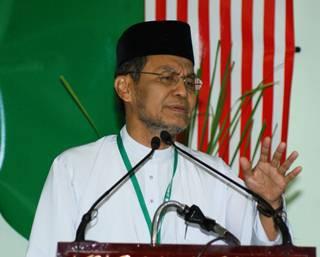 PAS Kuala Selangor MP Dzulkefly Ahmad said the Public Accounts Committee (PAC), which conducted a probe on the deal, has given him a copy of a letter issued to the MACC, asking for the matter to be investigated.
Dzulkefly, who recently raised the issue in Parliament, said the letter indicates that the PAC is “satisfied” that there are enough reasons for the MACC to look into his claim that the government may end up being shortchanged by up to RM500 million over the purchase.
PAC chairperson Azmi Khalid confirmed in a SMS reply that the committee had indeed decided during a meeting late last month to refer the case to the MACC.
Dzulkefly stressed that the commission must act quickly and take up the PAC’s suggestion to probe the alleged irregularities in the train deal as the country cannot afford any more leakage of funds.
He said the recent charge against former transport minister Dr Ling Liong Sik of allegedly cheating the cabinet in relation to the Port Klang Free Zone (PKFZ) fiasco gives all the more reason for the MACC to pursue the case.
“The rakyat are very anxious (about) a repeat of this kind of procurement. (It is) is surely a real disgrace for the BN and a mockery to (Prime Minister) Najib (Abdul Razak’s) slogans of ‘People First, Performance Now’,” he rold a press conference at the PAS headquarters in Kuala Lumpur today.
‘New trains overpriced’
Dzulkefly first raised the claim of leakages in the purchase of the 38 electric multiple units (EMU) in Parliament in late June, claiming that it had taken less than two months for the price of each EMU to balloon by more than three times after direct negotiations between KTMB and Zhuzhou Electric Locomotive Co Ltd of China.
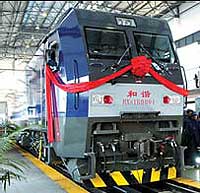 He said that, as a result of the direct negotiations, the government will pay RM48 million each for the 38 units of six-car EMUs.
In comparison, when the deal was still on open tender with the same company, KTMB booked eight sets of three-car EMUs at a price of RM14 million each.
“When I met then transport minister Ong Tee Keat, he said he was not aware of the details of the purchase and that they were asked by the Finance Ministry (to make the purchase)... I think instructed is a better word,” Dzulkefly dead-panned.
He noted that the EMU fiasco may be just the tip of the iceberg, raising concerns that many more leakages could very well happen in future, especially in the mass rail transit (MRT) project proposed under the 10th Malaysia Plan.
‘Losing billions every year’
Dzulkefly said that, while he has yet to carry out a comprehensive study on the financial implications the country suffers from chronic leakages, he claimed that the resulting losses could exceed RM35 billion every year.
 “According to (global financial services firm) Morgan Stanley, we lost around RM18 billion a year in the 23 years under (Dr) Mahathir (Mohamad) but I think it has only gone higher since then.
“We simply need to look at our GDP (gross domestic product) which stands at around RM700 billion. I estimate that we suffer losses of no less than five percent of our GDP every year due to leakages... that’s easily RM35 billion annually."
With such a gloomy projection of how much the nation is losing from leakages, Dzulkefly pledged to continue his pursuit of accountability from KTMB and anyone else involved in the EMU controversy.
“I will continue putting pressure on the MACC until they actually go ahead and investigate this case,” he said.


Are you sure you want to delete this comment?
This action cannot be undone.