



Your KiniGuide to Kuantan's bauxite madness
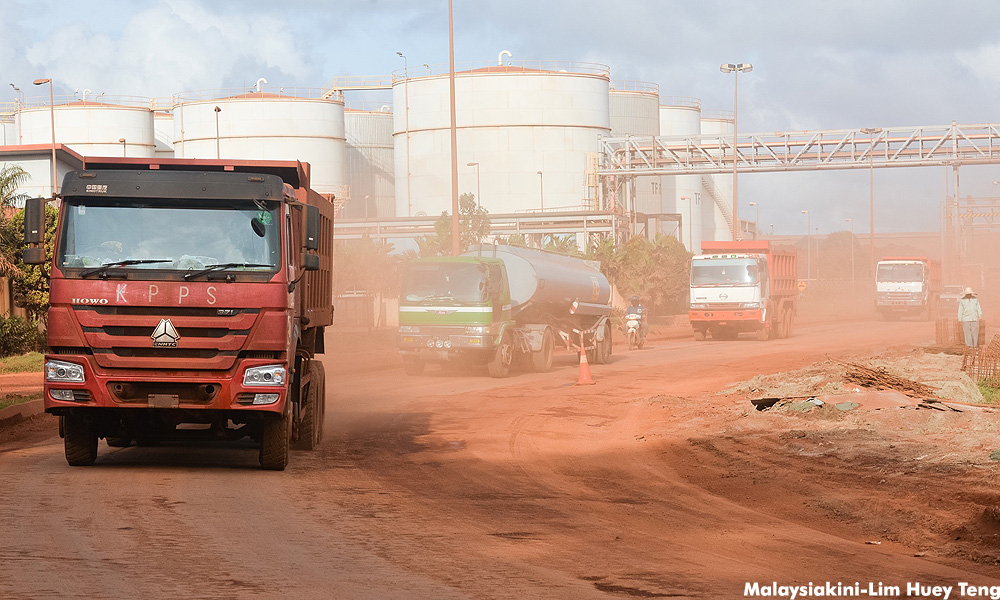
KINIGUIDE The government on Wednesday announced a three-month moratorium on bauxite mining in Kuantan, after months of public outrage from residents complaining how they now live in a Mars-like environment.
But what exactly is bauxite and what is all this fuss about?
Check out our FAQ cards. Click on the flipcard for answers to the questions.
The government on Wednesday announced a three-month moratorium on bauxite mining in Kuantan, after months of public outrage from residents complaining how they now live in a Mars-like environment.
But what exactly is bauxite and what is all this fuss about?
What's bauxite?
Bauxite is an aluminium ore and is the world's main source of aluminium, the stuff used for sardine and soft drinks cans as well as for high-end smartphone casings.
Is it really that dangerous?
Well, no. Bauxite exposure can cause skin or respiratory ailments but there have been no conclusive studies about adverse health effects.
Aluminium exposure, however, has been linked (in similarly inconclusive studies) to Alzheimer's disease.
Pahang is spared from the highly toxic by-products as it does not process the bauxite into alumina, or aluminium oxide, before export.
So what's all the fuss about?
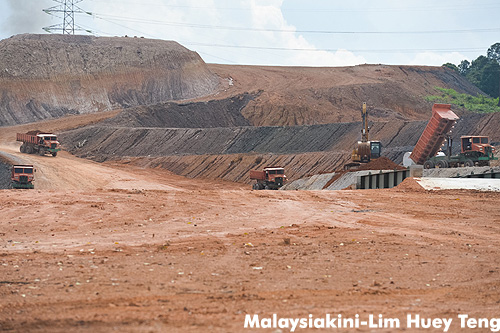
Bauxite may not be so dangerous but the other stuff that gets dug up together with it is.
This stuff, which includes heavy metals of the non-musical kind, are in all the red dust blanketing Kuantan and can even get into the waterways.
 Environment department tests on the Riau, Mabok and Pinang rivers in Kuantan in November last year revealed dangerous levels of aluminium, ferrum and mercury.
This would be very, very, very bad if it got into drinking water or is consumed by the fish that you eat.
For example, mercury poisoning can lead to brain, kidney and lung damage, and even death.
How did all this start?
The bauxite mining craze in Kuantan started in 2014, after Indonesia banned the export of bauxite to encourage growth of its local aluminium industry.
Malaysia is currently China's largest supplier of bauxite and business is booming big time.
Some locals themselves have had the opportunity to become overnight millionaires , with miners knocking on their doors offering piles of cash to dig up their bauxite-rich land.
So the Pah ang government must be rolling in cash too, no?
No, not really. The Pahang government only collected RM46.7 million in export royalties last year.
The MACC said the amount should have been five times higher and has initiated an investigation to find out what happened to the missing revenue.
What now?
The federal and Pahang governments have jointly announced a moratorium to stop all bauxite mining activities in Kuantan and this will come into effect on Jan 15.
During the three months, the mining companies must clear out their existing stockpiles and later set up a centralised centre to do all their bauxite-cleaning work without damaging the environment.
After this infrastructure is set up, those with licences can continue mining for bauxite.
Can they really clean up this mess?
Pahang Menteri Besar Adnan Yaakob has said that rehabilitation will be part of the moratorium. However, Adnan has not laid out how exactly this will be done.
The mining process used to dig out bauxite could potentially make Kuantan a barren wasteland as a large amount of the earth is dug up and what is left behind is waste rock, which is difficult for plants to grow on.
The government has said it plans to institute more stringent rules on bauxite mining activities during the moratorium period.
Kuantan MP Fuziah Salleh points out there has yet to be any specific plans to curb mining near waterways which would result in pollution.
Check out our FAQ cards. Click on the flipcard for answers to the questions.
KiniGuide is a simple FAQ to help Malaysians understand current issues better. This guide was prepared by Zikri Kamarulzaman .


