




Ban on fuel sale for foreigners put off
A government decision to ban foreign-registered vehicles from buying subsidised petrol in border states have been put off pending a cabinet-level committee meeting on Tuesday.
A government decision to ban foreign-registered vehicles from buying subsidised petrol in border states have been put off pending a cabinet-level committee meeting on Tuesday.
The ban was to be enforced starting tomorrow, affecting the sale of fuel at up to 300 stations within 50 kilometres of Malaysia's borders with Thailand and Singapore.
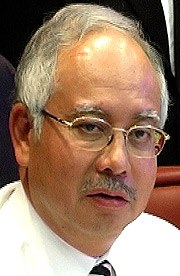 Deputy Prime Minister Najib Abdul Razak however revealed today that the government will decide on Tuesday on the ban.
"Wait for the anti-inflation committee meeting, as I want to know the latest proposals on the matter. We will come out with a statement on Tuesday," he said
Najib, speaking to reporters after attending a security summit in Singapore, said the cabinet committee would also be studying several proposals to be forwarded by the Domestic Trade and Consumer Affairs Ministry.
"We have to find a new effective date because there are other matters, like for example, can we have separate pumps because the Singaporeans are saying that they don't mind paying the market rate," he said.
Two types of pumps
Najib said the complexity to impose the ban arose as there were several methods of implementing it but no decision had been made so far.
"There are suggestions to install two types of fuel pumps at petrol stations, one for Malaysians and the other for foreign-registered vehicles.
"There are also new issues identified such as Malaysians holding Singapore permanent resident status and Johoreans working in the republic using vehicles registered in the island city state," he said, as quoted by Bernama .
The deputy premier also said Singapore accepted Malaysia's move to stop its citizens from buying subsidised petrol as it was Malaysia's right.
He said the rationale for the ban was to ensure only people eligible enjoyed the subsidised fuel while those who could afford it should buy at market price.
"It is also aimed at avoiding wastage and abuse of the subsidy given by the government all this while to the people," he said.
The ban, announced two weeks ago, was part of the government's measures to curb soaring subsidies, which are expected to cost the government RM45 billion this year as global oil prices skyrocket.


Are you sure you want to delete this comment?
This action cannot be undone.