


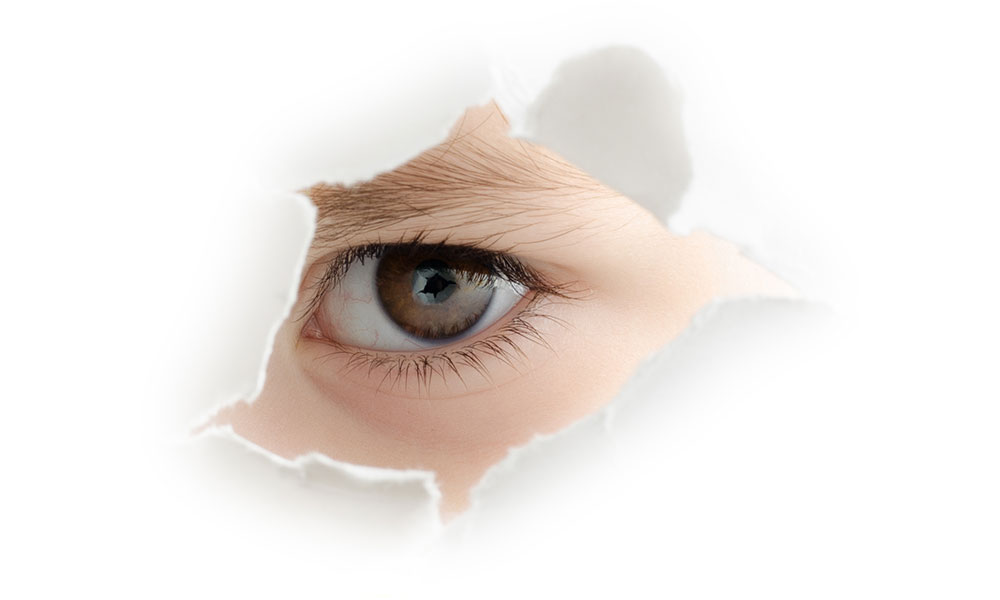

Diabetes Is the Leading Cause of Eye Problems in Old Age
Keep the window to your world clear
The eyes, the second most complex organ after the brain, are more often than not excluded from discourses on overall health and wellness. The fact is that many do not realise the importance of maintaining eye health until it is too late.
Natural health advocate and columnist Dato’ Dr Rajen M says most people do not understand the crucial connection between the eye and the brain, and those who do are the older people and those with conditions like diabetes and hypertension who have declining eyesight.
The connection
He stresses on the connection, as the eye is the tool for the brain to see. “We all see with the brain,” he says, adding that the eye is just a camera. “So it’s the connection to the brain that matters.”
“The eye represents 65% of all input to the brain and up to 85% of all knowledge gained by the brain,” Dr Rajen says. “The moment there is decline in eye function, the brain function will suffer accordingly.”

There are studies that linked damage to the retina, which is the screen of the eye, to declining brain function, and this illustrates how important eye health is. “The screen of the eye feeds the brain, so when the retina is damaged, malfunctioning or suboptimal, then the brain will accordingly get suboptimal feedback from the eye.”
Myopia and carbs
Short-sightedness or myopia is one of the common eye conditions affecting Asian children, particularly the Chinese. A study carried out in Hong Kong on Chinese children linked a high incidence of myopia to their high carbohydrate diets.
Dr Rajen opines that children are being fed a lot of refined carbohydrates – starch and sugar in various forms – at a very early age. This, he says, will “affect their eye function and therefore their brain function”, and this problem will be more pronounced among schoolgoing children.
“Suboptimal vision could lead to poor school performance, lack of enthusiasm in schooling, dropping out of school; teachers feel that the child is a poor or slow learner. Sometimes these problems can manifest as behavioural problems.”
Are glasses the solution?
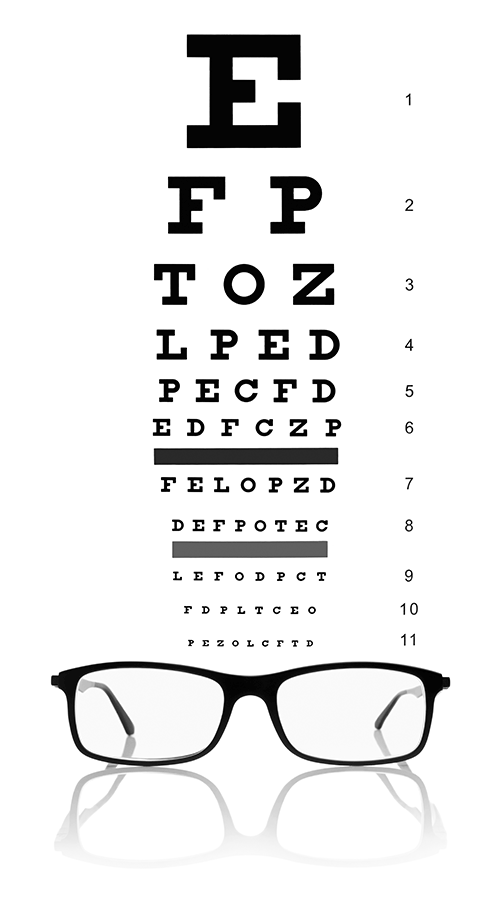
Dr Rajen notes that the general outlook among schoolgoing children is that by the time they are 12, about one in three children is wearing glasses. Based on this observation alone, we can see that the situation is not a favourable one.
Glasses, however, may not be the solution. In fact, a study of 94 children in Malaysia by an optometrist Prof Daniel J O’Leary of the Anglia Polytechnic University Cambridge in 2002 showed that wearing glasses may even worsen myopia if it is not done correctly.
Dr Rajen, therefore, warns parents not to decide for their children to use glasses at the hint of an eye problem. “They don’t understand the implication of that in the long-term vision of the child, and possibly the long-term brain function of the child.”
The eye needs exercise too
He also says there is a school of thought that believes that the eye is an organ that needs exercise. To help parents to relate, he says the situation is very much like that of a child with weak legs. Parents would not ask the child to use a walking stick, but would get him to exercise to strengthen the legs instead.
“But very importantly I think you need to exercise the eye and rest the eye,” he says, adding that the children’s habits such as spending long hours on the computers, tablets and phones, and intensive reading put a strain on the eye and weaken the eye, which contribute to eye problems.
Dr Rajen recommends parents who have children with eye problems to use pinhole glasses, which was recommended by Dr Bates in New York about a hundred years ago. The pinhole glasses are believed to force the eye to exercise all its muscles.
Eye diet

Going back to the study that linked myopia to high-carb diets, Dr Rajen says eating right could help to improve eyesight. He recommends increasing the intake of natural whole foods: fruits, vegetables, nuts, meat, and eggs; and reducing the intake of refined processed foods: sugar and starches.
He explains that the excessive intake of processed foods would replace high quality protein and fats such as omega-3 fatty acids. He adds that excessive consumption of refined carbohydrates could cause an increase in intraocular tension – the pressure in the eye.
Make up for the deficiency
Given our modern lifestyle, ensuring an all-natural diet may be unattainable. Taking supplements could therefore help in providing for the eye’s nutritional needs. Dr Rajen recommends Iristal , a natural formula that combines five compounds that are known for their nutritional benefits for the eye.
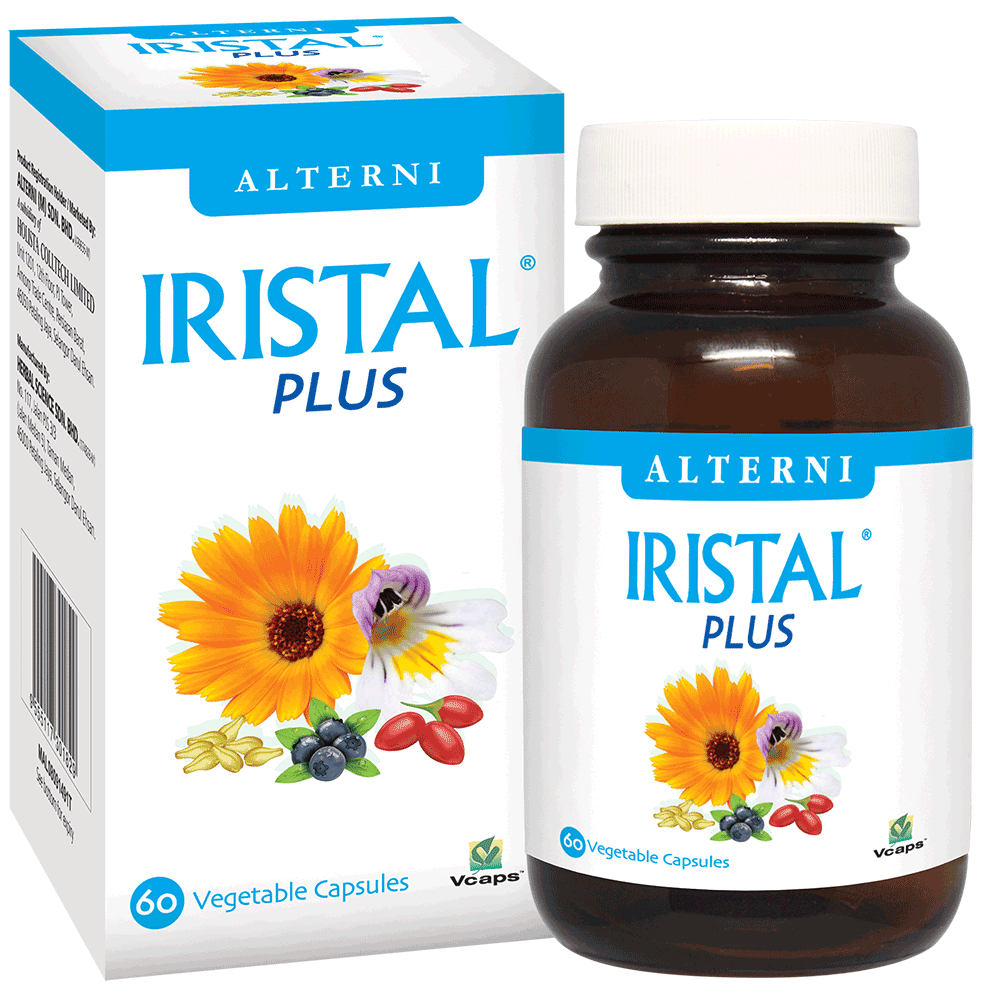
The eyebright, wolfberry, grapeseed, marigold, and bilberry extracts in Iristal , according to Dr Rajen, are known to have been used in traditional Chinese, Indian and Western medicine in preventing various eye conditions and improving eyesight in the long run.
Looking at our lifestyles and dietary intake, Dr Rajen foresees that the occurrences of eye conditions, especially among children, are only going to increase. Eye health should be taken more seriously, and adding a supplement to our diet may be a good place to start.
Steps to redeem the booklet:
New member
- Go to www.alterni.com and register using "Malaysiakini" as the source of referral.
- Please make sure to add valid mailing address and phone number.
Registered member
- Login to www.alterni.com and go to "Contact Us" page.
- Select "Gift Redemption" as Subject Heading.
- Ensure the email address is the same as the registered email.
- Leave the "Order reference" & "Attach File" empty/blank.
- Type or copy paste the following message with the right mailing address:
Item: Dr. Bates Sight Improvement Booklet
Code: Malaysiakini
Address: <Type in your preferred mailing address>
Phone: <Type in your contact number>
Redeem the booklet now!
* T&C apply. Offer valid till 7th November 2015.


Are you sure you want to delete this comment?
This action cannot be undone.