


/file/publisher-c1a3f893382d2b2f8a9aa22a654d9c97/2025/10/9ed233d250917c3a8eadfaec6b79eecb.jpg)

Made by Malaysia: How AI is powering the nation’s next leap in chip design
Malaysia’s semiconductor ambitions took centre stage at the Kuala Lumpur Convention Centre, where experts gathered to discuss how the country can move from assembling chips to designing them.
Held at the Selangor Smart City and Digital Economy Convention (SDEC) 2025, the forum, organised by Cyberview Sdn Bhd and KiniEvents, together with MalaysiaKini and Digital News Asia, brought together policymakers, innovators, and educators to examine how AI and local talent are reshaping Malaysia’s place in the global semiconductor industry.
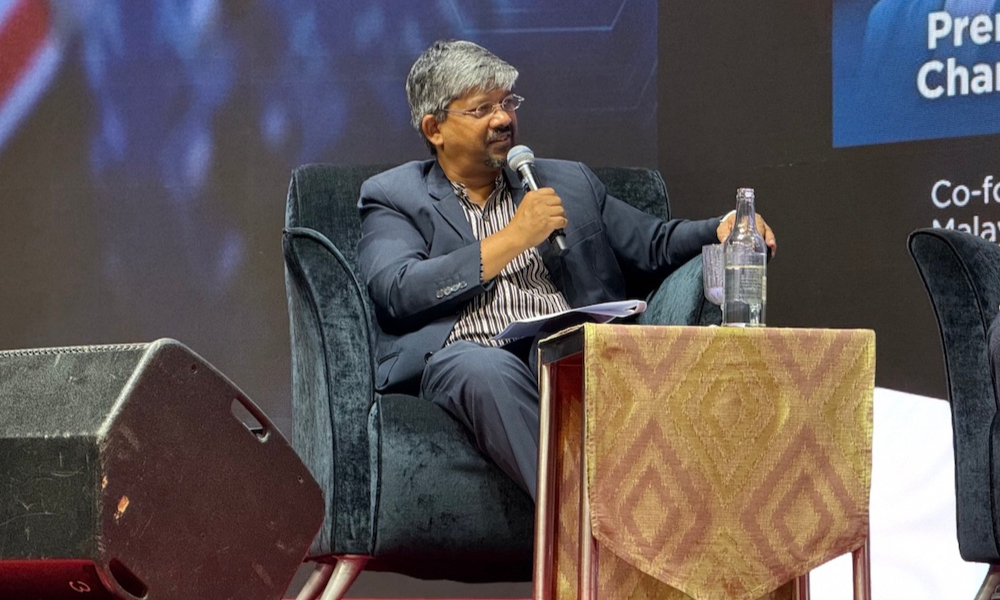
“Malaysia is moving not just from Made in Malaysia but now Made by Malaysia - where our engineers are designing the future,” said Premesh Chandran, Malaysiakini co-founder and moderator of the discussion.
The new design frontier
Malaysia’s semiconductor story has long been rooted in the back-end: assembly, packaging, and testing. But as global demand surges for AI-enabled chips, the front-end of the industry - integrated circuit (IC) design - has become the real prize.
Sunita Navaratnam, Senior Deputy Director at the Malaysian Investment Development Authority (MIDA), said the agency is now laser-focused on promoting Malaysia as a design destination.
“We are no longer focusing on the back-end. We are establishing ourselves as the front-end, and the front-end of the front-end, which is IC design.”

MIDA’s approach goes beyond investment attraction. The agency now connects incoming firms directly with universities and training institutions to align curricula and hiring needs years ahead of setup.
“Policies are important,” she added, “but so is valuing our engineers. We need to make Malaysia a place where they can thrive.”
That alignment, between government, academia, and industry, is exactly what sets the tone for the country’s next chapter.
The talent imperative
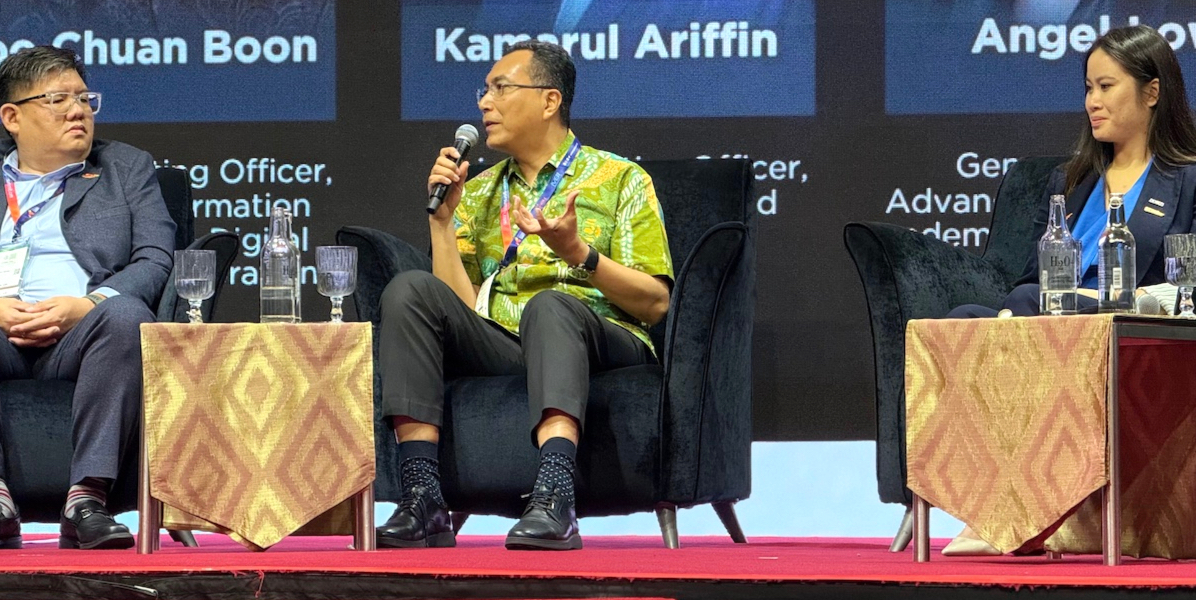
No transformation happens without people. Angel Low, General Manager of the Advanced Semiconductor Academy of Malaysia (ASEM), captured that urgency.
Launched in 2024 as part of the Malaysia IC Design Park in Puchong, ASEM was built “because the industry asked for it,” she said.
“What industry wants is what we train. Our KPI is simple - do our graduates go back to IC Park?”
ASEM’s intensive four- to eight-week programmes, co-developed with anchor tenants from Japan, Taiwan, and Brazil, are designed to produce work-ready chip designers. The academy even sends trainees for placements in Shenzhen, China and Chennai, India, giving them global exposure before returning to Malaysia’s design ecosystem.

Today, fresh graduates entering the industry earn between RM6,000 and RM6,500 - a sign of how valuable their skills have become.
But Low also raised a red flag: innovation depends on funding. “There’ve been no new VC (venture capital) deals in months,” she warned. “We need that funding to flow again to support startups and create jobs.”
Her message resonated throughout the hall - Malaysia can train the talent, but it must also keep the innovation engine running.
Building the ecosystem
While MIDA and ASEM focus on people and policy, Cyberview is making sure there is a physical and digital ecosystem ready to sustain them.
“Cyberjaya has grown from a cyber city into a real tech ecosystem, where innovations can be tested in real environments,” said Kamarul Ariffin Abdul Samad, Cyberview Sdn Bhd’s CEO.
With the highest concentration of tech companies, Cyberjaya serves as Malaysia’s “living lab” for technologies such as autonomous systems, robotics, and chip design, to name a few. Through its subsidiary Futurise, the city also manages national regulatory sandboxes, enabling startups to test products under real-world conditions.
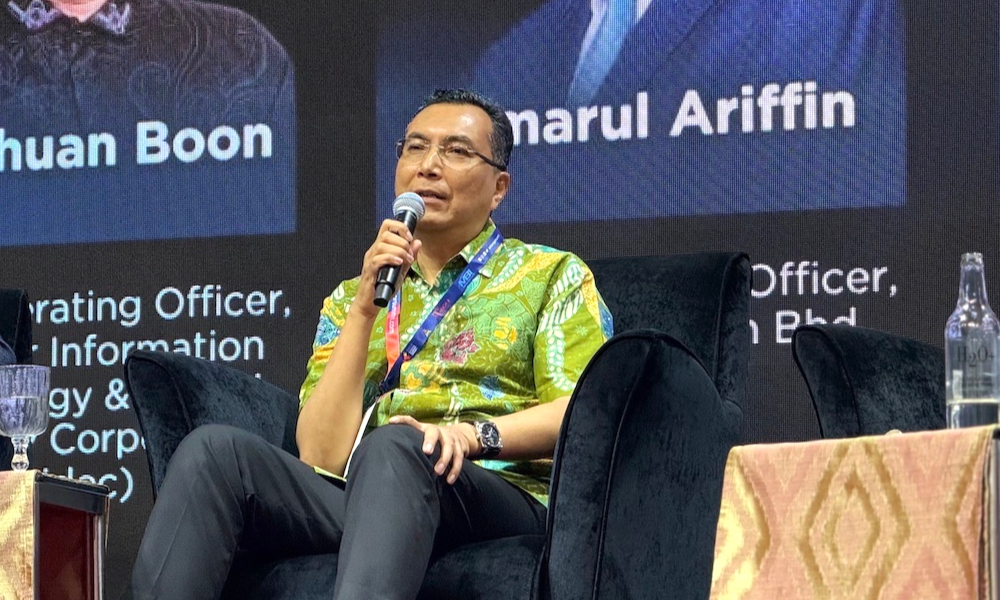
And more is coming. Cyberview and ASEM are now collaborating on Malaysia’s second IC design hub, expanding opportunities for designers and researchers to co-locate in a shared ecosystem.
Kamarul’s focus extends to the next generation. “We actively create programmes for schools and universities and recently we held RekaRangers - an innovation competition among schools across Malaysia and DroneX - a drone sports competition. We were amazed to see the advancement in solutions presented by these young minds - a true testament to the bright future of our next generation.”
Innovation at the state level
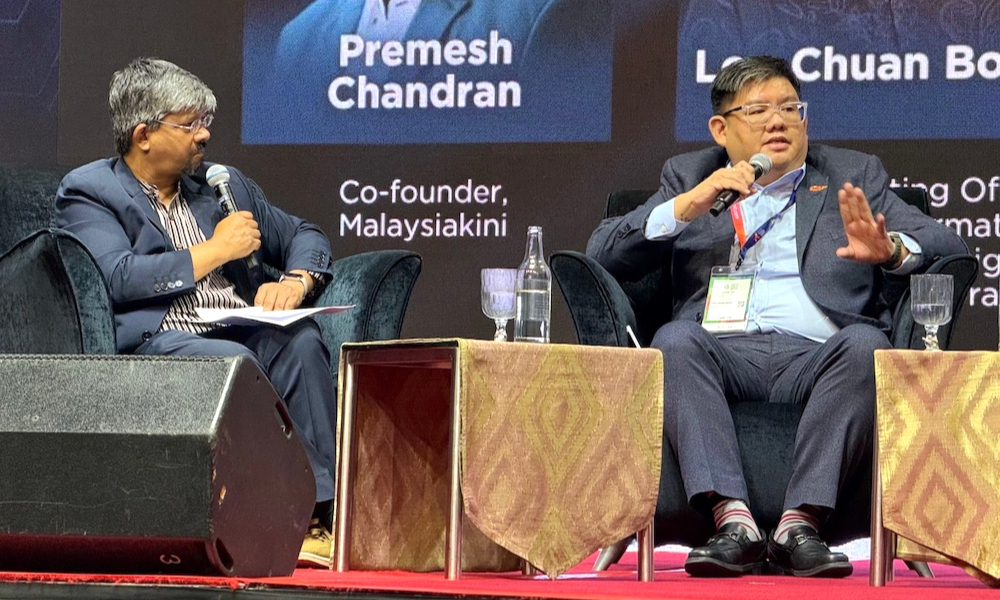
In Selangor, the state government is doubling down on this momentum. Loo Chuan Boon, Chief Operating Officer of the Selangor Information Technology and Digital Economy Corporation (Sidec), described how Selangor is evolving from supporting startups to leading semiconductor innovation.
“Our focus is now on talent, training, and investments into IC design,” he said. “By 2028, we aim to design our own homegrown AI chip.”
The Selangor IC Design Park in Puchong, now home to 14 companies, will soon be joined by IC Design Park 2 in Cyberjaya. Sidec is also preparing to launch the Selangor Semiconductor Data Fund, Malaysia’s first VC vehicle focused solely on chip design - with RM5-10 million in annual seed support.
“We’re not just training talent; we’re building the ecosystem, connecting startups, labs, and universities under one roof,” Loo stated.
His point underscored the value of state-level agility in Malaysia’s semiconductor ambitions. Where federal policy sets direction, Selangor is turning ideas into implementation.
Challenges and momentum
The panel’s audience Q&A pulled the discussion back to ground realities.
How do we keep talent from leaving? What about infrastructure, cost of living, or education quality?
Sunita was candid: “Policies can help, but if the package isn’t competitive, talent will go abroad. We need to value our engineers better.”
Kamarul noted that Cyberview is helping close the talent gap through strategic initiatives such as start-up support, industry-academia collaboration, and targeted upskilling programmes.
In ensuring that skilled individuals have meaningful opportunities to stay and succeed within Malaysia, the Cyberview Living Lab model allows emerging technologies to be tested in real-world settings, giving talent hands-on experience and exposure to cutting-edge innovation.
The Cyberjaya ecosystem plays a pivotal role in this effort. As a Global Tech Hub, Cyberjaya offers a vibrant community of start-ups, multinational corporations, and research institutions, all supported by smart and sustainable infrastructure.
Its strategic location, combined with strong government-linked support, makes it an ideal launchpad for global expansion. With a high quality of life and a culture of innovation, Cyberjaya attracts and retains talent by offering not just jobs, but a future.
Meanwhile, Loo shared that Malaysian-founded design companies abroad are beginning to return - a sign that brain gain is already underway.
Among them is Dr Salleh Ahmad, a Malaysian engineer who spent years leading design projects in France before returning home to establish a new R&D base at the Selangor IC Design Park.
Salleh’s goal, Loo noted, is not just to develop next-generation chip technology but to mentor local engineers and help Malaysia close the talent gap from within.
The road ahead
As the discussion drew to a close, one thing became clear: Malaysia’s ascent in semiconductor design will be a collective effort - one powered by alignment between policy, talent, and vision.
From MIDA’s investment frameworks and ASEM’s training programmes to Cyberview’s innovation clusters and Sidec’s state-led initiatives, each pillar plays a part in shaping a more self-sustaining ecosystem.
For Sunita, national blueprints like the National Semiconductor Strategy (NSS) and New Industrial Master Plan (NIMP) 2030 provide the scaffolding for long-term growth. Low stressed that funding is the lifeblood that keeps innovation alive.
Kamarul reminded the audience that inspiration starts young, while Loo called on students and entrepreneurs to turn their ideas into impact through platforms like SDEC.
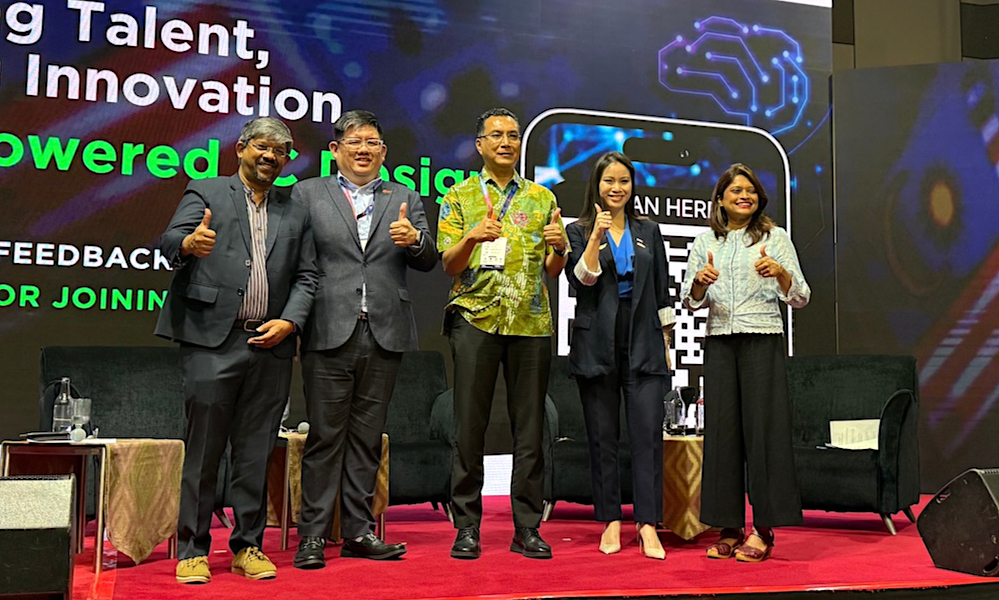
“We’re talking about talent, IC design, and AI,” said Premesh in his concluding remarks. “And it’s inspiring to see how every part of the ecosystem is moving together.”
As Malaysia looks beyond manufacturing toward high-value design, Made by Malaysia is long past a lofty dream - it’s a strategy for the future.


