


/file/publisher-c1a3f893382d2b2f8a9aa22a654d9c97/2025/02/00f6b66074c9c6dc598f84c4bd6bab6b.jpg)

Sabah's Sapangar Bay: An emerging gateway to regional and global trade
Sabah, strategically located in the heart of the Brunei-Indonesia-Malaysia-Philippines East Asean Growth Area (BIMP-EAGA), has long been a key player in regional trade. With eight major ports - Kota Kinabalu, Kudat, Kunak, Lahad Datu, Sandakan, Sapangar Bay Container Port, Sapangar Bay Oil Terminal, and Tawau - Sabah Ports Sdn Bhd oversees vital maritime operations that connect Sabah to global markets.
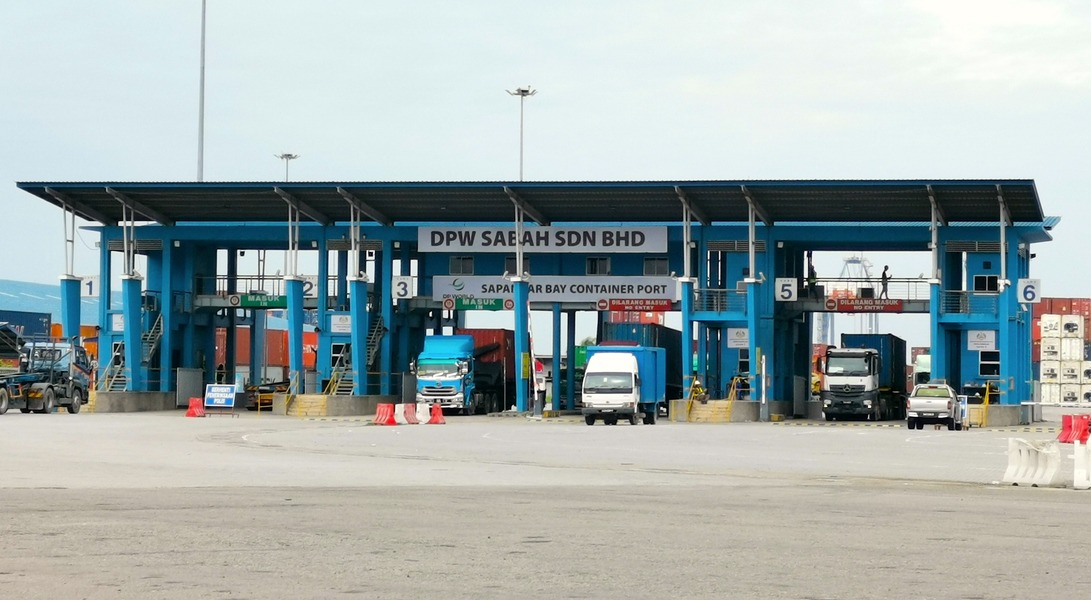
Among these, Sapangar Bay Container Port (SBCP) stands out as the future of Sabah’s logistics and trade industry. Situated near the Kota Kinabalu Industrial Park, SBCP is poised to become a regional trade hub, thanks to a historic partnership with DP World, a global logistics powerhouse operating in 78 countries.
Why Sapangar Bay matters
The east coast ports serve as gateways to Indonesia and the Philippines, facilitating daily trade and ensuring the steady movement of goods. Meanwhile, the oil terminals, including the dedicated jetty at Kunak, support Sabah’s vital palm oil industry, with shipments coming from as far away as Rotterdam in the Netherlands.
However, the real game-changer is the expansion of SBCP, according to Sabah Ports Sdn Bhd managing director Ng Kiat Min. Currently handling over 300,000 TEUs (20-foot equivalent units) annually with a capacity of 500,000 TEUs, the port is set to increase its capacity to 1.25 million TEUs within two years.
“This transformation is expected to attract more foreign investment and significantly improve Sabah’s connectivity to global supply chains,” shared Ng.

The DP World collaboration: A step toward globalisation
After six years of negotiations, Sabah secured DP World as a strategic partner in 2024. With its extensive logistics network, DP World will help integrate Sabah’s ports into major global trade routes, unlocking new markets within BIMP-EAGA and beyond.
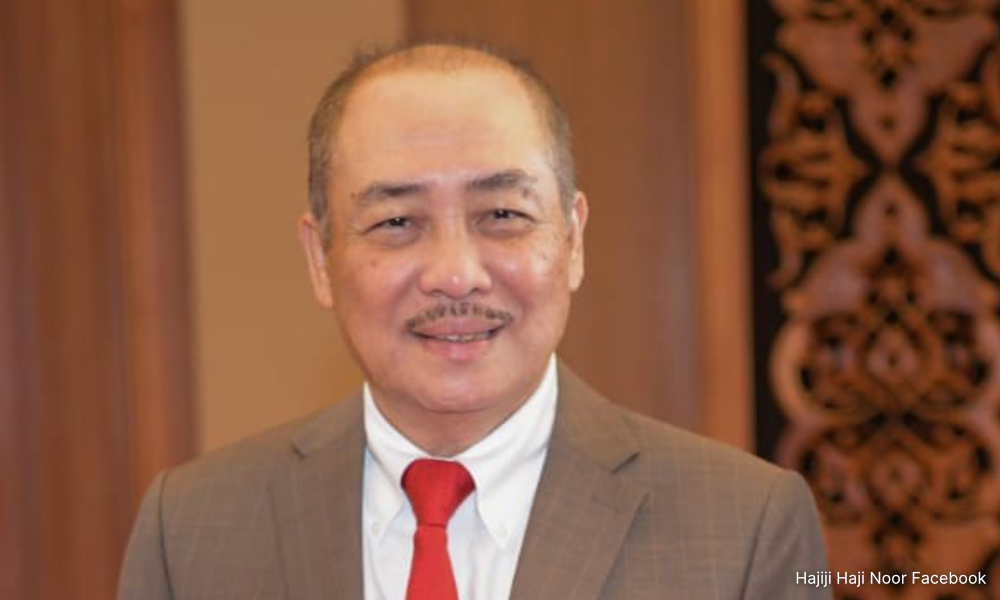
Ng credits Sabah Chief Minister Hajiji Noor for making the collaboration possible. The visionary leader recognised that modernised port infrastructure is crucial for economic growth and was instrumental in securing this deal. The partnership with DP World ensures that SBCP will not only serve the region but also connect Sabah directly to the global economy.
A promising future for Sabah’s trade and economy
With the expansion of SBCP and increased connectivity, Sabah is on track to become a key trade hub in Southeast Asia. According to BIMP-EAGA’s 2024 statistics, the region’s 81.7 million-strong population presents immense economic opportunities, and with DP World’s expertise, Sabah Ports is in a prime position to capitalise on growing trade demands.
With SBCP poised to handle greater cargo volumes and streamline trade, efficient inland transport is equally crucial to maximising its impact. This is where the Pan Borneo Highway comes into play, providing seamless connectivity across Sabah and beyond to ensure goods move swiftly from port to market, thus creating boundless opportunities for Sabahans from all walks of life.
Pan Borneo Highway: Transforming Sabah’s infrastructure
The Pan Borneo Highway is a transformative infrastructure project aimed at enhancing the land transport network across Sabah. Once completed, it will stretch approximately 1,503km from Sindumin to Tawau, significantly improving transport efficiency and fostering economic growth in the region.
Phases of the Pan Borneo Highway
The project is divided into three phases. Phase 1 covers the Sindumin-Kota Kinabalu-Kudat, Ranau-Mile 32 Sandakan-Tawau stretch, spanning 706 km. This phase is further broken down into Phase 1A and Phase 1B. Phase 2 includes the 96km Tamparuli-Ranau section, while Phase 3 focuses on the 432km Tawau-Kalabakan-Keningau-Kimanis route.
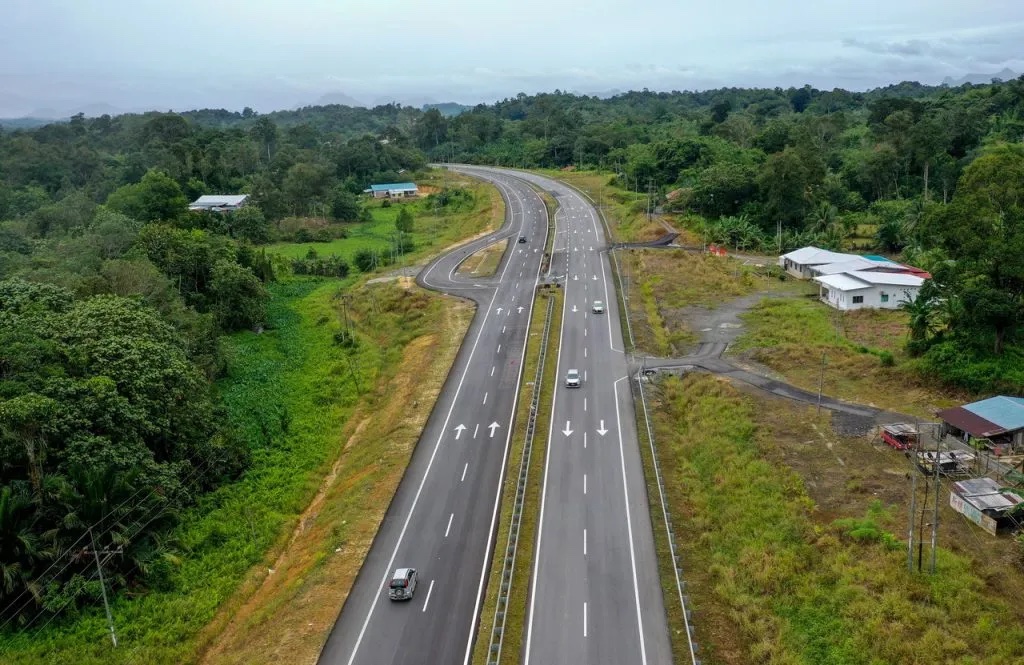
Construction of the highway encountered several setbacks since its launch in 2015 but that is now in the past. Sabah folk can soon look forward to cruising on smooth, four-lane roads and reduced travel time. Last November, state Deputy Chief Minister III Shahelmey Yahya announced to the Sabah legislative assembly that Phase 1A is expected to be completed by October 2026, with Phase 1B scheduled for September 2028.
Full speed ahead
Putrajaya has taken several intervention measures to ensure the Pan Borneo Highway project progresses efficiently. Working closely with the Sabah authorities, Prime Minister Anwar Ibrahim emphasised the importance of speeding up construction.
A sum of RM9.7 billion was allocated in Budget 2025 to streamline project management, improve coordination between contractors and focus on completing the remaining 11 work packages of Phase 1A. In addition, public engagement and advocacy have played a critical role in maintaining pressure on stakeholders and accelerating progress.
Sabah’s future brims with hope
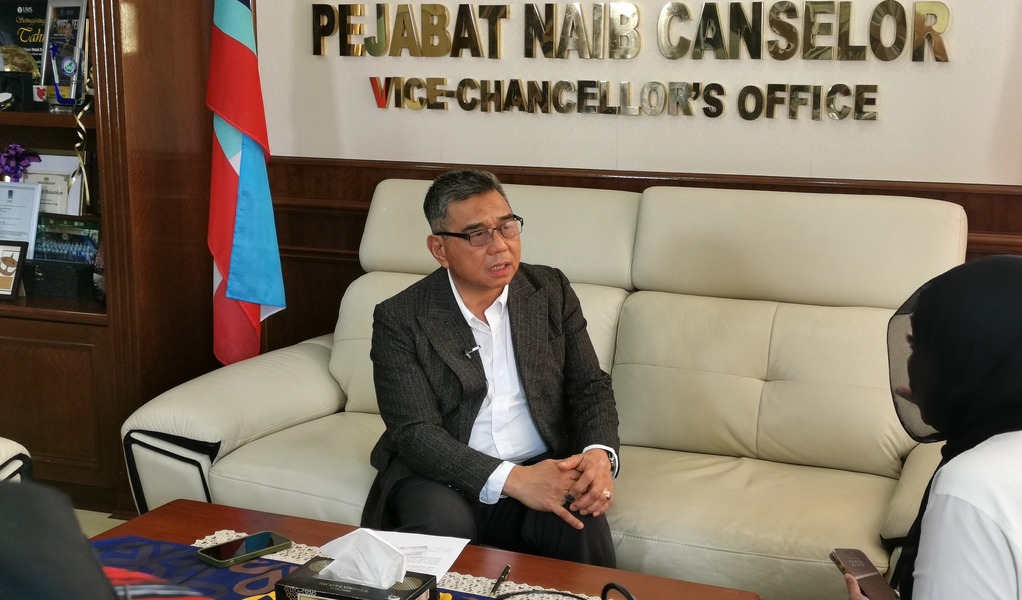
The synergy between the Pan Borneo Highway and Sapangar Port is set to become a game-changer for Sabah, positioning the state as a key player in regional trade, opined Professor Dr Kasim Mansor, vice-chancellor of Universiti Malaysia Sabah.
“Sabah is vast, with many areas that have potential but due to logistical constraints, some areas have yet to be fully developed. However, well-developed infrastructure creates networks for the movement of goods, not just in Sabah but across Borneo. This makes Sabah business-friendly and a high-potential location for economic opportunities, not just in urban areas but also in rural areas that have been left behind,” said the economist.
“Sabah is rich in natural resources, its land is fertile and there are many world-class tourism spots. I foresee that when the Pan Borneo Highway is completed, it will contribute to about five to 10 percent of Sabah’s GDP,” he added.
Opportunities aplenty for young Sabahans
Economic development must be accompanied by human capital readiness and Sabah realises its greatest strength lies in its youth. Education is key to ensuring that the younger generation is prepared to face the challenges that lie ahead.
“Without education, how can they face rapid development? The opportunities are vast for this new generation - this is their time. If they are not ready, they risk being left behind - becoming spectators instead of active participants.
“My hope as an academic is for them to engage in development and enhance their capacities. Universities provide the training ground for them to be ready and take on their role as agents of change. They are our future leaders,” emphasised Kasim.
“We already have the resources. What we need is young energy to drive these resources forward. But to do that, they must be well-prepared. There is no time to waste. That is our role at Universiti Malaysia Sabah - to produce the best talents. To leverage these available opportunities, we must embrace knowledge and technology. Together, we can make Sabah great again.”

The UMS vice-chancellor concluded by emphasising that only with sustained political stability can Sabah unlock its full economic potential and ensure lasting prosperity for its people.
Over the past four years, under the leadership of Chief Minister Hajiji, the state has made remarkable strides in economic growth, infrastructure development, and social welfare.
The current administration has propelled Sabah forward in a short span of time - imagine how much more it can achieve with a renewed mandate to serve the people. Continued stability is essential to building on these successes, ensuring that Sabahans fully benefit from sustainable development and shared prosperity.


