


Rubber Authority of Thailand (RAOT) is accelerating its support measures to assist rubber farmers from rubber prices: Aiming to stabilize rubber prices by joining forces with the agricultural institute network. In a coordinated effort with rubber farmer institutions nationwide, the postponing the start of the rubber harvesting season by one month is anticipated to lower market supply by at least 200,000 tons. The move is expected to reduce rubber supply in the market by no less than 200,000 tons. Additionally, RAOT is promoting a short-term, interest-free loan program (for four months) to help farmer institutions secure funding for essential rubber plantation upkeeping inputs.
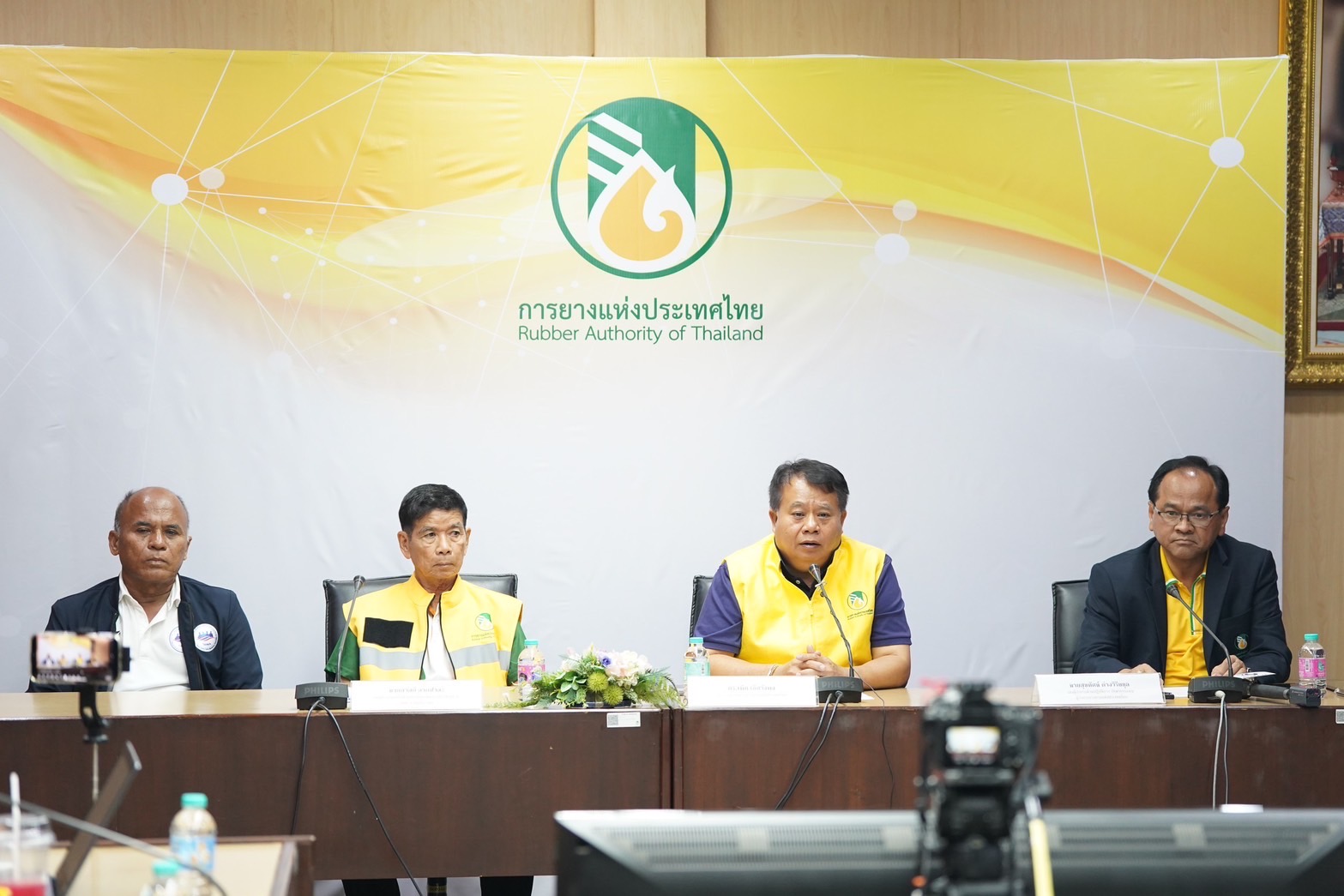
Dr. Perk Lertwangpong, Chairman of the Rubber Authority of Thailand, stated that RAOT recognizes the significance of how the current rubber price situation may affect the incomes of rubber farmers. In response, RAOT has expedited discussions with all relevant sectors to jointly establish measures and guidelines aimed at maintaining rubber price stability. These efforts address the price decline resulting from the United States' announcement of its Reciprocal Tariffs policy, which has caused alarm among certain groups of entrepreneurs and investors.
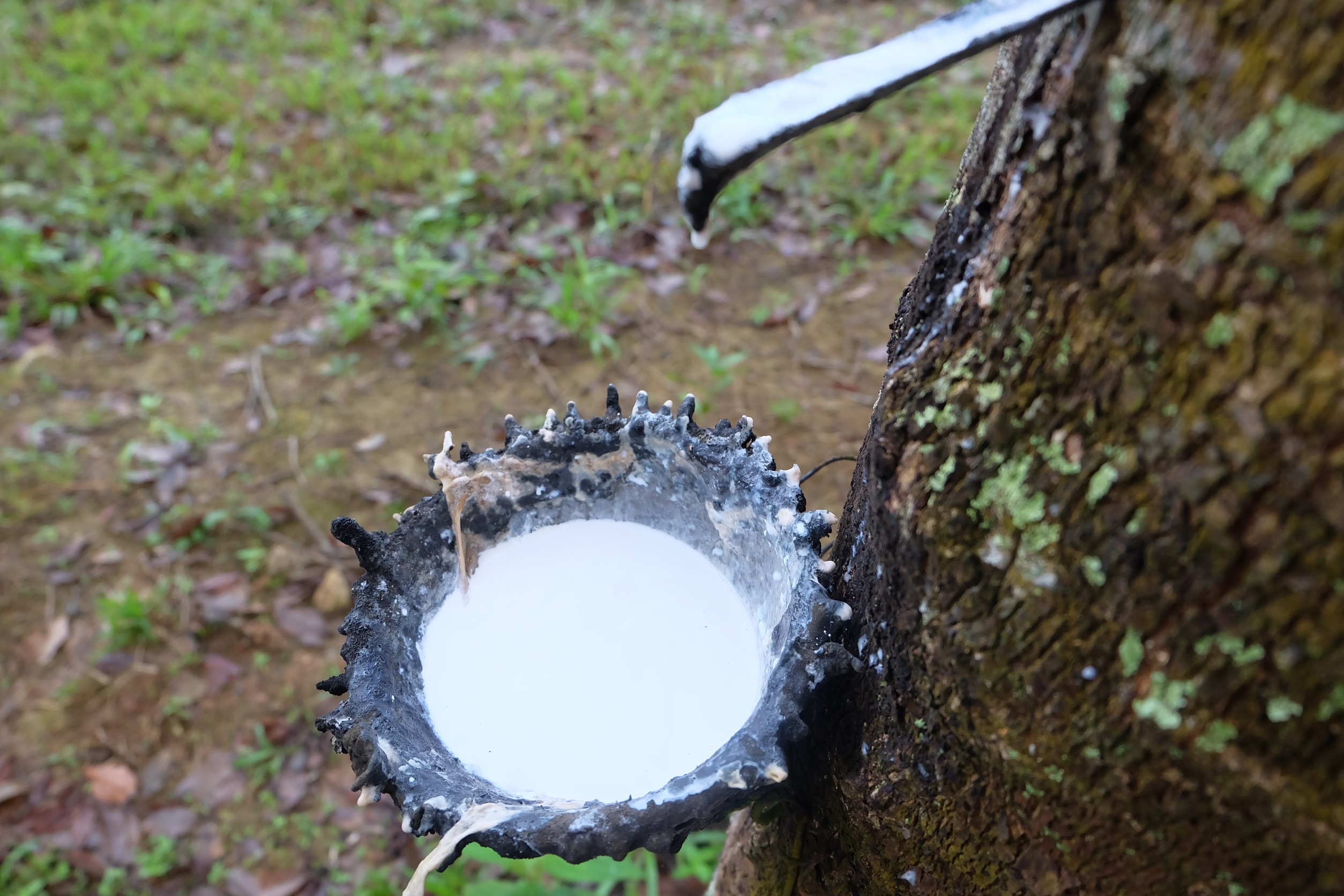
To put pressure on the market stability, one of the immediate actions agreed upon—through cooperation with the national network of rubber farmer institutions—is to delay the tapping season by one month. Instead of beginning in May 2025, most rubber farmers will now commence tapping in June 2025. This delay is expected to deduct no less than 200,000 tons of rubber from the global market, a supply contraction that could bring about the pressure to market equilibrium.
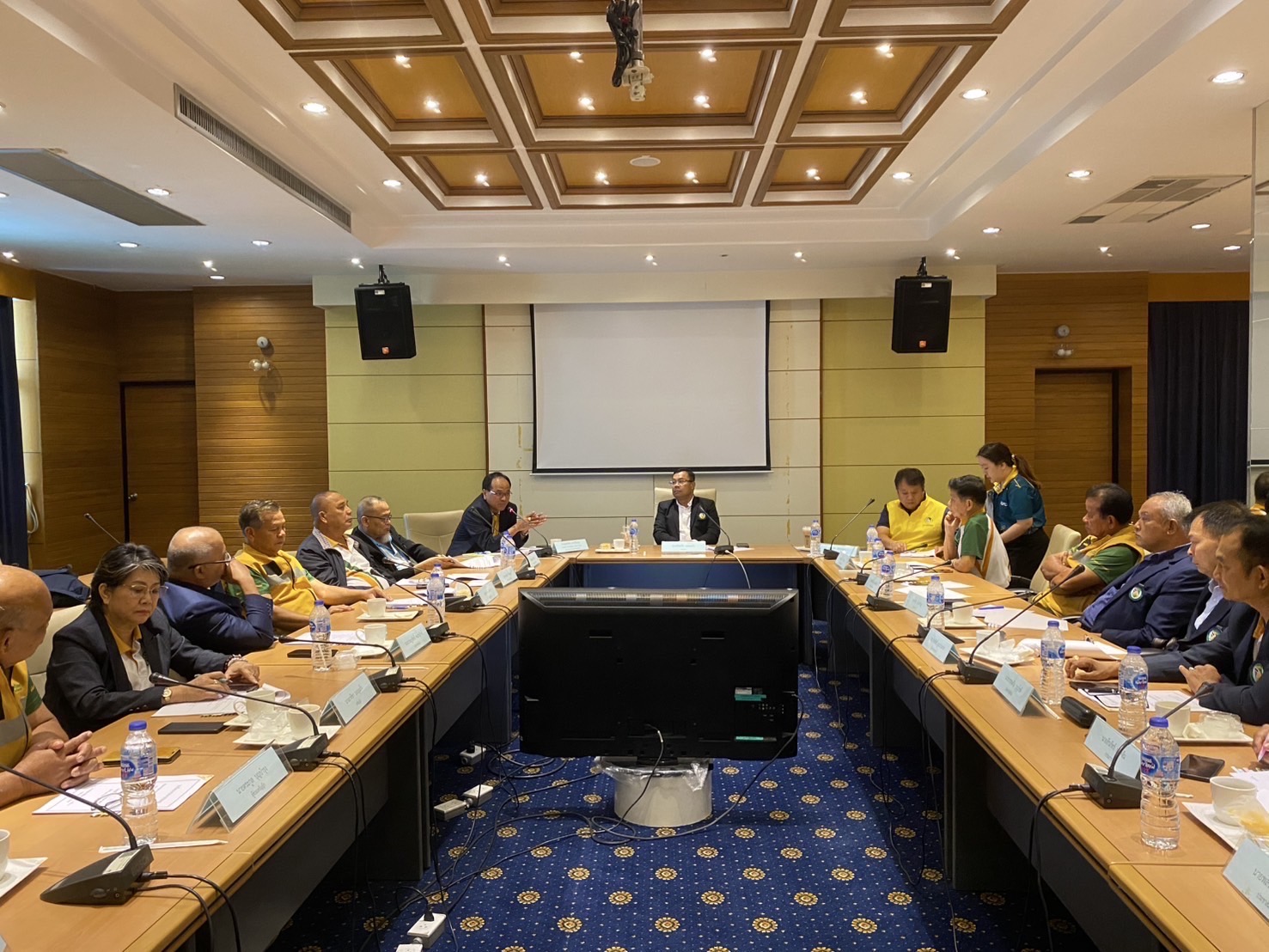
“The one-month delay in tapping is not a retaliatory measure—it is a self-protective step aimed at creating long-term stability in the rubber industry,” said Dr. Perk. He also expressed confidence that this postponement will not harm the overall rubber supply chain, noting that global rubber demand currently exceeds supply by approximately 2%. “Harvesting latex next month instead of this month is likely to secure better prices for farmers,” he added.

Mr. Sukatus Tarngwiriyakul, Acting Governor of RAOT, noted that the one-month postponement offers farmers an opportunity to care for and nourish their rubber trees, ensuring they are in optimal condition when tapping resumes. To support them during this period, RAOT is launching a short-term loan program under Section 49(3) of the Rubber Development Fund. This initiative enables rubber farmer institutions to procure production inputs, particularly fertilizers, to increase yields and reduce production costs.
Each institution may apply for a single loan agreement, with a credit limit of up to 5 million baht, interest-free for four months, starting in May 2025. This funding will help participating institutions access quality inputs at affordable prices for distribution to their members and local farmers. The program aims to lower production costs, enhance yields, and ultimately raise farmers' incomes. It aligns with the Ministry of Agriculture and Cooperatives’ broader policy to strengthen the capacity, sustainability, and global competitiveness of Thailand’s rubber farming sector.
Mr. Sukatus further stated that RAOT is also preparing to implement additional measures aimed at maintaining long-term price stability. Key upcoming initiatives include the continuation of a rubber sales deferral program. RAOT also plans to engage in negotiations with Chinese importers to advocate for lower import tariffs on Thai rubber. These efforts are part of broader trade cooperation under the Mekong Six Business Development and Promotion Association, in which RAOT is a key partner. The goal is to enhance export opportunities and improve price prospects for Thai rubber.
In addition, RAOT is promoting knowledge transfer to farmers, focusing on best practices in rubber plantation care. This includes proper fertilization techniques, the use of fermented bio-extracts made from black-spotted catfish, and the adoption of ethylene hormone innovations to stimulate latex production.
This content is provided by Jan Media Marketing Sdn Bhd
The views expressed here are those of the author/contributor and do not necessarily represent the views of Malaysiakini.
Interested in having your press releases, exclusive interviews, or branded content articles on Malaysiakini? For more information, contact [email protected] or [email protected]
