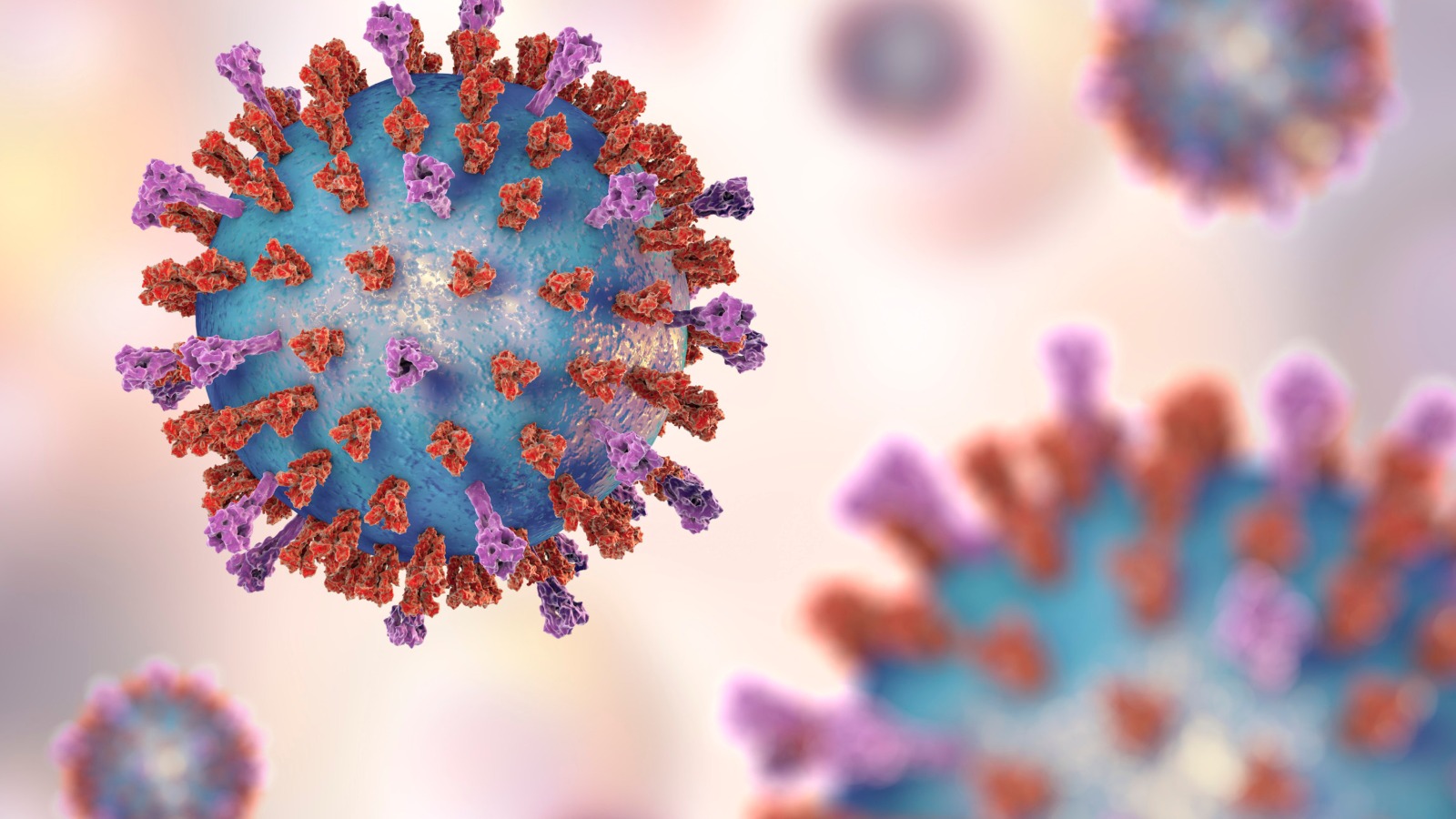
Respiratory Syncytial Virus (RSV) is a common yet potentially serious viral infection, particularly dangerous for infants and the elderly. Despite its widespread presence and the burden it places on healthcare systems globally, awareness about RSV and its impact remains limited. However, recent medical advances have brought hope, especially through the powerful strategy of maternal immunisation.
At a recent discussion featuring Professor Heather Zar, Paediatric Pulmonologist at the University of Cape Town, and Dr. Nicholas Chang, Paediatric Respiratory Specialist, the significance of maternal immunisation in the fight against RSV was strongly emphasised.
What is RSV?

RSV is a highly contagious virus that primarily affects the respiratory tract. In healthy individuals, it often manifests as a mild cold. However, in vulnerable populations, particularly infants under six months and older adults, RSV can lead to severe respiratory illnesses, including bronchiolitis, croup, and pneumonia.
"RSV is one of the major causes of pneumonia in young children," said Professor Heather Zar. "It’s not just an acute illness. It has long-term consequences, such as wheezing and asthma later in childhood."
Dr. Chang echoed these concerns, noting that in Southeast Asia, including Malaysia, RSV is a significant contributor to child hospital admissions. “About 30-40% of admissions in children under five are respiratory-related, and a large portion of those are due to RSV,” he explained.
The Hidden Burden of RSV

One of the biggest challenges with RSV is its underdiagnosis. Its symptoms can mimic the common cold, especially in the early stages, such as irritability, poor feeding, and rapid breathing in infants, making it easy to overlook. In tropical climates like Malaysia, where RSV circulates year-round (unlike in temperate regions where it is seasonal), identifying and tracking RSV cases can be even more difficult due to the lack of comprehensive databases and diagnostic tools.
In Malaysia, hospitals often report 2-3 RSV-related admissions per week, and while this may not seem significant on the surface, these cases typically require extensive respiratory support, especially for infants born preterm or with underlying health conditions.
"The burden is real. Supportive treatment is available, but we don’t yet have a specific antiviral for RSV, and hospital care is both limited and expensive," said Dr Chang.
Maternal Immunisation: A Breakthrough Solution
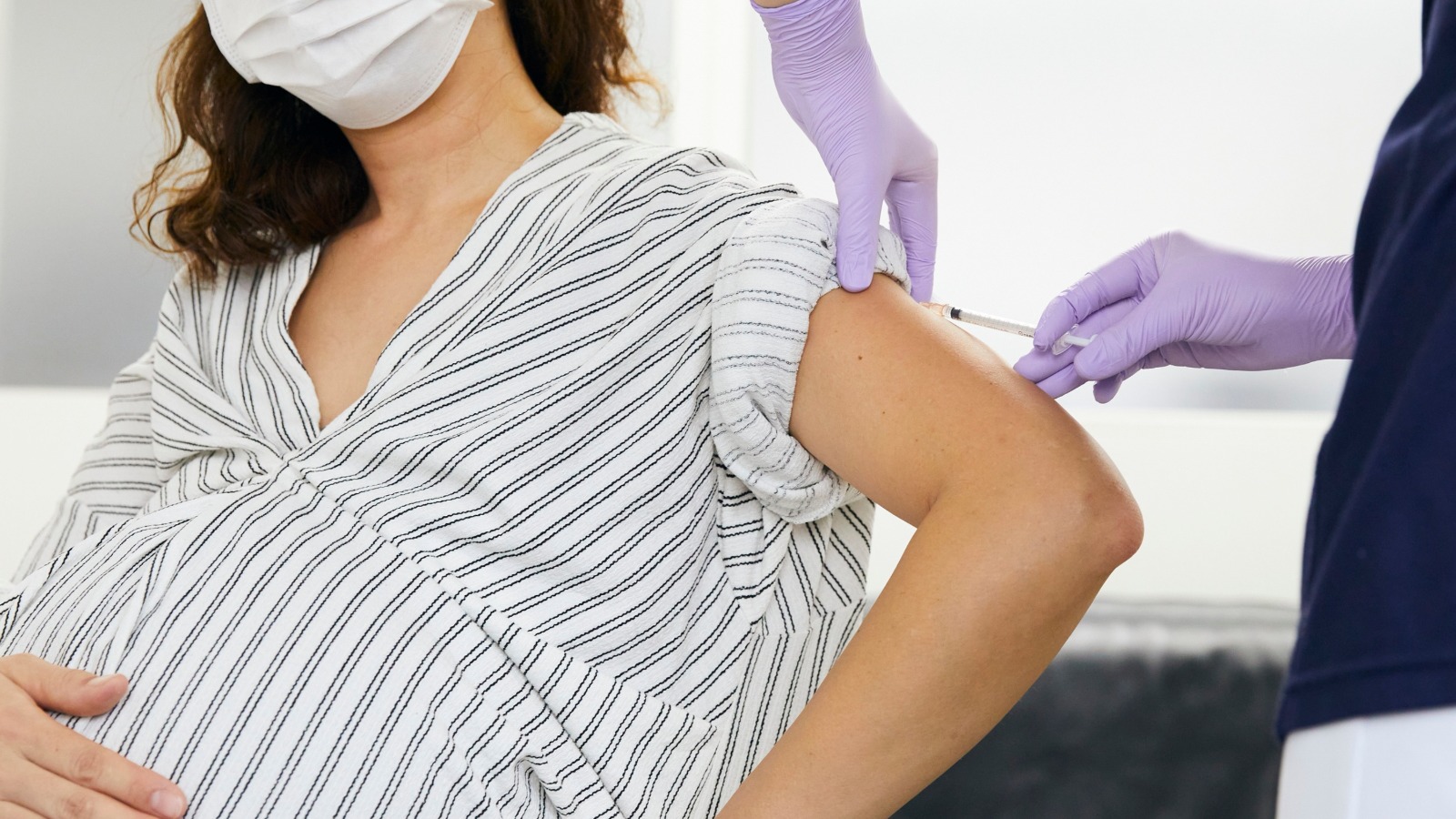
Amidst these challenges, one of the most promising developments is maternal immunisation. In Malaysia, vaccination can be given from the 24th week of pregnancy. By vaccinating during pregnancy, antibodies are passed on to the unborn baby, offering protection during the critical first few months of life when infants are most vulnerable.
"Maternal immunisation is the way to go," Professor Heather Zar stated. "It’s highly effective, and over 60 countries have already seen a significant drop in RSV-related cases after implementing it."
The World Health Organization (WHO) strongly supports maternal RSV immunisation, urging countries, especially in lower-income and high-burden regions to adopt this strategy. A single vaccination during pregnancy can make a profound difference by protecting infants in their most vulnerable early months of life.
Cost-Effective and Life-Saving
While cost remains a barrier to widespread implementation in some regions, Professor Heather Zar argue that maternal immunisation is ultimately cost-saving. Hospital interventions for RSV, such as oxygen therapy and prolonged stays in pediatric units, are expensive. Preventing these outcomes through vaccination is not only financially prudent but also improves equity and access to care.
“This isn’t just about preventing disease. It’s about saving lives, ensuring a healthy start for every child, and reducing the burden on families and health systems,” she said.
She added that the COVID-19 pandemic highlighted the power of preventive health measures, in which vaccines were developed in real-time to prevent the spread of the COVID-19 virus.
“Now, with vaccines available, it is time to prioritise RSV prevention through maternal immunisation,” she said.
She added that Governments, healthcare providers, and international partners must collaborate to make maternal immunisation programs accessible and affordable.
“In doing so, we can protect our youngest and most vulnerable, reduce hospital admissions, and give every child the healthiest start in life,” she said.
Maternal immunisation against RSV is not just a scientific advancement. It is a public health imperative. By protecting mothers, we protect infants during their most fragile months, reduce long-term respiratory complications, and bring us closer to equity in child health care globally.
Interested in having your press releases, exclusive interviews, or branded content articles on Malaysiakini? For more information, contact [email protected] or [email protected]y