


/file/publisher-c1a3f893382d2b2f8a9aa22a654d9c97/2025/10/e97bb8c747206be47d2c47c752861d4f.png)

Sim: Gig economy limits workers' full potential
Jobs in the gig economy may offer quick financial returns, but in the long run, they prevent workers from realising their full potential, said Human Resources Minister Steven Sim Chee Keong.
He said this is not only a loss for individuals but also a setback to Malaysia’s ambition of becoming a high-income, knowledge-based economy.
“A 2022 study found that 47.16 percent of gig workers hold only SPM or diploma-level qualifications,” Sim stated.
“They could fill high-skilled job vacancies, but their education and training are not being fully utilised.”
He added that Malaysia needs millions of trainers and technicians to meet industry demand – a goal that requires more comprehensive training programmes.

To address this, the Human Resource Development Corporation (HRD Corp) has been tasked by the Ministry of Human Resources (KESUMA) to ensure that gig workers have access to quality training programmes that can help them build sustainable, competitive careers.
HRD Corp will work with associations and companies representing gig workers to directly connect them with training opportunities, he added.
The minister noted that HRD Corp has raised double the revenue from NHCCE 2025 compared to last year by achieving a surplus of about RM1 million compared to RM500,000 in 2024. To keep to HRD Corp’s mandate, the full amount from this surplus will be channeled to train the gig workers.
“We have just passed the Gig Workers Bill two months ago, which for the first time provides employment protection for millions of gig workers in Malaysia,” he said.

Sim also revealed that over the past three years, up to August, HRD Corp collected RM6.17 billion in levies, of which RM5.77 billion, or nearly 94 percent, has been used to train about four million workers nationwide.
Of that amount, around RM25 million was allocated for training programmes in artificial intelligence (AI) and information technology (IT), benefiting more than 20,000 workers.
“We know that big numbers alone are not enough. That is why HRD Corp and KESUMA will continue to expand their efforts to provide more training programmes, including free courses to help Malaysians adapt to the new AI-driven job market,” he emphasised.
Upskilling, reskilling for the AI era
HRD Corp Chairman of the Board of Directors, Datuk Abu Huraira Abu Yazid, remarked that the event symbolises Malaysia’s continued commitment to advancing human capital excellence in the region.
“NHCCE has become a hallmark of Malaysia’s human capital agenda and now extends beyond our borders. This platform allows us to share insights, forge partnerships and drive meaningful action to prepare ASEAN’s workforce for the future,” he said.
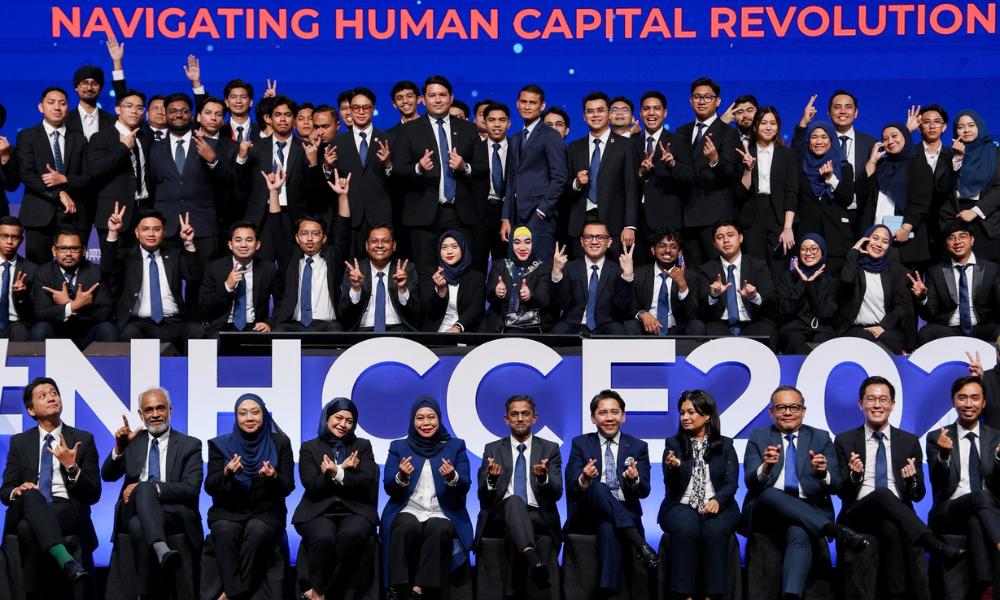
Meanwhile, HRD Corp Chief Executive, Dr Syed Alwi Mohamed Sultan, highlighted that the role of human capital development has become increasingly important, particularly in the digital era.
He said HRD Corp is leading efforts to empower the workforce to remain relevant and competitive, ensuring employability as the world rapidly transitions toward automation and AI-driven industries.
“Renowned futurist Professor Michio Kaku once said that AI will not replace humans, but humans who use AI will replace those who do not.
“Therefore, it has become an urgent necessity to master new skills through unlearning, relearning, adapting, reskilling and collaboration as these will determine our reach and success in the digital world.
“HRD Corp’s mission is to ensure that no individual is left behind, whether a student, a professional, or a business owner,” he said.
According to Syed Alwi, in recent years, HRD Corp has evolved from being merely a levy collection agency to a strategic leader within the nation’s human capital development ecosystem.
He also said the transformation has enabled HRD Corp to play a greater role in shaping national training policies, addressing skill gaps arising from industry shifts, and expanding access to high-impact training programmes.
“Our focus now goes beyond training funding; it is on achieving strategic impact and real value returns to ensure every ringgit spent on training delivers tangible benefits to employees, employers, and ultimately, the nation.
“For that reason, I would like to express my gratitude to the HRD Corp heroes who made this event a reality,” he said.
NHCCE, held at the Malaysia International Trade and Exhibition Centre (MITEC), is ASEAN’s largest annual event on human capital and skills transformation.
It was organised to highlight Malaysia’s role as ASEAN Chair in driving the regional agenda on upskilling, reskilling, and developing a competitive workforce to meet future global challenges.
The three-day event, held Oct 6-8, drew the participation of about 3,000 delegates from both local and international organisations.
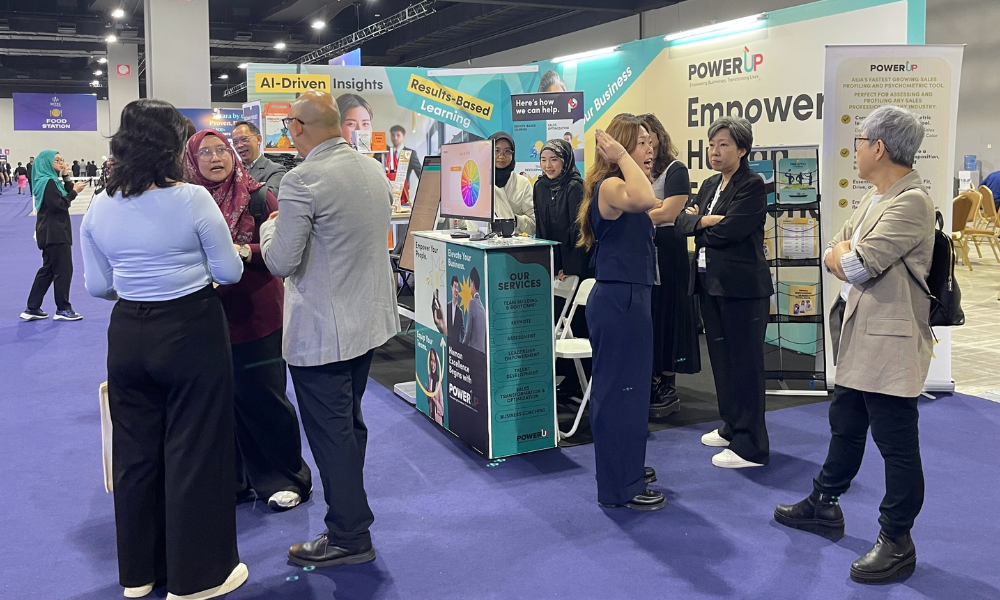
Themed Leading the Human Capital Revolution, the conference featured more than 30 renowned local and international speakers, along with an exhibition showcasing the latest innovations in human capital development.


Are you sure you want to delete this comment?
This action cannot be undone.