The ASEAN Youth Summit 2025 opened in Kuala Lumpur with the kind of energy that only a roomful of young leaders can generate – sharp, curious, unafraid of complexity and eager to shape the region they will soon inherit.
Organised by KiniEvents and the MIDP Youth Institute, supported by the Ministry of Higher Education, and held in collaboration with the Delegation of the European Union to Malaysia, this year’s summit brought together over a hundred youth delegates from across ASEAN.
The programme was further strengthened by its Topic Partners – Tenaga Nasional Berhad (Sustainable Energy), Malaysian Timber Certification Council (Timber Sustainability), CelcomDigi (Tech & Innovation) – with Monash University Malaysia as Academic Partner, the Energy Commission and the Malaysian Green Building Council as co-partners, along with the Swedish Embassy, French Embassy, and German Embassy as embassy partners.
Innovation, inclusion and responsibility
In his opening remarks, Premesh Chandran, co-founder of Malaysiakini, reminded delegates that youth leadership is not a distant aspiration but a responsibility already at hand. As technology, sustainability and regional cooperation intersect more tightly than ever, he urged young people to be courageous, collaborative and ready to shape ASEAN’s future from today onward.
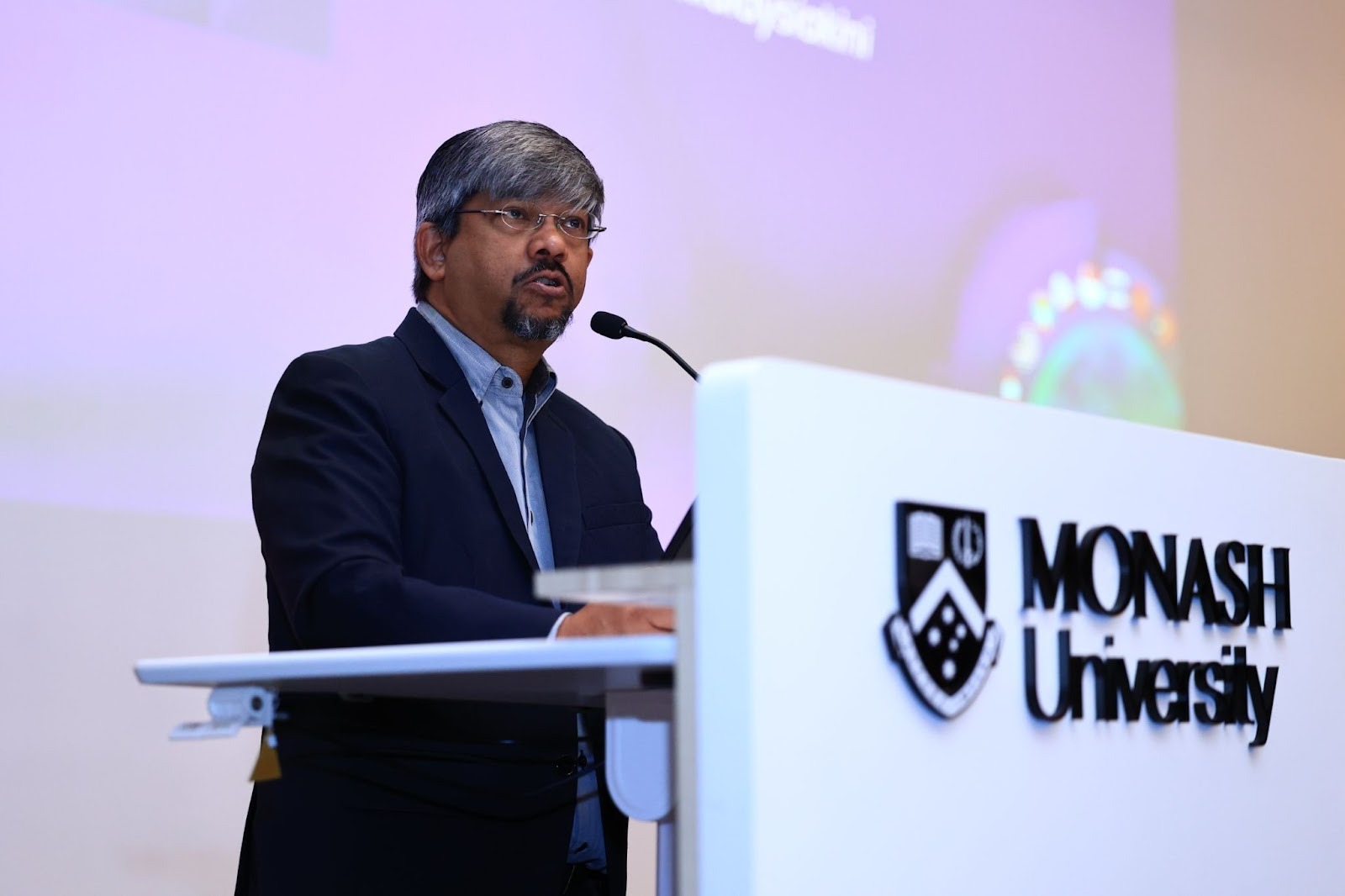
Assoc Prof Yeoh Seng-Guan of Monash University Malaysia then widened the lens, drawing on recent fieldwork in the typhoon-hit Philippines to underscore why ethical, transparent and people-centred development matters. Southeast Asia’s diversity, he said, is a strength – but only if youth remain alert to the social and environmental realities that will define the region’s future.
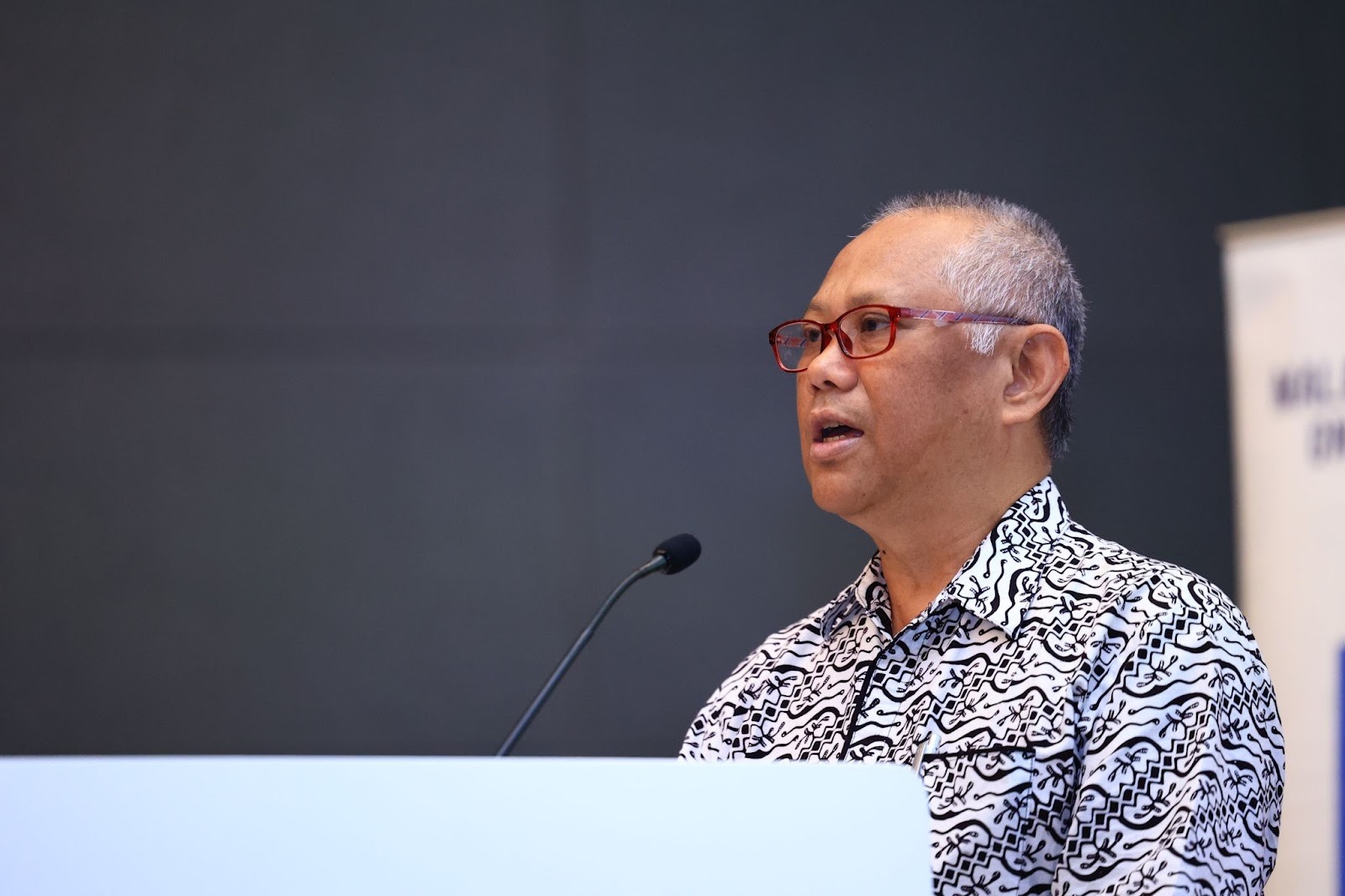
A call to boldness: HE Rafael Daerr on youth as regional actors
From the EU Delegation, His Excellency Rafael Daerr placed the summit within a broader arc of EU–ASEAN cooperation. What began as a pandemic-era youth parliamentary series, he noted, has now evolved into a physical regional platform aligned with Malaysia’s ASEAN Chairship – a sign of how youth engagement has matured since 2022. Team Europe’s participation, including representatives from Sweden, Germany and France, underscored the EU’s commitment to supporting ASEAN’s next generation.
Daerr emphasised that “next-gen disruptors” is more than a theme. It is a reminder that youth are actors, not observers, in shaping policy and regional direction. Technology, climate pressures and geopolitical shifts are accelerating quickly, and ASEAN’s young leaders must pair bold ideas with listening, substance and credibility. Leadership, he said, is built not only on argument but on the willingness to engage, adapt and carry good ideas forward – whether or not they originated with you.
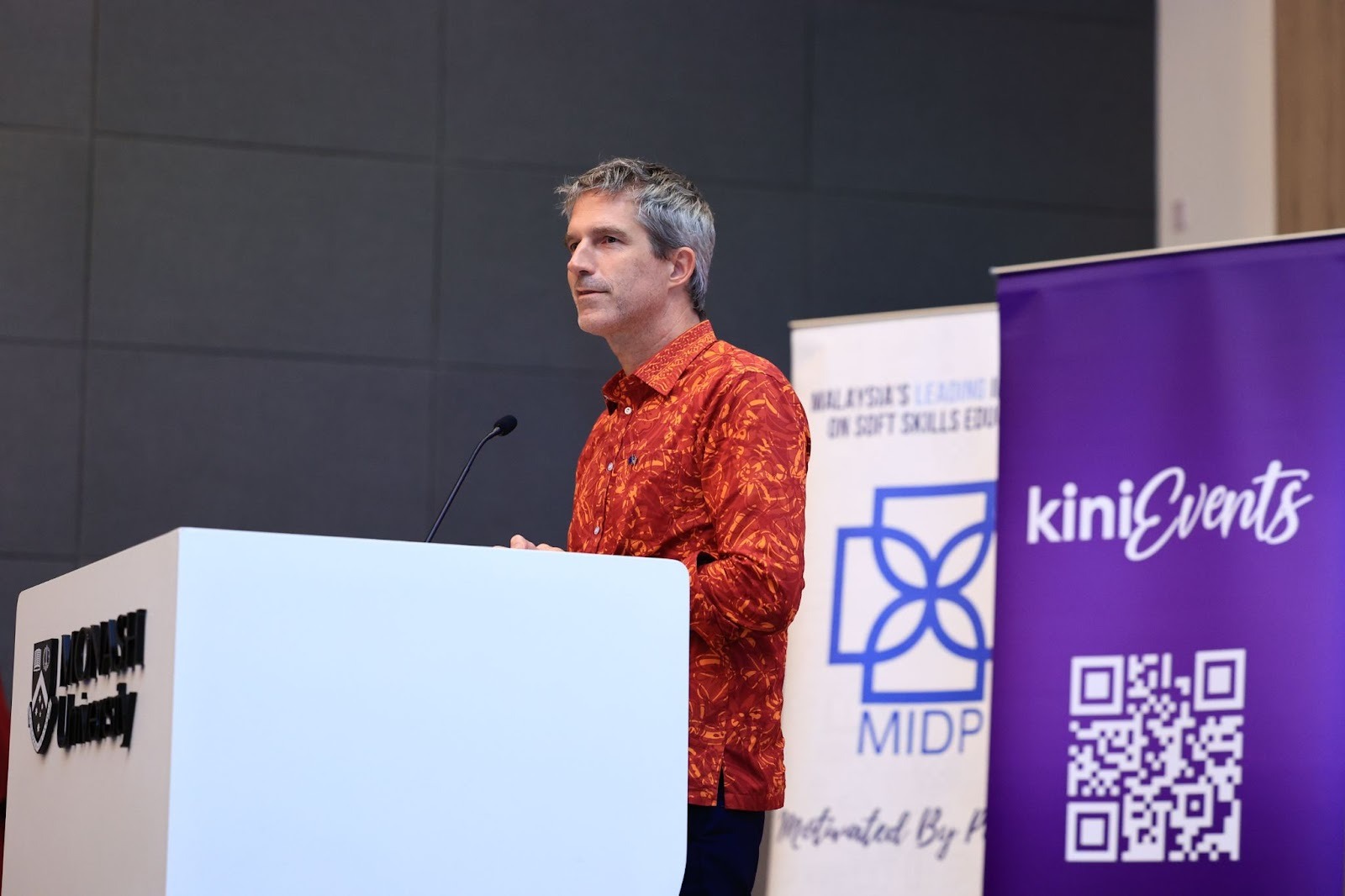
He closed by reaffirming that while ASEAN and the EU differ in structure, their shared values of dialogue, cooperation and sustainability make partnership both natural and necessary. The EU stands ready to advise and collaborate, he said, but it is youth whose perspectives will ultimately guide the region’s future.
Plenary: Celebrating youth entrepreneurship
The morning plenary, “Building the Next Unicorn: Empowering ASEAN Youth to Drive Economic Growth,” brought together four young speakers whose journeys captured the diversity of ambition across the region.
Kaythari Kyaw (Myanmar) opened with a personal milestone: 10 years ago she attended the ASEAN Youth Summit as a delegate; now she returned as a founder of several businesses. Her message was clear – impact begins with identifying what you want to change and having the courage to lead that change. Young people, she said, have a unique window of energy and drive, and using it intentionally can reshape industries and societies alike.
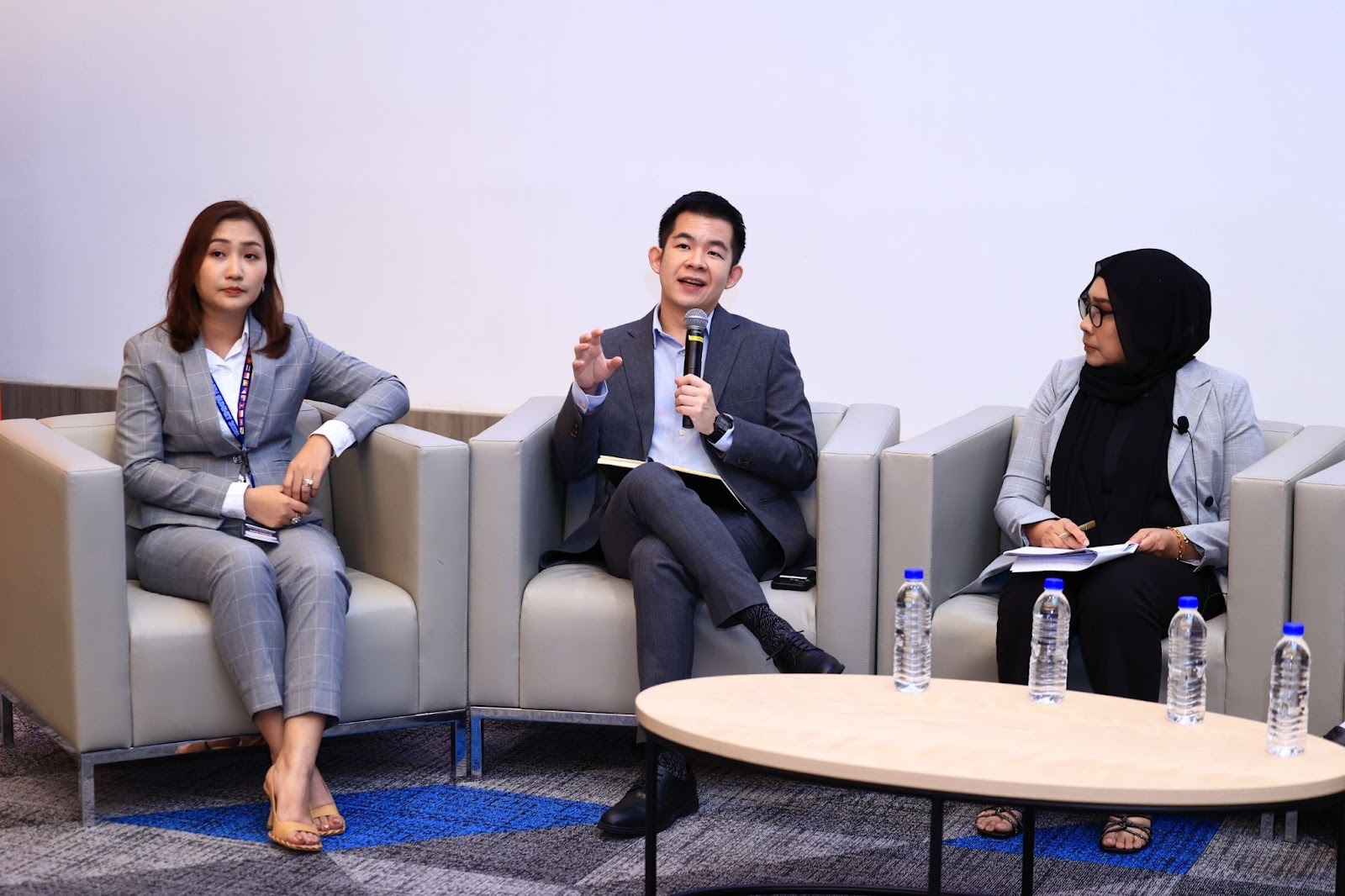
Jason Wee (Malaysia), co-founder of Architects of Diversity, reflected on how early experiences of racial and linguistic divides shaped his mission to build more inclusive communities. AOD’s work, particularly its interfaith initiatives, reminded delegates that meaningful social change requires ecosystems, not lone heroes. Inclusion, he argued, grows when teams experiment, adapt, and stay committed to long-term engagement.
Representing Cambodia, Chen Theary drew on five years of volunteerism to outline the traits she sees in emerging leaders: commitment, productivity, and the ability to create positive impact through consistent action. Through RULErs, a digital platform connecting university students to extracurricular opportunities, she advocates for giving youth real responsibility while mentors guide from the sidelines. Confidence and ownership, she noted, grow when trust is placed in young hands.
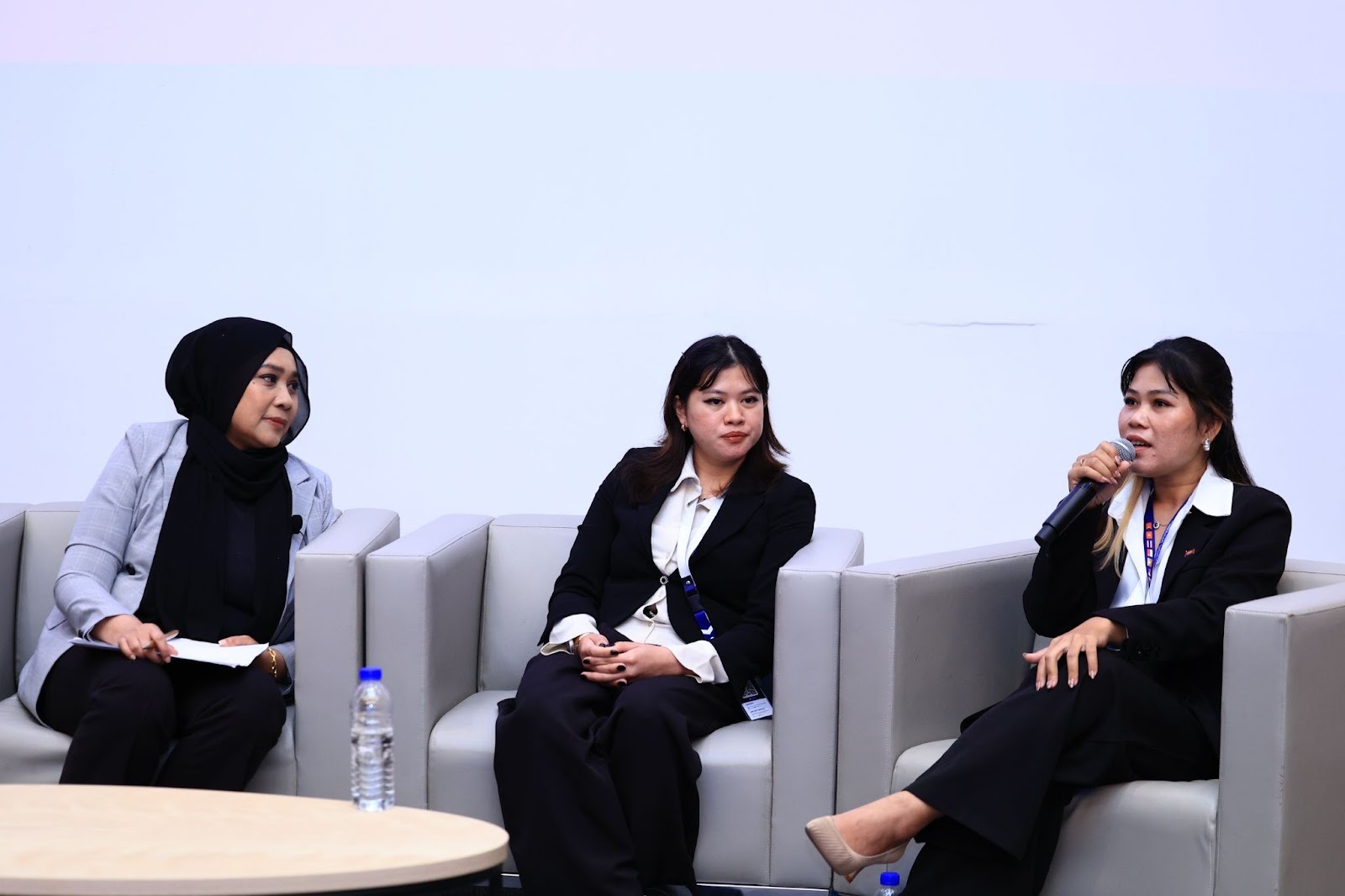
From Brunei, Salni binti Awang Muhd Salazmi offered a grounded entrepreneurial perspective. Her café, Matcha Mura, was born from both personal necessity and a clear market gap – quality matcha was scarce in Brunei. She spoke candidly about capital constraints, supply-chain challenges, and the need to start small before scaling. Entrepreneurship, she said, is less about chasing trends and more about patience, vision and building something that can withstand the long game.
Breakout sessions: Regional perspectives meet industry insight
In the afternoon, the summit moved into four themed breakout tracks: Sustainable Energy, Timber Sustainability, Tech & Innovation, and Healthcare. Here, youth speakers from across ASEAN presented their country's positions on key sectoral challenges and opportunities.
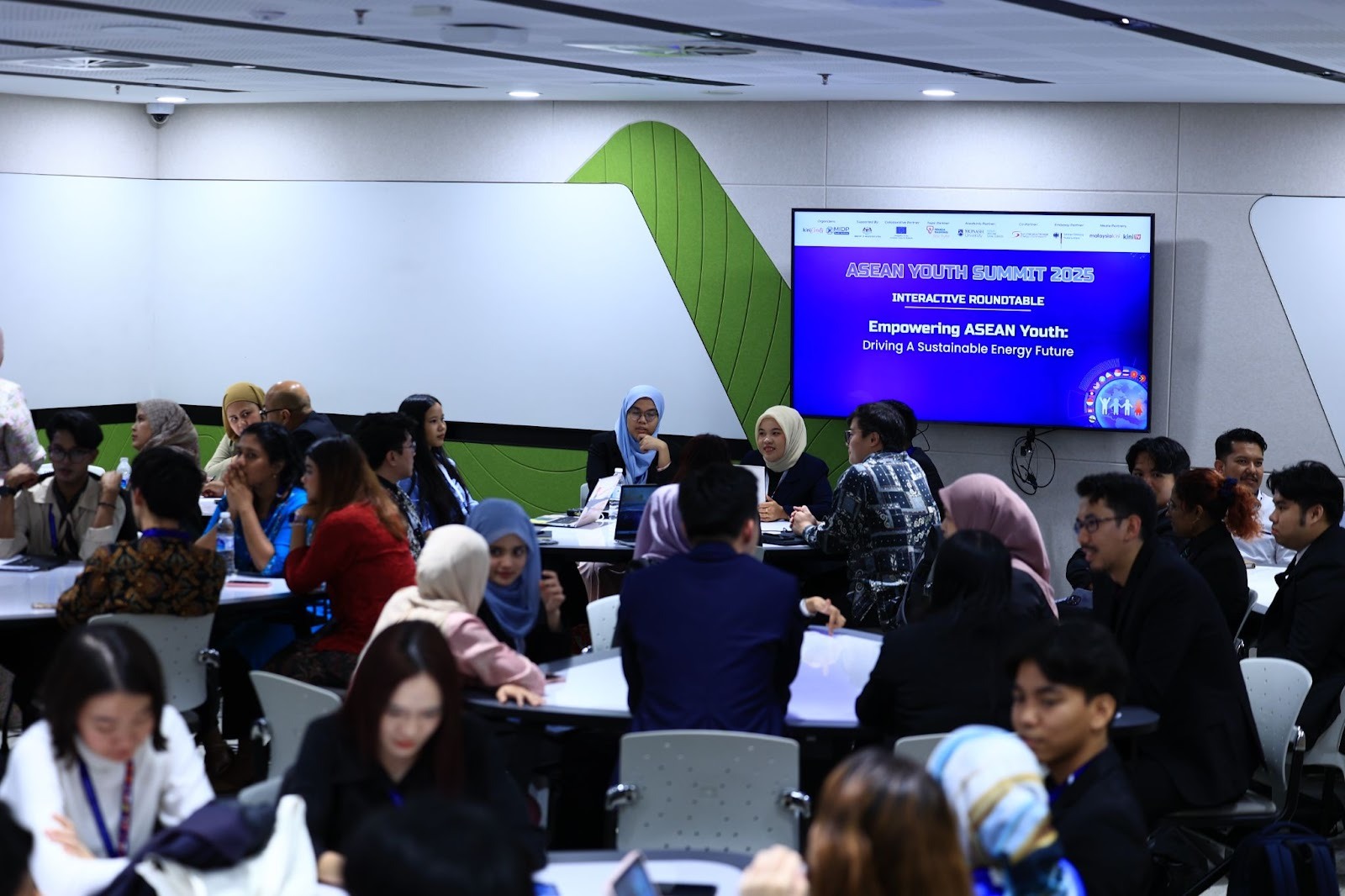
Each presentation was followed by feedback from topic partners and industry or government experts, who grounded the ideas with practical insights and regional context. Delegates were then invited to pose questions, creating a lively exchange between speakers, experts and peers.
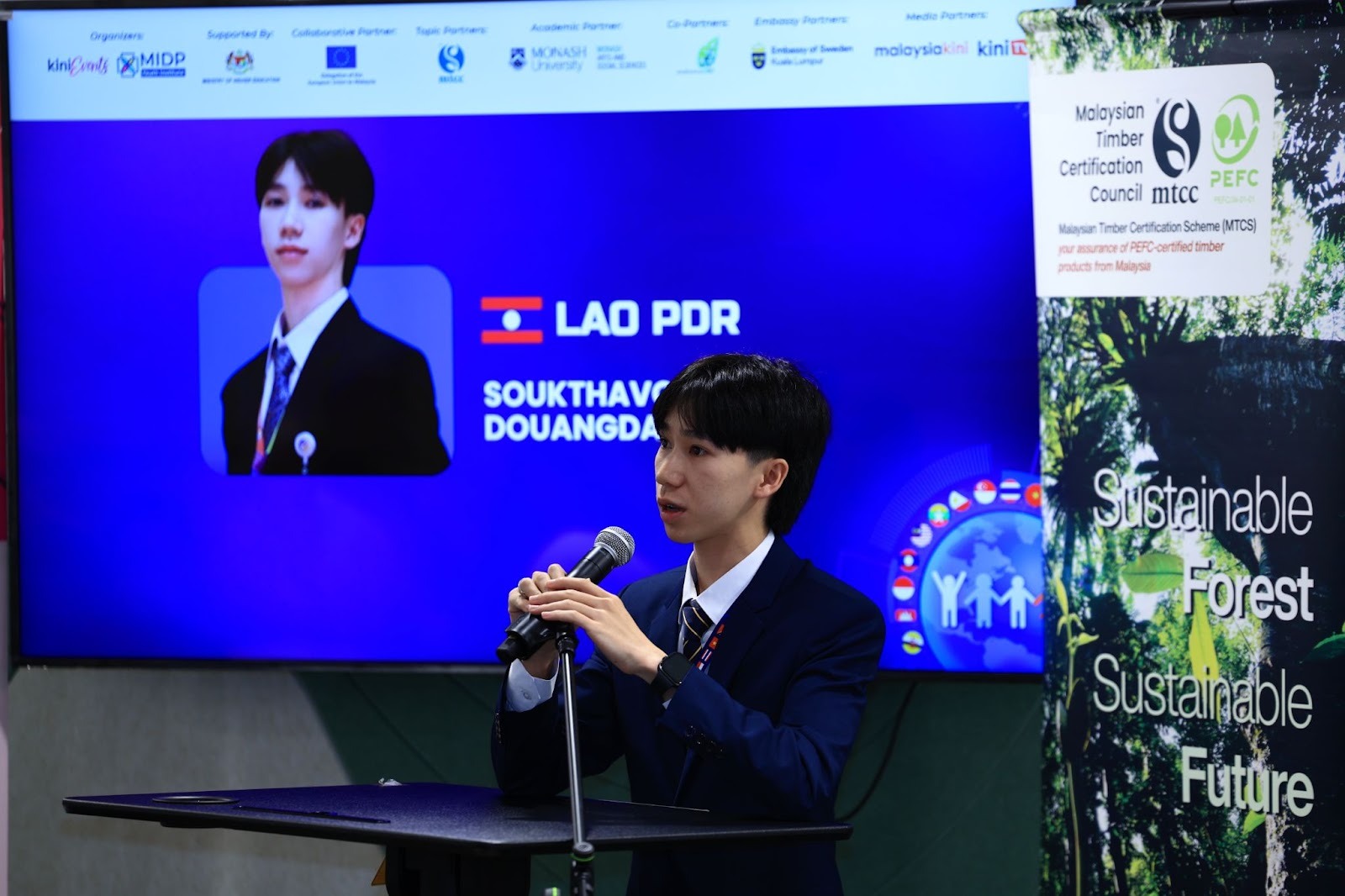
At the end of the sessions, four youth representatives were named best speakers:
Tech & Innovation: Thang Doris Do Thi (Vietnam)
Timber Sustainability: William Bawi Hein (Myanmar)
Sustainable Energy: Kim Sokthea (Cambodia)
Security & Healthcare: Kimberly Roselind (Indonesia)
The great sustainability debate
One of the day’s most anticipated moments came in the Youth Debate, where two teams faced off over the motion: “This house would support a regional carbon border adjustment mechanism (CBAM) in ASEAN.” What could easily have been a dry policy topic unfolded instead as a sharp, high-energy exchange that revealed just how fluently young Southeast Asians are thinking about climate, economics and regional identity.
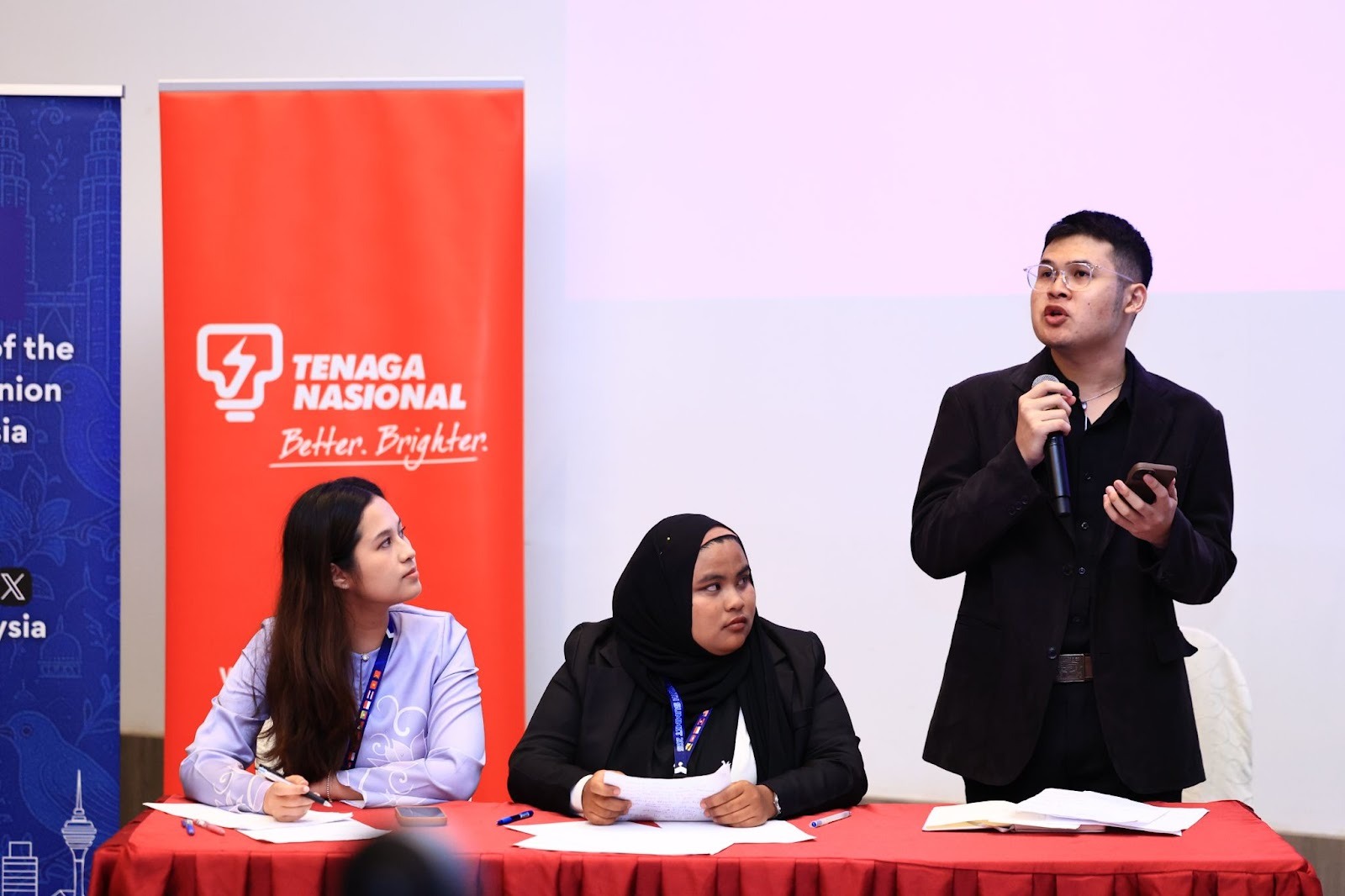
Representing the government bench were Hezron Kowardi (Indonesia), Sansabila Benyakach (Thailand) and Siti Aisyah (Malaysia), who argued that climate impacts across ASEAN demand urgent regional action. A CBAM, they said, would strengthen ASEAN’s competitiveness, align with global markets, and accelerate low-carbon development while allowing flexibility in design and implementation.
On the opposition bench, Jason Kng Wei Liang (Malaysia), Rivaldo Aquino (Philippines) and Nguyen Thi Phuong Anh (Vietnam) countered that ASEAN lacks the institutional architecture needed for such a mechanism, and that raising the cost of carbon-intensive materials could slow development and disadvantage SMEs. They proposed alternative climate approaches better suited to the region’s diverse contexts.
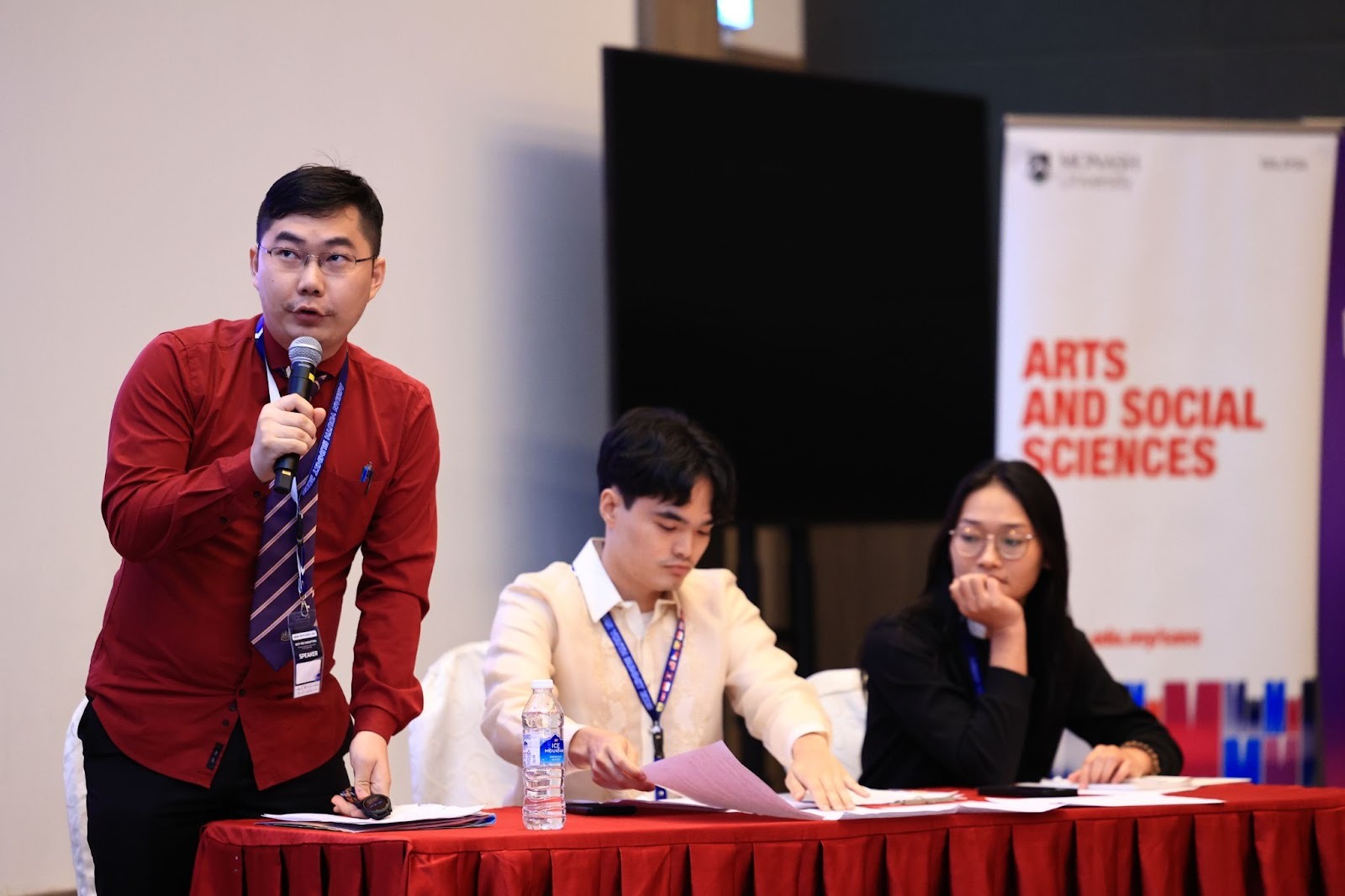
What made the debate riveting was the speed with which it moved beyond broad principles into the mechanics of carbon pricing, SME economics, import dependencies and regional governance. It was a showcase of policy fluency and constructive challenge, the kind of debate that signals a generation already thinking at a high regional level.
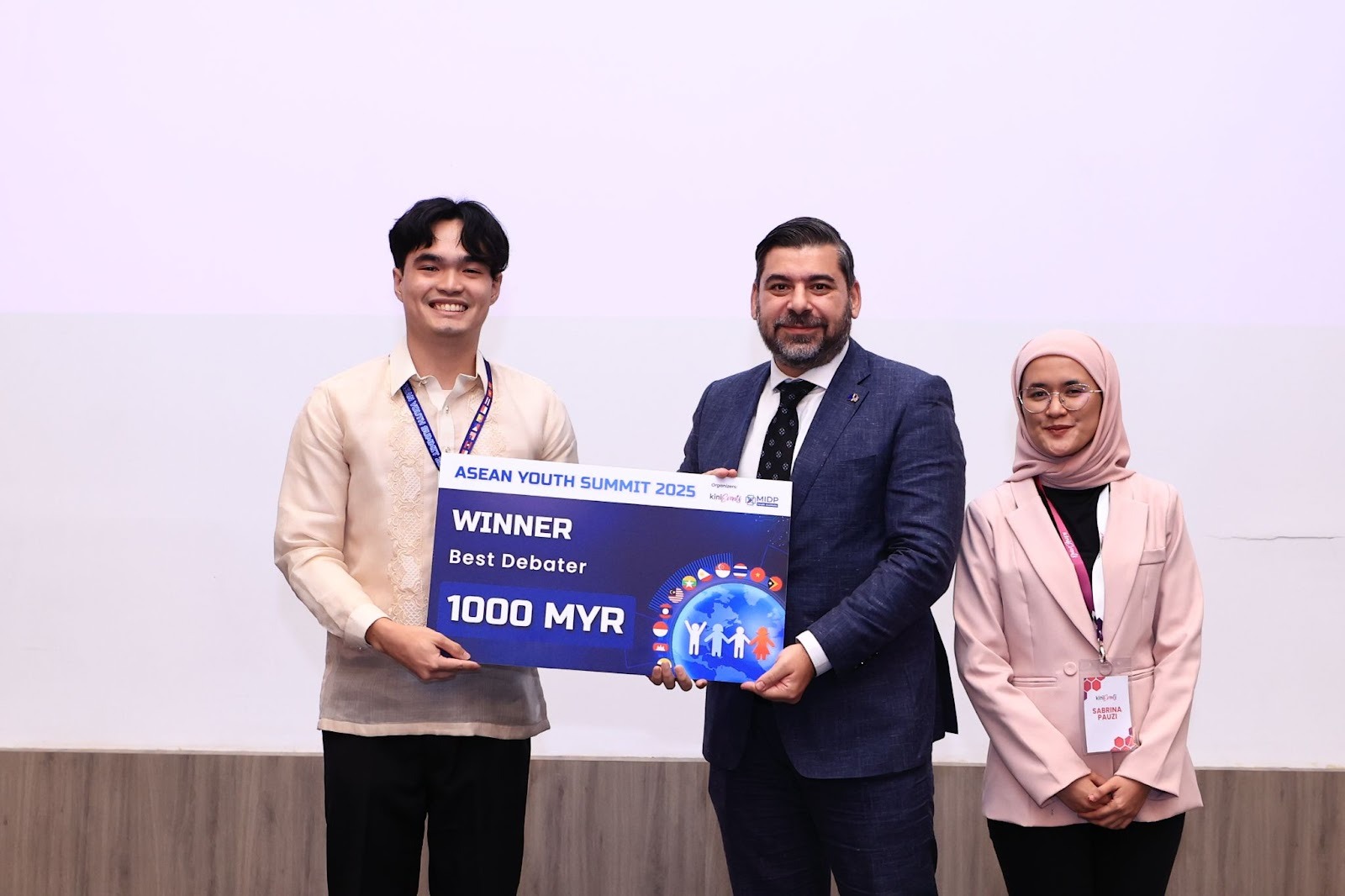
In the end, Rivaldo Aquino of the Philippines was named best debater, earning sustained applause from delegates and judges.
A shared regional momentum
In his closing remarks, Alexandar Melamed, Political and Communications Officer at the Delegation of the European Union to Malaysia, reflected on the breadth of issues raised throughout the day – from inclusivity and mental health to clean energy, digital opportunity, and climate resilience.
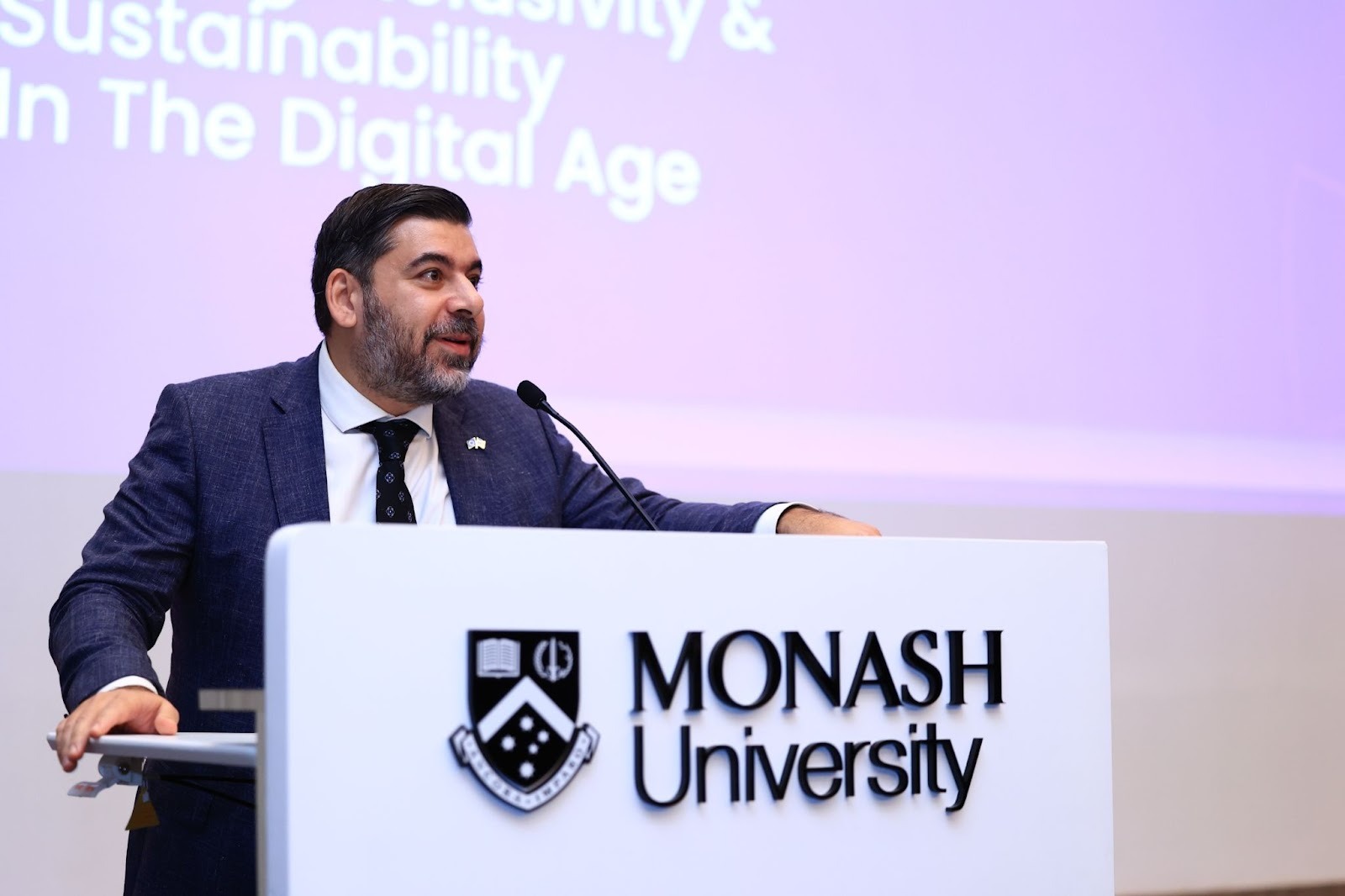
The ASEAN spirit of partnership and dialogue, he said, closely mirrors the way the EU approaches its own deliberations, even as ASEAN charts a distinct path. What matters most, he emphasised, is that youth voices continue to drive the conversation forward.
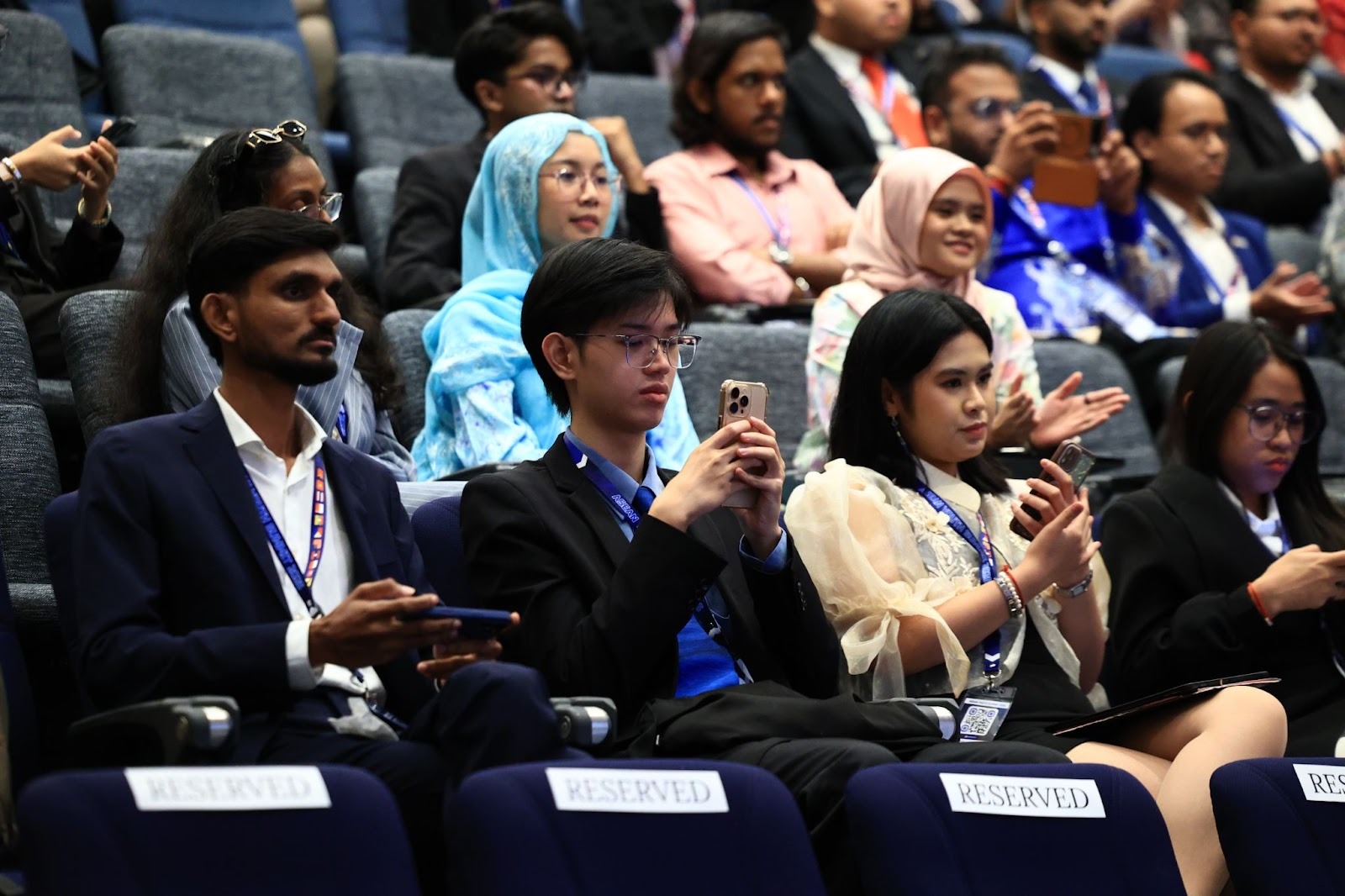
As the summit drew to a close, what lingered wasn’t just the policy ideas or debate points, but the sense of a region-wide community taking shape. Delegates walked out with new friends, sharper questions and a clearer sense of the work ahead. If today was any indication, ASEAN’s next generation is stepping into its role with clarity and intent – ready to test ideas, challenge assumptions and build a future that reflects the region’s shared aspirations.