


/file/publisher-c1a3f893382d2b2f8a9aa22a654d9c97/2026/01/3cf052a0813b1e134982762bb302c736.png)

Stories from the ground: Seberang Perai's rise through local hands
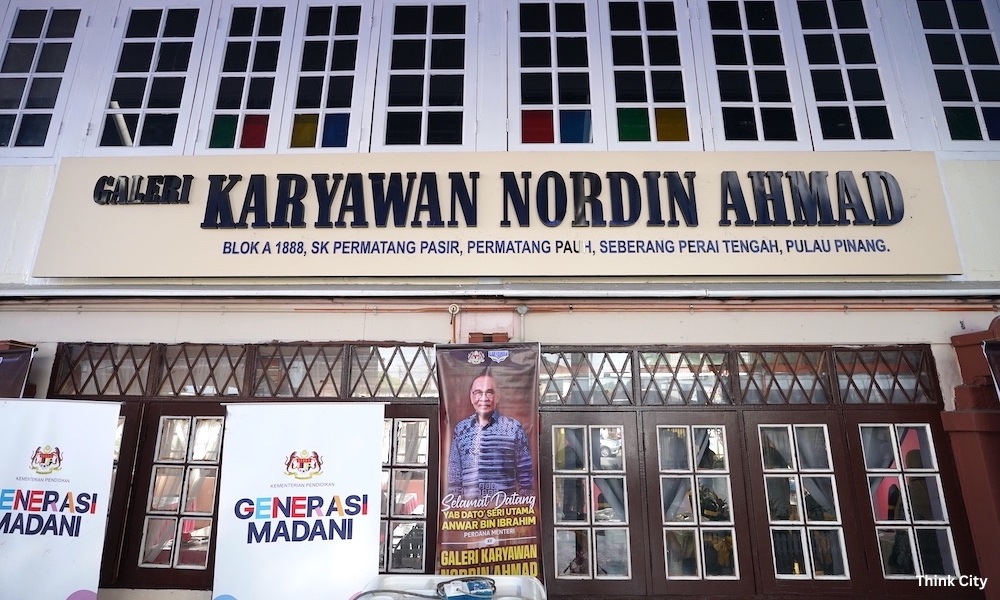
On a quiet morning in Permatang Pauh, Prime Minister Anwar Ibrahim stood in a small gallery dedicated to one of Penang’s cultural greats.
The Nordin Ahmad Gallery occupies a modest block of the historical Sekolah Kebangsaan Permatang Pasir, yet the room feels larger when filled with stories.
He lingered over photographs of the legendary actor – a hometown hero whose unforgettable roles in ‘Semerah Padi’ (1956) and ‘Hang Jebat’ (1961) shaped the golden age of Malay cinema.
For the community, it was a moment of pride. It was also a reminder that Seberang Perai’s strength has always lived in its people and their stories.
From this gallery, the lens widens to the rest of Seberang Perai. Along its coastlines, mangroves, markets, and old towns, the mainland is rediscovering its confidence.
The revival is not driven by megaprojects but by everyday Malaysians seeing their hometowns with fresh eyes. Supported by Think City’s Levelling Up Seberang Perai (LUSP) programme, these local efforts are stitching new possibilities into the region’s fabric.
The programme was designed to lift the mainland in ways that reflect the Madani vision of shared prosperity and regional balance – and, more importantly, to let residents lead.
The result is a quiet transformation taking root in creative spaces, digital platforms for artisans, ecological stewardship, and a growing sense that Seberang Perai’s story is entering a new chapter.

And this chapter begins with its people.
Amir Amin: A creative spark from the north
Amir Amin Abdul Halim was born in Penaga, a quiet coastal town in Seberang Perai where fishermen dock at dawn and traders fill the Thursday and Sunday markets.
It’s the kind of place where everyone knows everyone, and creativity shows up in small, unassuming ways – in a carved signboard, a handmade kite, a freshly painted fishing boat.
That spirit of everyday artistry is what Amir, 35, wants to celebrate and sustain through KaryaSpot.com, a new online platform connecting local creatives with clients and fair-paying opportunities.

“There’s so much talent here, but it often goes unseen,” he said. “I’ve seen designers charge RM50 for a logo. We can do better than that.”
KaryaSpot’s mission is simple: to make creative work visible, valued, and fairly rewarded. Clients can post briefs – a mural, a packaging design, a handmade product – and local artists can submit proposals.
Payments are handled through the platform to prevent unpaid jobs, and instead of taking commissions from artists, KaryaSpot earns from advertising projects.
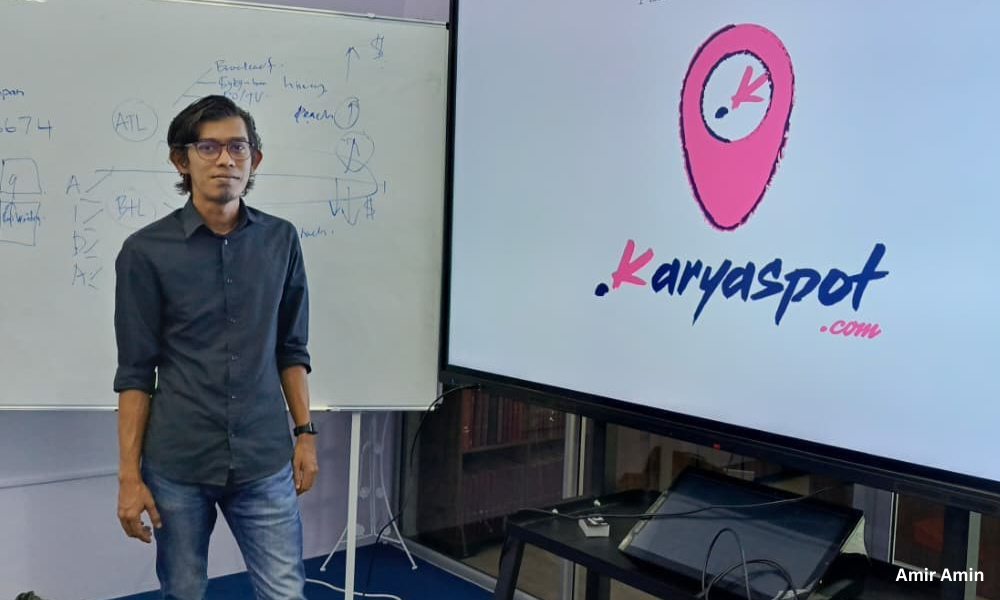
So far, Amir and his small team have collected data from 50 to 70 creatives across Seberang Perai – muralists, designers, craft makers, and traditional artisans – forming the foundation of a local creative directory. “That’s just the start,” he quipped enthusiastically. “We want to show that Seberang Perai has its own creative pulse.”
The project received a Small Towns Grant from Think City, which Amir described as “a real partnership”. Beyond funding, Think City has helped his team connect with grassroots networks and refine their outreach strategy.
“They gave us the push and perspective we needed,” he said. “It’s not just about launching a platform; we’re nurturing a community.”
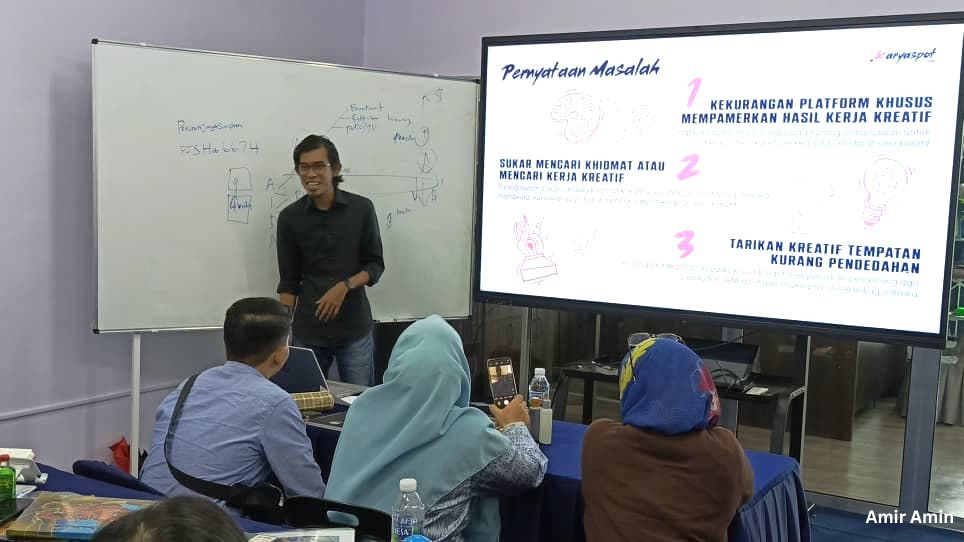
KaryaSpot was launched in December, with pre-launch activities including pop-up booths to register more artisans and tutorial videos for those new to online platforms, especially older craftspeople like wau makers and keris carvers. “They have incredible skills but little digital access,” Amir said. “We want them to feel included.”
Dr Mohd Zulhafiz Said: Mapping Seberang Perai’s hidden stories
For Universiti Putra Malaysia (UPM) academic Dr Mohd Zulhafiz Said, every road in Seberang Perai leads to a story. Some are whispered through the rustle of mangroves, others in the laughter of market vendors or the quiet pride of a homestay owner by the river.
His latest project, “The Hidden Gem: Eco and Heritage Destinations of Seberang Perai”, is his way of ensuring those stories aren’t forgotten, and of quite literally putting them on the map.
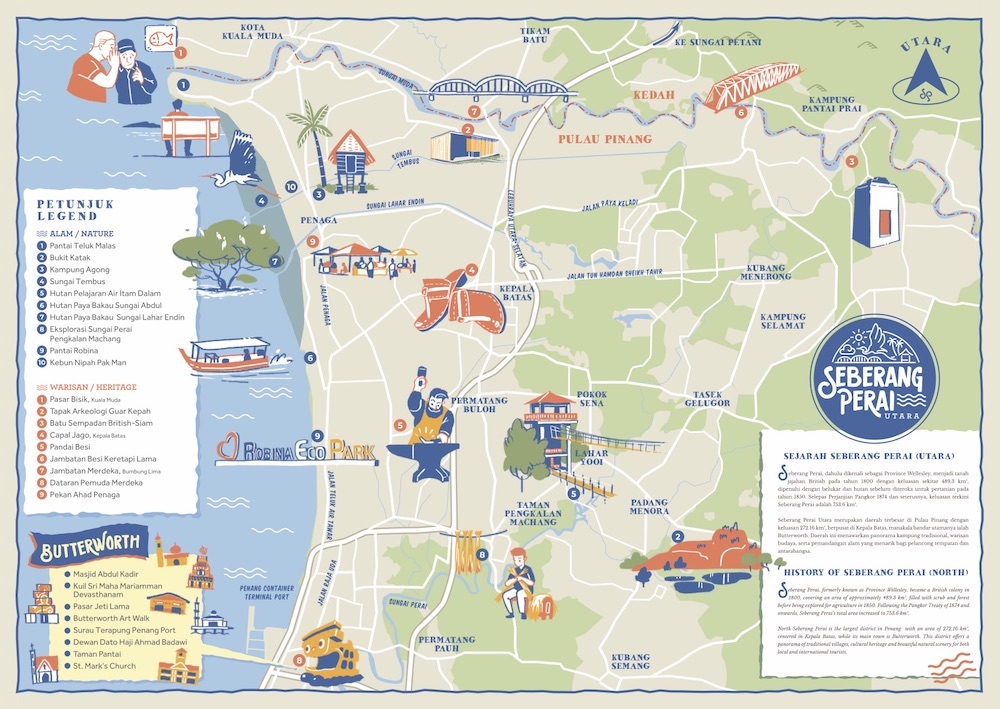
Funded by Think City under the LUSP programme, the project set out to uncover lesser-known destinations across Seberang Perai Utara, Tengah, and Selatan.
Rather than produce another glossy brochure, Zulhafiz, 40, and his small team have built three interactive maps – eco, heritage, and culinary – designed to evolve long after launch.
Launched on Nov 13 in Penang and 22 in Butterworth, the map will live primarily online, allowing local guides, communities, and the Seberang Perai City Council (MBSP) to add new discoveries over time.
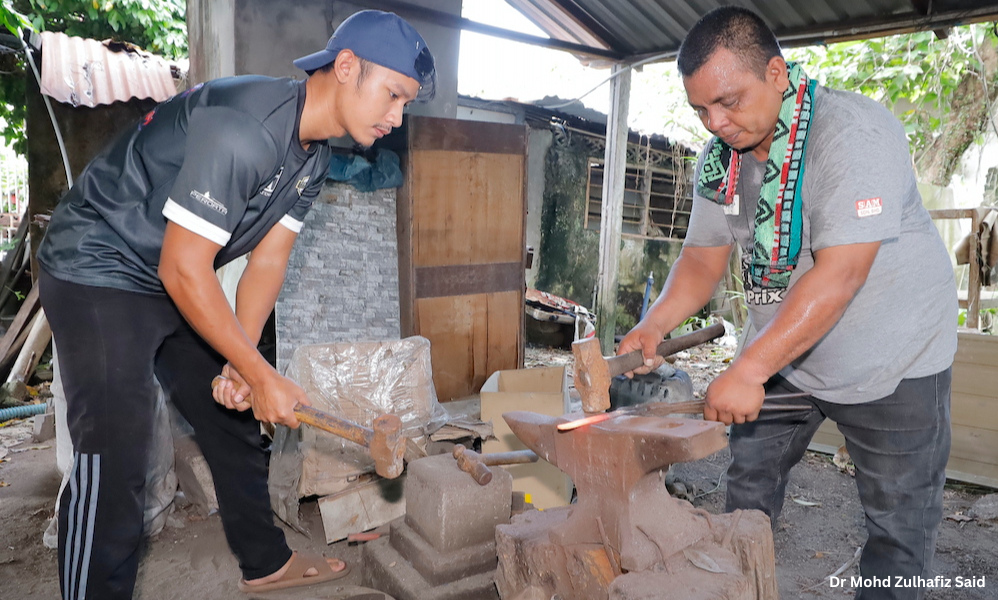
“We can empower local guides and the municipality to update the map,” he explained. “It’s not just photos; many icons are hand-drawn to reflect the character of each place.”
This is Zulhafiz’s second Think City grant – his first produced an eco-heritage map of Batu Kurau – and he credits the organisation not just for financial support but for mentorship.
“They organise trainings in content creation, photography, even environmental programmes,” he said. “That kind of guidance matters.”
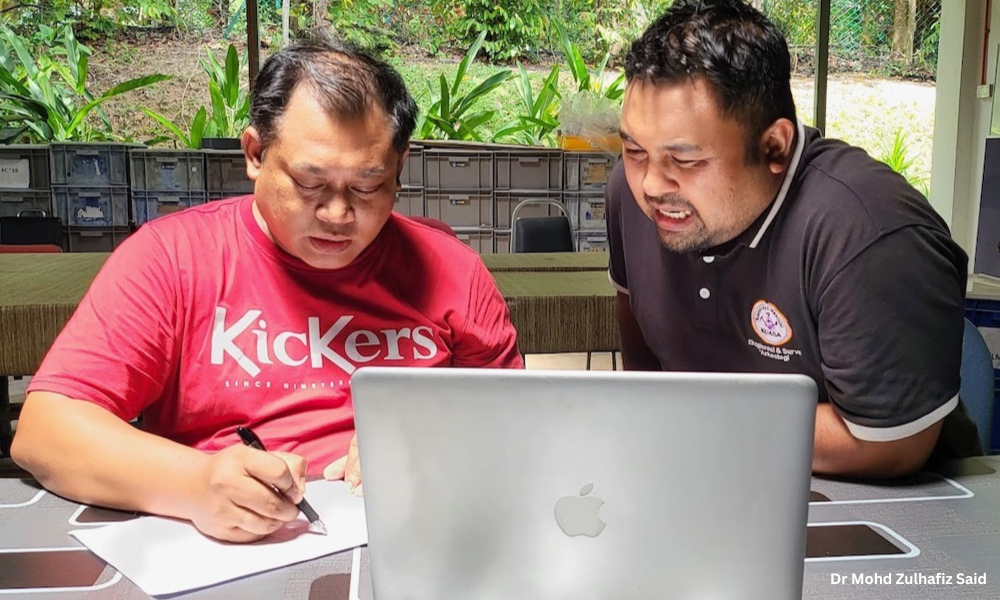
The team itself is a multidisciplinary mix – colleagues from UPM, Universiti Kebangsaan Malaysia, Universiti Sains Malaysia, and a Penang-based travel writer – who’ve spent months on the ground photographing, flying drones, interviewing locals, and verifying stories. But it’s the curation that makes the maps stand out.
“We try not to feature only the already-famous places,” Zulhafiz said. “We prioritise hidden spots, adding a few anchors like Kampung Agong in Penaga to create natural itineraries around them.”
The goal, he explains, is knowledge tourism – where guides don’t just point to a scenic view but tell the story behind it. When visitors come for meaning rather than selfies, entire communities benefit: homestay owners, small eateries, boat operators, craft makers, and glamping sites all find their place in the ecosystem.
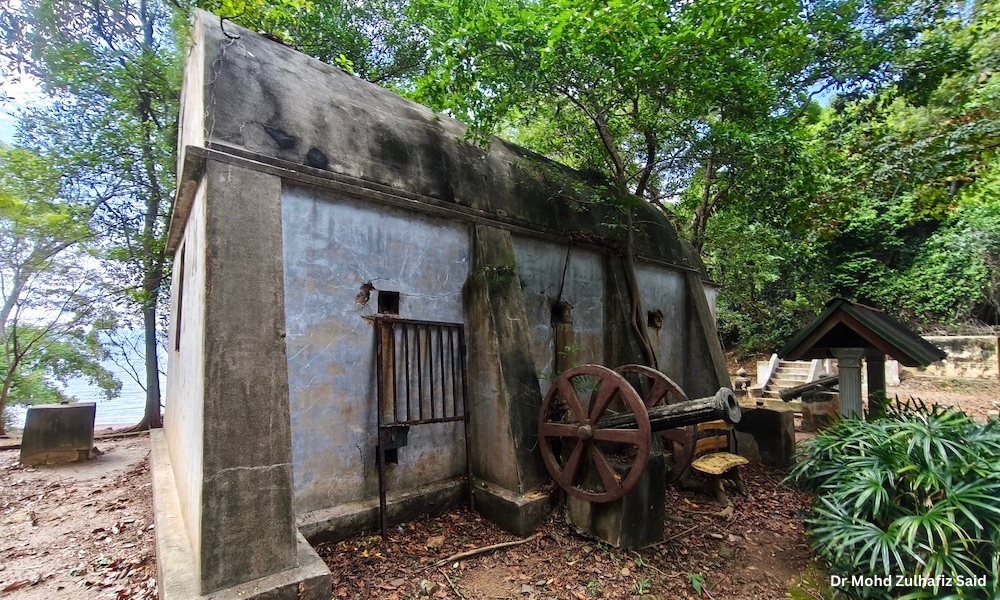
“Penang Island has instant draws, but Seberang Perai invites slower discovery,” Zulhafiz said. He points to Pulau Aman as proof: “Before, people went for lunch and left. Now families stay overnight, they fish, they explore.”
Malaysian Nature Society Penang branch: Guardians of the Flyway
For decades, the Malaysian Nature Society (MNS) Penang branch has been the quiet guardian of Penang’s wild side – its mangroves, its mudflats, and the skies above them.
Now, through Think City’s LUSP programme, the society is focusing its energy on one of Malaysia’s most important ecological frontiers: the Teluk Air Tawar–Kuala Muda (TAT-KM) coastline.
The project, officially titled “Pemerkasaan Komuniti Tempatan Untuk Pembangunan Eko-Pelancongan Yang Mampan di Seberang Perai Utara” (Empowering Local Communities for Sustainable Ecotourism Development in Seberang Perai North), spans the roughly 10km coastal stretch from Kuala Muda to Teluk Air Tawar.
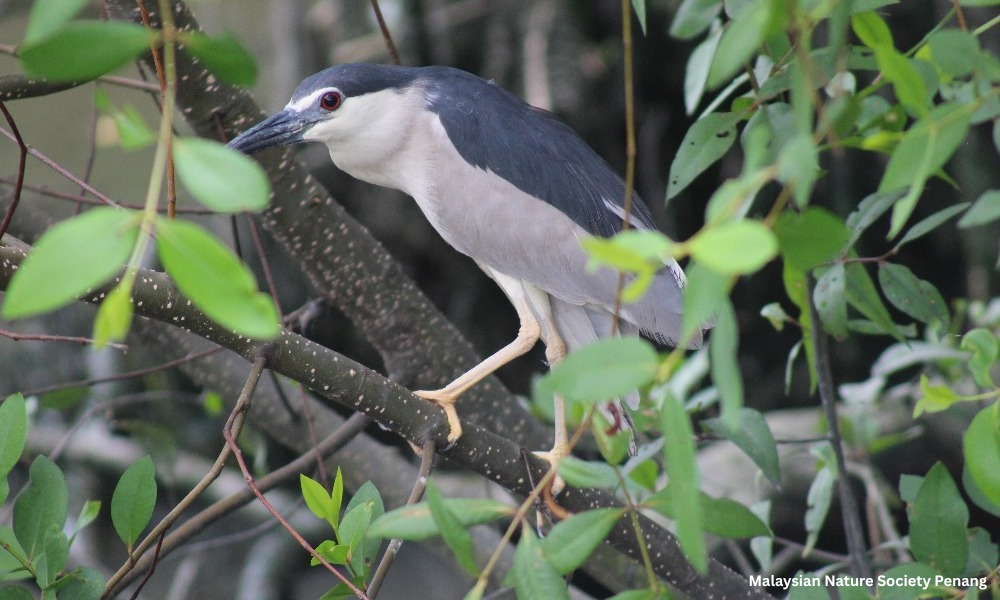
It sits along the East Asia-Australasia Flyway, one of the world’s great migratory routes linking the Arctic to the southern hemisphere. Every year, some 15,000 migratory birds – nearly 200 species – touch down here to rest and feed. Many are endangered; all depend on the health of the mangrove ecosystem.
“These mangroves are a lifeline,” said Kanda Kumar, an honorary member of MNS Penang who has spent years leading bird-watching tours and conservation drives. “When we protect them, we’re safeguarding not just the birds but the web of life that sustains local communities.”

MNS’s connection to TAT-KM runs deep. For more than two decades, its volunteers have carried out bird counts, clean-ups, and community workshops – slowly building the scientific data needed to advocate for protection.
Their persistence paid off in 2022, when half of the area was gazetted as a Permanently Protected Forest – a major win born of patience, evidence, and collaboration. Two subsequent proposals to convert parts of the coast into aquaculture ponds were rejected, bolstered by MNS’s data-driven advocacy.
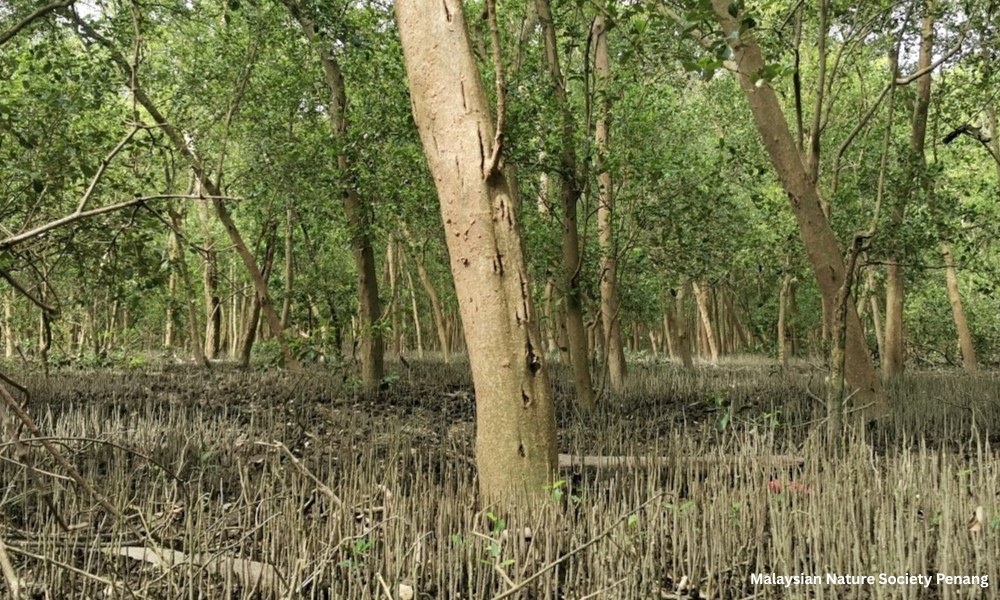
With Think City’s support, society is now shifting from protection to participation. The goal is to turn conservation into a community-driven eco-tourism model that benefits local fisherfolk.
“Eco-tourism can diversify incomes,” Kanda explained. “Fishermen can earn from guiding, boat rides, or homestays, while their families take part in crafts or hospitality. It’s about creating opportunities without compromising nature.”
The initiative focuses on readiness – training, awareness, and participation. Many in the fishing community have embraced the effort, recognising that healthy mangroves mean healthy fish stocks. The preserved mudflats not only sustain their livelihoods but also invite a future of responsible tourism.
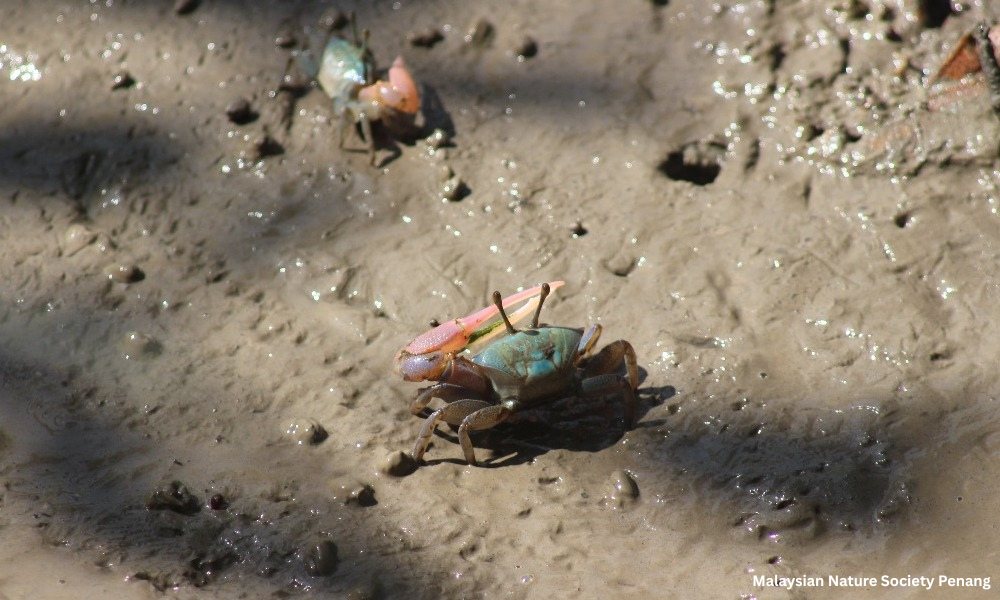
Think City’s role, Kanda noted, goes well beyond funding. “They amplify awareness through their networks and help connect us with partners, researchers, and even CSR programmes from companies in Penang,” he said. “That kind of ecosystem support is what makes conservation sustainable.”
From the ground up
Whether it’s Amir building bridges for creatives, Zulhafiz charting hidden histories, or MNS Penang restoring wetlands, each of these efforts shares a simple conviction – that the people who live in a place are best positioned to renew it.
That belief sits at the heart of LUSP. Over the past year, Think City has reached more than 2,500 engagement touchpoints through surveys, town halls, and community workshops.
Instead of prescribing one-size-fits-all solutions, the team listened first – identifying what residents truly needed and what strengths already existed in their towns.
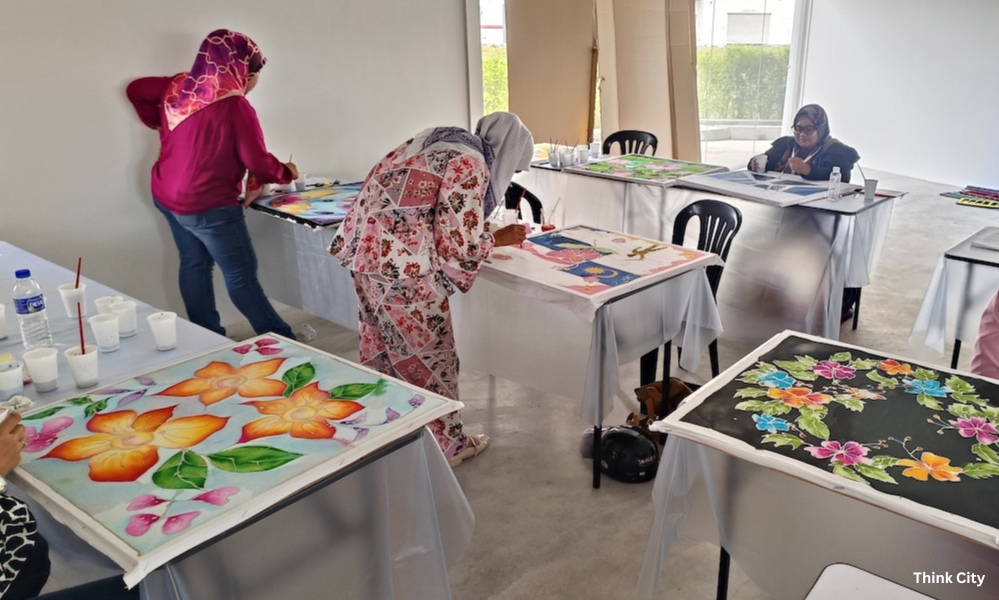
From those conversations came 65 funded projects under the Seberang Perai Small Towns Grants programme, each tailored to local realities – from eco-tourism and creative hubs to food security and digital inclusion.
The goal wasn’t to roll out quick wins but to build local ownership that lasts. The three featured efforts are only a snapshot of the momentum building.
These projects show that when development grows from the ground up, it strengthens identity as much as it strengthens livelihoods. It honours heritage, nurtures innovation, and rebuilds confidence in towns that once felt overlooked.
Think City calls this the 4D approach – Diagnose, Design, Deliver, Demonstrate. Diagnose means listening and gathering data; Design means co-creating ideas with residents; Deliver means working hand in hand to make them real; and Demonstrate means sharing what works so others can learn.
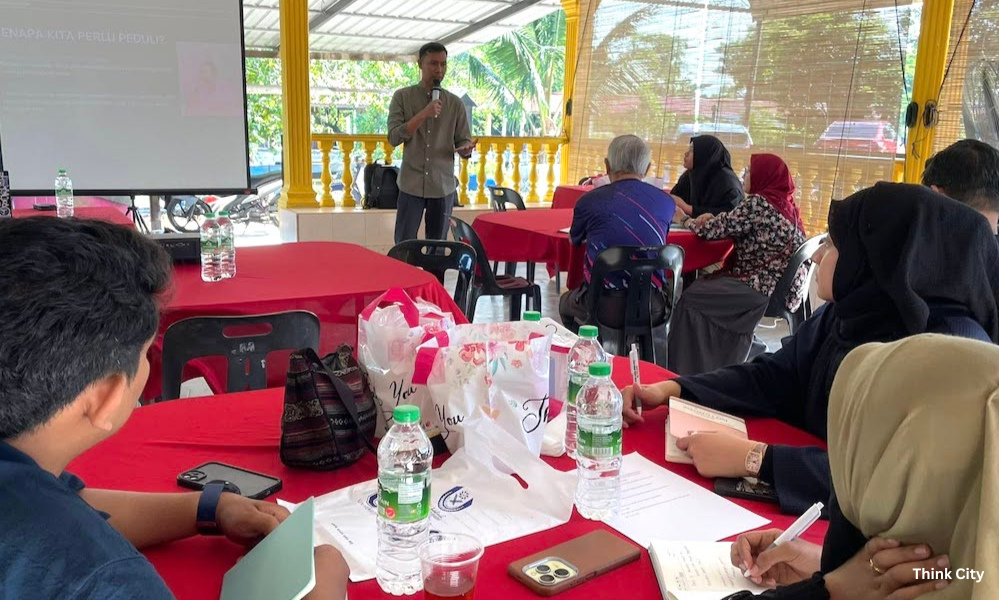
A place leading its own way
For investors and policymakers, it’s proof that local ownership can turn national goals into everyday action. For residents, it’s validation that their ideas matter and that development can reflect who they are.
Seberang Perai is now moving with renewed energy. The stories gathered in this first phase point to a region ready for more connected growth. Residents want better mobility, easier access to nature, stronger cultural anchors, and opportunities that match their aspirations.

These insights show why Phase 2 is timely – and necessary. The next chapter will focus on the Northern Coast, river-based eco precincts, and the connections that link towns, communities, and ecosystems.
The work ahead is larger in scale but anchored in the same principle: development must remain people-centred. With the groundwork from Phase 1 taking root, Seberang Perai is poised to steer its own future – built on pride, partnership, and a renewed sense of possibility.
Learn more about Levelling Up Seberang Perai and be part of its next chapter.


