


/file/publisher-c1a3f893382d2b2f8a9aa22a654d9c97/2026/01/a2ac3a3de3f143fef285aae123c2aee1.jpg)

FGV in 2025: A new chapter of purpose, trust and nation-building
Periods of structural change often reveal an organisation’s true priorities. For FGV Holdings Bhd (FGV), 2025 marked such a moment. Following its delisting from Bursa Malaysia, the group entered a new chapter as a private entity wholly owned by the Federal Land Development Authority (FELDA), guided by a clearer mandate to deliver long-term value through sustainability, innovation and shared prosperity, while remaining firmly anchored in nation-building.
Rather than disruption, the year became a strategic inflection point as FGV strengthened operational foundations, accelerated digital traceability and renewableenergy initiatives, enhanced governance standards and continued uplifting FELDA settlers and smallholders across its value chain.
As a FELDA-owned enterprise, FGV’s role extends beyond commercial performance, managing a diversified portfolio across plantations, downstream processing, logistics, renewable energy, consumer brands and digital solutions, while continuing to uplift rural communities and improve livelihoods for FELDA settlers and smallholders at the heart of its mission.
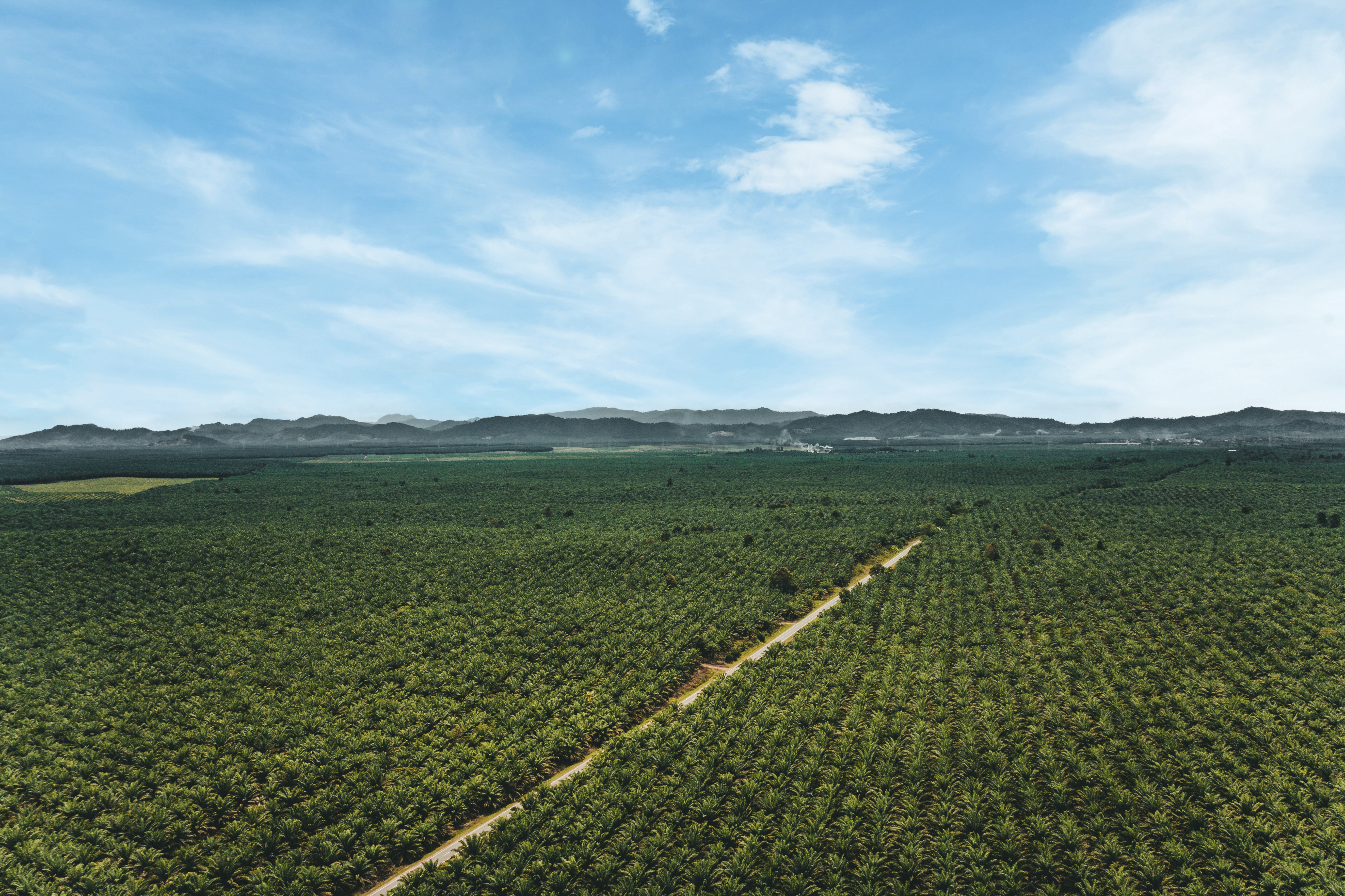
2025 at a glance: Key milestones that shaped the year
Several defining achievements underscored FGV’s progress. The group advanced industryleading digital traceability, expanded renewableenergy and circulareconomy solutions, and reinforced labour governance amid rising global expectations.
Despite external challenges — including international supplychain scrutiny and domestic asset related claims — FGV maintained operational stability and stakeholder commitments.
At the community level, the group continued translating its performance into meaningful socioeconomic contributions through education support, zakat allocations and structured smallholder programmes.
Building the next five years: How 2025 set the foundation for long-term growth
The initiatives executed in 2025 collectively shaped the foundation of FGV’s longterm growth strategy.
Guided by a deliberate shift from shortterm optimisation to longterm value creation, the group’s next phase will revolve around three interconnected pillars: renewable energy and the circular economy; digitalisation, automation and datadriven operations; and disciplined governance to ensure operational resilience.
Together, these pillars position FGV to remain competitive in an increasingly regulated and sustainability focused global market.
Renewable energy and the circular economy: Turning waste into value
A cornerstone of FGV’s long-term strategy lies in unlocking value from the circular economy. Today, the group operates two biomass power plants and 24 biogas plants, forming the backbone of a diversified renewable energy portfolio spanning biogas, biomass, biomethane, solar and certified biofuels.
During the year, FGV progressed efforts to increase biomethane capture, converting biogas into biopower and biofuel applications that support both energy security and commercial viability. Beyond energy generation, the group optimised the wide range of biomass produced across the oil palm supply chain for multiple uses and applications.
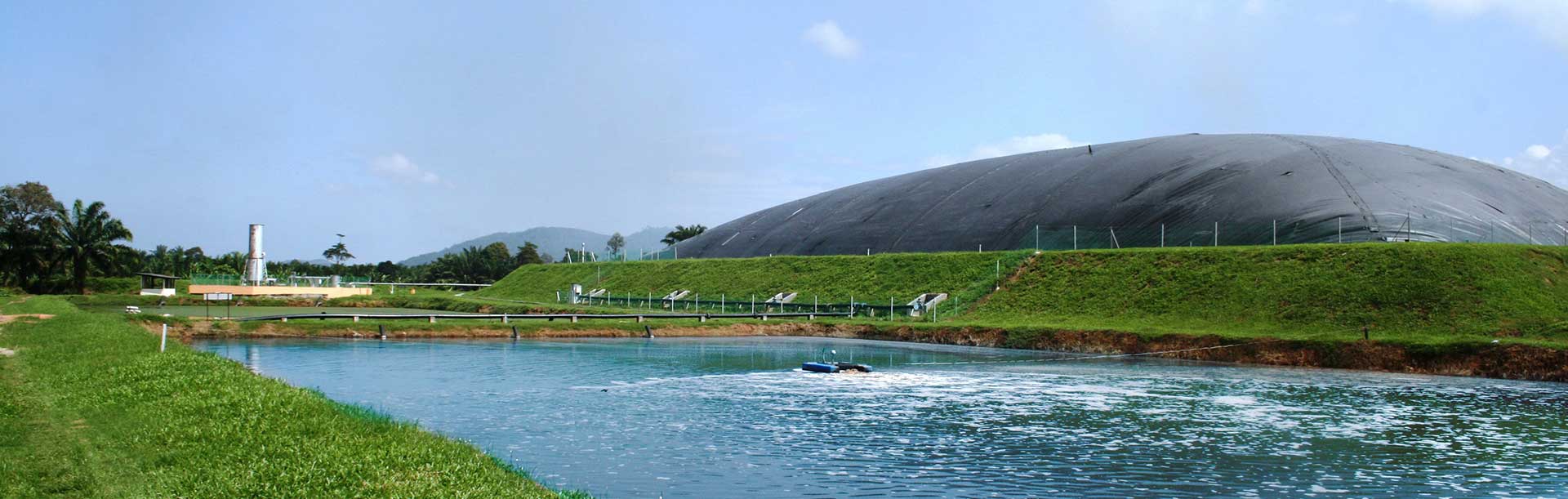
Critically, logistics and operational parameters, including processing efficiency, transport and scale, are carefully managed to ensure profitability. From a sustainability perspective, these initiatives reduce environmental risks such as leachate contamination and contribute to lower greenhouse gas emissions, aligning with FGV’s net zero commitments.
Digitalisation, automation and data: From traceability to decision-making
Digitalisation was another defining theme of 2025, with initiatives that now underpin FGV’s next phase of growth. Across plantation and downstream operations, the group accelerated the deployment of automation, digital platforms and data-driven systems, anchored by FGV Traceability of Products (FGVTOP) and ProWeigher. Together, these initiatives establish a practical foundation for more productive, transparent and resilient operations over the next five years.
At the estate level, estate optimisation and precision agriculture initiatives are being rolled out to lift yields and resource efficiency without expanding land use. These are reinforced by digital fruit grading and traceability systems, improving transparency, strengthening data integrity across procurement and milling operations, and ensuring fair, consistent payments to smallholders.
FGVTOP incorporates advanced capabilities including blockchain, enabling secure data integrity, deforestation risk assessment and end-to-end “soil-to-spoon” traceability. Supported by end-to-end data integration linking estates, mills, logistics and downstream operations, FGV is moving beyond isolated improvements towards supply-chain-wide visibility, predictive planning and faster, more informed decision-making.
Operational discipline as the platform for innovation
For FGV, operational discipline and innovation are not competing priorities but complementary strengths. Standardisation, performance management, continuous improvement and energy optimisation have reinforced FGV’s baseline productivity and cost discipline.
This foundation allows innovation — whether in plantation science, agritech solutions or downstream product development — to be deployed with purpose and scale.
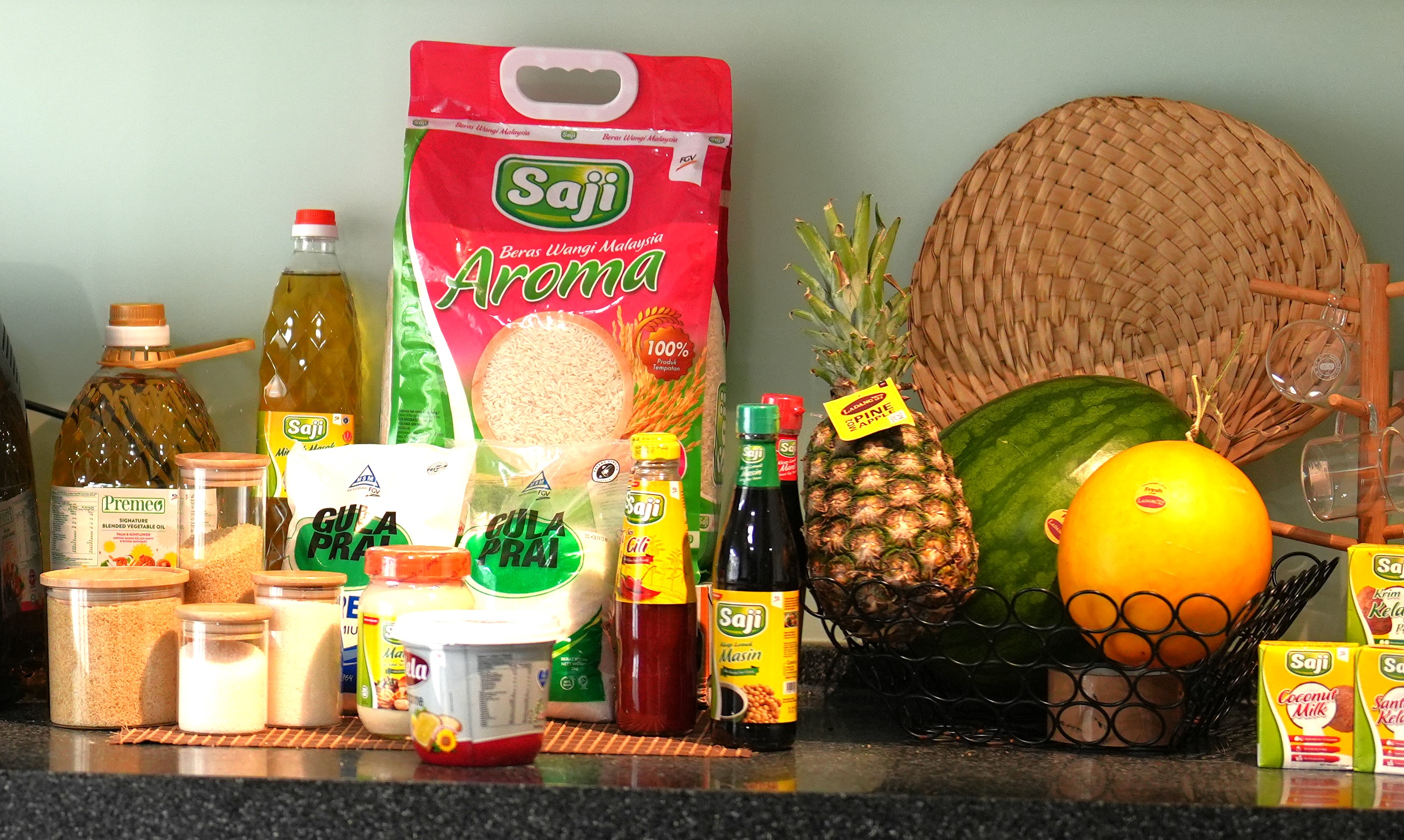
Complementing this, the FGV Innovation Centre in Bandar Baru Enstek continues to broaden value creation across the business — from advancements in plantation science, including seedlings, fertiliser technologies and agritech solutions, to innovation that strengthens the group’s downstream and consumer product portfolios. FGV brands such as ADELA, PREMEO and particularly SAJI, which have demonstrated consistent performance over two decades in the market, are continually enhanced to remain the choice in Malaysian kitchens and uphold their positioning as the nation’s trusted “Malaysian Culinary Companion”.
Strengthening trust amid global and domestic scrutiny
In 2025, trust and credibility were tested across multiple fronts and deliberately reinforced. Rather than reacting defensively to heightened scrutiny, FGV approached each challenge as an opportunity to strengthen governance, transparency and long-term resilience.
Following the issuance of the Withhold Release Order (WRO) by the US Customs and Border Protection (CBP), FGV implemented a comprehensive, group-wide action plan aligned with internationally recognised labour standards. The measures undertaken were structural in nature, encompassing strengthened recruitment processes, significant upgrades to workers’ housing and facilities, enhanced grievance mechanisms and tighter governance oversight across operations.
FGV submitted its petition to the CBP in June 2024 and continued proactive engagement throughout 2025. More importantly, the group’s remediation efforts have been acknowledged through ongoing dialogue with CBP, which is prioritising the review of FGV’s petition. These actions reflect FGV’s commitment to aligning its operations with global best practices, reinforcing confidence among international customers and stakeholders in the integrity of its supply chain.
At the same time, FGV has positioned itself at the forefront of compliance with the European Union Deforestation Regulation (EUDR), not merely as a compliant exporter, but as an enabler of inclusive, deforestation-free supply chains. Through early investment in digital traceability, FGV achieved EUDR-compliant deliveries ahead of enforcement, supported by its proprietary FGVTOP platform.
Beyond meeting regulatory requirements, FGV’s approach plays a broader role in safeguarding market access for Malaysian palm oil. Collaboration with the Malaysian Palm Oil Board (MPOB), including the planned integration with the national Sistem Kebolehjejakan Nasional (SKN), ensures that smallholders and FELDA settlers are integrated into the traceability ecosystem, preventing their exclusion from premium export markets as global standards rise.
Closer to home, FGV also addressed the Terengganu government’s claim on FELDA/FGV assets through established legal and governance channels. Throughout this process, the group maintained continuity of operations, upheld its obligations to settlers and stakeholders, and safeguarded long-term asset value. The matter has been managed with transparency and due process, reinforcing stability and confidence among business partners and communities alike.
Taken together, FGV’s response to global and domestic scrutiny in 2025 underscores a consistent theme. Challenges are addressed through governance, engagement and execution without compromising operational continuity or the group’s long-term commitment to nation-building.
People, trust and purpose: Embedding empowerment into organisational strength
In 2025, FGV focused on strengthening workforce support systems, positioning these efforts firmly within its broader ESG agenda. Under the Social pillar, the Gender Equality and Women Empowerment (GEWE) framework was embedded more deeply into training, planning and governance, promoting more inclusive work environments across plantations and corporate offices.
FGV also enhanced employee reporting and feedback mechanisms to build clarity, accessibility and trust. Its strengthened whistleblowing channels — covering mobile, email, e-form, phone and in person options — are backed by protection measures that safeguard those who report concerns. These improvements support stronger governance and reinforce confidence among all employees, including migrant workers, reflecting FGV’s commitment to preventing exploitation and maintaining ESG-aligned labour standards.
Engagement with external stakeholders continued through dialogues on labour rights and responsible business conduct. In October 2025, FGV hosted delegates from the ASEAN-EU Policy Dialogue on Human Rights, sharing the group’s practices on migrant housing, facilities and labour standards.
The group also maintained its focus on upskilling, practical capability building and workforce well-being, integrating these efforts into operational priorities.
At the community level, FGV contributed RM2.25 million in school essentials to 15,000 rural students, reinforcing community development aligned with global ESG expectations.
Anchored by vision, guided by purpose
FGV’s journey in 2025 represents more than a series of achievements — it reflects a vision sharpening into focus. As a FELDAowned private enterprise, the group remains committed to longterm value creation through sustainable practices, responsible governance, innovationled growth and shared prosperity.
The milestones of 2025 have formed a coherent transformation agenda that strengthens competitiveness, enhances supplychain transparency and reinforces FGV’s role in national development. Looking ahead, FGV moves into its next chapter with clarity of purpose, aligning commercial resilience with environmental stewardship and social responsibility.
This content is provided by FGV Holdings Berhad
The views expressed here are those of the author/contributor and do not necessarily represent the views of Malaysiakini.
Interested in having your press releases, exclusive interviews, or branded content articles on Malaysiakini? For more information, contact advertise@malaysiakini.com or advertise@fgmedia.my


Are you sure you want to delete this comment?
This action cannot be undone.