


/file/publisher-c1a3f893382d2b2f8a9aa22a654d9c97/2026/04/f7b43fad426ddd7da2aa0f78b4904f7d.jpg)

What the Environment Looks Like through Children’s Eyes
In a world where environmental challenges are becoming increasingly urgent, the voices of the younger generation matter more than ever. Yet, not all voices are spoken; some are painted.
Kao International Environment Painting Contest for Children has provided a global platform for young minds to express their hopes, ideas, and concerns about the environment through art.
Since its launch in 2010, the initiative has inspired children worldwide, aged 6 to 15, to transform their thoughts into unique perspectives that promote awareness toward a more sustainable future. Guided by the message, “Let’s make our environment sustainable, together,” the contest encourages participants to reflect on how we can protect our planet for future generations. This year, in its 16th edition, the contest saw an overwhelming response, receiving a record 25,159 entries from 31 countries and regions.
Kao is committed to realising Kirei in three areas; Life, Everyday Lives, and Ecology. We will contribute to Kirei that makes life shine for each and every person, Kirei that makes everyone smile in their everyday lives, and Kirei that realises a sustainable ecology. We aim to achieve our Purpose of "To Realize a Kirei World in Which All Life Lives in Harmony”.
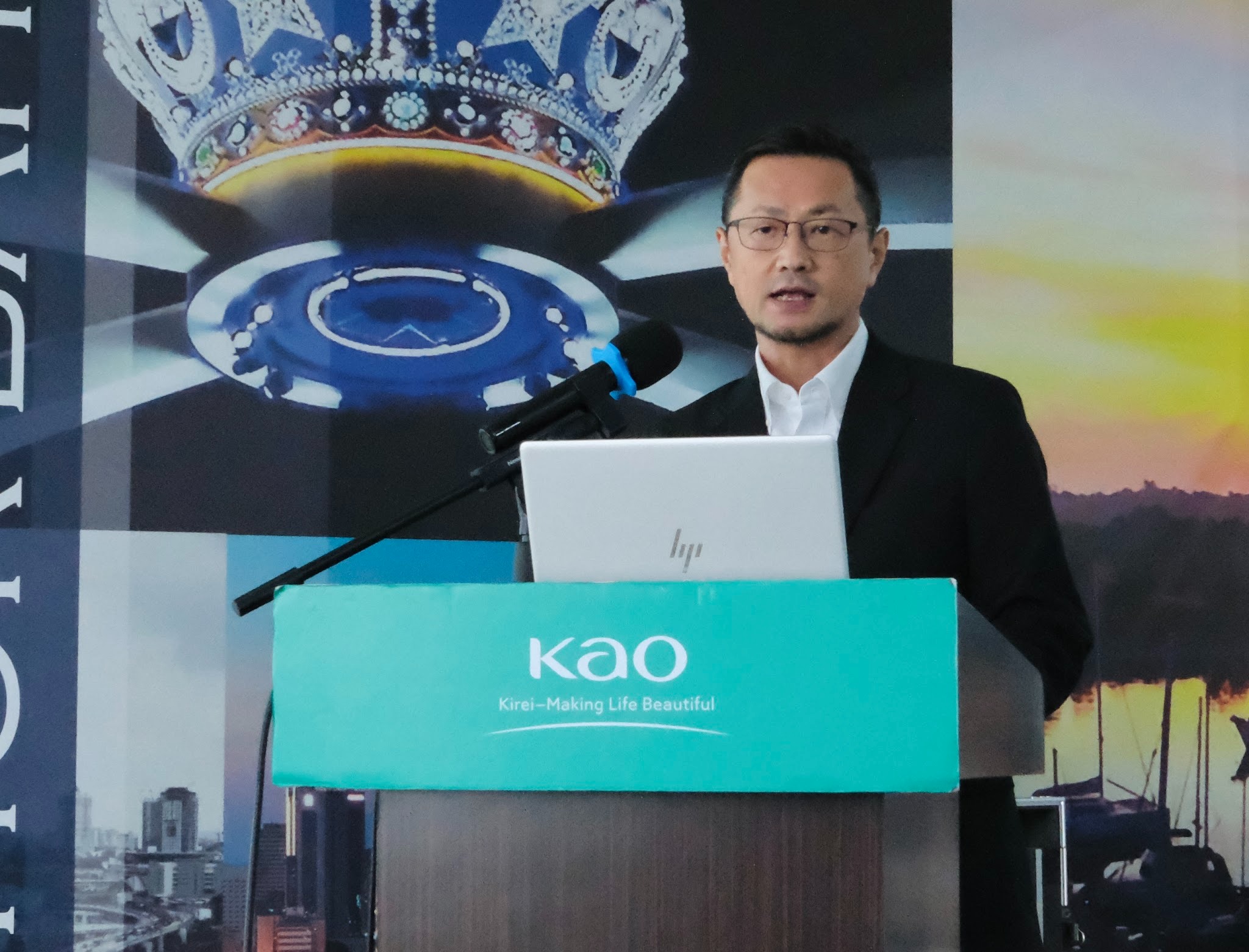
Bringing this philosophy to life, initiatives like the Kao International Children’s Environmental Painting Contest serve as one of the many ways the company translates its sustainability commitments into meaningful action.
“Beyond raising environmental awareness, the contest plays a vital role in nurturing the education and personal development of children. By providing a global platform for young talents to express their ideas, it creates meaningful opportunities for students to showcase their creativity and realise the impact their voices can have on shaping a better future,” said Yamazaki Hirobumi, President of Kao Malaysia.
Where awareness meets imagination
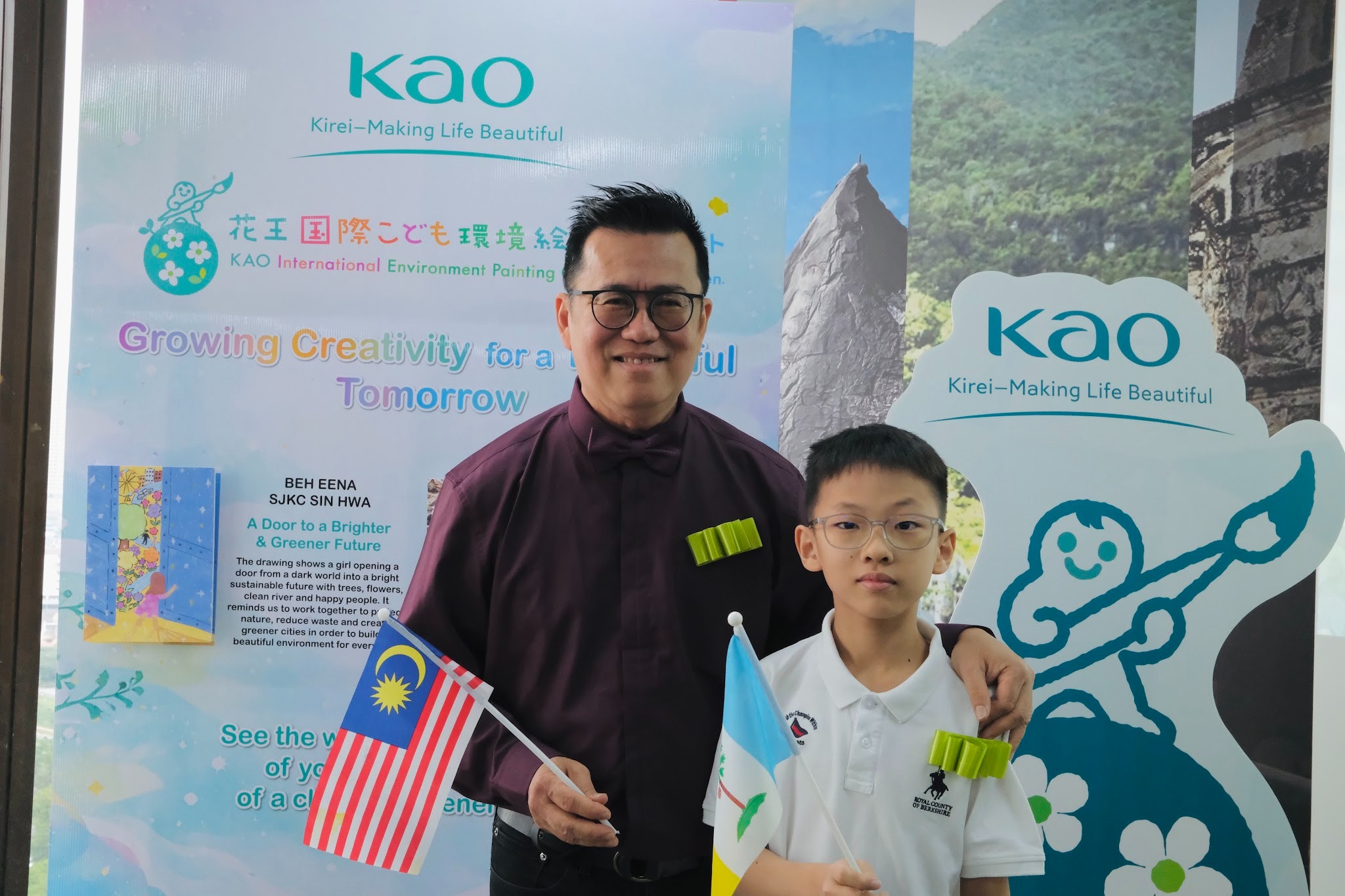
One of this year’s most inspiring young voices is 11-year-old Lim Shan Qian, whose heartfelt artwork earned him an honourable mention. Through his piece, he captures both the resilience of nature and responsibility.
“I wanted to show that the beach is still full of life, even with litter around it. In the foreground, I painted flowers to represent hope and beauty. In the background, there is rubbish scattered across the sand and in the sea, yet animals continue to live there. I hope people will stop throwing rubbish and take better care of our environment.”
His art director, Cheng Yeow Chye, emphasised the importance of nurturing young voices through creative expression. “I encourage my students to participate in competitions as a way to express their talents and ideas across different platforms. Themes like these guide children to rediscover the world around them. They begin by observing nature and developing a sense of respect, then reflect on the relationship between humans and the environment, which inspires a desire to protect it.
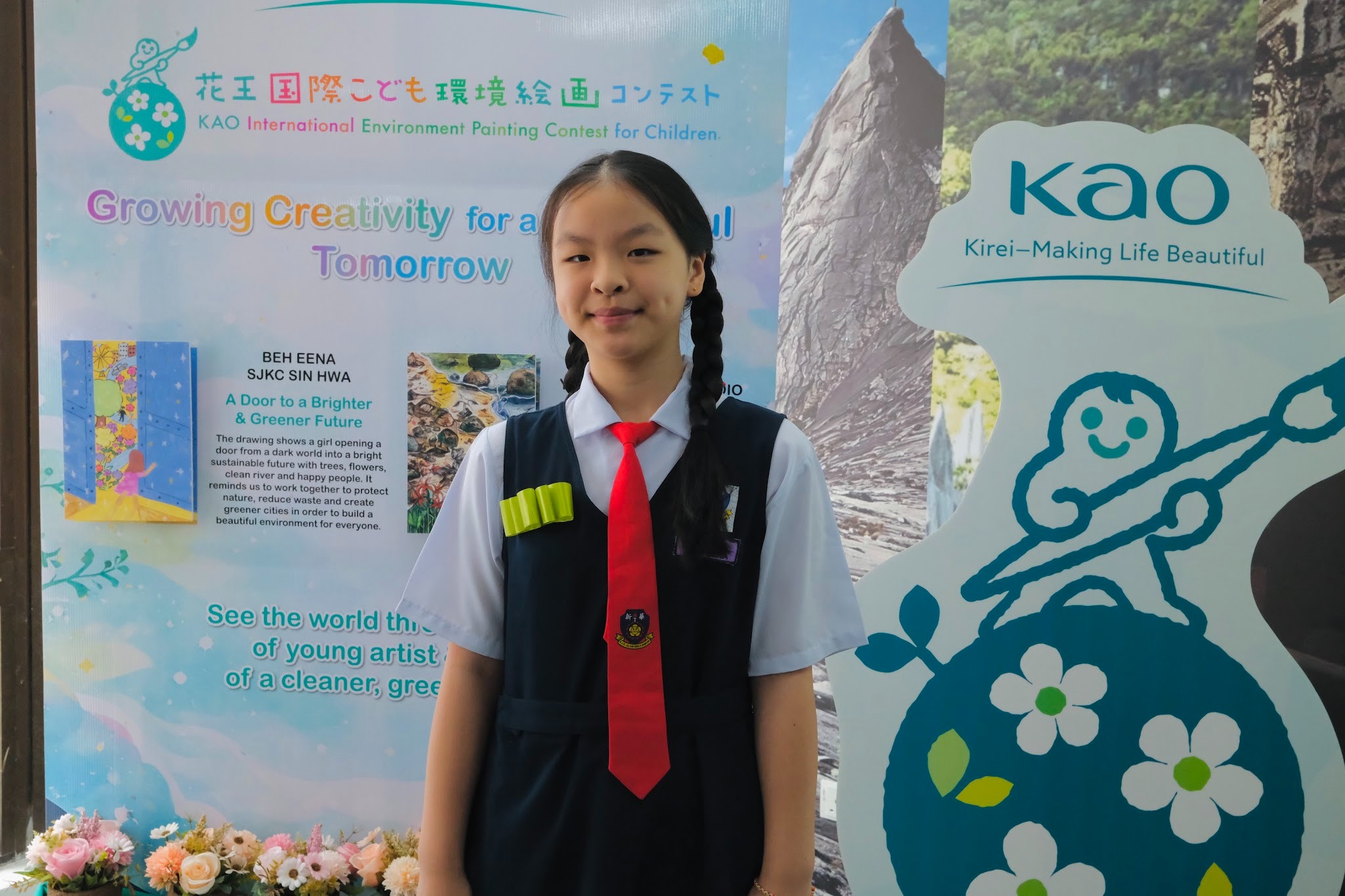
Another standout young talent, Beh Eena, 11, presents a hopeful vision of transformation through her artwork. Her piece portrays a girl opening a door, stepping out of a dark, troubled world into a bright, sustainable future filled with lush trees, blooming flowers, a clean river, and joyful communities. Through this striking contrast, Eena reminds us of the collective role we play in shaping a better world.
Learning beyond the classroom
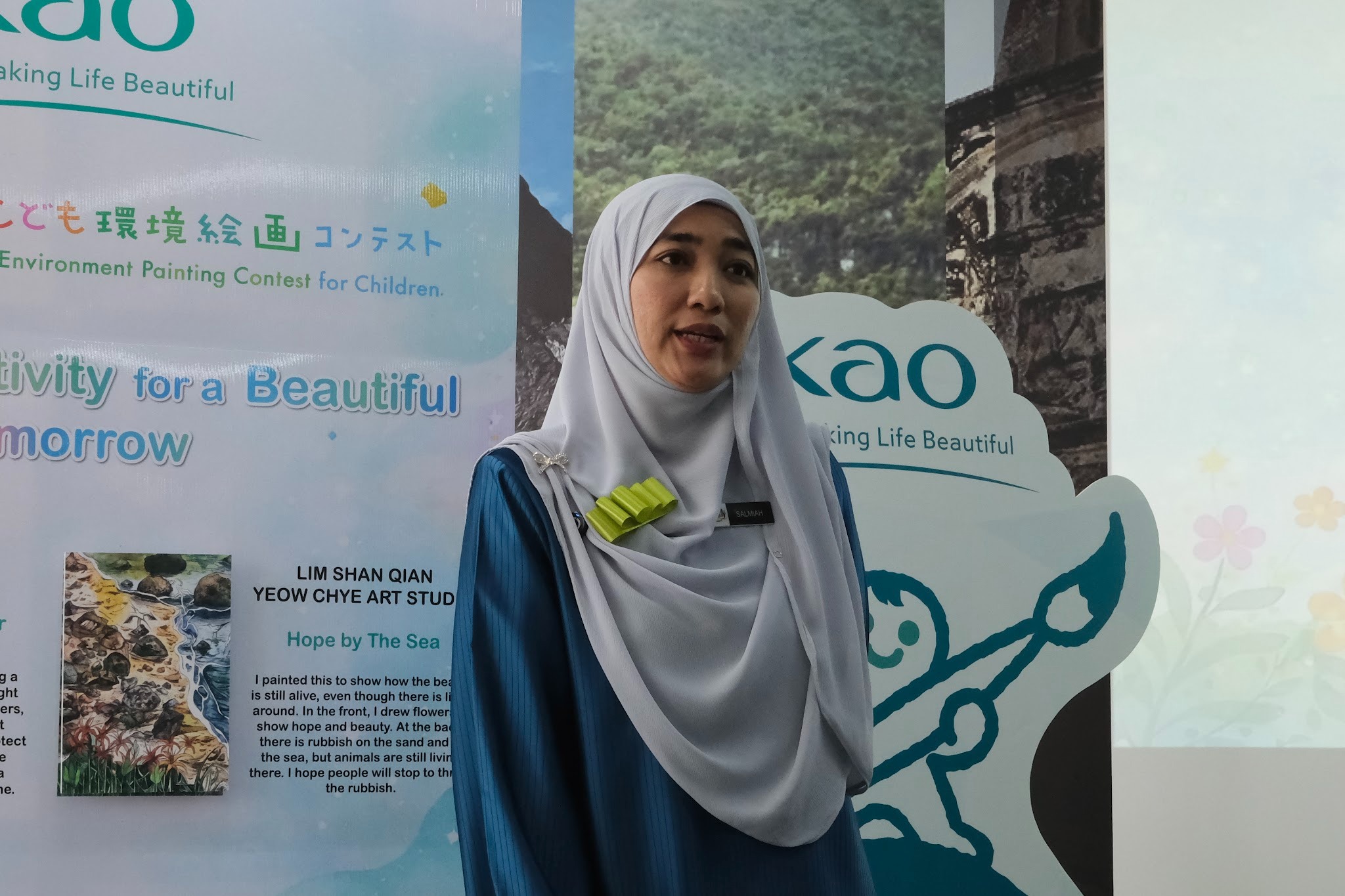
“I observed a strong sense of teamwork among the students, as they worked closely in groups, discussed their ideas openly, and supported one another throughout the process. They were not only expressing their own thoughts, but also listening to their peers, building on each other’s ideas, and collaborating to bring their concepts to life,” said Salmiah.
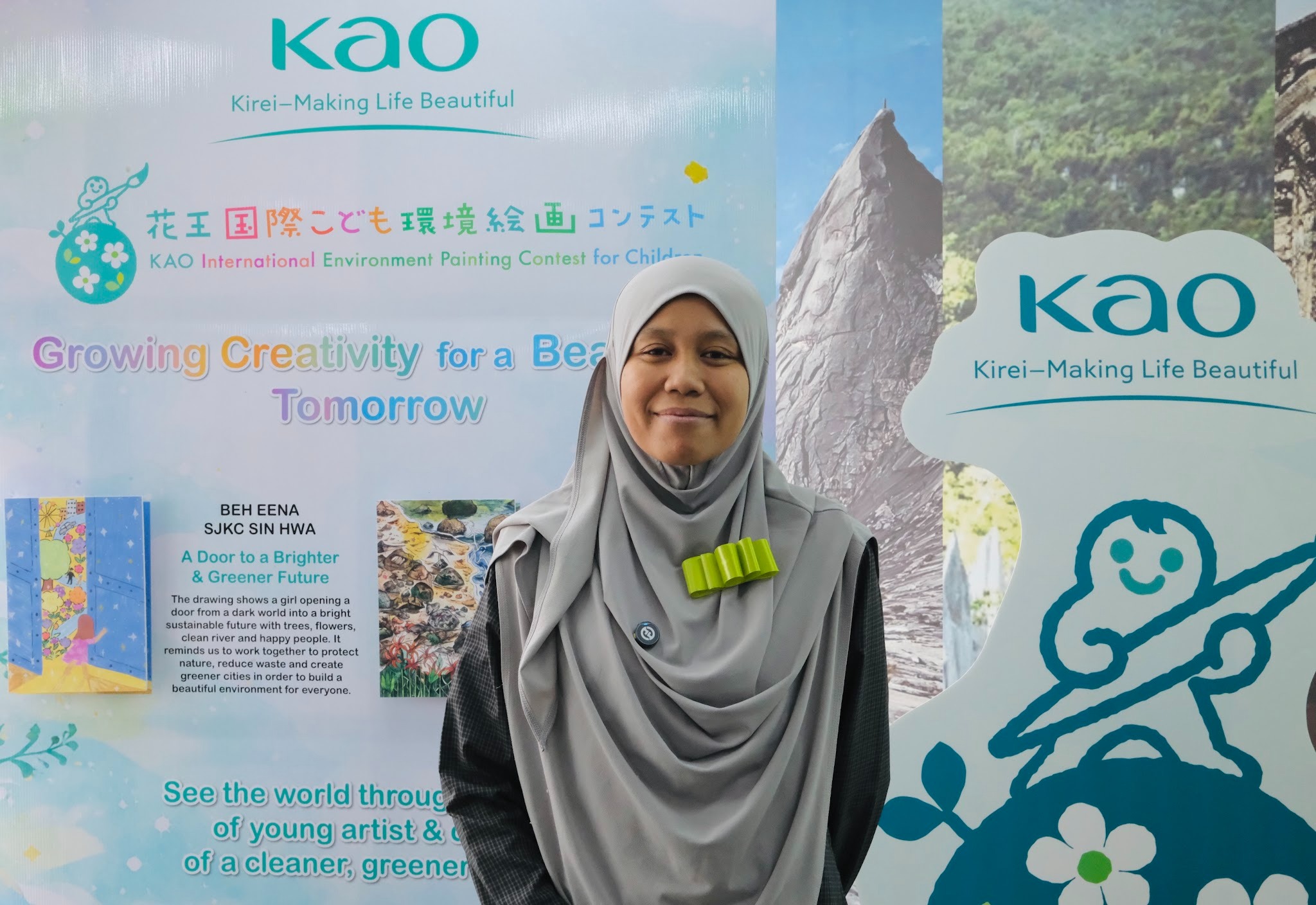
Nurul Hilda Adila shared her gratitude for the opportunity to guide her students through this meaningful experience. As a teacher, she values giving her students the chance to better understand and become more aware of environmental issues.
“Through this process, students are encouraged to conduct research on environmental challenges and express their thoughts on how these issues can be addressed. It helps them become more conscious of the environment and more engaged in finding solutions.”
Malaysia leads with strong participation
Malaysia once again emerged as the top contributor this year, submitting an impressive 10,690 entries—accounting for 42% of total global submissions. The overwhelming majority, 95%, came from national schools, while the remaining 5% were contributed by public participants.
This strong turnout reflects the impact of Kao’s ongoing collaboration with Malaysia’s Ministry of Education. By aligning the contest with PAJSK (Pentaksiran Aktiviti Jasmani, Sukan dan Kokurikulum) merit points, the initiative not only motivates greater student participation but also nurtures creativity while instilling a deeper sense of environmental responsibility.
Kao contributes JPY 1,258,150 toward a greener future
For every entry submitted, Kao donates 50 Japanese yen to an environmental organisation selected by the participants. Through this collective effort, Kao has contributed a total of JPY 1,258,150 to support global conservation causes—spanning wildlife protection, forest preservation, and the reduction of marine pollution, benefiting three selected organisations worldwide.
From vibrant visions of hope to honest reflections of today’s challenges, these artworks serve as reminders that the future of our planet lies in the hands of the next generation. By nurturing creativity and environmental awareness, Kao continues to empower young minds to become thoughtful stewards of a more sustainable world.
Discover more about the contest and explore the children’s winning artwork HERE.


Are you sure you want to delete this comment?
This action cannot be undone.