Our eyes function like cameras, with the retina acting like the film that captures light and sends signals to the brain, allowing us to see clearly. But when the retina is damaged, vision can slowly become blurred, distorted or permanently lost, often before a person even realises something is wrong.
Yet despite the serious risks, a new nationwide survey found that more than eight in ten Malaysians are unaware of the common sight-threatening retinal diseases, despite an ageing population and high rates of diabetes.
These findings have led to the launch of “Don’t Wait to See”, a public awareness initiative by the College of Ophthalmologists, Academy of Medicine Malaysia (AMM), Diabetes Malaysia and Bayer Malaysia, encouraging Malaysians to prioritise eye health and undergo regular screenings before vision problems become serious.
The survey of more than 800 Malaysians found that while cataracts are widely recognised, 81.7% had never heard of or were unsure about retinal diseases such as age-related macular degeneration (AMD) and diabetic macular oedema (DME), both of which can cause vision loss if not detected early.
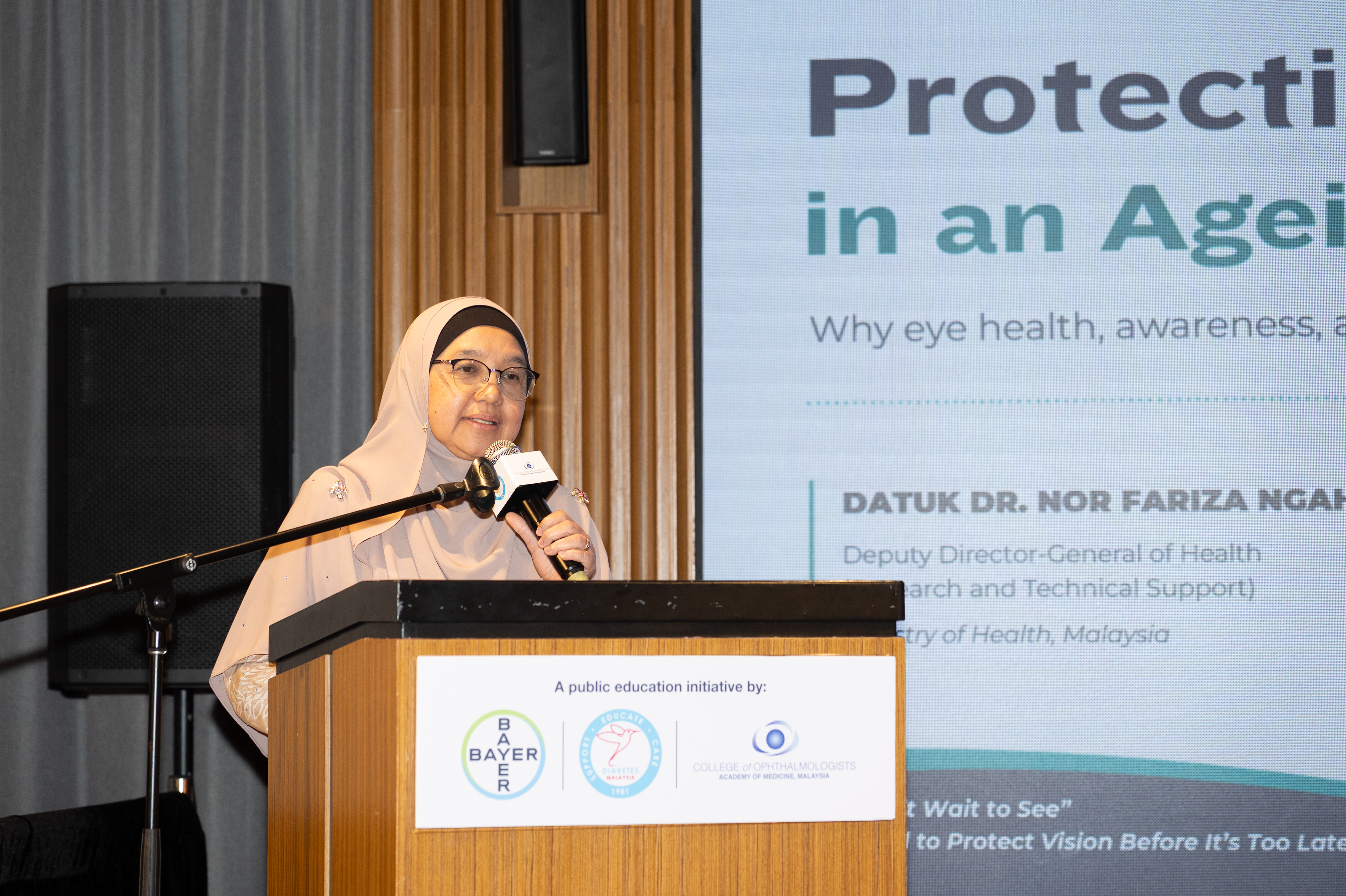
“Eye health evolves throughout every stage of life, with different age groups facing different vision challenges and conditions. Children often struggle with short-sightedness and other early eye conditions that can affect learning and development. Young adults may deal with digital eye strain or problems caused by improper contact lens use. By middle age, some may notice presbyopia, the gradual difficulty of seeing things up close. In later years, more serious conditions such as glaucoma, cataracts, diabetes-related eye disease, and retinal disorders become more common, making regular eye care essential at every stage of life. Campaigns such as 'Don't Wait to See' play an important role in encouraging Malaysians to recognise changes in their vision earlier, seek timely care and make regular eye examinations part of their routine health care," said Datuk Dr Nor Fariza Ngah, Deputy Director-General of Health (Research and Technical Support), Ministry of Health, Malaysia.
Echoing the importance of early action, Celest Yong, Head of Focus Brands (Singapore, Malaysia and Indonesia) and Market Access APAC at Bayer Malaysia, said innovation in retinal health must go hand in hand with greater awareness, timely diagnosis and patient-centred care. She said Bayer’s continued commitment to research and development reflects its dedication to solutions that not only preserve vision, but also support patients’ routines, independence and quality of life, adding that these advances can only make a meaningful difference when people recognise vision changes early and seek timely care.
Recognising the signs: Why painless vision changes should not be ignored
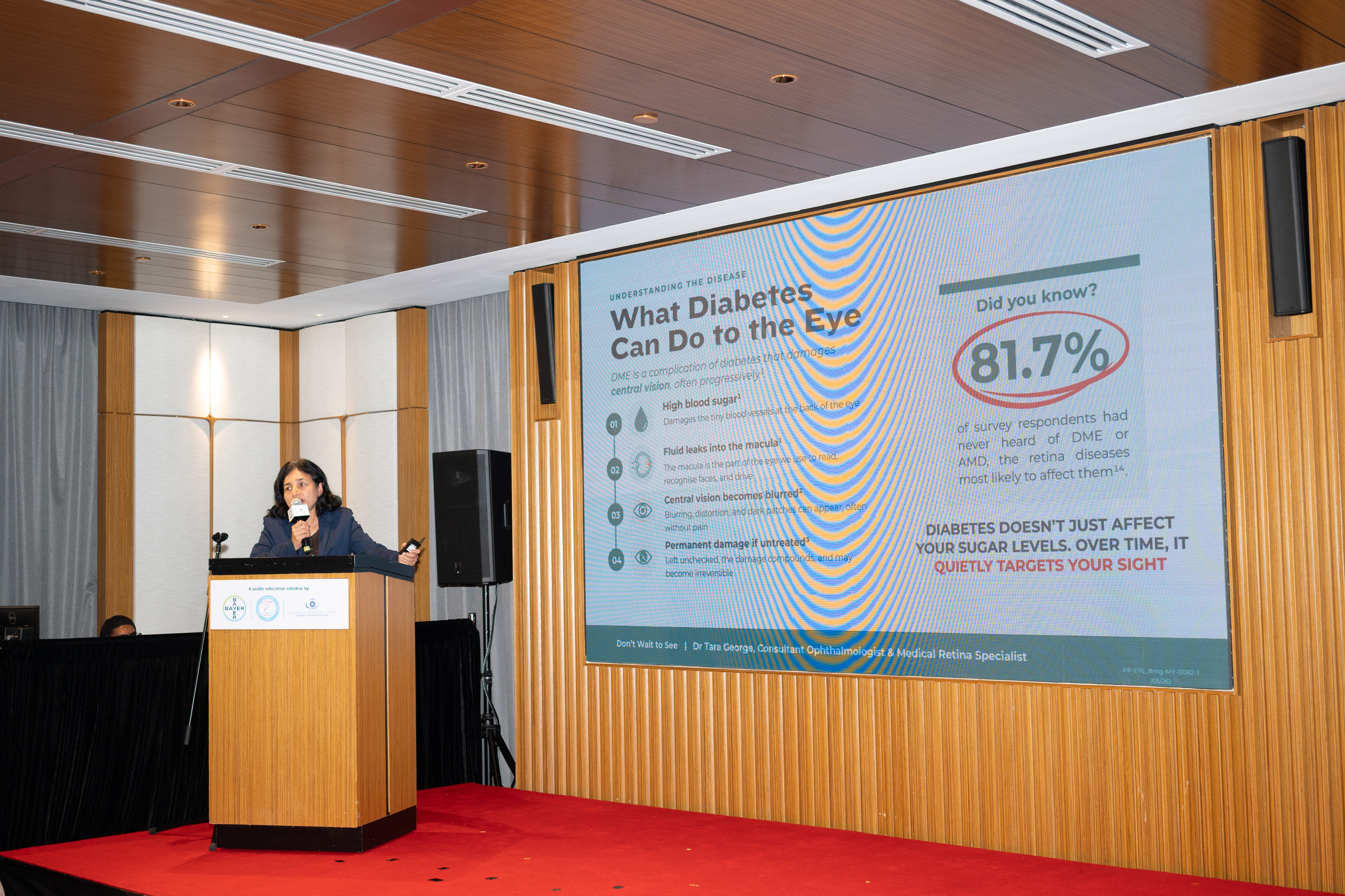
The survey revealed a disconnect between public perceptions of eye health and the way retinal conditions may present. When asked about symptoms such as straight lines looking wavy or distorted, 48.4% of Malaysians believed the issue was caused by eye strain or normal ageing, while only 8% recognised it as a potential medical condition.
The findings also showed that many people tend to link urgency with physical pain. More than 81.8% of respondents said they would delay seeking treatment for weeks, months or even indefinitely if the vision problem was not painful. However, retinal conditions including wet AMD and DME often develop painlessly in their early stages, making early detection especially important. Sudden or unusual changes in central vision should therefore be assessed promptly.
Dr Tara George, Consultant Ophthalmologist and Medical Retina Specialist, said conditions such as DME and wet AMD may progress without causing pain, which is why symptoms affecting central vision should not be overlooked. She noted that signs such as distorted straight lines or sudden vision changes warrant timely specialist evaluation so patients can better understand their condition and receive the appropriate treatment early.
The Diabetic Disconnect: Eyes Left Out of the Equation

According to the National Health and Morbidity Survey (NHMS) 2025, 39% of older Malaysians have diabetes, with one in two diagnosed patients struggling to control their blood sugar levels. Yet despite the growing risks, awareness of DME remains low, with the “Don’t Wait to See” survey finding that only 8.9% of respondents were aware of the condition, even though more than half said they either had diabetes or were unsure of their diabetes status. The survey also revealed that eye examinations ranked lowest among routine health screenings, suggesting that many Malaysians still do not see eye health as an essential part of diabetes care, despite diabetes being a major cause of retinal damage and vision loss.
Dr Rajasudha Sawri Rajan, (Consultant Ophthalmologist, Vice Chairperson of Retina Chapter, College of Ophthalmologists) advised that painless does not mean harmless, especially when it comes to vision problems. Many people ignore slight vision distortion because it is not painful, assuming it is caused by tiredness or dry eyes. However, persistent distortion that does not disappear after blinking can be an early warning sign of serious retinal conditions.
“Many patients, particularly those living with diabetes, are already juggling medications, other medical conditions, family responsibilities and daily routines, so eye health often becomes a lower priority until vision loss begins to affect daily life. Practical barriers such as uncertainty about where to go, long waiting times and difficulty getting appointments also contribute to the “wait and see” mindset. Early detection makes a major difference. When retinal problems are caught early, treatment is usually simpler, less disruptive and requires fewer hospital visits,” she explained.
“Diabetes care is often focused on blood sugar, blood pressure and cholesterol, but eye health needs to be part of the same conversation. For people living with diabetes, regular comprehensive eye examinations are an important part of long-term care. We need to help patients understand that protecting their eyes is part of managing diabetes well,” said Dr Mohazmi bin Mohamed, Honorary General Secretary of Diabetes Malaysia and Primary Care Specialist.

Advancements in retinal care today are not just focused on developing better treatments, but also on creating a more patient-friendly care journey that helps individuals stay committed to long-term treatment and preserve their vision.
The “Don’t Wait to See” campaign reinforces the importance of early action by encouraging Malaysians not to ignore vision changes or wait for symptoms to worsen before seeking help. At the same time, it calls on healthcare professionals to make eye health a routine part of patient care, particularly for adults aged 40 and above and people living with diabetes. By promoting greater awareness, timely screenings and earlier intervention, the initiative hopes to ensure that more Malaysians can protect their sight and maintain a better quality of life.