


/file/publisher-c1a3f893382d2b2f8a9aa22a654d9c97/2026/06/570d9f53c30d38dd6abd69fcc8b14990.png)

Malaysian workplaces have a psychological safety problem
A recent global benchmark of employee experience reveals a glaring problem at the heart of our workplaces: Malaysian employees score above the global average in their receptiveness to feedback, but below average on their willingness to provide feedback to others.
The gap between willingness to receive and willingness to give is not a footnote. It is a diagnosis of a broken feedback culture and a lack of psychological safety - and this is an extremely expensive problem to have.
Amidst trade wars, ongoing genocides, geo-political conflicts and an increasingly multi-generational workforce, the People & Culture Conference (PACC) returns for its third edition on a conviction it has held from the start: people are the strongest levers of organisational success.
On 5–6 August at CCEC, Bangsar South, PACC convenes 300 c-suite leaders, people and culture professionals, corporate change-makers and business transformation experts at a pivotal moment when leading by instinct and authority is no longer sufficient.
One defining pillar of this year's conference, Employee Experience & Psychological Safety, pinpoints what leadership must provide in the face of a diverse, multi-generational workforce: an intentional move towards emotional intelligence, psychological safety and inclusion.
"Many organisations have a speak-up policy, a whistleblowing hotline, and an open-door policy, and still, no one speaks,” says Emellia Shariff, Group CEO of the Malaysian Institute for Development of Professionals (MIDP), the organiser and driving force behind PACC.
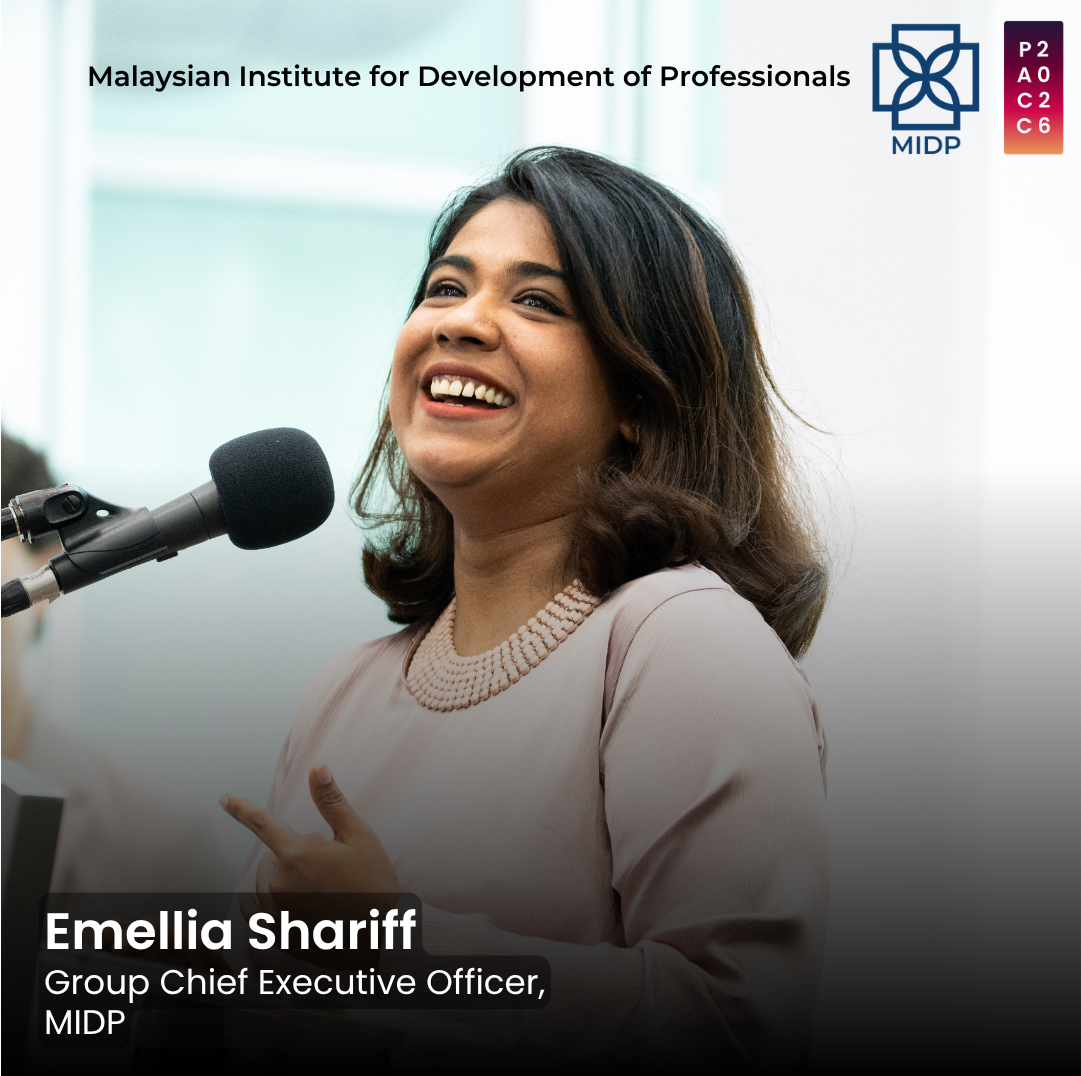
“This is because everyday culture does not yet support these policies. When this happens, the policy is just wallpaper. And silence, in any organisation, is a silent but significant cost."
The data reveals the urgency. The 2025 Malaysia Well-being@Work Index shows psychological safety scores are declining for the second consecutive year, now at 66% — down 2% since 2023 — making it one of the most deteriorated dimensions of workplace well-being in the country.
The prevalent factor behind this decline is not a secret. It is a structural reality that most organisations prefer not to name directly: Malaysia is a high power distance culture.
Malaysia unfortunately ranks at the very top of Hofstede's Power Distance Index. In practice, this is the culture of "yes, boss!": where respect for hierarchy carries genuine social value, and disagreement carries social risk. In such environments, feedback often flows in one direction – downwards.
The scenario is familiar: As an employee, you are expected to take feedback with open arms and an open heart; listen carefully, take notes, and say thank you. But when a manager asks you: “Any feedback for me?” The tension rises. You’ve seen a colleague being sidelined for two quarters for saying the wrong thing, so you put on a polite smile and say: “No, you’ve been very helpful.”
The result is even though Malaysia scores above the global average on receptiveness to feedback, the culture of hierarchy, fear, deference, and submission suppress positive attitudes towards feedback that are needed for meaningful organisational change and growth.
The cost of this culture is staggering. A 2024 research reports that workplace mental health issues at work alone cost Malaysia RM14.46 billion in productivity in a single year — equivalent to 1% of the nation’s GDP — a figure that has only grown as burnout and disengagement have worsened since.
Meanwhile, in 2025, Malaysia’s attrition rate was reported to rise to 18.2%, one of the sharpest single-year increases in the region and the third-highest voluntary turnover rate in Southeast Asia.
Malaysia is at an inflection point. The generations now entering the workforce will not tolerate a culture that asks them to stay silent. Organisations will have to adapt to them, or lose them.
The organisations that will attract, retain and sustain the best employees are not those with the best perks or the most progressive-sounding values statements.
It will be the ones that have closed the gap between policy and culture, where open-door policy is backed by leaders who actually listen and act on feedback when the door opens.
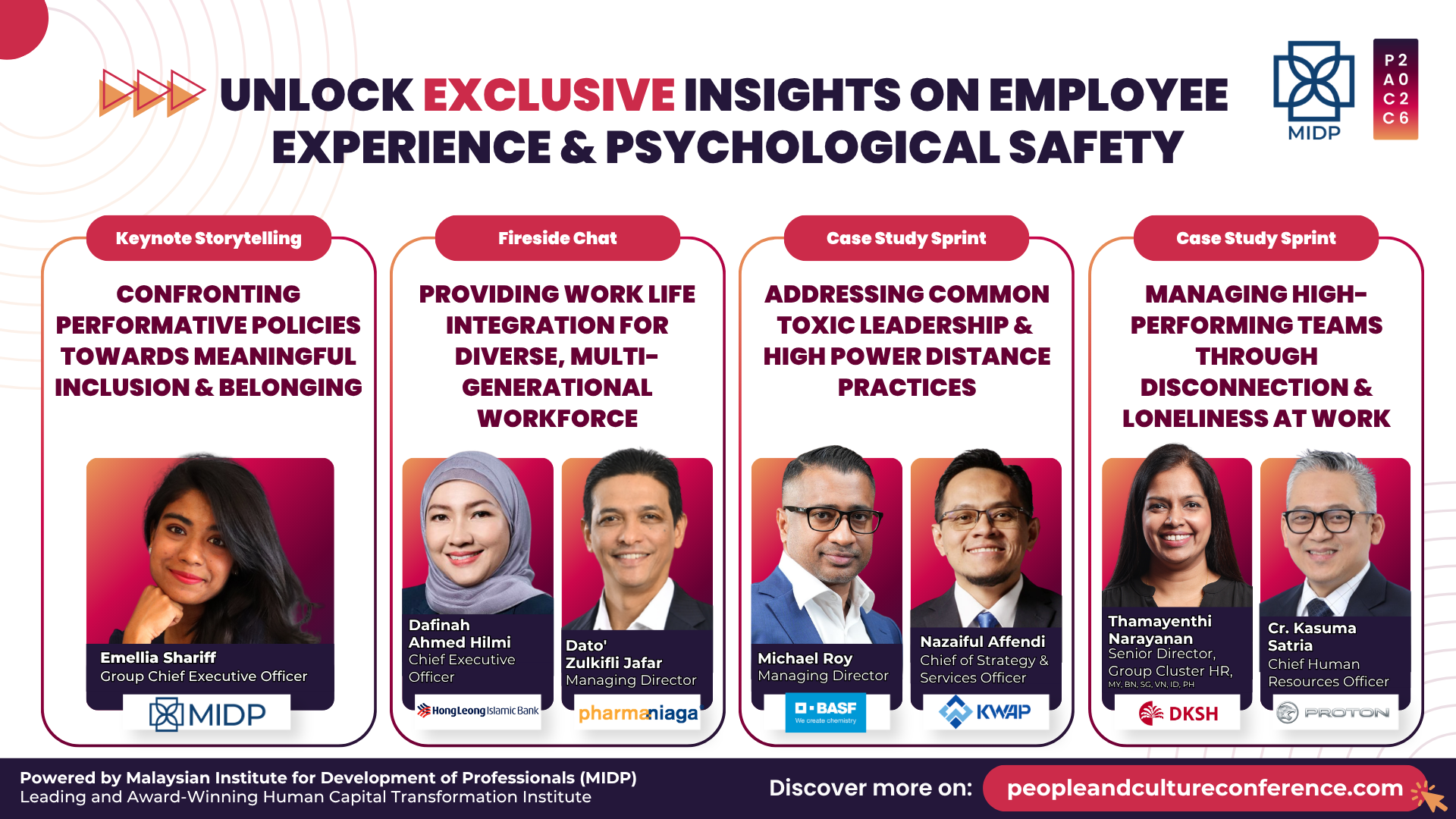
Join in on the conversation at the People & Culture Conference 2026 – now open for delegate registration at peopleandcultureconference.com. Discounts are available for group and MSME registrations.
This content is provided by Malaysian Institute for Development of Professionals (MIDP).
The views expressed here are those of the author/contributor and do not necessarily represent the views of Malaysiakini.
Interested in having your press releases, exclusive interviews, or branded content articles on Malaysiakini? For more information, contact advertise@malaysiakini.com or advertise@fgmedia.my


Are you sure you want to delete this comment?
This action cannot be undone.