


/file/publisher-c1a3f893382d2b2f8a9aa22a654d9c97/2023/08/a28e9c59c690e28f4cf4db9222342e8a.jpg)

Youth Addresses The Rising Cost of Living
In the last session of Youth Parliamentary Debate that was chaired by Yang Berhormat Datuk Wan Saiful Wan Jan, Member of Parliament for Tasek Gelugor, the discussion centered on the impact of raising the minimum wage and addressing the advantages and disadvantages of the issue.
The debate started with the government bench; Thivyashini A/P Mahendran where she emphasized that the slower growth of the minimum wage is the fundamental driver behind the escalating cost of living. Inadequate wage growth is a key factor, leaving workers struggling with rising expenses.
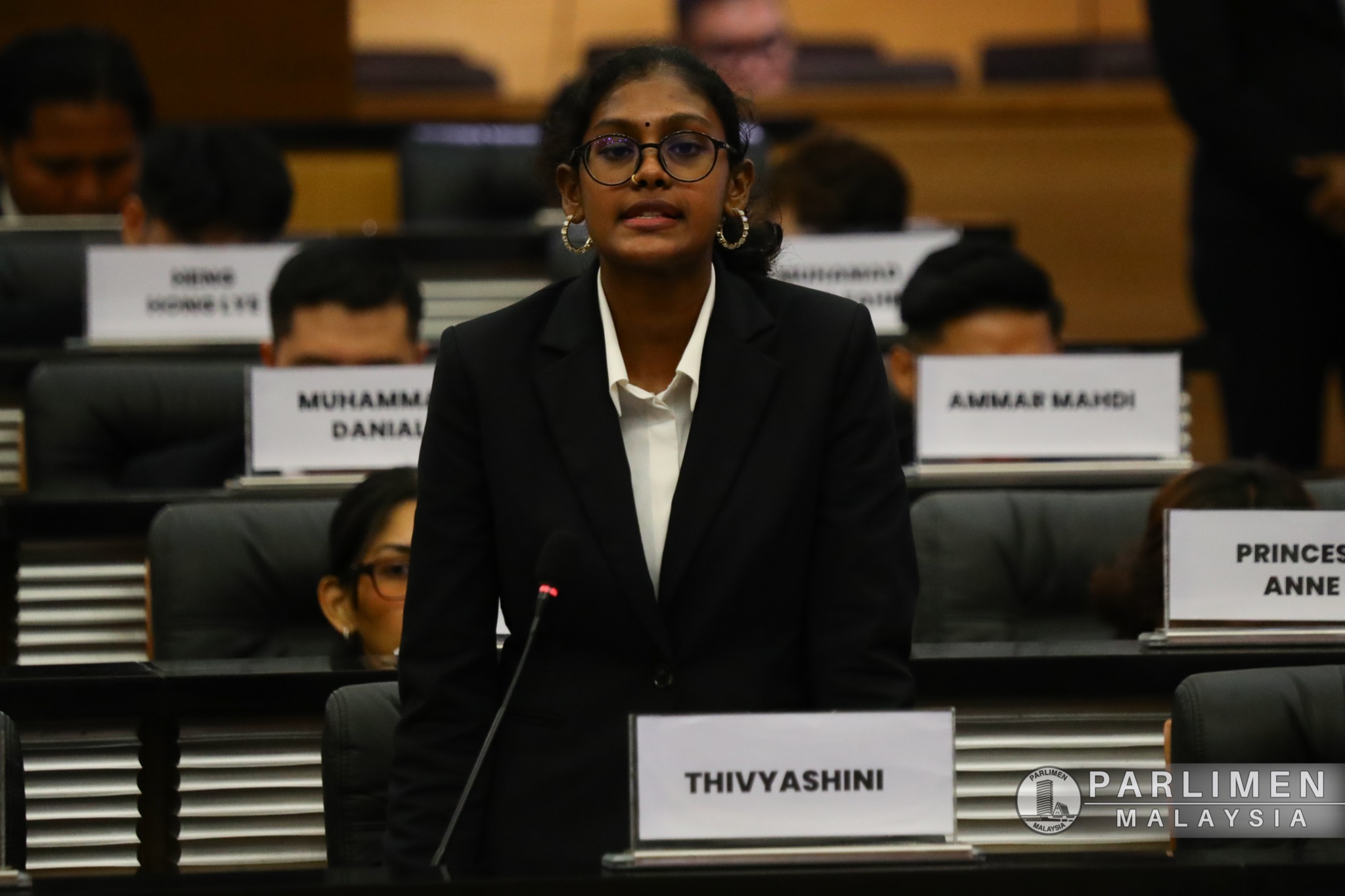
She argued that; “Minimum wage increase is necessary to offer employees the means to handle higher living costs and not just raise incomes but also grant more purchasing power, aiding essential needs and combating poverty”
Importantly, Thivyashini pointed out that a higher minimum wage would not negatively impact the economy; rather, it would bring benefits to both employees and employers alike.
In response to this situation, the opposition block; Mishael Dinesh Mathew uncovers the underlying issues by mentioning the root problem which is minimum wage does not tackle the rising cost of living inclusively across all wage distribution.
He addressed that; “Increasing minimum wage would be obsolete as what extra effect will have majority workers in Malaysia who already earn much more than the current minimum wage”
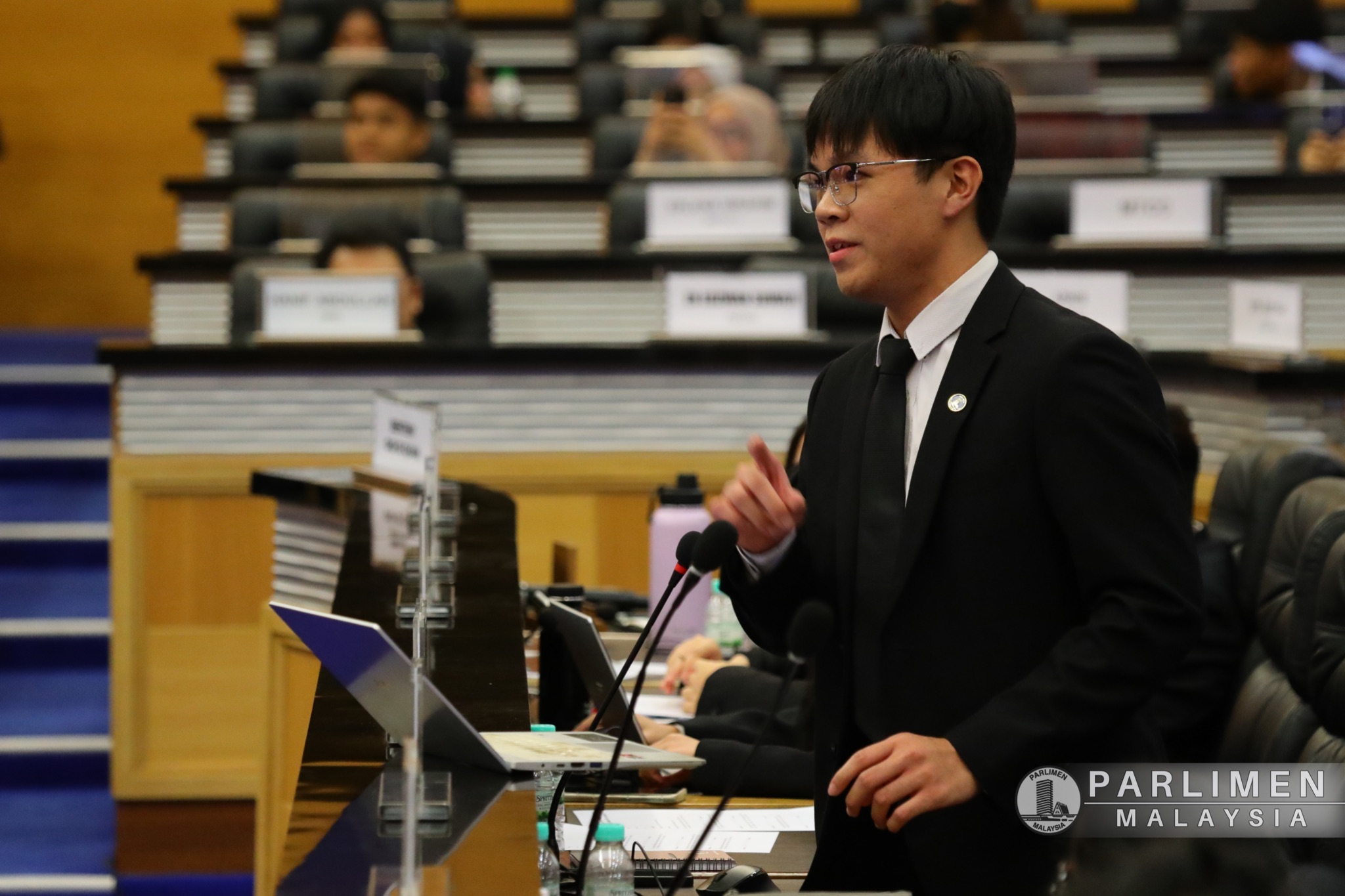
The opposition side held the viewpoint that a mere minimum wage wouldn't effectively address the underlying problem of escalating living expenses; in fact, it could yield contrary outcomes.
Mishael suggested alternate strategies; “Enhancing the skill sets of the workforce, implementing precise subsidies, and raising taxes on affluent individuals as more viable approaches”
“It will be an absolute effect, not only tackling the rising cost of living, it also worsens the rising cost of living,” he said.
The debate continues as the government bench’s Lisa Amanda Mae; the youngest participant in the entire debathon presses concerns on the necessity of the minimum wage to empower low-income earners amid economic conditions. This is also supported by Quek Ter Mi as the government’s stance;
“The one-size-fits-all approach is effective as it fails to account the varying living costs across different regions in Malaysia. Therefore, we will introduce a new benchmarking system that tailors minimum wage employees to specific sectors cities, regions, and company sizes” he added.
The opposition then countered that the minimum wage alone might not suffice as the sole solution to the escalating cost of living.
Mohamad Firdaus Kasah Hamid representing the opposing side, also mentioned that the corporations might exploit the minimum wage change, overlooking employee salary improvements. Simultaneously, smaller businesses would struggle with the fixed benchmark, enduring ongoing challenges.
His colleague Mohamed Adam Mohamed Ashraff who eventually secured the title best debater endorsed the notion of elevated subsidies in conjunction with an escalation in the highest marginal income tax rate.
“Therefore, we must tax the rich, redistribute that and we will ease the burden of the rakyat,” Adam added.
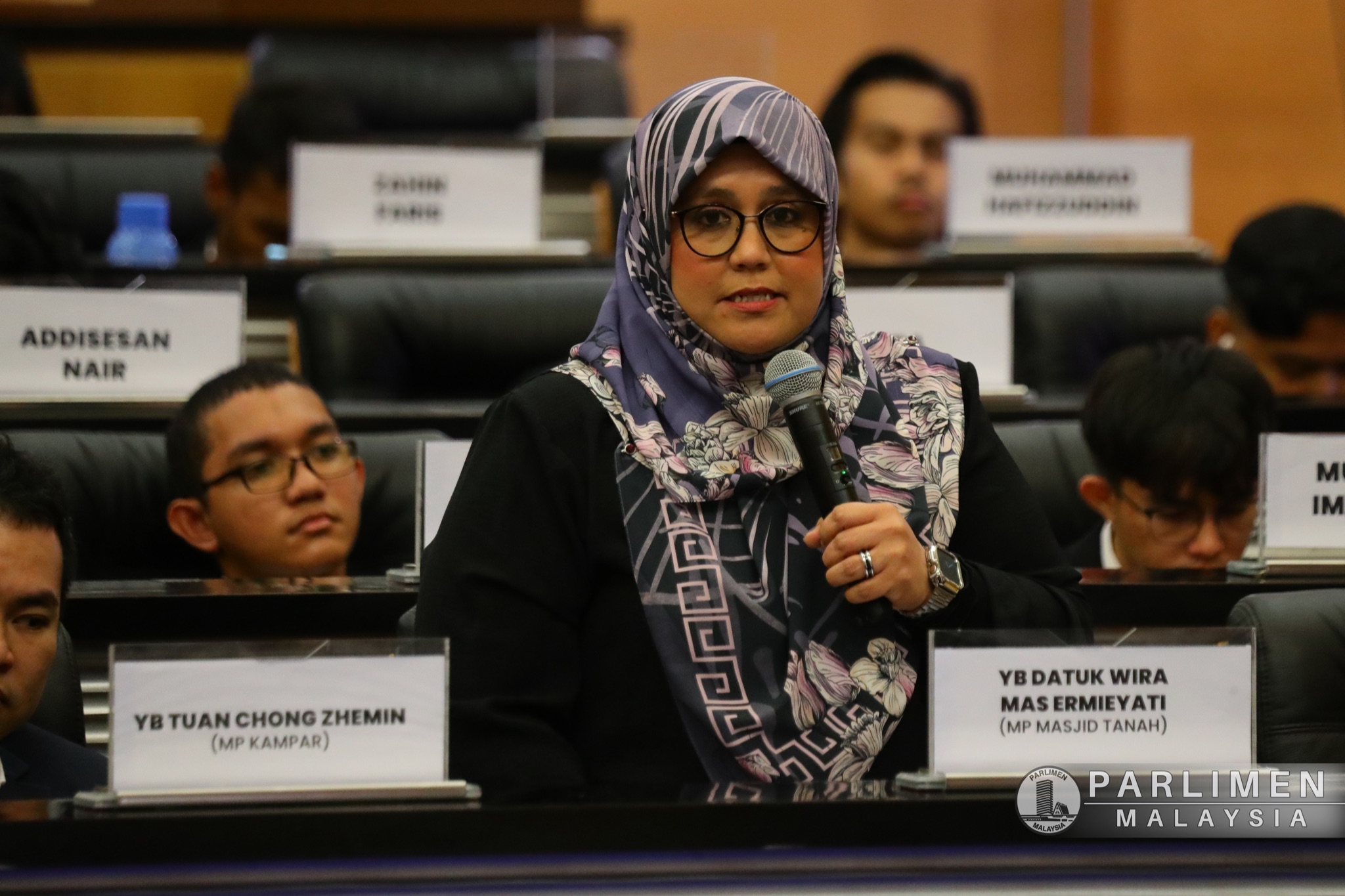
YB Datuk Wira Mas Ermieyati, Member of Parliament for Masjid Tanah, offered her insights. She mentioned that raising the minimum wage might lead to unforeseen issues for low-income workers, including job reductions and economic decline. She advocated a broader and less risky strategy, suggesting targeted social programs or tax policy adjustments.
While YB Chong Zhemin, Member of Parliament for Kampar, also commented that the wages of middle-income workers would incrementally increase when the minimum wage is raised, which is a cascading effect.
“If you look at the minimum wage, it’s actually a demand and supply of the labor force. Consequently, there will be a shortage of supply which is unemployment. I think the government did mention Progressive Metrics which is something we can agree upon”
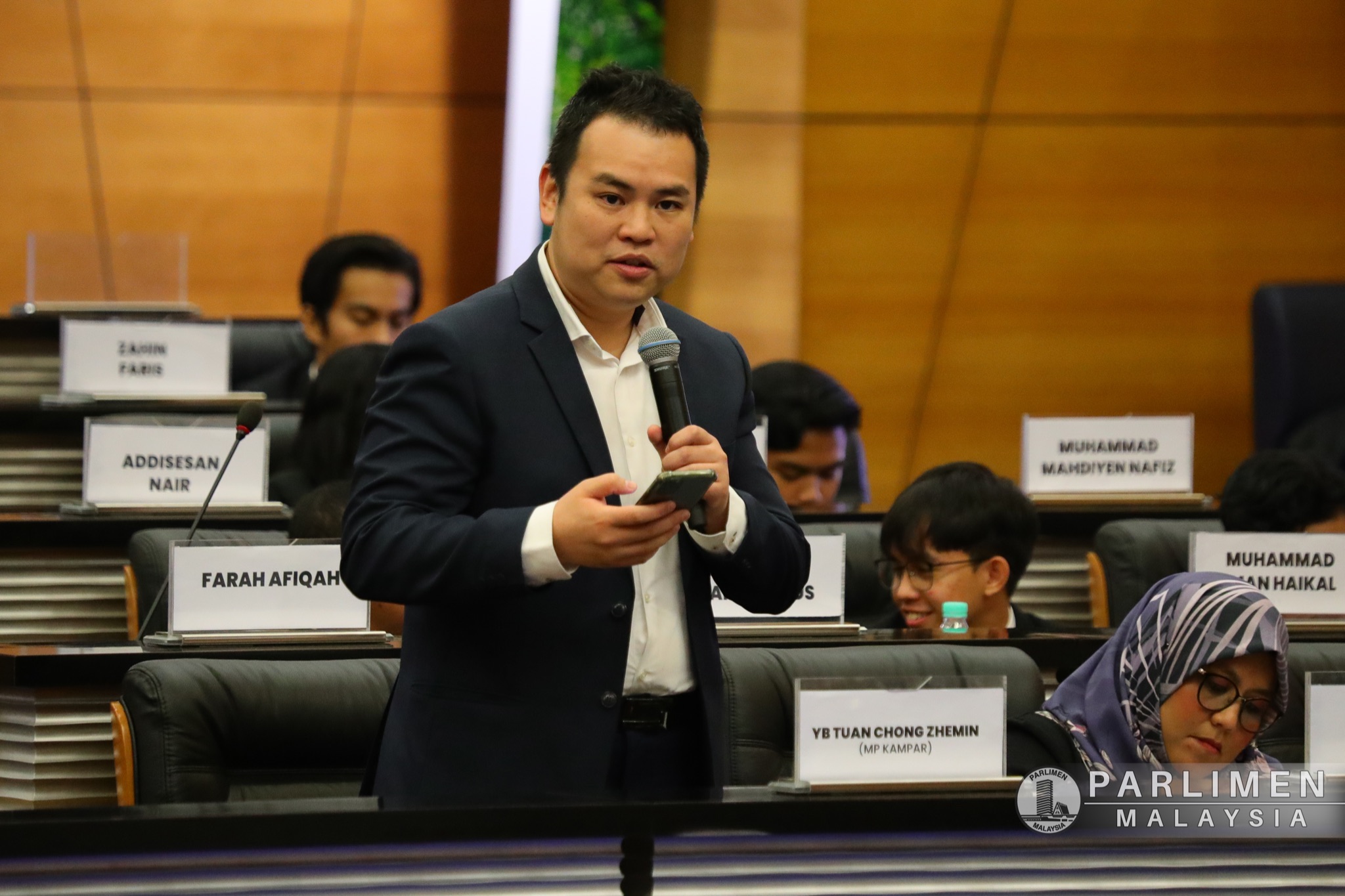
Concluding the debate, Deputy Minister of Domestic Trade and Costs of Living, YB Senator Puan Hajah Fuziah Salleh, who was attending a session, expressed how the atmosphere reminded her of an actual parliamentary setting.
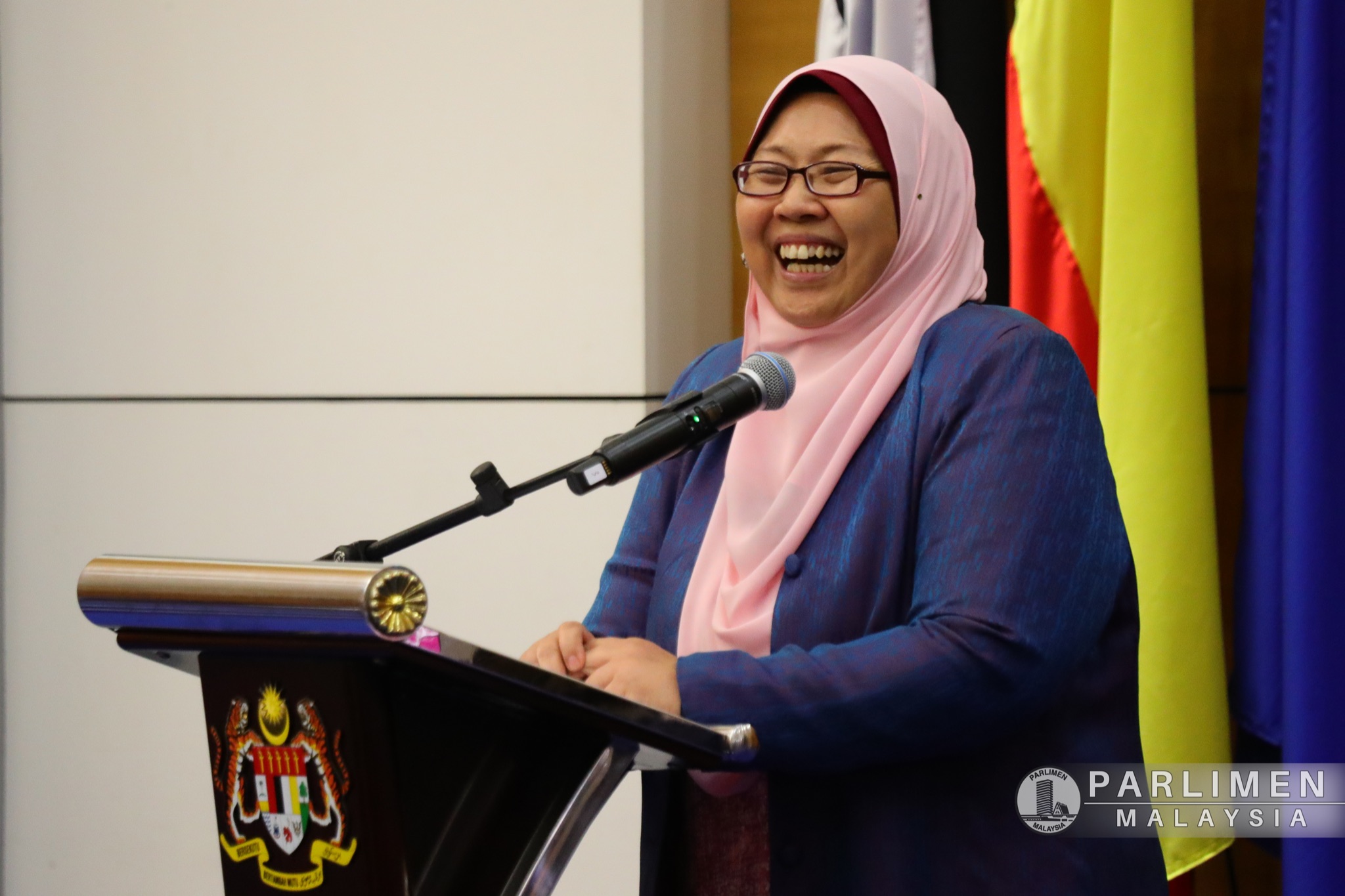
“It is important to understand free market economy where consumers make the decision and you can be the game-changer by determining the supply and making the decision”
If you missed viewing the parliamentary simulation last weekend, you can watch the replay - HERE.
GenZ@ the Podium is organised by KiniEvents, with International Republican Institute (IRI) as collaborative partner, MYAirline as Airline Partner, Experiential Design Team (EDT) as the Metaverse Partner, Institut Debat dan Pengucapan Awam Malaysia (MIDP) as the Soft Skills Training partner, supported by the Parliament of Malaysia and Ministry of Youth and Sports, Undi18, UndiSabah, The Risers, Institutes of Research and Development of Policy (IRDP), and Malaysian Youth Association for Diplomacy and Policy (MYADP) as Co-Partner. The Malaysian Hub, Majlis Belia Malaysia (MBM), Persatuan Kebangsaan Pelajar Islam Malaysia (PKPIM), IIUM Student Union, Kesatuan Mahasiswa Universiti Malaya, Angkatan Mahasiswa UM, Suara Siswa Universiti Malaya, Gabungan Pelajar Pelajar Melayu Semenanjung (GPMS) dan Taylor's University Student Council.


