


/file/publisher-c1a3f893382d2b2f8a9aa22a654d9c97/2024/07/5a2ee26813e1bac5959767438a4471eb.png)

KPT Strengthens Initiative to Cultivate Interest in STEM
To drive economic growth and maintain global competitiveness, the country needs talent with expertise in Science, Technology, Engineering, and Mathematics (STEM).
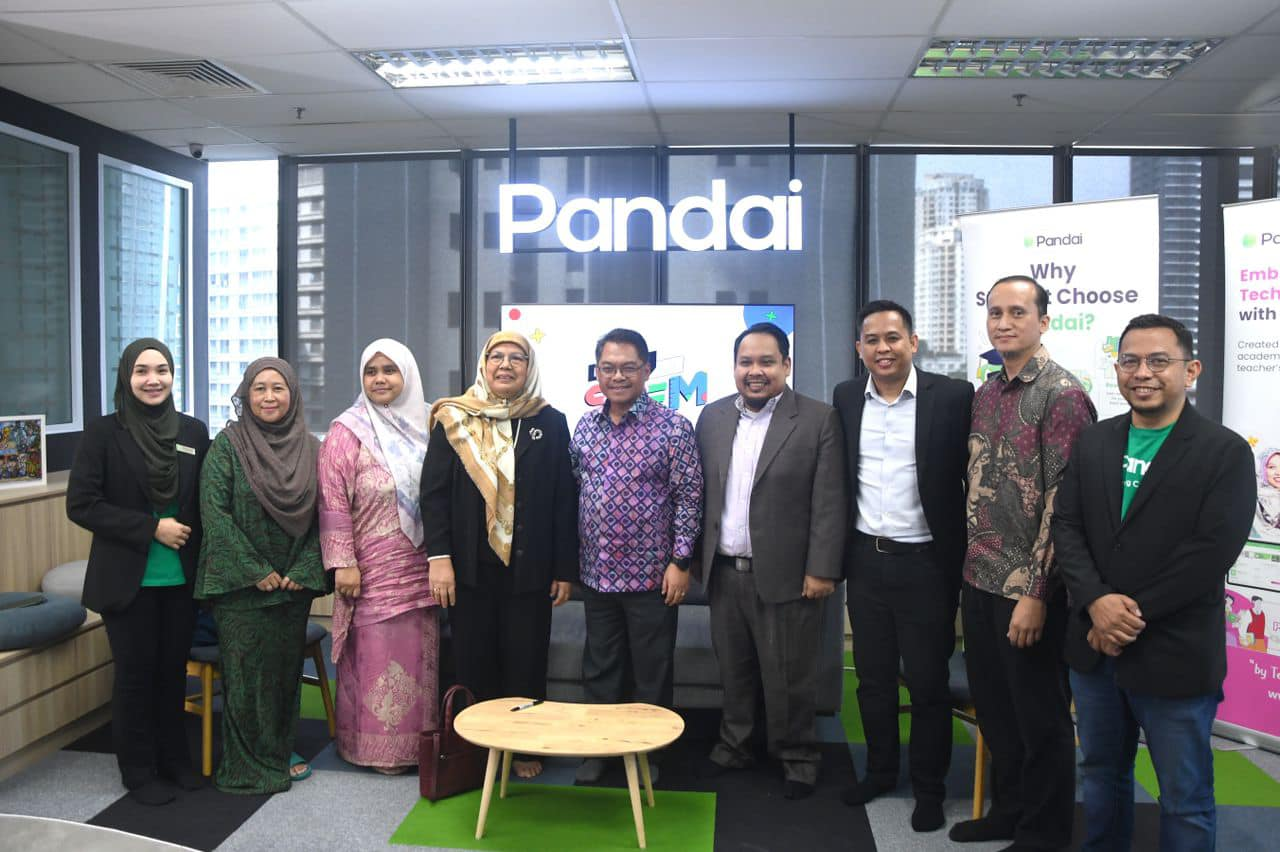
Recently, Deputy Minister of Higher Education, YB Datuk Ts. Mustapha Sakmud, shared valuable insights on the future of STEM education, including strategies to enhance student engagement and the role of educational platforms, on the Borak STEM podcast series on the Pandai channel.
Fostering STEM Talent to Meet Industrial Needs
Elevating STEM education is pivotal to achieving the nation's goal of becoming a high-tech country by 2030.
To support this vision, the Ministry of Higher Education (KPT) is diversifying its approaches that can be applied to nurture competent talent to realize this vision and meet the demands of industry and economic growth.
Strategic Cooperation Across Ministries and Agencies
KPT, together with the Ministry of Education Malaysia (KPM) and the Ministry of Science, Technology, and Innovation (MOSTI), has established a Special STEM Committee. This committee focuses specifically on the direction of STEM beginning from the school level up to higher education.
Various initiatives for promoting STEM development programs, initiatives and activities are actively underway in schools. These initiatives are being implemented across ministries and agencies and involve collaboration with corporate and community strategic partners.
The Importance of STEM Graduates in Supporting Technology Investment in Malaysia
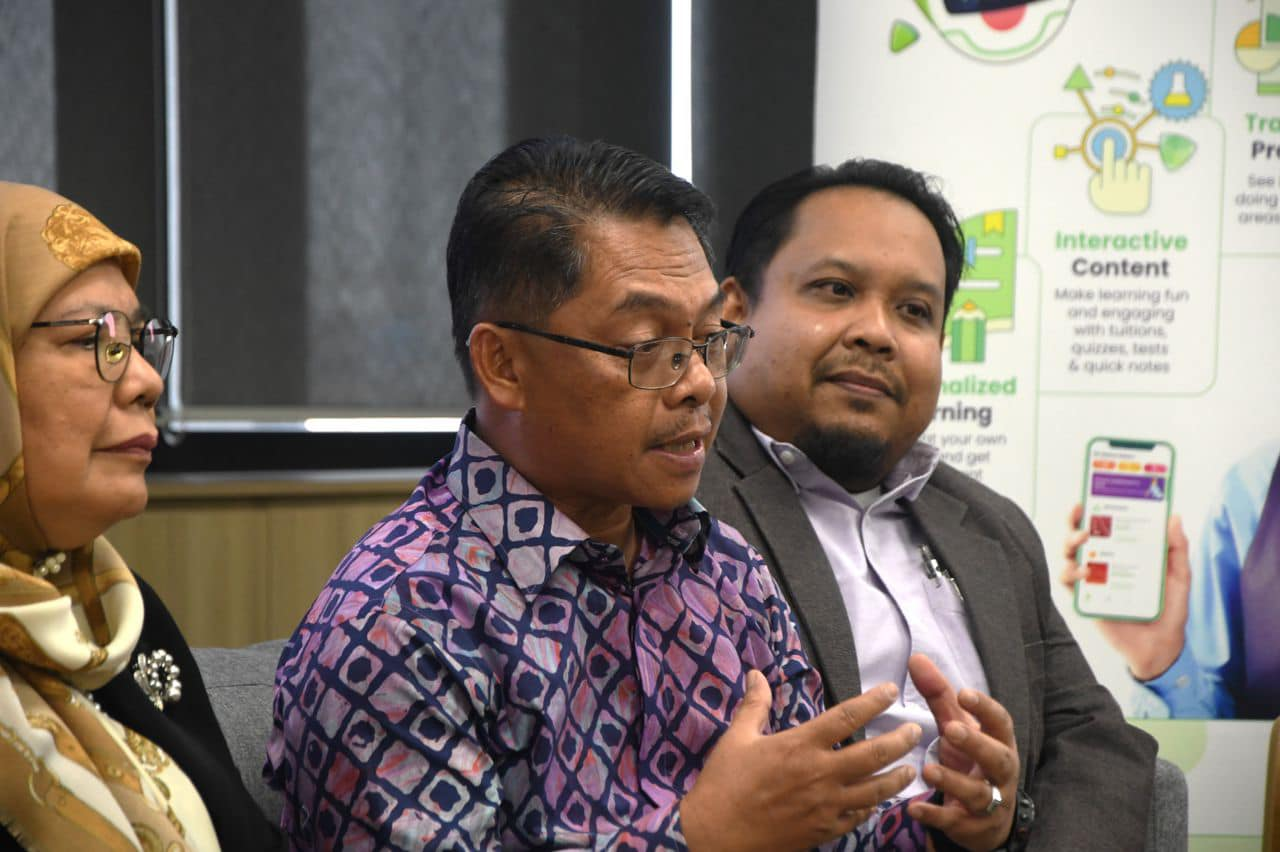
Focus on STEM is crucial to ensure that the country does not face a shortage of talent or skilled workforce in high-tech fields to meet industry needs. He gave examples such as Microsoft’s investment of RM10.5 billion in cloud infrastructure and artificial intelligence (AI), Amazon Web Services (AWS) investment in Malaysia announced last year amounting to RM25.5 billion, and the German investor Infineon Technologies AG (Infineon) in Kulim, Kedah, amounting to RM25 billion.
“This requires local graduates with STEM-related skills and expertise,'” he said.
Talking about local STEM graduates, the Deputy Minister explained that efforts to improve their quality are implemented in two stages: through the Malaysia Education Development Plan 2015-2025 by the Ministry of Higher Education (KPT) itself; and through the emphasis on three main aspects, namely Access, Curriculum, and Financial Support in Higher Education Institutions (IPT).
70% practical, 30% theoretical
He also noted that education must evolve beyond traditional campus-based systems to focus on holistic student development, equipping them with the skills and expertise demanded by today's job market. For instance, "Work-Based Learning" integrates practical work experience into education, ensuring students acquire both academic knowledge and hands-on experience.
Additionally, he emphasized the need to strengthen TVET (Technical and Vocational Education and Training) and STEM (Science, Technology, Engineering, and Mathematics) education through professional certification. This can be achieved by participating in reskilling and upskilling programs or obtaining industry-recognized professional qualifications.
AI Faculty
“The establishment of the first Faculty of Artificial Intelligence (FAI) at UTM, reflects the collaboration between KPT and UTM as a strategic step by the MADANI Government, successfully implemented within three (3) months, as a result of the unified thinking and actions of KPT, UTM, and various stakeholders,” he said.
Meanwhile, strengthening the research and innovation ecosystem and consolidating the enabling ecosystem for higher education in the implementation of artificial intelligence is reinforced through the establishment of the Malaysia Artificial Intelligence Consortium or MAI Consortium.
KPT has also signed various memorandum of understanding with industry partners through the Government-Industry Coordination Body (GITC), which acts as an intermediary facilitator.
Through these initiatives, the government aims not only to produce a qualified workforce in STEM fields but also to ensure that Malaysia remains at the forefront of the global technology revolution. Through strategic cooperation and continuous investment, the country will be able to fully harness the potential of local talent to support technology-driven economic growth and drive future innovation.
The views expressed here are those of the author/contributor and do not necessarily represent the views of Malaysiakini.
Interested in having your press releases, exclusive interviews, or branded content articles on Malaysiakini? For more information, contact advertise@malaysiakini.com or advertise@fgmedia.my


