


/file/publisher-c1a3f893382d2b2f8a9aa22a654d9c97/2025/06/9176bcc97575a500aaed1ec4088dbee2.jpg)

Sewerage bills in Malaysia: What are you really paying for?
In everyday life, once wastewater disappears—whether from a flushed toilet or a kitchen sink—it’s easy to forget about it. Out of sight, out of mind. Yet, the management of wastewater is a crucial service that ensures public health, environmental protection, and proper sanitation.
In Malaysia, this responsibility falls on the shoulders of the national sewerage company, Indah Water Konsortium Sdn Bhd (IWK). Despite playing an essential role, sewerage services are often taken for granted—until something arises.
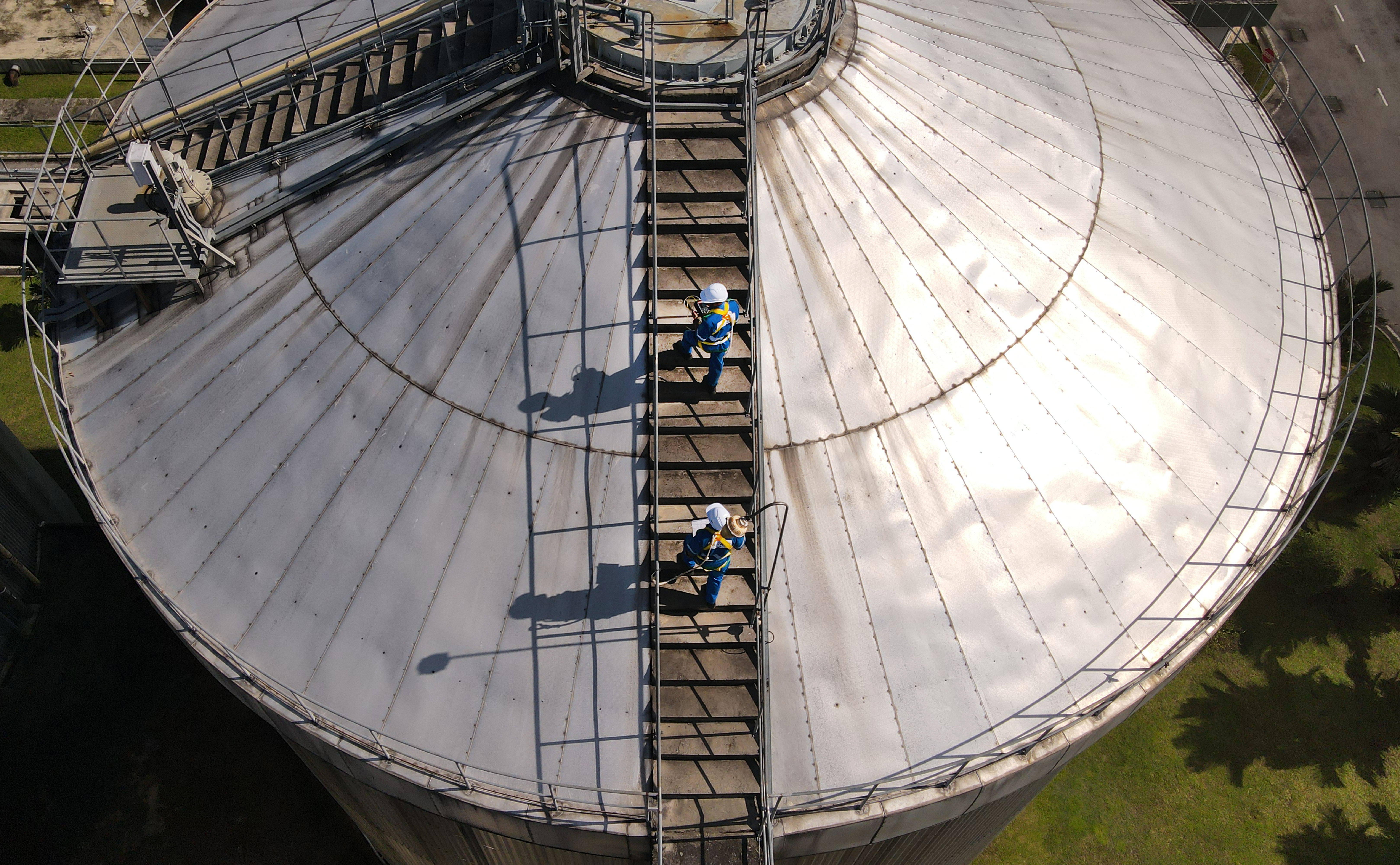
One of the most common questions raised by households concerns the sewerage bill. Issued twice a year, the bill often leads to questions like: What exactly is being paid for? How are their services rendered? Does this mean someone is coming to empty the sewerage tank?
To better understand this, it helps to first understand the types of sewerage systems in Malaysia.
Types of Sewerage Systems
There are two main types: Connected Sewerage System and Septic Tanks (Individual or Communal).
Connected systems are properties that are linked to the public network of sewerage pipelines. Wastewater is transported through underground pipes to a regional sewage treatment plant managed by IWK. Properties connected to this system typically receive a bill once every six months, covering the cost of collection, treatment, and infrastructure maintenance.
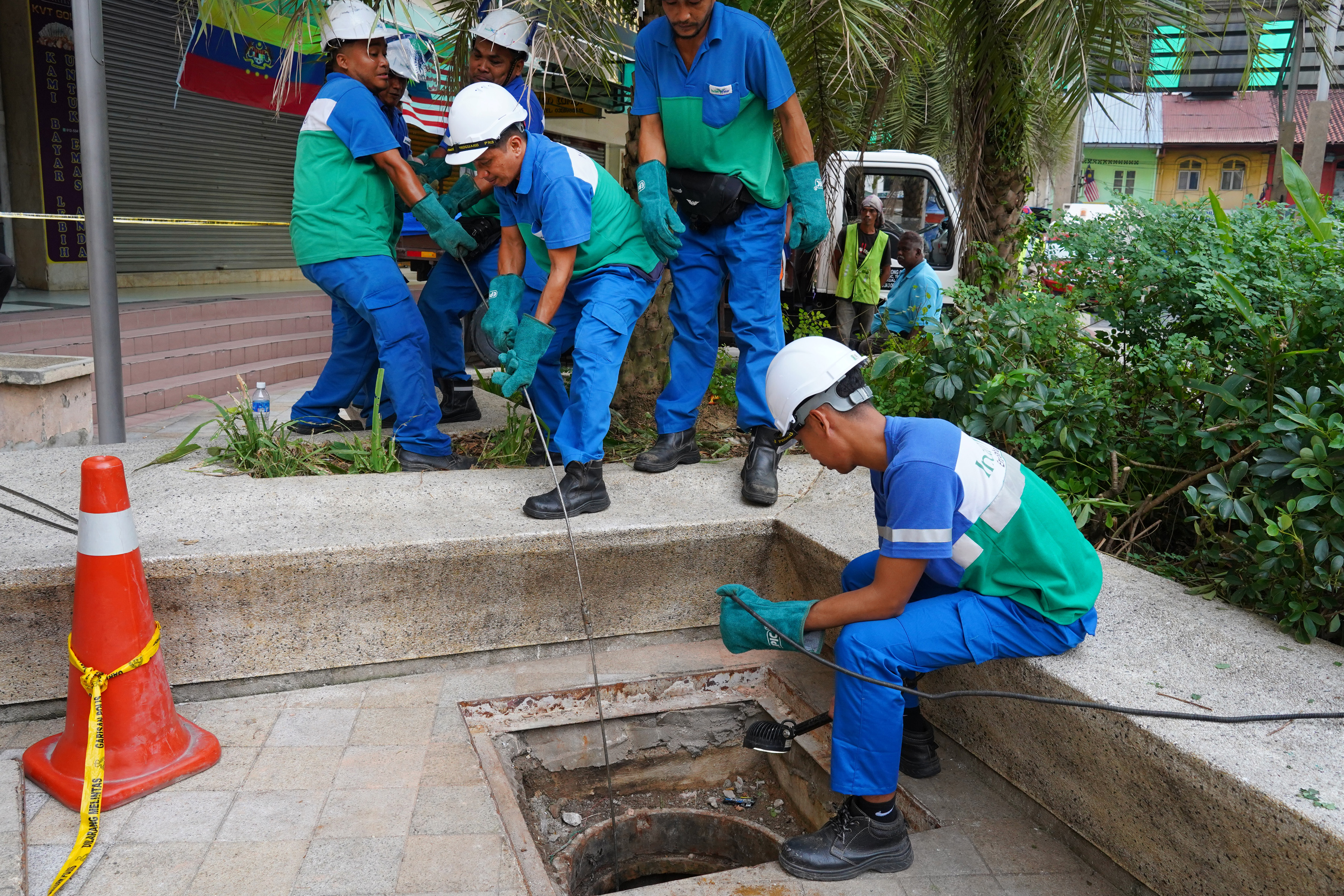
Septic Tanks (Individual or Communal) are properties that are not connected to the central network rely on individual or communal septic tanks. These tanks must be desludged periodically (ideally once every two years) to prevent overflow and environmental contamination. In such cases, IWK provides desludging services on request. No recurring bill is issued unless the service is rendered, in which case a one-time fee is charged for each desludging.
Understanding What the Charges Cover
For connected systems, the charges contribute to the development, operation, and maintenance of Malaysia’s modern sewerage infrastructure. This includes the operations and maintenance of 9,133 sewage treatment plants and pumping stations and more than 22,000km network of sewerage pipelines, that serves a Connected Population Equivalent (cPE) of 32 million. Monitoring and compliance to environmental regulations, as well as upgrades and repairs to aging infrastructure is among its key roles.
IWK’s STPs operate continuously, 24 hours a day, seven days a week, as wastewater treatment is a constant and demanding process. Ensuring all equipment functions optimally through advanced monitoring systems is crucial to minimising malfunctions. Although most STPs are mechanised and automated, thousands of workers remain essential to effectively manage and maintain the entire system.
Although sewerage services largely operate behind the scenes, the impact is far-reaching—ensuring that untreated wastewater does not contaminate rivers, soil, or water supplies. This affects not only the environment but public health and sanitation.
Why Have Charges Increased and Where Does It Go To?
IWK maintained the same tariff structure for nearly 28 years since its establishment in 1994. However, over the years, the demand for sewerage services has significantly increased. The company has taken over more treatment plants, faced rising operational costs, and dealt with growing volumes of wastewater—all without adjusting its charges until recently.
Sewerage charges are set by the Malaysian Government based on affordability and fairness to support efficient sewerage management. The tariff of charges were revised on 1 October 2022 for desludging services and 1 January 2023 for connected sewerage services. More details can be found in the Water Services Industry (Sewerage Services Charges) Regulations 2022 here and (Amendment) 2025 here.
The revised tariffs reflect the need to sustain and enhance Malaysia’s sewerage system to meet modern standards, comply with environmental regulations, and support growing populations.
To better understand what the charges in your bill contribute to, here is a breakdown of where the amount you pay goes:
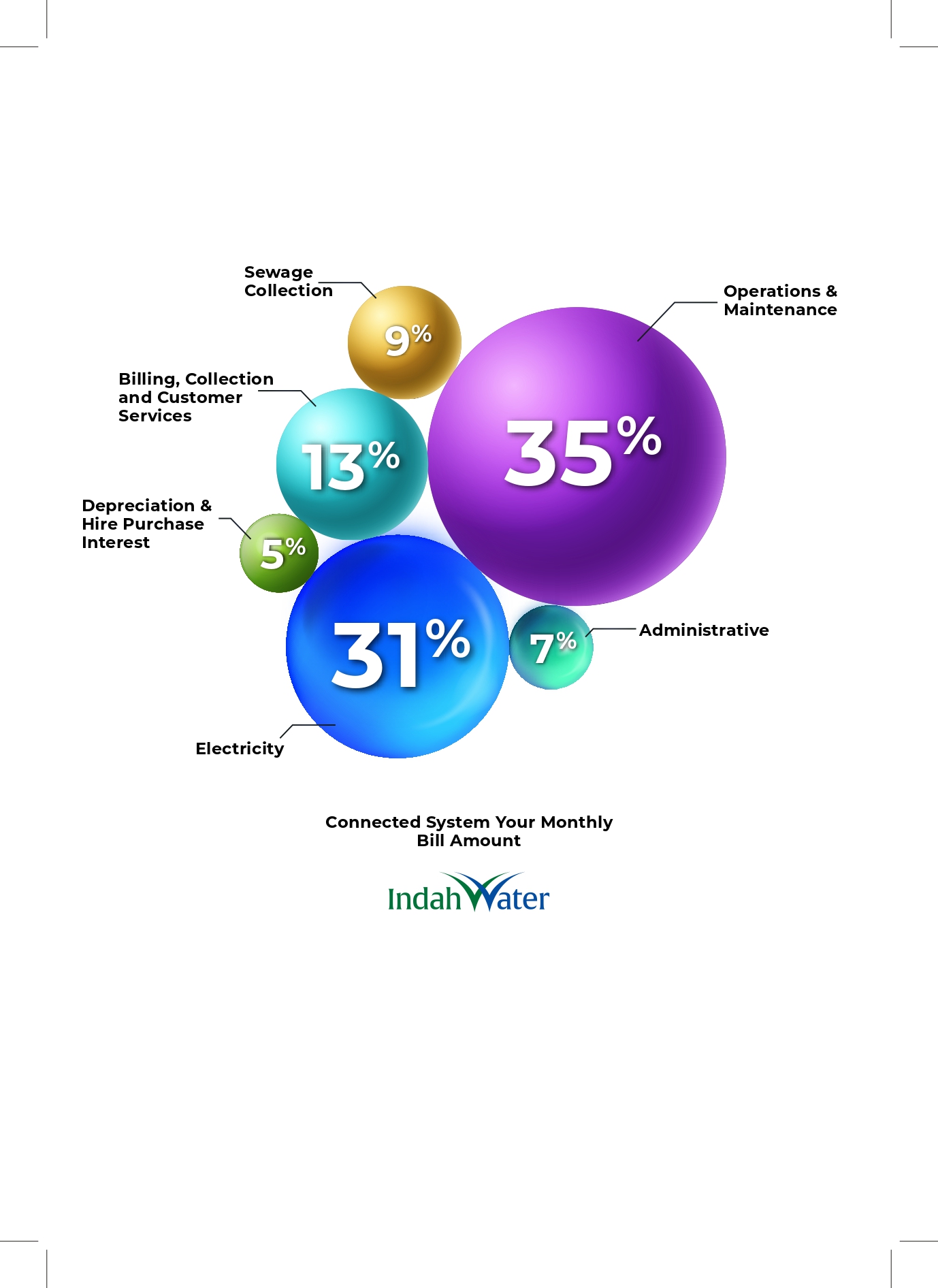
IWK charges its customers below the actual cost of providing sewerage services. The average maintenance cost for premises domestic connected to the central sewerage system is approximately RM17 per month, whereas the current tariff ranges between RM4.09 and RM12.32 per month, depending on the property category.
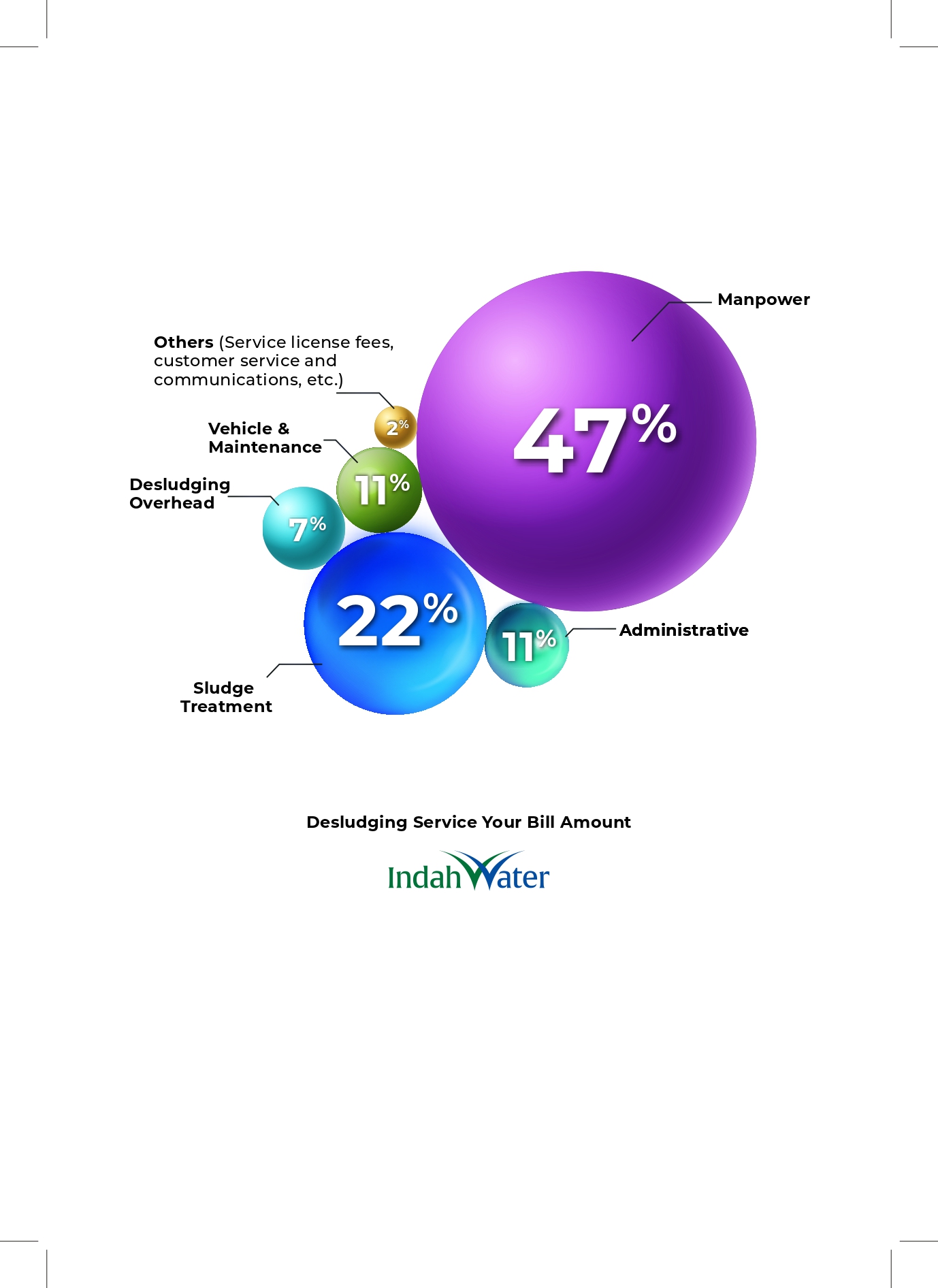
The disparity between the current charges and the actual operating cost is also evident in IWK’s desludging service, where customers are charged RM192 per service despite the actual cost amounting to around RM430 per individual septic tank—based on an average desludging volume of 1.7m³ and a unit cost of RM263 per m³.
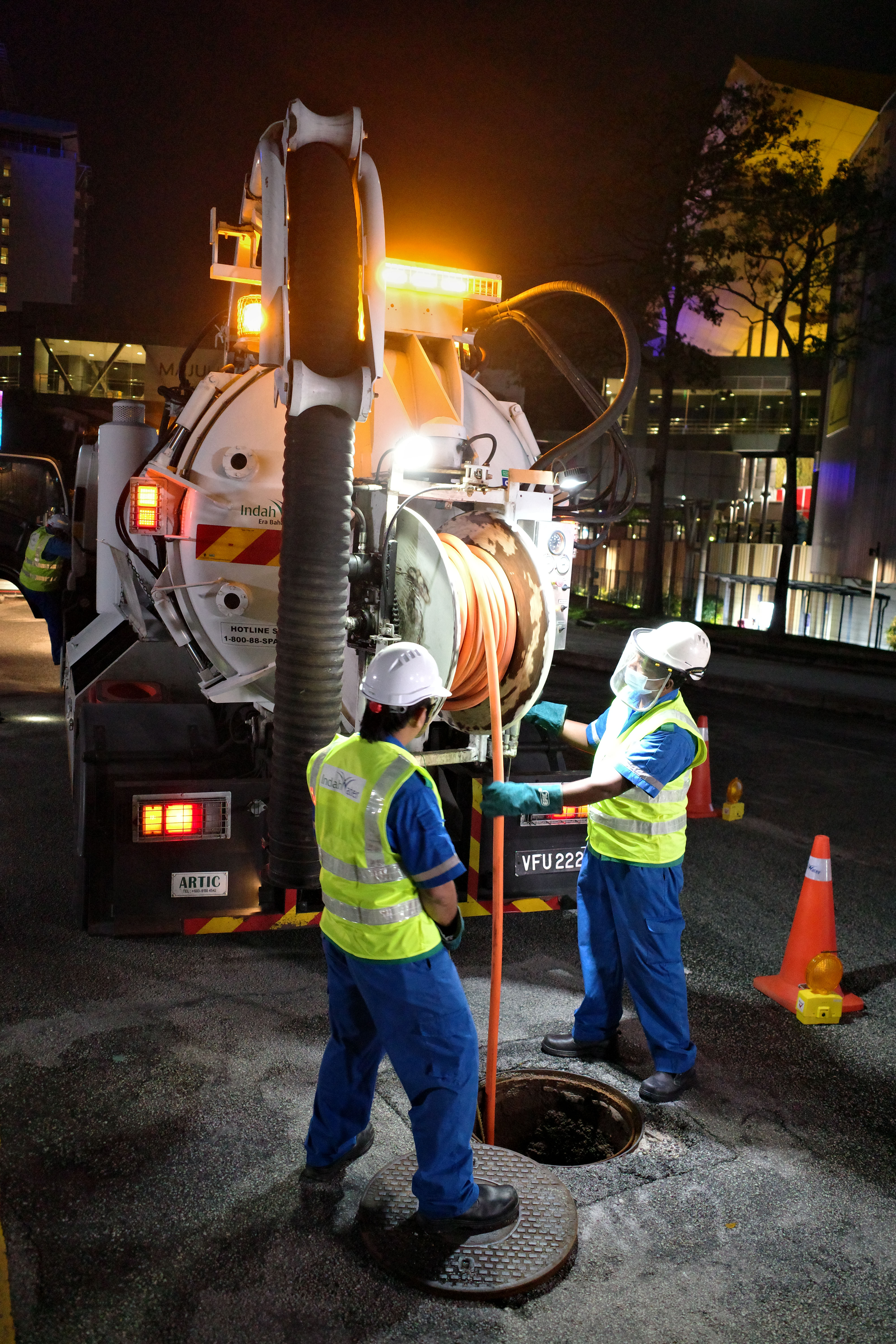
Sewerage may not be visible in everyday life, but its value cannot be overstated. The charges paid to IWK support a nationwide system that protects health, preserves the environment, and ensures safe, clean communities. Understanding the role of sewerage services and how the billing works helps in appreciating what goes into managing one of society’s most essential utilities.
But imagine a future where IWK can no longer operate efficiently — where sewage treatment plants fail, leading to polluted rivers, health hazards, and environmental impacts. That’s why your continued support is crucial.
This content is provided by IWK
The views expressed here are those of the author/contributor and do not necessarily represent the views of Malaysiakini.
Interested in having your press releases, exclusive interviews, or branded content articles on Malaysiakini? For more information, contact advertise@malaysiakini.com or advertise@fgmedia.my


