


/file/publisher-c1a3f893382d2b2f8a9aa22a654d9c97/2025/12/4b707aac454155070301fb60399d3275.jpg)

Why your knees hurt: The critical link between weight and joint health
Think of your knees as the gears of a finely tuned machine. When everything is balanced, movement feels effortless. But add extra weight, and those gears are forced to work harder than they’re designed to.
Over time, that constant strain wears them down, leading to stiffness, discomfort, and eventually pain. For many Malaysians, this strain can show up in everyday activities like walking, climbing stairs, or even getting out of bed.
With more than half of Malaysians now classified as overweight, our knees are quietly bearing the burden. According to Dr. Rizal, a Consultant Orthopaedic and Arthroplasty Surgeon at Pantai Hospital Kuala Lumpur, even small weight gains can significantly increase the risk of developing knee osteoarthritis.
How weight affects knee joints

“Every additional 1kg of body weight places an extra 3 to 4kg of pressure on the knees,” Dr. Rizal explained. “When you consider that this load is repeated thousands of times each day with every step, the cumulative stress on the joint becomes significant.”
“Our cartilage does not have pain nerve endings; therefore, any damage will not become apparent until the damage has become significant. By the time pain, discomfort, or stiffness become apparent, the injury may already be moderate to advanced,” he explained.
This gradual cartilage wear causes micro-injuries and triggers low-grade inflammation within the joint. While weight loss can significantly reduce knee osteoarthritis pain, Dr. Rizal noted that even maintaining a stable weight can play an important role in slowing further joint damage.
Why are younger adults developing knee problems earlier?
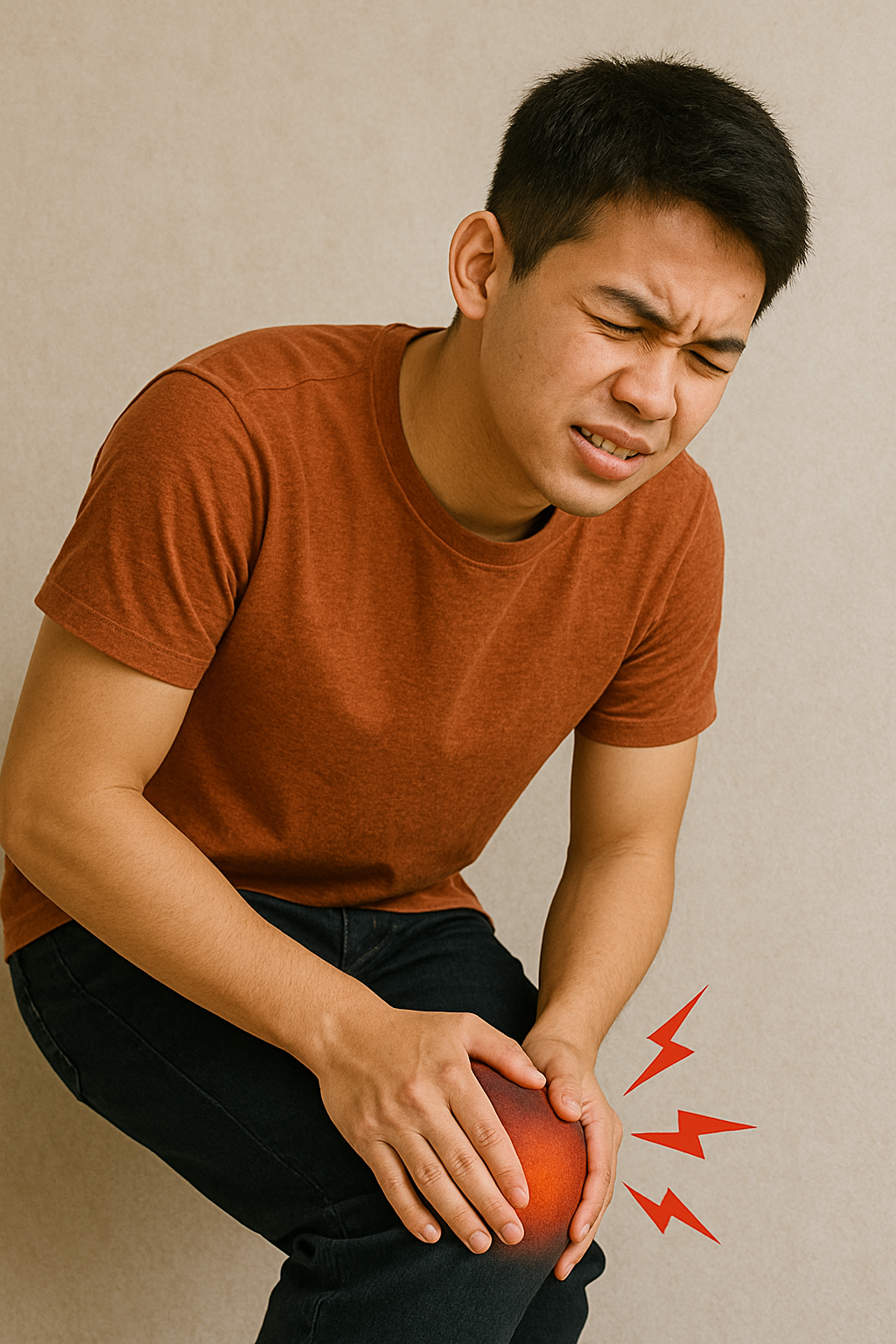
Knee pain was once considered a problem of ageing. Today, however, younger adults are increasingly experiencing knee issues and lifestyle factors are largely to blame.
“Globally, several health and lifestyle trends are contributing to the rising incidence of knee osteoarthritis among younger populations. In Malaysia, increasing obesity rates among young adults place added strain on the knee joints at a much earlier age,” said Dr Rizal.
Urban living and sedentary routines further compound the issue. Long hours spent sitting, reduced daily movement, and minimal muscle strengthening can weaken the muscles that support the knee. When these muscles fail to absorb load effectively, more stress is transferred directly to the joint, accelerating wear and tear.
At the same time, there is the “weekend warrior” phenomenon. Many young adults alternate sedentary workweeks with intense, high-impact exercise. While staying active is essential, sudden bursts of strenuous activity without proper training, warm-ups, or recovery can overload the knees. Over time, repeated strain may lead to chronic injuries and early-onset osteoarthritis.
Early warning signs to watch for
One of the biggest challenges with knee problems is how easy they are to ignore in the early stages. Symptoms often start subtly, with morning stiffness that eases after a few minutes, mild swelling by the end of the day, or a tight, uncomfortable feeling after prolonged sitting or walking.
“You may notice that movements such as squatting, standing up from a low chair, or climbing stairs don’t feel as smooth as before. If the knee occasionally feels unstable or gives way, it may indicate that the muscles and ligaments are no longer supporting the joint adequately,” said Dr Rizal. “
Left unaddressed, these early signs can progress into more serious and lasting joint damage.
Why acting early matters
Knee degeneration does not happen overnight. It builds gradually, with small strains and minor injuries accumulating over time. This is why early intervention is crucial.
Taking action early through strengthening exercises, weight management, and lifestyle adjustments gives the knees the best chance to remain healthy, functional, and pain-free in the long term.
How Pantai Hospital Kuala Lumpur supports knee health
At Pantai Hospital Kuala Lumpur, knee care goes beyond simply treating pain. For patients dealing with knee issues linked to obesity, sedentary habits, or long-term joint strain, the orthopaedic team adopts a comprehensive and personalised approach.
This includes accurate diagnosis, early intervention strategies, targeted physiotherapy, weight and movement considerations, and, when required, advanced surgical options aimed at restoring mobility while preserving as much natural joint function as possible.
How Mako SmartRobotics enhances surgical precision
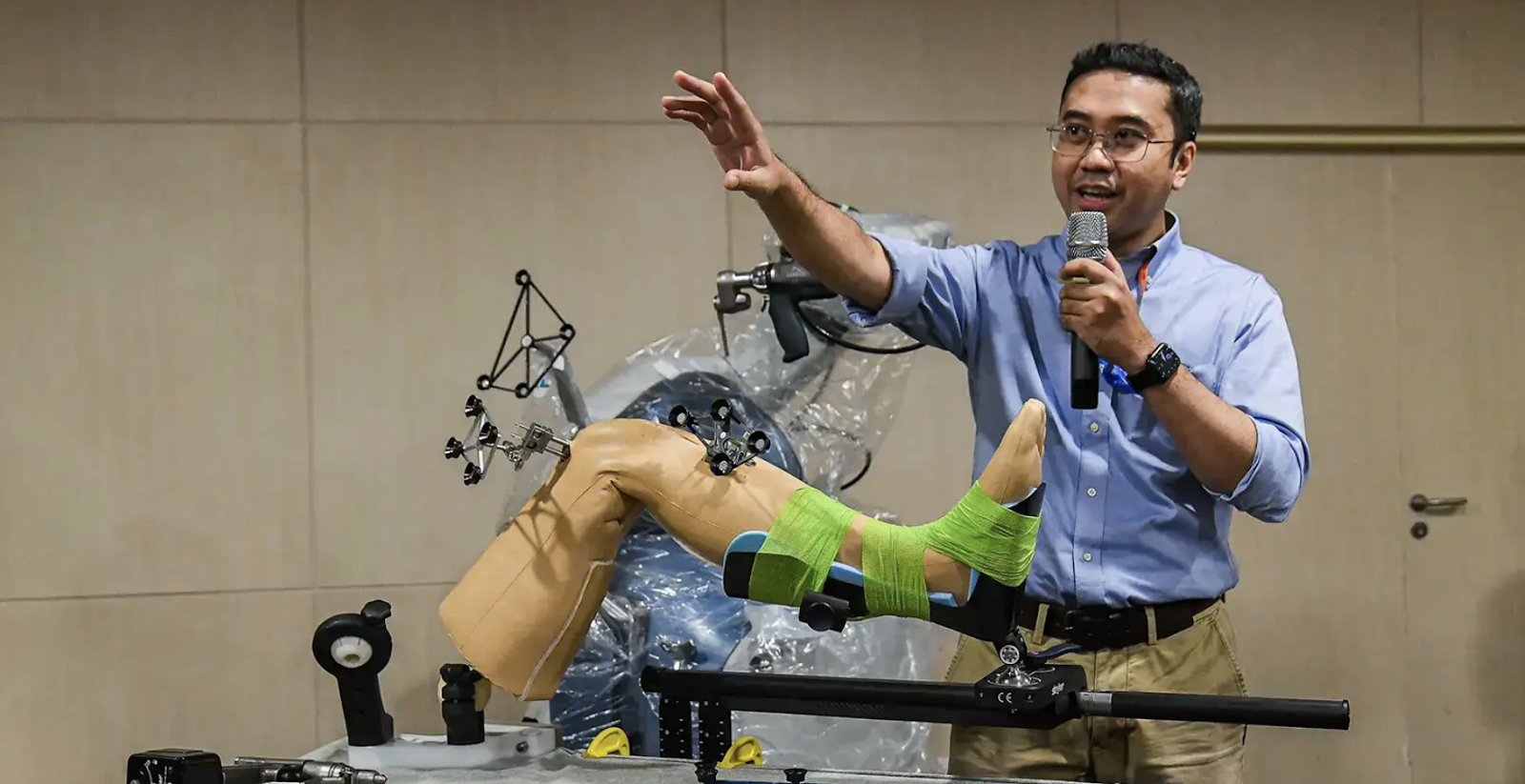
For patients who require knee replacement surgery, Pantai Hospital KL offers Mako SmartRobotics, an advanced, patient-specific surgical system that enhances precision and planning.
Before surgery, a preoperative CT scan creates a highly detailed 3D model of the patient’s knee. This allows surgeons to determine implant size, positioning, and the exact amount of bone to be removed even before entering the operating theatre.
During the procedure, haptic-guided technology provides tactile feedback and controlled resistance, helping surgeons stay within planned boundaries and protect surrounding muscles, ligaments, and soft tissue. Real-time intraoperative data continuously measure joint alignment and balance, allowing for immediate adjustments and a more personalised fit compared to conventional mechanical alignment methods.
What this means for recovery and long-term outcomes
This precision translates into a smoother recovery journey for patients. More accurate bone cuts and better preservation of soft tissue with the Mako Smartrobotics together with the implementation of Enhanced Recovery After Surgery (ERAS) protocol, an evidence- based multidisciplinary care pathway designed to optimise recovery after total knee arthroplasty at Pantai Hospital Kuala Lumpur, patients often experience less post-operative pain and swelling. This allows them to start physiotherapy earlier, walk sooner, and regain mobility more quickly.
In the long term, improved joint alignment and soft tissue balance also support better function and durability of the implant, helping patients return to everyday activities with greater ease, stability, and confidence in their movement.


Are you sure you want to delete this comment?
This action cannot be undone.