


/file/publisher-c1a3f893382d2b2f8a9aa22a654d9c97/2026/01/9402126b4a85641e1c52a85c84bcff1e.png)

HRD Corp’s 2025 report card: Strengthening skills delivery at scale
By 2025, workforce development featured more prominently across the region as industries adapted to technological change and evolving skills requirements. Employers across sectors continued to invest in training to support productivity, adaptability and workforce readiness.
For Malaysia, these dynamics were further shaped by its role as ASEAN Chair. Skills development, workforce readiness and talent mobility featured strongly in regional conversations, reinforcing their role as key contributors to economic growth and labour market sustainability.
Within this context, 2025 highlighted the importance of sustained, large-scale delivery. Skills institutions continued to play a central role in supporting employers, workers and communities, ensuring access to training while responding to changing industry needs.
HRD Corp’s performance during the year offers a snapshot of how Malaysia’s national training ecosystem supported workforce development at scale, balancing access, sectoral relevance and inclusion.
Scale and reach of training delivery
HRD Corp continued to operate at a significant national scale. In 2025, RM2.62 billion in financial assistance was approved, enabling more than 2.8 million training places across HRD Corp-administered programmes and schemes. These efforts supported over 105,000 registered employers and covered close to five million employees nationwide, reinforcing the breadth of the national training ecosystem.
Manufacturing recorded the largest share of training activity, with more than 795,000 training places approved. The sector, which contributes between 23 and 25 per cent of Malaysia’s GDP, employs approximately 2.4 million workers, particularly in electrical and electronics, food and beverage, and petroleum and chemical products. Wage growth in the sector expanded modestly, reflecting continued efforts to support productivity and skills upgrading.
The digital economy also featured strongly. With digital activities projected to contribute 25 per cent of GDP in 2025, HRD Corp approved RM130 million under IR4.0-related initiatives, supporting more than 103,000 training places across the ICT and digital economy sectors.
Taken together, these figures highlight the continued role of skills development in supporting workforce resilience and business competitiveness across key segments of the economy.
ASEAN Chairmanship and regional skills cooperation
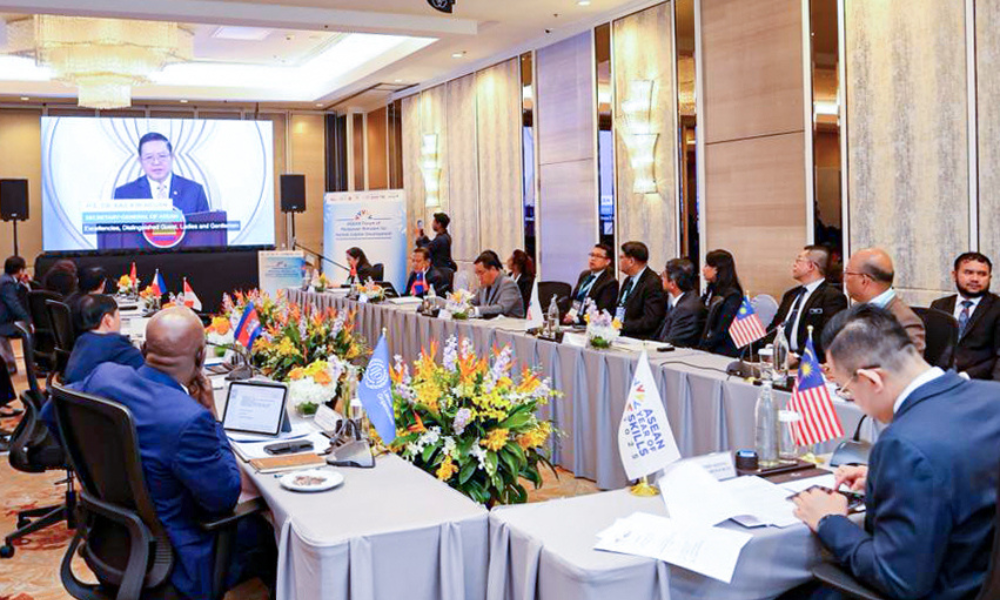
At the regional level, HRD Corp supported Malaysia’s ASEAN Chairmanship through the ASEAN Year of Skills (AYOS) 2025, implemented in collaboration with the Ministry of Human Resources (KESUMA).
Framed around the theme “Bridging Talent, Building ASEAN”, AYOS comprised seven flagship platforms curated with the ASEAN Secretariat (ASEC) and International Labour Organization (ILO). In carrying the AYOS vision, the initiative adopted a focused approach that explored several key areas, including digital and green transformation, training markets, TVET, sustainable development and skills financing.
AYOS concluded with the Global Skills Forum 2025 and the ASEAN Forum of Manpower Ministers for Human Capital Development, where a joint ministerial statement was adopted. The statement reflected shared regional priorities in areas such as digital skills, green skills, artificial intelligence and talent mobility.
National Training Week and what scale really tells us
Domestically, expanding access to learning opportunities remained a key focus. National Training Week (NTW) 2025, held in conjunction with AYOS, marked its third year with expanded participation under the theme “Learning Beyond Borders.”
With 3.74 million enrolments recorded, NTW 2025 saw a substantial increase in participation compared with 375,817 enrolments in 2024. Courses covered digital skills, artificial intelligence, STEM, entrepreneurship and life skills, with delivery largely supported through online platforms.
Beyond participation figures, NTW continued to demonstrate strong demand for accessible and flexible learning opportunities, particularly as individuals seek to upskill or reskill in response to evolving job roles and workplace expectations.
This broad-based participation provided an important foundation for extending skills development to a wider range of communities and learner groups nationwide.
Inclusion beyond the margins
Inclusive access to skills development remained an integral component of HRD Corp’s training ecosystem. In 2025, 18,137 Malaysians benefited from targeted skills initiatives supported through a combination of government grants and HRD Corp funds.
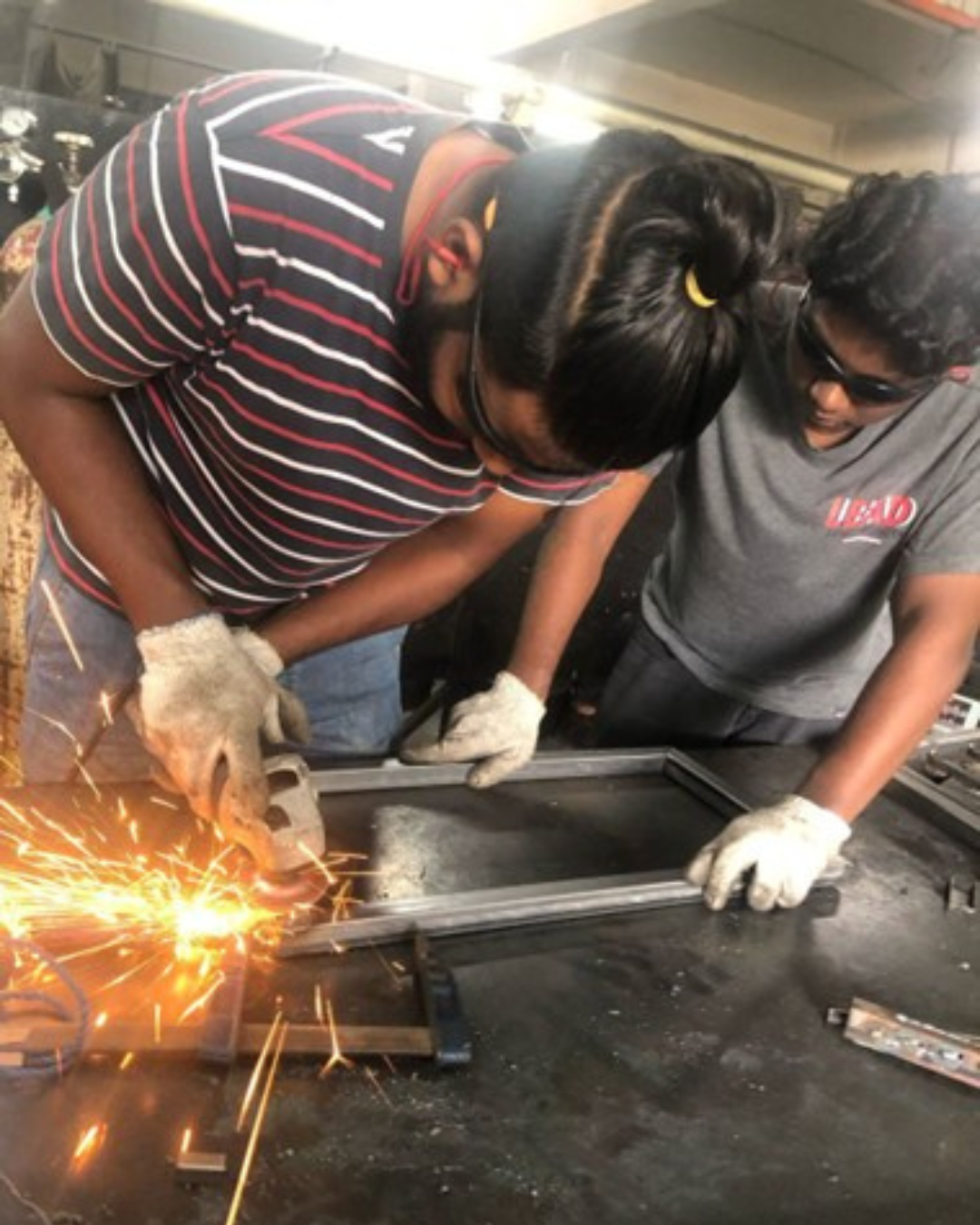
Under the Malaysian Indian Skills Initiative (MISI), 1,108 trainees were trained in sectors such as electrical and electronics, IT, artificial intelligence and cybersecurity, with a further 442 trainees expected. These programmes expanded employability pathways and access to skills within the community.
In the logistics sector, the Professional Advancement in Trucking and Haulage (PATH) programme trained 156 participants, strengthening employability through licensing and safety competencies. At the community level, HRD Corp trained 9,929 participants and reached 4,210 beneficiaries through TVET and entrepreneurship-based programmes delivered via its Pusat Latihan Pembangunan Kemahiran (PLPK).
Within the training market, Train-the-Trainer programmes for persons with disabilities benefited 134 participants, contributing to greater diversity among certified trainers and supporting inclusive training delivery.
Financial stewardship and institutional capability
Alongside programme delivery, HRD Corp maintained a disciplined approach to financial management. Assets under management grew to RM4.16 billion, supported by steady levy contributions and reserve growth. Investment returns amounted to RM215 million, translating into a 5.35 per cent return on investment, reflecting continued emphasis on governance and sustainability.
Looking ahead
HRD Corp’s 2025 performance reflects a year of continued delivery across training access, inclusion and regional cooperation.
Amid ongoing changes in the world of work, skills development remains a central pillar of Malaysia’s economic and labour agenda. The experience of 2025 highlights the importance of sustained access, sectoral relevance and sound governance in supporting workforce readiness and inclusive growth.
Despite the significant achievements recorded in 2025, HRD Corp recognises the need to sharpen and reposition its focus in 2026. Strengthening SME participation in training and talent development, alongside accelerating the growth of a highly skilled Malaysian workforce, will be among HRD Corp’s key priorities for the year ahead.


