


/file/publisher-c1a3f893382d2b2f8a9aa22a654d9c97/2026/03/648a6ee4fad058ea3ca4a0b827a2e229.png)

Back in action: Restoring mobility through motion preservation surgery
Movement is something we rarely think about until it becomes painful.
Back and neck pain are among the most common health complaints, often prompting people to move less and avoid activities they once enjoyed. Exercise gets postponed, social plans are adjusted, and over time, this cycle of pain and avoidance can affect both physical health and emotional well-being.
Today, spine care is evolving beyond the idea of restriction and rest. On Health Matters’ Back in Action: Restoring Mobility Through Motion Preservation Surgery, Dr Lim Sze Wei, Consultant Orthopaedic, Trauma and Spine Surgeon from ALTY Orthopaedic Hospital, shared how modern motion-preserving approaches are helping patients relieve pain while maintaining natural movement so they can return to daily life with greater ease and confidence.
How spine surgery has evolved
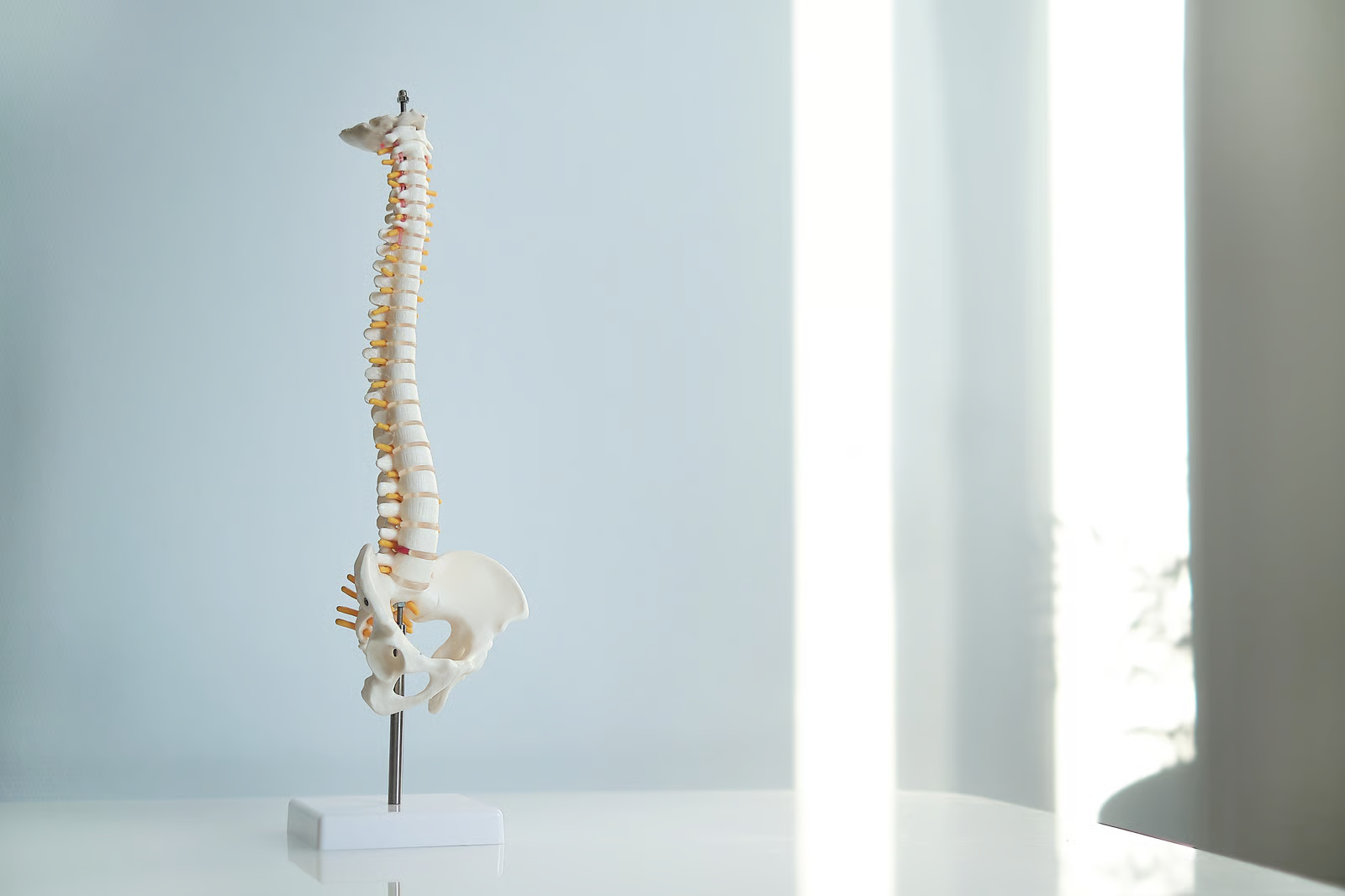
For decades, spinal fusion was the standard surgical solution for many spine conditions. The procedure stabilises the spine by permanently joining two or more vertebrae using screws and rods. While fusion can be effective in relieving pain caused by instability, it also restricts movement at the treated segment.
“Fusion surgery has helped many patients. But by limiting movement at one level of the spine, extra stress is often transferred to the neighbouring segments. Over time, this can contribute to further degeneration and discomfort,” Dr Lim explains.
This is where modern spine care has begun to shift its focus to motion preservation.
Motion-preserving surgery serves as an alternative treatment to spinal fusion surgery, where it alleviates pain and restores the normal movements of the joints.
It is a minimally invasive surgery that involves implanting specially designed interspinous constructs. These constructs are metallic or polymer implants inserted into the disc space and secured to both sides of the vertebrae. The constructs increase the space between the vertebrae, thereby relieving pressure on nerves and helping to restore normal motion of the spine in all directions, such as forward, backwards, and sideways bending.
Addressing fears around spine surgery
Many people still fear spine surgery, believing it to be painful, risky, and permanently limiting, but Dr Lim says this perception is rooted in experiences from decades ago, when recovery was longer. Today, advances in surgical techniques and technology have made spine surgery significantly safer and less invasive, allowing many patients to walk within hours of the procedure and return home within one to two days.
Why are spine problems affecting younger people?

Spine problems were once thought to affect mainly older adults, but an increasing number of patients in their 30s and 40s are now seeking treatment for back and neck issues. According to Dr Lim, modern lifestyles are a major contributor—long hours of desk work, prolonged computer use, poor posture, lack of regular movement, and obesity all place continuous stress on the spine, speeding up wear and tear that would otherwise take decades to develop.
In addition, sports injuries and repetitive overuse are becoming more common, further straining the spine at a younger age. Dr Lim also highlights constant mobile phone use as a growing concern, as spending long periods looking down places significant strain on the neck. Together, these everyday habits accelerate spinal degeneration, leading to earlier onset of back and neck problems that were once associated with later life.
Why early treatment matters
The spine works as a connected chain. Each vertebral level is designed to move a little, and together they allow smooth bending, twisting, and load-sharing. When one segment loses motion because of degeneration, the levels above and below must compensate by moving more.
This extra motion increases mechanical stress on nearby discs, joints, and ligaments, which can accelerate wear and tear. Over time, this process may lead to adjacent segment degeneration, where a problem that started at one level progresses to involve multiple levels.
“By treating the issue early and preserving motion, we reduce stress on neighbouring levels and lower the risk of needing more extensive surgery later. Early intervention often means smaller procedures, faster recovery, and better long-term outcomes,” said Dr Lim.
What patients can expect

Treatment always begins with a detailed consultation. Doctors assess pain duration, nerve symptoms, daily limitations, and lifestyle demands. Imaging such as X-rays, MRI, or CT scans helps identify disc damage, nerve compression, and spinal stability.
Not everyone needs surgery. Physiotherapy, lifestyle changes, or injections may be enough for some patients. When surgery is needed, minimally invasive approaches are prioritised.
Protecting your Spine for the long term
Surgery is only part of the equation. Daily habits play a crucial role in long-term spine health.
Posture matters. Keep your phone at eye level. Adjust your computer screen to avoid neck strain. Take breaks every 30 minutes, stretch often, and avoid staying in one position too long.
Strengthening the core, back, neck, and abdominal muscles provides vital support for the spine. And while ergonomic chairs and standing desks can help, consistency in good habits matters.
A message for those living with pain
For anyone who has lived with back or neck pain for months or years, fear often becomes the biggest barrier to seeking help.
“Don’t wait,” Dr Lim advises. “Pain lasting more than three months can become ingrained in the nervous system and harder to treat. Seek medical advice early, even after a few weeks of persistent pain.”
Modern spine care, he emphasises, is no longer about limitation; it’s about freedom.
“Today, spine surgery is about getting you moving again. With the right treatment, we can restore movement, reduce pain, and help people return to the life they enjoy.” Dr Lim says.
Because staying active isn’t just about fitness, it’s about living fully, confidently, and without fear of every step.
Watch the replay of the Health Matters’s talkshow HERE


Are you sure you want to delete this comment?
This action cannot be undone.