


/file/publisher-c1a3f893382d2b2f8a9aa22a654d9c97/2026/03/d3327f28430bd9069d622cf9ebeadb07.jpg)

From mitigation to restoration: SD Guthrie explores regenerative palm oil
Palm oil has long occupied a complicated place in the global sustainability debate.
For producing countries like Malaysia, it is a vital agricultural commodity that supports livelihoods, rural economies and national exports. Yet the industry has also faced sustained scrutiny over land use, biodiversity loss and climate impacts.
Over the years, many producers have responded by strengthening sustainability commitments and adopting certification standards designed to minimise environmental harm.
But some in the industry believe the conversation needs to move further.
At SD Guthrie, that shift is taking shape through a broader sustainability strategy known as “Beyond Zero”, which aims not only to reduce environmental impact but also to improve the landscapes where the company operates.
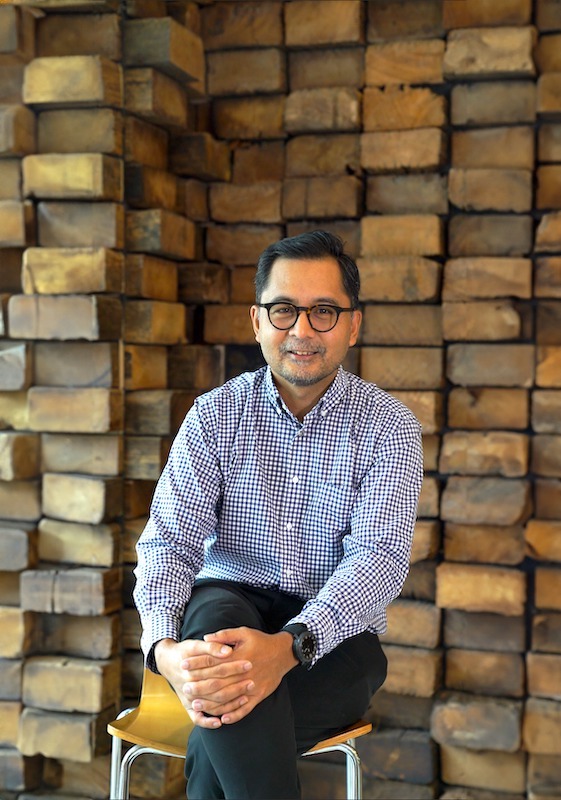
According to Rashyid Redza Anwarudin, Guthrie’s Chief Sustainability Officer, the framework reflects a deliberate effort to move the industry’s narrative from defence to leadership on sustainability.
“Historically, when we look at the palm oil industry, much of the narrative has been about responding to scrutiny,” he said.
“We talk about minimising harm, reducing waste and reducing impact. But when palm oil is done right, it can also deliver positive outcomes for people, for nature and for the environment.”
One of the initiatives emerging from this shift is the company’s effort to develop a regenerative agriculture framework for its plantations.
The framework has recently reached an important milestone. A draft has been completed, and Guthrie is testing it through pilot projects at Carey Island in Peninsular Malaysia and the Binuang Palm Oil Mill and its supplying estates near Tawau in Sabah.
The Sabah pilot will also involve a five-year collaboration with WWF-Malaysia to establish a wildlife corridor, strengthen biodiversity conservation, and implement WWF’s global regenerative palm oil framework, in real operating conditions.
The aim is to test how regenerative agriculture principles can be applied in large plantation landscapes and to gather the data needed before any wider implementation.
Moving beyond mitigation
Guthrie’s regenerative agriculture initiative sits within the company’s “Beyond Zero” sustainability framework, which is organised around three pillars: Zero, Restore and Transform.
The Zero pillar focuses on reducing negative impacts, including commitments such as its net-zero targets, preventing deforestation and strengthening circular practices across operations.
Transform centres on people, covering labour practices, human rights and programmes designed to support smallholders and workers connected to the palm oil supply chain.
The third pillar, Restore, focuses on protecting and strengthening ecosystems across plantation landscapes. This includes conservation work, reforestation efforts and the development of regenerative agriculture practices.
“We want to go beyond zero,” Rashyid said. “But to go beyond zero, you first need to reach zero. Once that foundation is there, the question becomes how we move towards restoring landscapes and strengthening ecosystems.”
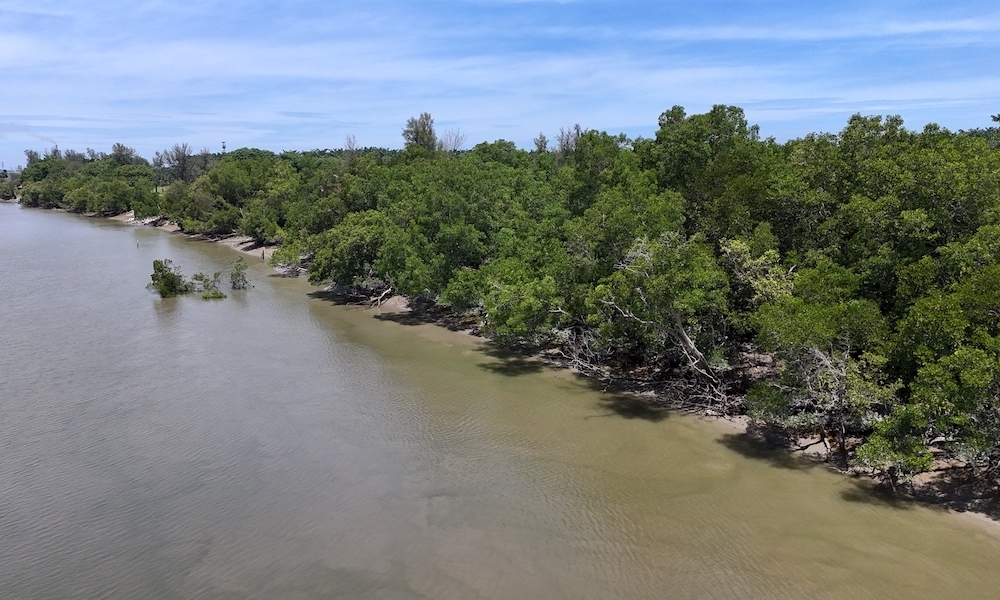
As part of this pillar, the company has also committed to conserving and restoring 100,000ha of land by 2030 within its operations and across the landscapes where it operates.
Understanding regenerative agriculture
Although the term has gained traction in global agricultural discussions, regenerative agriculture remains unfamiliar to many outside the sector.
Broadly speaking, the concept refers to farming approaches designed to improve soil health, strengthen biodiversity and increase the resilience of agricultural ecosystems over time.
Yet Rashyid cautions that the idea is sometimes simplified too easily.
“In many places, regenerative agriculture is described as a list of practices,” he said. “For example, if you do A, B and C, then you are practising regenerative agriculture.”
Guthrie is approaching the concept from a different angle.
Rather than defining regenerative agriculture through a fixed checklist of actions, the company is focusing on the outcomes it hopes to achieve.
Those outcomes include healthier soils, stable or improved yields, positive environmental impacts, and stronger socio-economic conditions for workers and surrounding communities.
For Rashyid, the key challenge is demonstrating these improvements in a credible manner.
“If we cannot measure and demonstrate the outcomes, it becomes very difficult to show the real impact of regenerative agriculture,” he said.
Building the evidence
That emphasis on evidence explains why the initiative is beginning with pilot projects.
The first stage will focus on establishing baseline data across the selected sites. This will provide a clearer picture of current soil conditions, environmental indicators and socio-economic factors before any new interventions are introduced.
“So the first year is really about understanding the baseline,” Rashyid said. “We want to know what we are measuring and whether those measurements can be done consistently and credibly.”
Soil health is one of the central indicators under consideration. Researchers are examining which metrics best reflect soil quality and how frequently samples should be taken to practically produce reliable data without disrupting operations.
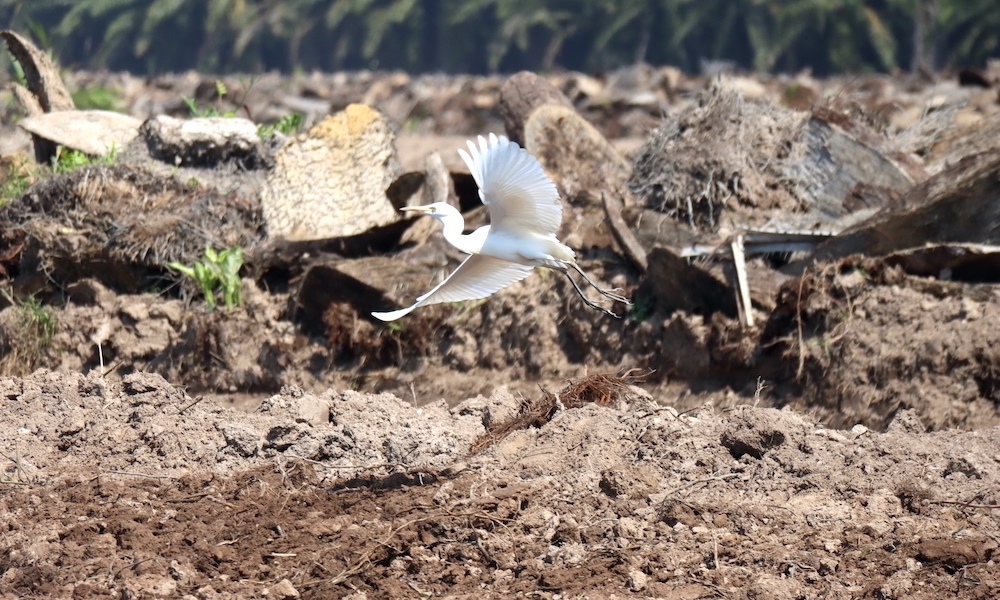
Environmental indicators will also be monitored, including water management, emissions levels and the protection of forest areas within plantation landscapes.
The company is also looking at how regenerative practices might influence the broader socio-economic environment in and around its operations.
Once baseline data is established, the company will begin introducing selected interventions and measuring whether these lead to improvements over time.
From estates to landscapes
Applying regenerative agriculture concepts within oil palm plantations presents challenges that differ from those of other crops.
Some regenerative principles, such as soil conservation, integrated pest management and returning organic biomass to the soil, are already part of good agricultural practices in the palm oil sector.
The challenge, Rashyid explained, is demonstrating how these practices contribute to measurable environmental and productivity outcomes over time.
Another factor is the scale of plantation operations.
Regenerative agriculture initiatives in other crops are often tested at the farm level. Guthrie’s pilots will instead examine the concept across entire plantation landscapes, including mills and multiple estates.
“In Sabah, for example, we have a mill and several estates spread across a wider landscape,” Rashyid said. “So we are looking at how regenerative agriculture can work across that whole system.”
This broader perspective reflects the idea that ecological health often depends on how land is managed across a region rather than within isolated plots.
Partnerships and innovation
Implementing regenerative agriculture at this scale also requires collaboration.
The partnership with WWF-Malaysia is intended to bring additional expertise in landscape conservation and ecosystem restoration.
Government agencies, research institutions and other stakeholders will have roles to play as the initiative evolves.
“We recognise that we don’t know everything,” Rashyid said. “That’s why partnerships with organisations that have different expertise are important.”
Technology is also expected to support the initiative.
Tools such as satellite monitoring, soil carbon sensors, bio-based inputs and precision agronomy technologies could help plantation managers better understand environmental conditions and manage land more efficiently.
Guthrie’s research and development teams are exploring how these technologies might support the company’s regenerative agriculture efforts.
Supporting smallholders
Smallholders form an important part of Malaysia’s palm oil ecosystem, and their participation will be crucial to any broader transition towards regenerative agricultural practices.
However, many smallholders face structural barriers, including limited financial resources and difficulties accessing reliable agricultural inputs.
Guthrie runs smallholder inclusion programmes in Papua New Guinea, Solomon Islands, Indonesia and even here in Malaysia, to help address these challenges.
These programmes include providing training in agricultural practices and help farmers access higher-quality seeds and fertilisers. In some cases, agronomists conduct field assessments to identify nutrient deficiencies and recommend more targeted fertiliser applications.
“These programmes help smallholders improve productivity and make better use of inputs,” Rashyid said.
Insights from such initiatives may also inform how regenerative agriculture approaches can be adapted for smaller farms.
A long-term shift
Transitioning to regenerative agriculture will likely require careful balancing between environmental ambition and operational realities.
Some interventions may involve upfront investments or adjustments to plantation practices.
Rashyid sees the initiative as a long-term investment in the resilience of plantation landscapes.
Healthier soils, improved ecological balance and more resilient farming systems could ultimately support productivity while reducing vulnerability to climate risks.
“We need to look at both the environmental and the commercial aspects,” he said. “It’s about finding approaches that make sense from both perspectives.”
Changing the narrative
For Rashyid, regenerative agriculture also carries broader implications for how palm oil is perceived globally.
“If we can demonstrate credible, measurable improvements on the ground, then we can show that palm oil, when done properly, can play a role in protecting ecosystems, supporting biodiversity and strengthening climate resilience,” he said.
Such evidence could help reshape the narrative around one of the world’s most scrutinised agricultural commodities.
“As these efforts gain visibility and credibility, regenerative agriculture has the potential to position palm oil as part of the solution rather than the problem in sustainable tropical agriculture.”
For now, the focus remains firmly on the pilot projects.
Over the coming years, the Carey Island and Sabah sites will serve as testing grounds for ideas that could influence how palm oil plantations are managed across Malaysia and beyond.
Whether regenerative agriculture fulfils its promise will ultimately depend not on aspiration alone, but on evidence measured in healthier soils, resilient landscapes and thriving communities.
More details on Guthrie’s regenerative agriculture initiative and its “Beyond Zero” sustainability commitments are available at https://www.sdguthrie.com/beyond-zero.


