


/file/publisher-c1a3f893382d2b2f8a9aa22a654d9c97/2026/06/55b9ce9c78cf201259f22c9e94e7381e.png)

Spine surgery: Why it’s no longer something to fear
Have you ever experienced nagging neck or back pain that just won't go away?
For many, it is a temporary discomfort caused by poor posture, long hours at a desk or a minor injury. For others, it can become a debilitating condition that affects mobility and overall quality of life.
The spine is an interconnected structure that relies on healthy bones, discs, ligaments and muscles to function properly. When one part is affected, pain and discomfort can often extend to other parts of the body.
Unfortunately, fear of surgery often prevents patients from seeking help until their symptoms become difficult to ignore. Images of large incisions, prolonged hospital stays and lengthy rehabilitation often cause people to delay seeking treatment, sometimes for years.
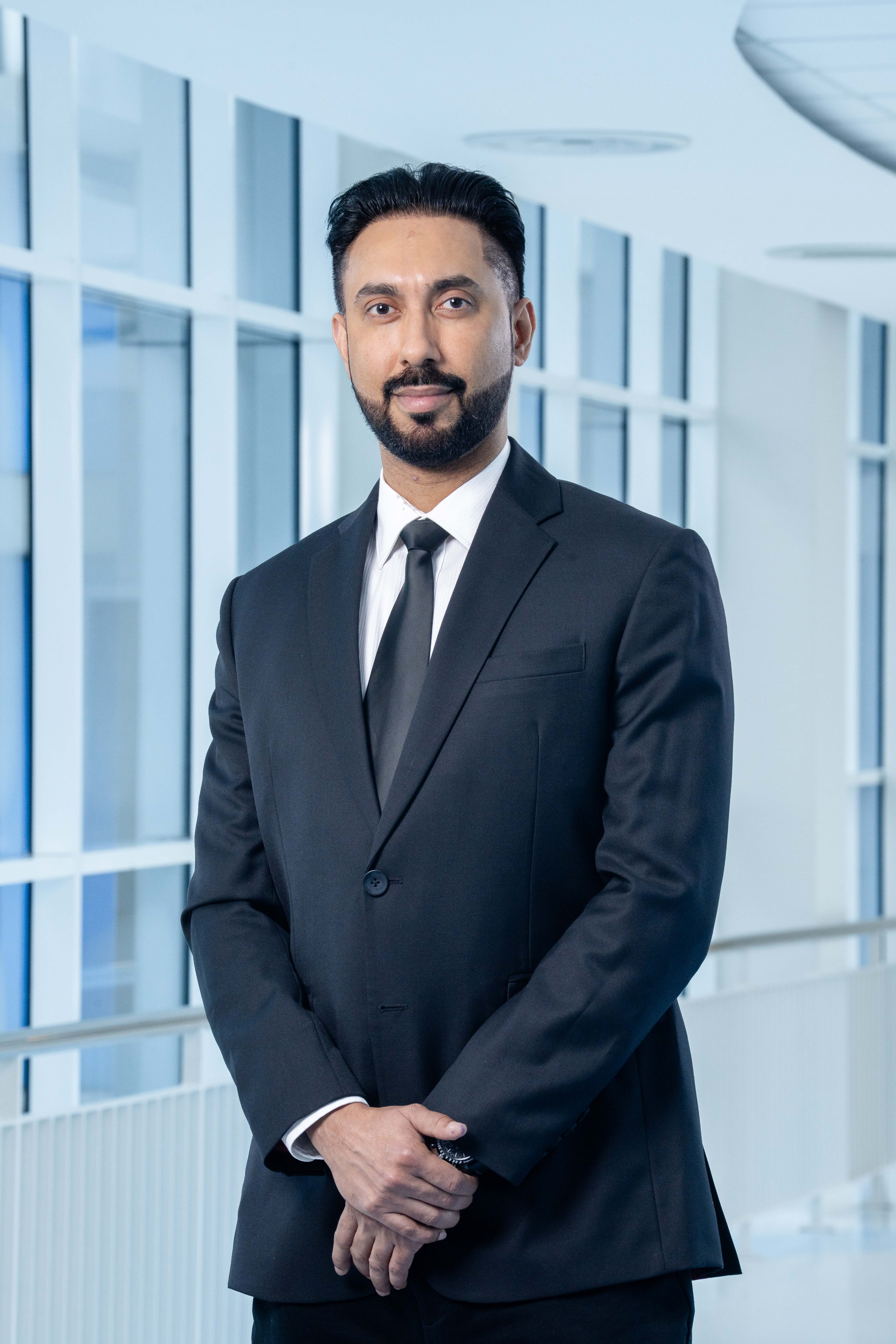
“The reality, however, is very different today. Advances in spinal health care over the past 30 years have shifted the field from traditional open surgeries to highly precise, minimally invasive procedures that prioritise faster recovery and reduced trauma to surrounding tissues,” said Dr Manmohan Singh, Consultant Orthopaedic and Spine Surgeon at Columbia Asia Hospital Cheras.
One of the most significant developments in recent years is endoscopic spine surgery. This minimally invasive technique allows surgeons to treat certain spinal conditions through an incision measuring just 8 to 10 millimetres.
“Unlike traditional open spine surgery, which often requires larger incisions and significant muscle dissection to reach the spine, endoscopic surgery uses a specialised camera known as an endoscope. The camera provides a high-definition, magnified view of the affected area, allowing surgeons to remove tissue compressing the nerves with exceptional precision,” said Dr Manmohan.
Treating common spinal conditions
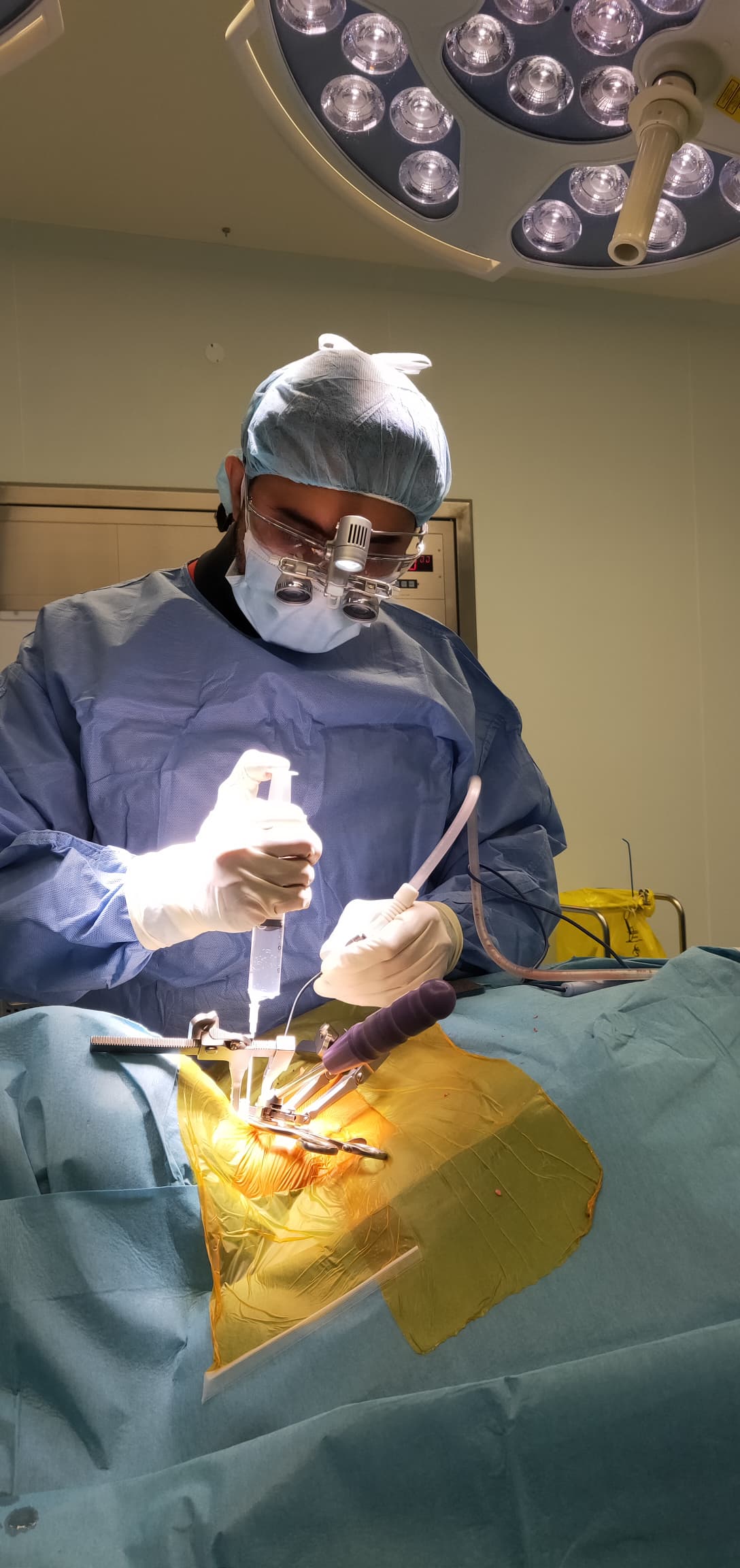
According to Dr Manmohan, endoscopic spine surgery has become an effective treatment option for a growing number of spinal conditions, particularly those involving nerve compression.
"Slipped discs are among the most common spinal conditions affecting younger and middle-aged adults," he explained.
Also known as a prolapsed or herniated disc, a slipped disc occurs when the soft cushioning material between the vertebrae protrudes and presses against nearby nerves. This can cause lower back pain, numbness, tingling or weakness that often radiates down the leg.
Among older adults, lumbar spinal stenosis is a more frequent concern.
"As the spine naturally degenerates with age, the spinal canal can narrow and place pressure on nearby nerves. Patients may experience pain, numbness, weakness and increasing difficulty walking or standing for long periods," he said.
Surgery is not always the first option
Despite advances in surgical techniques, Dr Manmohan emphasises that surgery remains only one part of a patient's treatment journey.
"Most patients begin with conservative treatments such as physiotherapy, medication, lifestyle modification and posture correction. Surgery is only considered when symptoms persist despite these measures or when there is significant nerve compression causing weakness or loss of function."
This patient-centred approach is a key part of care at Columbia Asia Hospital Cheras, where patients undergo a comprehensive assessment before any surgical recommendation is
Supporting patients throughout recovery
For patients who do require surgery, Columbia Asia Hospital Cheras provides support throughout every stage of the journey.
Before surgery, patients receive detailed counselling about their condition, treatment options, expected outcomes and recovery process. This helps them make informed decisions and approach the procedure with greater confidence.
During surgery, patients benefit from advanced medical technology and a multidisciplinary team comprising surgeons, anaesthetists, nurses and allied healthcare professionals working together to ensure a safe and seamless experience.
Following surgery, patients are closely monitored by the healthcare team. Physiotherapy guidance, pain management and follow-up consultations help ensure a smooth recovery and successful return to daily activities.
“For many patients, one of the most surprising aspects of endoscopic spine surgery is how quickly they can regain mobility. Most younger patients can walk within hours of the procedure, while many can return to light daily activities within a short period. Compared with traditional surgery, hospital stays are often significantly shorter,” said Dr Manmohan.
A second chance at mobility
For one elderly patient, the decision to undergo minimally invasive spine surgery changed her life.
An 83-year-old woman had spent years confined to a wheelchair after declining multiple recommendations for traditional open spine surgery. The prospect of large incisions and spinal instrumentation made her hesitant to proceed.
When she learned about a minimally invasive alternative, she decided to undergo endoscopic spine surgery. “She had been suffering for almost 15 years because she was afraid of surgery,” said Dr Manmohan.
“Today, she's travelling, walking and even dancing again.”
For Dr Manmohan, her story highlights the importance of offering less invasive treatment options whenever appropriate, helping patients regain their mobility and quality of life.
Prevention starts early
While treatment plays an important role, Dr Manmohan believes the best outcomes often begin with prevention.
He regularly sees patients whose spinal problems can be traced back to lifestyle habits developed over many years, including prolonged sitting, poor posture, smoking, obesity and improper exercise techniques.
“Our spinal discs are not meant to withstand continuous sitting,” he explained. “Extended periods of inactivity can place excessive stress on the spine, contributing to pain and discomfort.”
Education, he added, is particularly important for younger generations. While students and young athletes are often encouraged to stay active, they are not always taught how to protect their bodies from injury.
“Proper warm-ups, muscle strengthening and injury prevention are just as important.”
This emphasis on prevention and awareness extends beyond the clinic. Through community outreach programmes, corporate health talks and educational initiatives, Columbia Asia Hospital Cheras continues to promote better spine health and encourage early intervention.
As minimally invasive techniques such as endoscopic spine surgery continue to advance, Dr Manmohan hopes more people will recognise that spine surgery today is very different from what it once was.
“If you have persistent back or neck pain lasting more than six weeks, or symptoms such as numbness, weakness or radiating pain, it is important to seek medical advice early,” he said. “Timely assessment and treatment can help prevent further complications and improve long-term outcomes.”
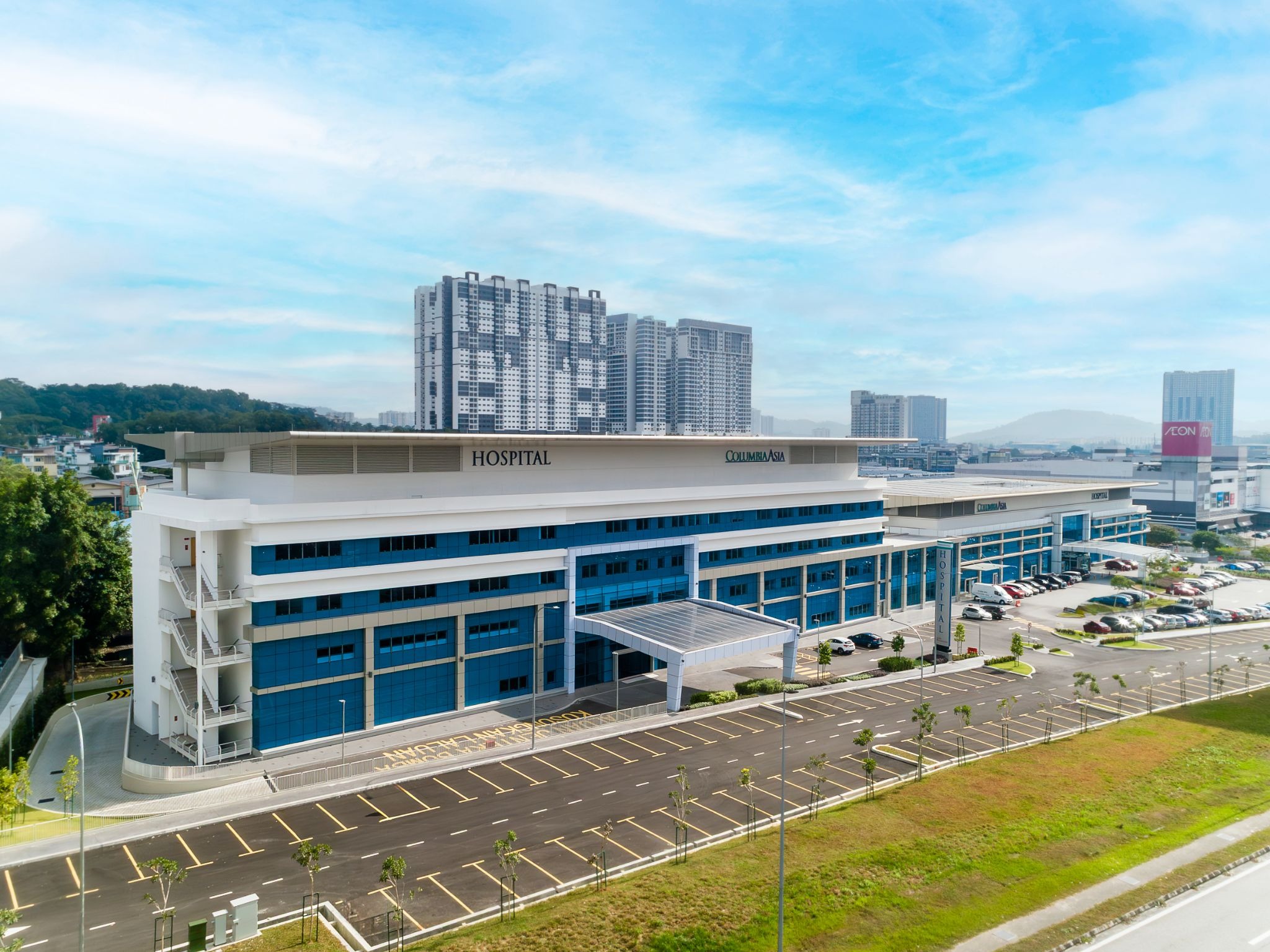
Columbia Asia Hospital Cheras offers a wide range of specialised services, including Neurosurgery, Gyne-Oncology, Maternal-Fetal Medicine, Hand and Microsurgery, Orthopaedic Trauma Surgery, as well as Breast and Endocrine Surgery. With a multidisciplinary team of highly skilled healthcare professionals, Columbia Asia Hospital Cheras delivers expert care across all specialities, ensuring patients receive comprehensive support throughout the entire continuum of care.
Since opening its doors in 2011, Columbia Asia Hospital Cheras has remained dedicated to delivering accessible, high-quality healthcare to communities in Cheras Selatan and surrounding areas such as Balakong, Sungai Long, and Kajang. To meet this growing demand, the hospital has expanded its facilities and continuously invested in upgrading its services and infrastructure, ensuring patients and their families have access to comprehensive healthcare support for better health and well-being.
To learn more about spine health and treatment options, visit Columbia Asia Hospital Cheras or speak to a qualified spine specialist.


