


/file/publisher-c1a3f893382d2b2f8a9aa22a654d9c97/2026/07/6214b7ff7828eb5daa45de92b535a88a.jpg)

Tiredness isn’t always just age: What a slow heart rate could mean for older Malaysians
By: Datuk Dr. Razali Omar, Consultant Electrophysiologist & Cardiologist
In many Malaysian households, symptoms such as tiredness, dizziness, or reduced energy in older adults are often attributed to ‘just old age’. While this assumption is common, it can sometimes delay the identification of underlying medical conditions that require attention.
One such condition is bradycardia, or an abnormally slow heart rate. In many cases, early signs are subtle and easily overlooked, particularly in older adults, leading to delayed diagnosis and missed opportunities for timely treatment.

As Malaysia transitions into an ageing nation¹, cases of heart rhythm-related conditions would be expected to rise. However, clinical experience suggests that detection rates do not always reflect this trend. This gap raises an important concern: some cases may remain unrecognised until symptoms accelerate.
Understanding bradycardia
Bradycardia is generally defined as a heart rate below 60 beats per minute. However, this number alone does not determine whether it is a medical problem. In some individuals, a slower heart rate may be normal, such as in well-trained athletes or during sleep. What is more important is whether it is associated with symptoms such as fatigue, dizziness, or fainting, and whether there is an underlying cause.
What happens inside the ageing heart
To understand why bradycardia occurs, it helps to look at how the heart works. The heart relies on an internal electrical system that generates and coordinates each heartbeat.
With age, this system gradually changes. The heart’s natural pacemaker and electrical pathways may develop fibrosis, or scarring, which can slow down both the generation and transmission of electrical signals. Over time, this may result in a slower heartbeat.
In older adults, this age-related degeneration of the heart’s electrical system is one of the more common causes of bradycardia. Like other forms of wear and tear in the body, it develops gradually and can easily go unnoticed until symptoms appear.
Why bradycardia is rarely caused by ageing alone
While ageing is an important factor, bradycardia is rarely due to a single cause. In most cases, it develops from a combination of age-related changes and other medical or lifestyle factors.
Chronic conditions such as high blood pressure and diabetes can accelerate wear on the heart overtime. Poorly controlled blood pressure forces the heart to work harder, which may lead to thickening of the heart muscle and increased fibrosis. These changes can further disrupt the heart’s electrical signalling.
Certain medications can also contribute. Drugs such as beta blockers, commonly prescribed for heart conditions, may slow the heart rate. While they may be well tolerated earlier in life, their effects can become more pronounced as the heart’s electrical system becomes more vulnerable with age.
A history of cardiac procedures, including bypass surgery, valve surgery, or stenting, may also affect the heart’s conduction system and increase the risk of bradycardia.
Beyond medical and procedural factors, lifestyle-related conditions also play a role. Both excessive alcohol intake and sleep apnoea, a condition where breathing repeatedly stops during sleep, can contribute to long term strain on the heart.
When symptoms are quietly missed
In older adults, symptoms of bradycardia often develop gradually and are easily normalised until a more serious event occurs, such as a fall or fainting episode. These early signs reflect reduced blood flow from the heart and may present as low energy levels, dizziness or light headedness, excessive sleepiness, and a reduced ability to carry out routine daily activities.
Because these changes are slow and non-specific, they are frequently mistaken for normal ageing or reduced activity. Families may assume an older person is simply ‘slowing down’, when in fact an underlying heart rhythm issue may be present.
The consequences of delayed diagnosis
If left untreated, bradycardia can lead to a range of complications. Repeated fainting episodes may increase the risk of falls and injury, while over time the condition may also contribute to heart failure as the heart works harder to compensate for a persistently slow rhythm.
In rare but serious cases, severe rhythm disturbances or sudden cardiac events can occur.
Despite these risks, bradycardia remains underdiagnosed in Malaysia, with many cases only identified when symptoms become more pronounced or complications have already developed.
Treating the cause, not just the symptom
Treatment for bradycardia is not one-size-fits-all. The first step is always to identify and address reversible causes. This may include:
Reviewing medications that may be slowing the heart
Managing conditions such as hypertension and diabetes
Treating sleep apnoea
Reducing alcohol intake and improving overall lifestyle
In some cases, correcting these factors is sufficient to improve heart rate without further intervention.
However, when bradycardia is confirmed to be caused by permanent structural changes in the heart’s electrical system, recovery is unlikely. In such situations, a pacemaker becomes the most effective treatment option. A pacemaker is a small device that helps regulate the heart when it beats too slowly by monitoring its rhythm and delivering electrical impulses when needed to maintain a stable rate.
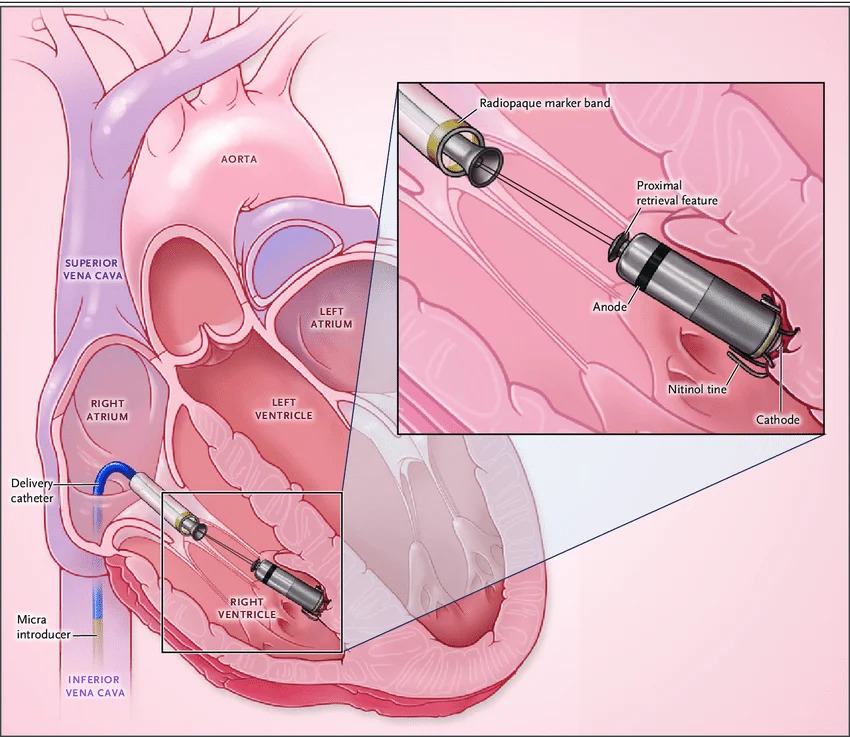
Traditional pacemakers are implanted under the skin and connected to the heart via thin wires, or leads, which transmit electrical signals to regulate rhythm. A newer alternative, known as leadless pacemakers, is significantly smaller and implanted directly to the heart through a minimally invasive procedure via the leg.
The choice of device depends on the patient’s condition and clinical needs. While newer technologies such as leadless pacemakers may offer advantages, including shorter recovery time, they may not be suitable for all patients.
Spotting a slow heart early
Detecting bradycardia does not necessarily require specialised equipment. Simple tools such as blood pressure monitors, pulse oximeters, or wearable devices can help identify unusually low heart rates. Regular monitoring, especially among older adults experiencing symptoms, can prompt earlier medical evaluation.
Learning to recognise warning signs is equally important. Persistent fatigue, dizziness or fainting should not be dismissed as a normal part of ageing. These may be early indicators that the heart is not functioning optimally.
When slowing down is not harmless
As more adults present with fatigue, dizziness, and reduced energy, it is important not to normalise these symptoms without proper evaluation. Conditions such as bradycardia are often subtle in the early stages but can have significant consequences if left unrecognised.
Ultimately, the key message is simple: tiredness is not always just age. Recognising when it may signal an underlying heart rhythm problem allows earlier treatment, better outcomes, and importantly, helps older adults maintain their independence and quality of life.
¹ Malaysia To Become Aged Nation by 2048. Ministry of Finance. August 2025.
This article is part of an educational awareness initiative supported by Medtronic.
The views expressed here are those of the author/contributor and do not necessarily represent the views of Malaysiakini.
Interested in having your press releases, exclusive interviews, or branded content articles on Malaysiakini?
For more information, contact advertise@malaysiakini.com or advertise@fgmedia.my


