


/file/publisher-c1a3f893382d2b2f8a9aa22a654d9c97/2026/02/29552251e8140486e05989bc61ccb8bf.png)

Terberg Tractors Malaysia positions the nation as a key player in global port and logistic operations
Long before electrification and automation reshaped port operations, terminal tractors were already evolving to move faster, handle heavier loads and operate with unwavering reliability. They form the backbone of port operations, driving the efficiency that keeps global trade moving.
In Malaysia, one company has steadily transformed this niche equipment into a global export. Terberg Tractors Malaysia Sdn Bhd (TTM), founded in 2005 as a small Asia Pacific sales office through a joint venture between Sime Darby Industrial Sdn Bhd and the Netherlands-based Royal Terberg Group BV, grew from a quiet start into a player intent on proving that Malaysia could take on a stronger, more strategic role in the region’s industrial landscape.
The shift came in 2013, when TTM acquired a manufacturing plant in Pasir Gudang and assumed full control of its value chain. The factory became the launchpad for a new era. With assembly and production fully localised, TTM emerged as a credible manufacturing base for the Terberg Group.
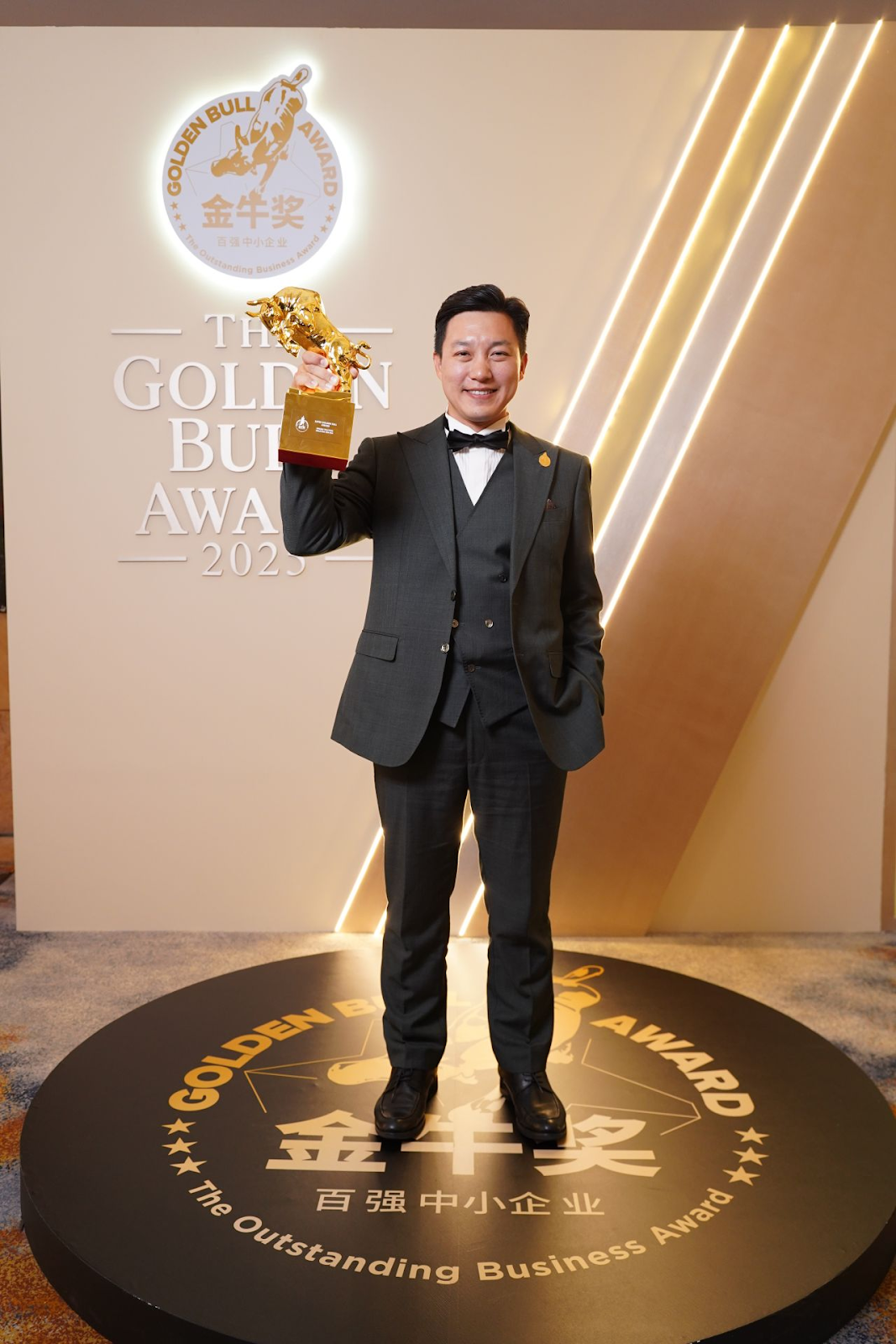
According to Boo Wei Ching, Chief Executive Officer of Terberg Tractors Malaysia, the real turning point came when the company gained full control of everything from raw materials to after-sales support and end-of-life disposal, creating what he described as a complete cradle-to-grave solution that expanded its capabilities and strengthened Malaysia’s strategic value.
With manufacturing capability in place, the company strengthened its presence across Malaysia’s busiest gateways for container traffic from the terminals in Port Klang to the hub in Tanjung Pelepas and the long-established port in Penang, securing a foothold in the country’s most demanding operational environments.
Today, Malaysian-built Terberg terminal tractors operate in more than 50 countries across Asia, the Middle East, Africa and the Americas — progress that, as Boo noted, would have been difficult to imagine in the company’s early years.
Accelerating forward: EV, capacity and automation
TTM’s rise has been driven by a consistent push for innovation. The company introduced its first electric terminal tractor in 2022, marking its entry into cleaner industrial mobility. Over the next three years, the engineering team focused on strengthening battery efficiency, performance and operational reliability through real-world testing.
By late 2025, TTM will debut its next-generation electric model, designed specifically for high-duty port operations and customers seeking sustainable yard equipment.
Growing global demand has also necessitated a major expansion of the Pasir Gudang facility. Through investments in new assembly lines, automation systems and upgraded plant capabilities, TTM is doubling its production capacity — further elevating Malaysia’s role within Terberg’s global supply chain.
The company has also advanced its work in autonomous terminal tractors. Technical trials in controlled port environments have shown that driverless operations are feasible. Boo explained that early results have been promising and that automation could significantly enhance efficiency, safety and long-term operational stability.
He acknowledged that terminals struggle with manpower shortages and operate around the clock, making automation a practical progression. Still, he emphasised that adoption must be phased. “You cannot convert operations overnight, even if the technology is ready,” he noted, underscoring the need for a measured, managed rollout.
Leadership with purpose, growth with responsibility
Technology alone does not define TTM’s trajectory. Much of its progress reflects the leadership discipline introduced by Boo, who oversees both Terberg Tractors Malaysia and the Asia Pacific region. His management philosophy centres on long-term capability building, operational clarity, and a culture that embraces responsibility.
This foundation supported TTM’s diversification strategy. Previously dependent on container terminals, the company now serves steel mills, aluminium plants, warehouses, logistics hubs and large industrial clients. Engagement with haulage operators and regional distribution networks has further broadened the customer base and reduced concentration risk.
Responsibility has been embedded into the organisation. In 2024, TTM published its first Sustainability Report under the Global Reporting Initiative (GRI) framework, articulating environmental, social and governance commitments.
The company set energy-reduction targets, implemented carbon management practices and introduced long-term emission strategies. Each TTM entity also undertakes at least two CSR programmes yearly. Recently, employees volunteered with The Lost Food Project, supporting the distribution of rescued produce to vulnerable communities.
Governance remains central. All employees complete Code of Business Conduct training in alignment with the Malaysian Anti-Corruption Commission Act. As Boo highlighted, these initiatives are not branding exercises; they are long-term practices essential to sustainable growth.
Through these values, TTM demonstrates how the Malaysian industry can grow boldly and responsibly, without compromising integrity or ambition.
Placing Malaysia on the global stage
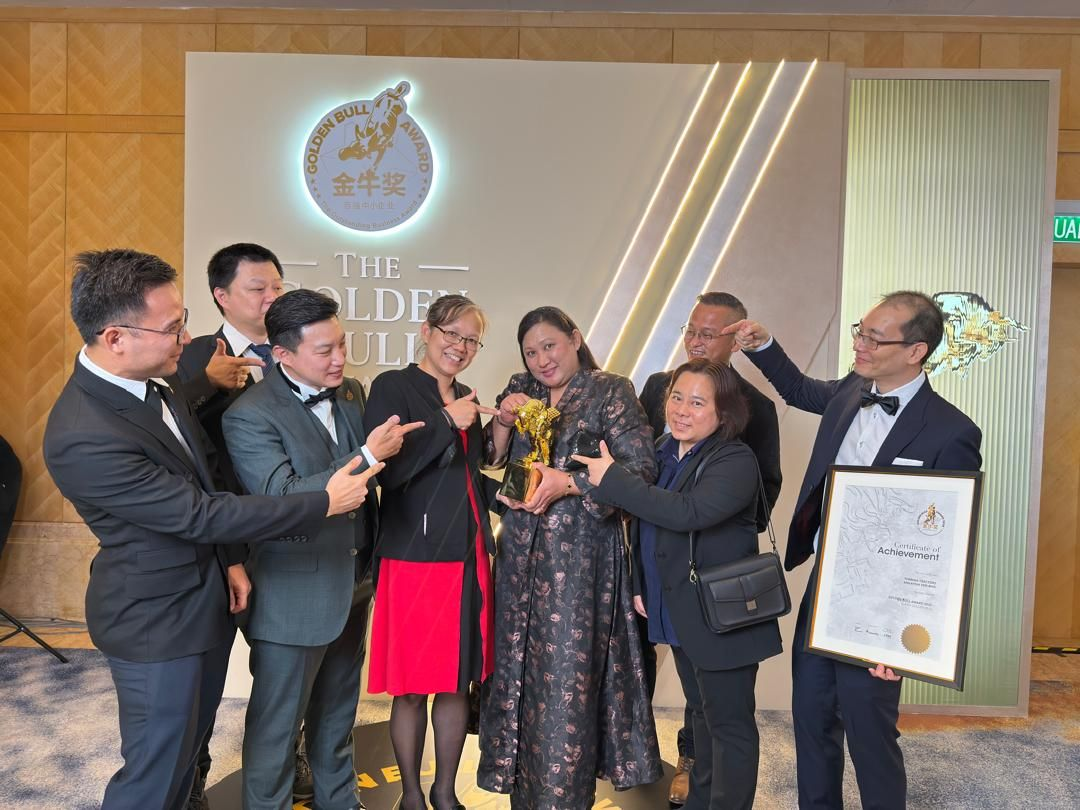
TTM’s rising prominence was underscored by its participation in the 2025 Golden Bull Award, its first time entering the programme, where the company won the Super Golden Bull trophy. For Boo, the recognition symbolised more than external validation.
It reflected the challenges the team had overcome, the nights spent refining improvements, and the persistence that carried TTM from a small sales office to a global manufacturing force. According to Boo, the award reinforced both internal morale and market visibility, especially as the company strengthens its presence among logistics players, hauliers, warehouse operators and regional industrial clients.
Looking ahead, TTM plans to amplify its leadership in electrification, automation and high-performance yard logistics. An expanded manufacturing facility, advanced EV development pipeline and ongoing autonomous trials will position Malaysia more prominently within the global industrial landscape.
Boo emphasised that TTM’s journey illustrates the potential of Malaysian-built machinery to compete internationally. With clear direction and disciplined execution, he believes companies of any size can rise.
For Malaysia’s industrial sector, TTM stands as a reminder that strategy, resilience and purpose-driven leadership can elevate national capabilities on the world stage.
This series of Business Stories is in collaboration with BMI.
The views expressed here are those of the author/contributor and do not necessarily represent the views of Malaysiakini.


Are you sure you want to delete this comment?
This action cannot be undone.