



Too many malls
Recently I was at the Danga Mall in Johor Baru, over a decade since my last visit. Gone were the bookstore and the shop that sold magic tricks and pranks - indeed, gone were many shops of all kinds. The mall had reinvented itself to be a technology centre ala Low Yat, but those shops barely filled a floor or two; the rest of the space was empty, desolate, a ghost town.
Many of the older malls around my town seem similarly haunted - still holding on with the few shops and supermarkets they have left, even with renovations and facelifts, but entire floors barren of any signs of commerce. The contrast between those malls, and the newer flashier malls full of bright lights and activity, was striking - and yet I knew that soon, those shiny shopping centres will soon face the same fate as their predecessors.
Yet major Malaysian businesses keep building new malls in our already cramped cities. The Sunway Group announced last year that 40 new malls will be built by the year 2020, with 10-12 slated to be open this year. The largest outlet mall in South-East Asia, the Mitsui Outlet Park near KLIA Sepang, opened last year. Entire hotels, residences, and townships are being built around the most capitalist of infrastructure.
Recently I was at the Danga Mall in Johor Baru, over a decade since my last visit. Gone were the bookstore and the shop that sold magic tricks and pranks - indeed, gone were many shops of all kinds. The mall had reinvented itself to be a technology centre ala Low Yat, but those shops barely filled a floor or two; the rest of the space was empty, desolate, a ghost town.
Many of the older malls around my town seem similarly haunted - still holding on with the few shops and supermarkets they have left, even with renovations and facelifts, but entire floors barren of any signs of commerce. The contrast between those malls, and the newer flashier malls full of bright lights and activity, was striking - and yet I knew that soon, those shiny shopping centres will soon face the same fate as their predecessors.
Yet major Malaysian businesses keep building new malls in our already cramped cities. The Sunway Group announced last year that 40 new malls will be built by the year 2020, with 10-12 slated to be open this year. The largest outlet mall in South-East Asia, the Mitsui Outlet Park near KLIA Sepang, opened last year. Entire hotels, residences, and townships are being built around the most capitalist of infrastructure.
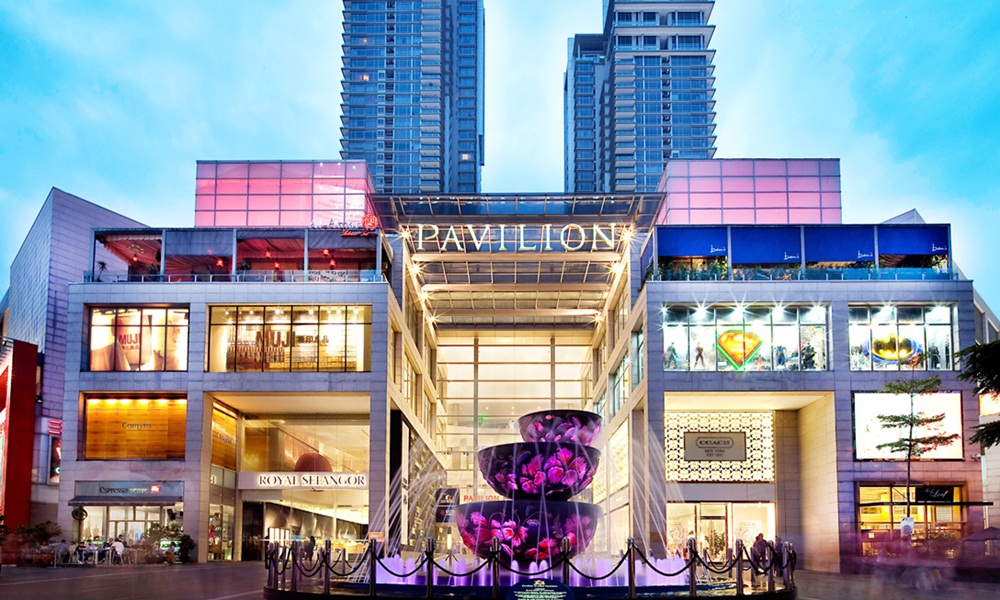
Meanwhile, we’ve lost valuable history and culture in pursuit of yet another mall, and may lose more in time. Bukit Bintang Girls’ School is now The Pavilion while Pudu Jail will turn into a mall the size of Suria KLCC. Central Market and Hotel Majestic are still around, but for how long? The Hakka restaurant in Bukit Bintang valiantly stands against demolition, with a sign out front saying that their property is not for sale.
(In a massive case of irony, Malaysia’s oldest mall, Ampang Park, was nearly going to be demolished to make way for public transportation, but that process was halted by the courts earlier this year.)
Do we really need 40 new malls, when we’re struggling to maintain the ones we already have? Are schools and heritage sites worth destroying for yet another shop selling the same merchandise as every other shop within an 8km radius? And why is the focus always on luxury - do we really need another designer handbag, when thousands of people are struggling to find places to live because their homes were torn down to build condos?
Why not fill the malls we already have with something more useful? Spaces that support and encourage the creativity and energy of our communities? Libraries, art spaces, workshops, hackerspaces, meeting rooms, coworking spaces, studios, publishing houses, recording studios, theatres, offices for small businesses, even local entrepreneurs?
We can learn from the United States, which turned their dying strip malls and big-box stores into performance spaces, schools, even housing and hospitals. The Columbus Commons is a massive family-oriented park while The Arcade in Providence, America’s first shopping malls, is now filled with micro-apartments.
Vanderbilt University Medical Centre is built on the old 100 Oaks mall, while Austin Community College turned a JC Penney’s outlet into an academic campus.
Revitalising abandoned spaces
We can also take inspiration from the Renew Newcastle project in Australia, which provides support to artists and cultural organisations to revitalise abandoned spaces. Participants have set up event spaces, small boutiques, art studios and collectives, and even a rehearsal space for the Newcastle Youth Orchestra. For many of these initiatives, physical spaces may have been out of their means, so the support of Renew Newcastle makes a massive difference.
Indeed, we even have inspiration locally - the Jaya One complex in Section 13, Petaling Jaya. Many of the above ideas are in place - a whole building dedicated to alternative education, small businesses such as Stickerrific, a pop-up market with merchandise by indie Malaysian designers and curators, one of IACT’s campuses, and PJ Live, which produces theater for families.
While it is technically not a reclamation of an old mall or abandoned building, like the earlier examples in Australia and the United States, the diversity of shops and facilities at Jaya One demonstrates that having more than the same sort of shops over and over can actually be a very viable business model.
We don’t need 40 new about-to-be-half-empty malls. We need at least 40, if not, more spaces to learn, work, live, build community, create, organise, be entertained, and do everything else with our time asides from shopping. We need avenues for independent entrepreneurs with far less resources than multinational conglomerates to be able to set up shop and build businesses.
We have a tonne of space already, in the shells of old malls that have seen better days. Let’s put our time and energy in maintaining and reviving what we already have, rather than demolishing our heritage in pursuit of the shiny and new.
CREATRIX TIARA is passionate about liminality, inclusivity, and intersectionality, especially in arts, media, tech, education, and activism. Her philosophy is to ‘sign up for anything that looks interesting’, and is currently open to opportunities in Malaysia, Australia, and elsewhere. Visit her at creatrixtiara.com


