



Projek Dialog and the art of creating conversations
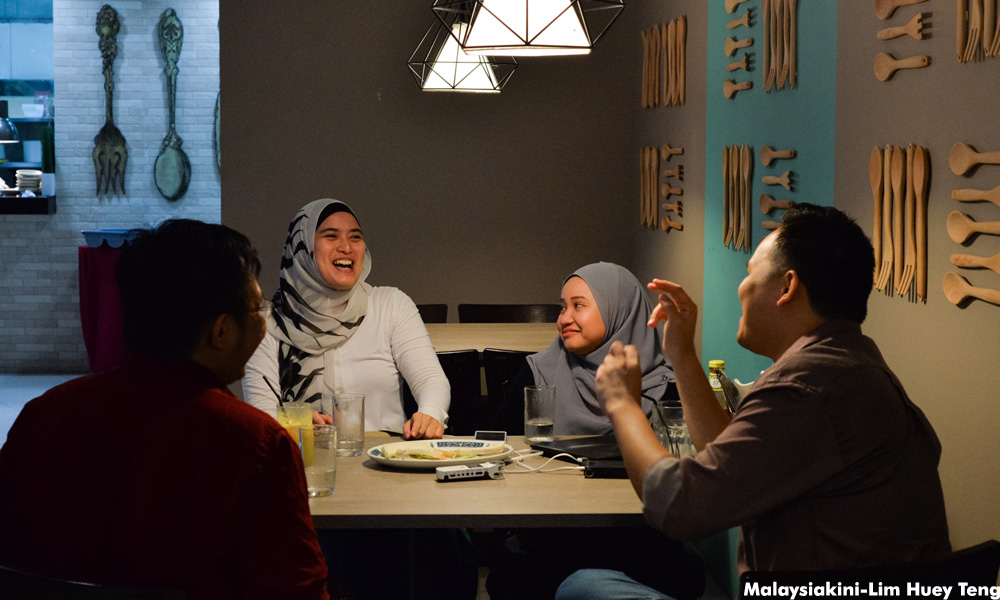
COMMENT | I remember an interview with Malaysiakini that I did with my colleagues back in 2016, about Projek Dialog - its founding purpose, objectives, and general reasons for existing.
So much has happened in the last three years with Projek Dialog that I often had to reflect on what really makes it special, what makes what we do necessary, and what makes it underappreciated.
What started as a humble web portal for youths to learn about other people's cultures and beliefs has now grown into a multifaceted platform that discusses sociopolitical issues affecting young Malaysians today.
It provides that platform, online or offline, to listen to stories we do not hear about in the mainstream media, to elevate the current discourse to instill progressive thoughts into the people's minds, so that they materialise into real practices.
Why are conversations so important? Because social change does not happen without them.
Every major idea that ever changed a society culturally was done via sustained heavy debate on those new ideas, their relevance, their value to society and, ultimately, their ability to introduce an entire society to a new way of thinking.
There was a time when it was believed that women could not be allowed to vote because their brains were too small to make good political decisions.
There was a time when Malayans thought it was impossible to run a country without the colonial rule of the British.
There was a time when girls as young as nine were old enough to marry and have children.
There was a time when people thought racism was a good thing.
Oh wait, some of that is still happening.
But the point is, these ideas, which seem so ridiculous to us today in hindsight, now change in meaning because someone somewhere started conversations for new ideas to be the norm, so that we may progress as a society...
COMMENT | I remember an interview with Malaysiakini that I did with my colleagues back in 2016, about Projek Dialog - its founding purpose, objectives, and general reasons for existing.
So much has happened in the last three years with Projek Dialog that I often had to reflect on what really makes it special, what makes what we do necessary, and what makes it underappreciated.
What started as a humble web portal for youths to learn about other people's cultures and beliefs has now grown into a multifaceted platform that discusses sociopolitical issues affecting young Malaysians today.
It provides that platform, online or offline, to listen to stories we do not hear about in the mainstream media, to elevate the current discourse to instill progressive thoughts into the people's minds, so that they materialise into real practices.
Why are conversations so important? Because social change does not happen without them.
Every major idea that ever changed a society culturally was done via sustained heavy debate on those new ideas, their relevance, their value to society and, ultimately, their ability to introduce an entire society to a new way of thinking.
There was a time when it was believed that women could not be allowed to vote because their brains were too small to make good political decisions.
There was a time when Malayans thought it was impossible to run a country without the colonial rule of the British.
There was a time when girls as young as nine were old enough to marry and have children.
There was a time when people thought racism was a good thing.
Oh wait, some of that is still happening.
But the point is, these ideas, which seem so ridiculous to us today in hindsight, now change in meaning because someone somewhere started conversations for new ideas to be the norm, so that we may progress as a society.
A space for good conversation
This is where the arts are important.
Why Projek Dialog organises a lot of arts-based activities is because the cultural space is one of the strongest spaces for free and creative expression, and that space is essential for good conversations to take place.
When a film moves you emotionally, whatever that emotion may be, you discuss how and why that film was moving.
When a book lifts you intellectually, adding value to your intellectual growth, you share that with others.
When you're in a forum where two or more sides debate their perspectives on one issue, it compels you to confront your own biases and preconceived judgments, and rethink your conclusions from a more informed position.
Yes, we need to change. But what kind? And how?
Changes via a top-down instruction to change, for example, is unlikely to bring about a meaningful reform.
Having organised a number of cultural events, Projek Dialog has sparked conversations on critical topics that are rarely discussed, via films, art exhibitions, poetry, forums, and workshops.
Sure, it doesn't automatically translate into a numerically tangible outcome where we could calculate the exact number of people transformed over a certain number of days. But we measure our success by the discussions that happen over weeks, months, or even years.
Choosing the right language
Since conversations cannot happen without language, the choice of language in creating this insane amount of chit-chat is often a conscious political decision.
The changes that we want to see are reflected in the language which we use to express that change. If our language is still that of toxic politics, sexist, misogynistic, and patronising, then that reflects the kind of people we really are, which extends to reflect on the kind of society we really are.
This beautiful article written by lawyer-activist Fadiah Nadwa Fikri sums it up nicely: "Language has the power to suppress as well as empower. If the unceasing use of suppressive language in our political discourse goes unchallenged, it will mark the death of our imagination – a catastrophic tragedy we should all strive to avoid."
Another thing that becomes my concern at work is the act of creating the conversations that we want to happen. Admittedly, some of the topics I was unwillingly positioned at the centre of were accidental, or at least not of my own volition.
But the conversations surrounding #UndiRosak were not accidental, and so were other topics that were designed to dismantle invisible power structures and oppression. This line of work requires the creativity of an artist, the tact of a diplomat and a dash of craziness to put yourself out in the line of abuse.
Conversations happen with or without an organisation named Projek Dialog, of course. But for Projek Dialog to exist for the sole purpose of getting people to talk, debate, confront prejudices and talk the hell out of them, that is art.
And this is an art that all are welcome to appreciate or criticise, love or condemn, engage or ignore. It doesn't matter. What matters is to shift the discourse higher every day, one level at a time.
MARYAM LEE is a writer with a chronic tendency to get into trouble. What she lacks in spelling when writing in English is made up for with her many writings in Bahasa Malaysia. She believes in conversations as the most valuable yet underrated cause of social change. She wants people to recognise silences and give them a voice, as she tries to bring people together through words.
The views expressed here are those of the author/contributor and do not necessarily represent the views of Malaysiakini.


