



Can Look East be Look West too? Yes and no
COMMENT | Unbeknown to many visitors, even analysts in Japan, the Land of the Rising Sun, as some prefer to call it, is a hybrid.
Its high school system, with students in stiff uniforms, was borrowed from the Prussian school system, with a focus on a rigorous syllabus, followed by a university entrance examination that measures the abilities of the students on various subjects. Namely quantitative skills, history, English and science.
While Japanese students tend to perform badly on English, they do exceedingly well in other subjects. The Japanese bureaucracy, with a heavy focus on recruiting top students from University of Tokyo or Waseda Universty, for instance, was inspired by the French model in the 19th century.
The parliamentary system, which is modelled on Whitehall, is in turn based on what the Japanese reformers had learned from the British parliamentarians. Of course, the US-Japan security alliances is shaped by the dynamics of the security umbrella provided by the United States.
Indeed, the soft power of Japan, with its unmistakable focus on anime, while indigenous to a large extent, was inspired by Hollywood and the many animations that emerged from it. Indeed, some of Akira Kurosawa's best films were adapted from William Shakespeare.
In attempting to Look East, as the government of Prime Minister Dr Mohamad Mahathir is doing, Malaysia could potentially be Looking East, only to find itself interacting with some of the West's strongest elements that have been embedded in Japan.
But the belief that Japan is a carbon copy of the West would not be accurate, even though Japan is a part of the Group of Seven, which is primarily formed of Western countries. There are five reasons why Japan is a country imbued with its Eastern, or Japanese traditions....
COMMENT | Unbeknown to many visitors, even analysts in Japan, the Land of the Rising Sun, as some prefer to call it, is a hybrid.
Its high school system, with students in stiff uniforms, was borrowed from the Prussian school system, with a focus on a rigorous syllabus, followed by a university entrance examination that measures the abilities of the students on various subjects. Namely quantitative skills, History, English and Science.
While Japanese students tend to perform badly in English, they do exceeding well in other subjects. The Japanese bureaucracy, with a heavy focus on recruiting top students from University of Tokyo or Waseda Universty, for instance, was inspired by the French model in the 19th century.
The parliamentary system, which is modelled on Whitehall, is in turn based on what the Japanese reformers had learned from the British parliamentarians. Of course, the US-Japan security alliances is shaped by the dynamics of the security umbrella provided by the United States.
Indeed, the soft power of Japan, with its unmistakable focus on anime, while indigenous to a large extent, was inspired by Hollywood and the many animations that emerged from it. Indeed, some of Akira Kurosawa's best films were adapted from William Shakespeare.
In attempting to Look East, as the government of Prime Minister Dr Mohamad Mahathir is doing, Malaysia could potentially be Looking East, only to find itself interacting with some of the West's strongest elements that have been embedded in Japan.
But the belief that Japan is a carbon copy of the West would not be accurate, even though Japan is a part of the Group of Seven, which is primarily formed of Western countries. There are five reasons why Japan is a country imbued with its Eastern, or Japanese traditions.
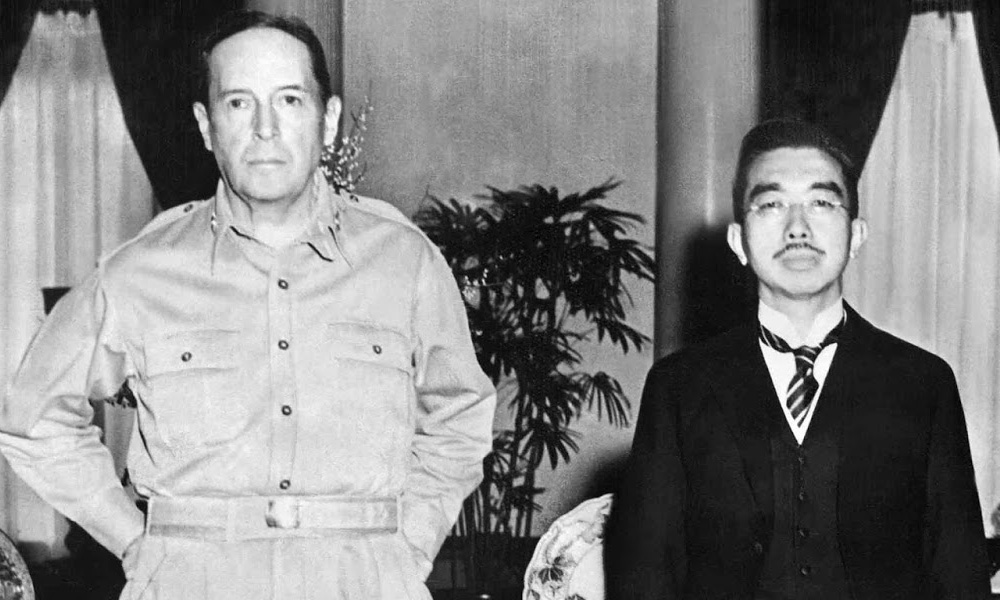
First of all, despite the tenure of General Douglas MacArthur (photo, on the left) after the end of World World Two, when Japan was defeated at the hands of the US, he left other institutions untouched. The system of Japanese emperor, for instance, was kept intact. And Emperor Hirohito lived until 1989, which has since been succeeded by his son, Emperor Akihito.
Even though the latter is abdicating by the end of 2019, to make way for his son, the Japanese imperial system - with all its traditional values and palatial rules - are intact. While the Japanese imperial system is not the gold standard of Japanese traditions and cultures per se, the seriousness by which Japanese courtiers in the palace subscribe to Japanese customs and royal etiquette, provides a basis from which Japanese culture can continue to thrive. Shinto religion, which is a religion of the Japanese state, for example, remains the edifice of Japanese courtly rituals and social lives.
Two, regardless of what one may say of Japanese modernisation, it is a modernisation or post-modernisation led by the market or the capitalist system. There are many areas with which the markets could not have intruded, or touched, with homogenising effects.
The tea ceremony, Chado, remains a vital training of young and even older Japanese women; as is Ikebana or "floral arrangement." More importantly, kimono, the national dress of Japanese, is passed down from generation to generation. Some can cost several million yen, which makes it nothing less than a family heirloom.
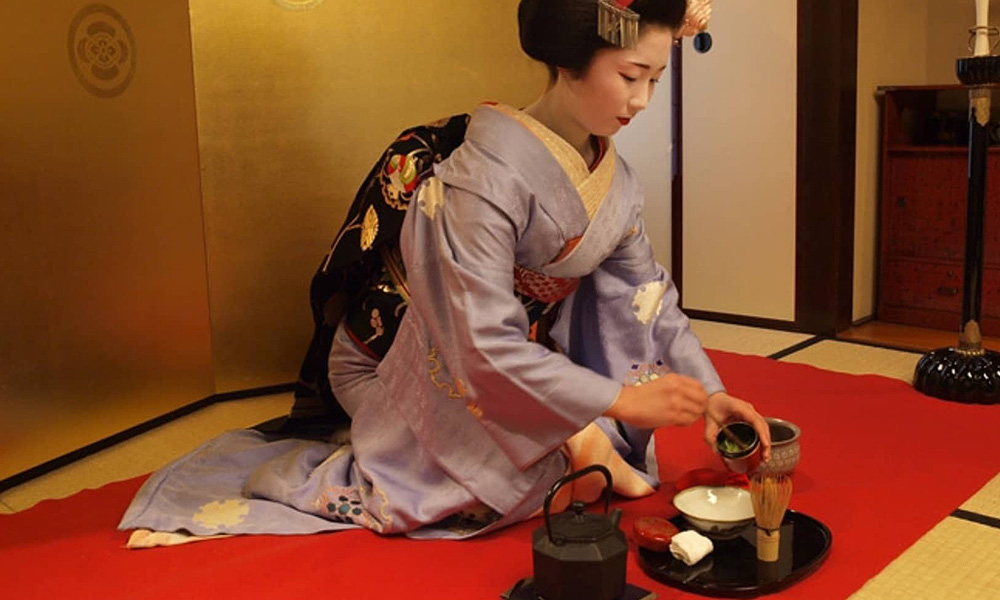
When bits and pieces of culture - including antiques and craftsmanship - are passed from one generation to the other, the extent to which Japanese culture may diminish, or disappear totally, is reduced.
Not monolithic
Thirdly, Japanese have always believed in the theory of "Nihonjin-ron" or the thesis of the unique Japanese. And, the distinctiveness of their behaviour, either from Kanto, Kansai, Tohoku, and other surrounding regions, somewhat ironically, reinforced this feeling of distinctiveness further.
While a Japanese from Osaka may behave and speak in a different accent from one in Tokyo, they both know that their Japanese-ness set them out from the rest of the world. There is, therefore, a structural limitation of how the West can impose its entire weight on the whole of Japan, as Japan is sub-divided into many sub-cultures and sub-regions.
In fact, if there is any misconception of, and about, Japan, it is that it is a monolithic culture. It is not. The people in mainland Japan differ from one another in their mannerisms and social mores, while the residents in Okinawa differ from those in the mainland.
Fourthly, at a birth rate of 1.34, which is not enough to regenerate a new generation, the Japanese society is not only greying but shrinking. When Japanese population is undergoing both effects simultaneously, it creates a collective reflect, embedded in Japanese cultures and sub-cultures, to preserve all that they can - short of being totally inundated by the West.
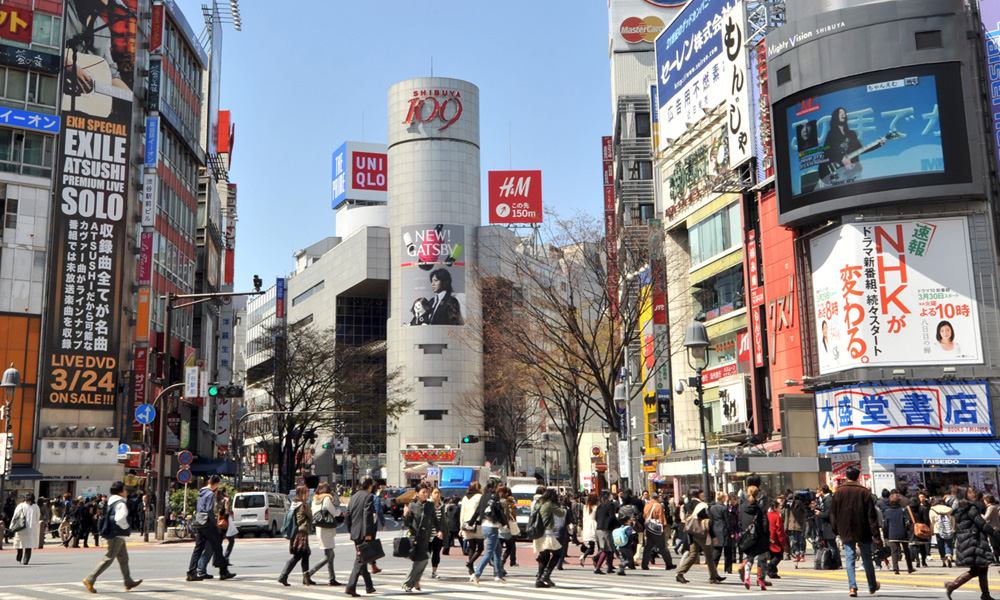
Thus while Japanese may adopt Western pop music, even dance to their heart's content in Harujuku, or, took to lining up in iStore in Akasaka or Akihabara to get their latest iPhones, and Western gadgets, there is a limit to how far these Japanese can go, as their society is going through a unique process of atomization that forces them to reflect more deeply on their own cultures, even as they are interacting with the West.
Thus the haiku of Basho, a 16th-century poet, who travelled the entire span of Japan, is making a powerful return. Even the literature of Mishima Yukio, who famously committed harakiri in front of the Japanese Defense Agency in the mid-1970s, in protest of the loss of Japanese independence to Western influence, is gaining in popularity among a handful of Japanese students.
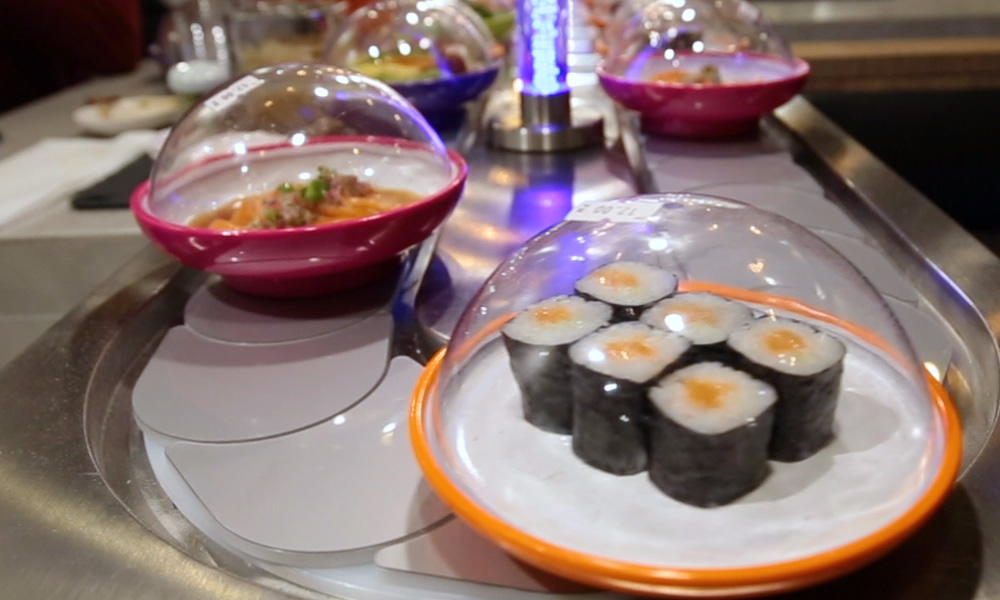
Finally, Japanese science and technology, are not cold and neutral items. Many Japanese robots and machines are created with the culture and needs of Japan in mind. The conveyor belt of sushi, for example, was first created in the 1950s in Osaka to cater to a booming Japanese economy, who had to eat fast, with some novelty, and at a speed that would allow the salarymen and women to rejoice and relax, before once again turning their ferocious energy to work.
Karaoke, a famous Japanese export, implies an "empty orchestra." It was the attempt to allow otherwise reticent and famously shy Japanese men and women to croon to various tunes by reading from the lyrics on the display. The size of Japanese cars, for example, are usually smaller, and more fuel efficient, as they were made with the goal to keep the Japanese environment pristine, after numerous environmental setbacks in the 1960s.
Emergence of China
In all, Japanese culture has its immense strength also partly due to what modern technology has done to it. Instead of one atomic bomb, two were dropped on Nagasaki and Hiroshima. Nagasaki was a trading port that has the earliest exposures to the Dutch and other European traders too. Yet it was subject to severe bombing. Churches in these areas were not spared.
If the West had no respect for their own Western ancestry and religious institutions, it has crossed the minds of many Japanese, that perhaps the more superior form of culture is the amalgamation of all that is good about Japan, only that this too is an impossible endeavour, as Japan since the Meiji Reformation in the mid-19th century has moved too far along to adopt Japanese mores and values at the expense of Western cultures too. Japan had to combine the best of both worlds, between the East and West.
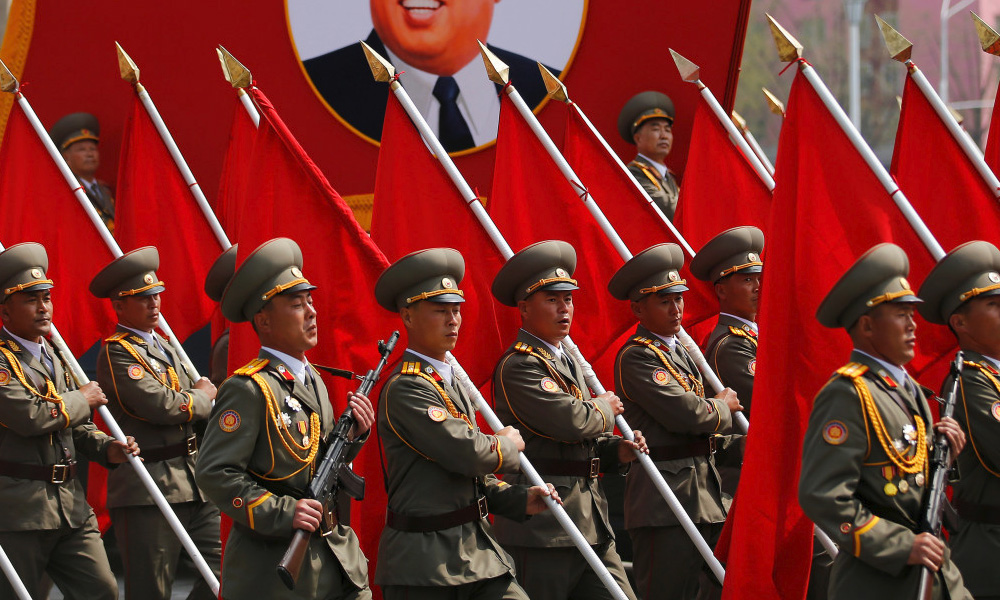
Be that as it may, the emergence of China has also made Japan feel under siege, as had been the military threat posed by North Korea. Both countries are deemed a serious and grave security problem to Japan. The more China and North Korea seek to push Japan out into oblivion, the more Japan will react.
Indeed, in terms of exclusive economic zones, Japanese is the number six largest country in the world; yet Japan is often not seen as a maritime power when in fact the size of its maritime territories are far larger than China; not unless China insists on having the South China Sea all to itself at which point then the discourse would have to change.
In looking East, Mahathir is striking on the right path. Japan does have a lot to offer Malaysia in terms of a variety of technology transfer, joint research and development, and human to human goodwill. But the tendency to adopt a Look East policy must also include a deeper understanding of the surface and structure of Japan, not unlike the process to understanding Japan viz a viz the West. In looking East, Mahathir, Dr Wan Azizah Wan Ismail, the deputy prime minister, and prime minister-in-waiting Anwar Ibrahim have to be on the common page too.
Each of them has to nominate someone whom they trust to sit on a Look East committee, if Look East is about transforming Malaysia into a Malaysia Inc again, not unlike how Japan became a Japanese Inc, only to falter when the Nikkei stock exchange collapsed in 1989 never to recover to the same heights as before.
Without a committee of serious strategists and thinkers interacting constantly with those in Japan, Look East can be a chimaera, since Japan is a country that combines East and West, which Malaysia can learn and adopt too.
PHAR KIM BENG is a Harvard/Cambridge Commonwealth Fellow, a former Monbusho scholar at University of Tokyo and visiting scholar at Waseda University.
The views expressed here are those of the author/contributor and do not necessarily represent the views of Malaysiakini.


Report this comment
Are you sure you want to delete this comment?
This action cannot be undone.