


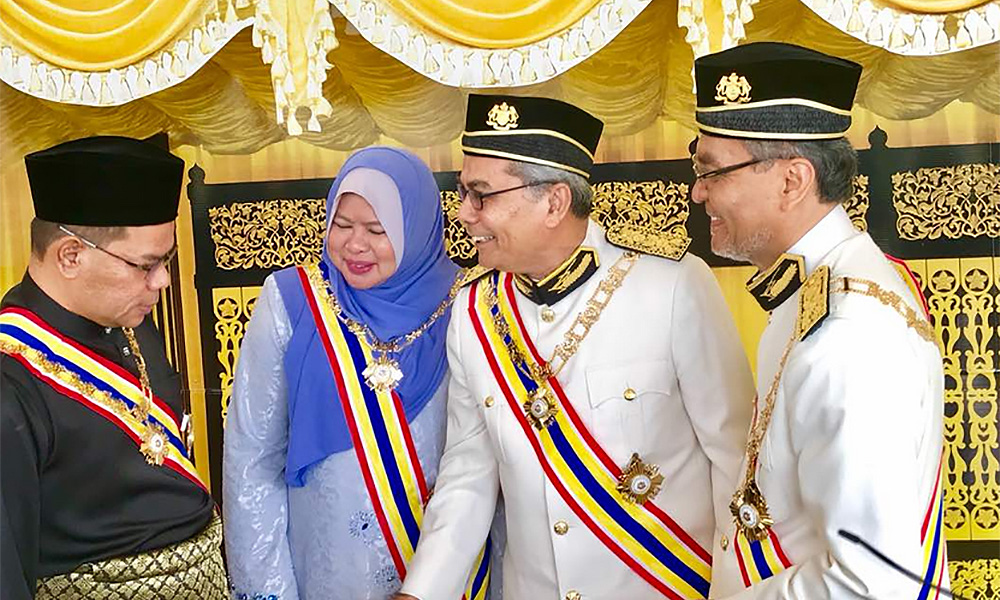

The giving of titled awards, such as 'Datuk'
COMMENT | Sarah Charters is a consultant nurse and Emergency Department mental health head at the University Hospital in Southampton, England.
Charters played a significant role in increasing the availability of specialist mental healthcare in the Emergency Department, which sees around 450 patients a month who require help for mental health or substance use problems.
Elsewhere, Dave Skingsley, a driver based at Chester Mail Centre, has raised thousands of pounds for children’s hospice Claire House and has also been known to entertain shoppers in the town centre by dressing up as Elvis and singing for donations, in all types of weather.
Both were recent recipients of the Member of the Brtish Empire (MBE) award. How do we know these facts? This is because the Queen’s Birthday Honours List is transparent and provides information and the achievements of a wide range of extraordinary people who are recognised with awards and medals.
Each year, thousands are nominated by employers, voluntary organisations, professional bodies and even colleagues. The list demonstrates the breadth of service given by people from all backgrounds...
COMMENT | Sarah Charters is a consultant nurse and Emergency Department mental health head at the University Hospital in Southampton, England.
Charters played a significant role in increasing the availability of specialist mental healthcare in the Emergency Department, which sees around 450 patients a month who require help for mental health or substance use problems.
Elsewhere, Dave Skingsley, a driver based at Chester Mail Centre, has raised thousands of pounds for children’s hospice Claire House and has also been known to entertain shoppers in the town centre by dressing up as Elvis and singing for donations, in all types of weather.
Both were recent recipients of the Member of the Brtish Empire (MBE) award. How do we know these facts? This is because the Queen’s Birthday Honours List is transparent and provides information and the achievements of a wide range of extraordinary people who are recognised with awards and medals.
Each year, thousands are nominated by employers, voluntary organisations, professional bodies and even colleagues. The list demonstrates the breadth of service given by people from all backgrounds.
There several requirements to be met. They include (among others):
- Making a difference to their community or field of work;
- Enhancing Britain’s reputation;
- Long-term voluntary service;
- Innovation and entrepreneurship;
- Changing things, with an emphasis on achievement;
- Improving life for people less able to help themselves; and
- Displaying moral courage.
These and other details are available on the government website – and in all cases, nominations have to be accompanied by recommendations and citations.
In 2015, the Indian government decided to end the practice of ministers recommending names for awards. Now, any Indian citizen can recommend a person for awards. And it can be done online.
The government was (then) of the belief that every citizen has something to contribute to India and that contribution should be integrated with the country’s growth. Before that, several unknown citizens were given awards.
Why raise the issue of awards system from our past colonial masters and compare it with India? The British left behind the same system, except that over the years our system has degenerated to the extent that even some of our royalty make fun of the recipients.
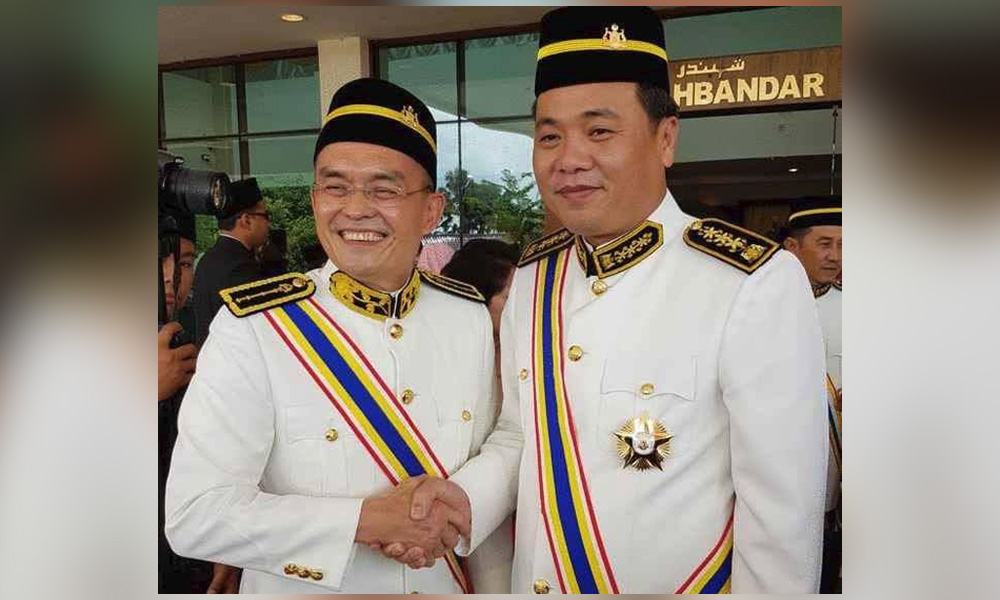
The proliferation of ‘Datuk’ titles – a few thousand annually have, in a way, demeaned and degraded such honours. Names of would-be recipients were previously meticulously checked; their contributions valued and their characters established and verified. Not anymore.
What the Sultan of Johor said
Many years ago, the Sultan of Johor famously said that if you throw a stone, you will hit a Datuk and if it rebounds, it will hit another Datuk. He made his point.
Browse the newspapers and you will come across one Datuk or another being prosecuted, if not convicted, for assault, robbery, cheating or money-laundering. In a few cases, their records show that they had committed a series of crimes.
The recent brouhaha of government ministers (who have been in service for five months) getting titles and awards have further amplified the debate on the awarding of medals and titles.
There have been suggestions in the past that the names be vetted by the police or the Malaysian Anti-Corruption Agency. This is of little help. Unless you have been convicted, there will be no records.
A better methodology would be to introduce a nomination system which requires full details of the nominee’s achievements or contributions and justification for an award.
Then comes the most important part – we the rakyat must stop treating these titled people as God-sent or superior to us. They must be made to remain as ordinary citizens like all of us. Having one prefix or several before their names does not make them superior. Neither should we be feel inferior if we are just plain “Encik” or “Mr”.
When preferential treatment is given to them, we have to show our dissent or unhappiness. Then, politely demand to know why they were treated differently. Remember: A criminal with a Datuk title remains a criminal and any predilection accorded is nonsensical. He or she ought to be treated so – handcuffs, uniform, et al.
Many years ago, I received a condolence note from a businessman, which started thus: “Puan Sri and I are sad to hear about the loss of your daughter.” Why can’t it be plain “my wife and I”? I didn’t even bother an acknowledgement. Was it necessary to invoke your title in such a letter?
How often have you heard the word “saya” replaced by “Datuk”? For the self-effacing and title-crazed man, the first-person is not “I” or “saya”. Overheard a Datuk speaking to his driver: “Datin hendak pergi salon, kemudian bawa Datuk ke kelab golf.” (Datin wants to get to the salon after which take Datuk to the golf club.)
The people respect and hold in high esteem most royal houses which have stringent requirements for titles and awards. Unfortunately, not all have similar necessities.
If it is of any help, there is nothing wrong with replicating the tested and proven systems that have worked well in other countries. Such a system has been accepted and respected by the people as these awards are transparent, with accompanying citations.
This UK government website will be of help if our government is keen on putting an end to the wrong people getting the right awards.
R NADESWARAN is just suggesting that we be told why So and So deserves to be addressed as “Datuk” or “Tan Sri”. Comments: citizen.nades22@gmail.com
The views expressed here are those of the author/contributor and do not necessarily represent the views of Malaysiakini.


