
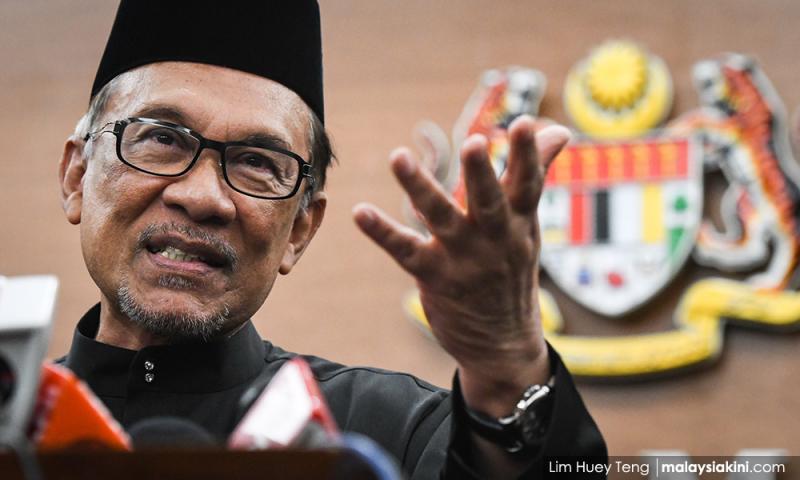

QUESTION TIME | Anwar Ibrahim’s unprecedented level of victory in Port Dickson indicates one thing - the vast majority of people, over 70 percent cutting across all races, who voted in Port Dickson are in favour of him becoming an MP and succeeding Dr Mahathir Mohamad as prime minister.
One suspects that this may reflect the entire country which is just as well because it indicates that the broad populace believes that Anwar should return to be becoming an MP and eventually taking his place as the next prime minister of Malaysia. If they did not believe in these two steps, PD would not have voted so overwhelmingly for Anwar.
In this case, the majority decision also tallies with what is morally and ethically correct. The Harapan coalition went to the polls with the clear and unambiguous agreement that Mahathir will be the interim prime minister until Anwar obtained a full and unconditional pardon from the king.
That was obtained five months ago, and if he is to succeed Mahathir and become PM 19 months from now, it is time to become an MP - the first and necessary step. He has already been sworn in as an MP, and he can start by playing a major role as a backbencher.
He has expressed his interest in doing that together with DAP stalwart Lim Kit Siang. One hopes they can play a stellar role to keep the government on its toes considering that the BN is still to regroup and mount any kind of representation of its numbers in Parliament after the crushing election defeat.
It is refreshing to note Anwar’s promise to push ahead with pressing reforms which have stalled somewhat, reforms which don’t need a whole lot of money to be implemented. At the heart of these reforms is the repeal of a slew of oppressive laws introduced by former PM Najib Razak and historically by a number of previous PMs which includes Mahathir.
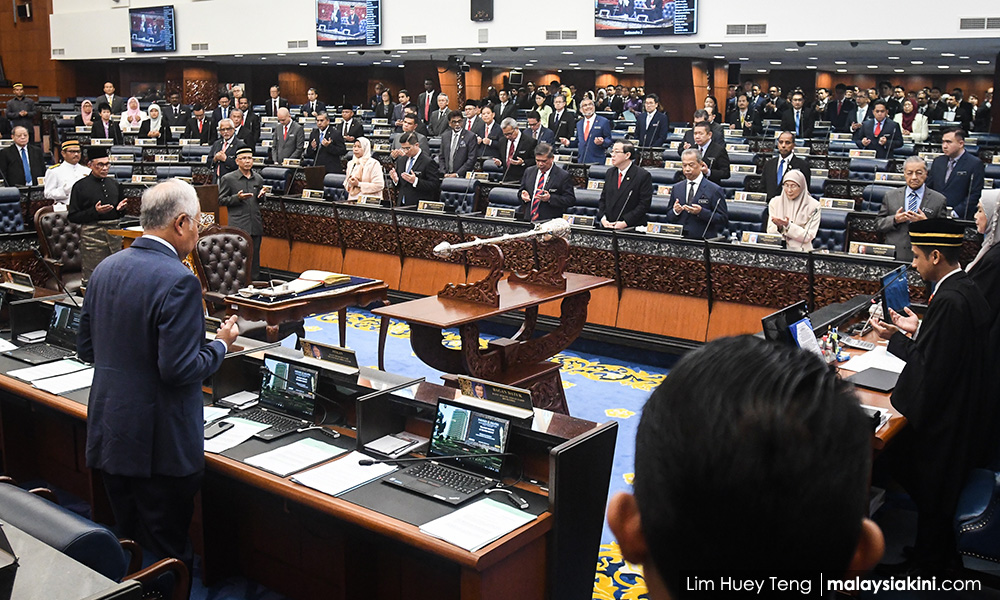
It is the repeal of laws such as the Official Secrets Act, the Sedition Act, the Printing Presses and Publications Act, provisions to prosecute under criminal defamation as well as private personal behaviour, to mention but a few, that can ensure the space for transparency, good governance and accountability.
On top of that, it would be necessary to introduce other legislation such as a Freedom of Information Act and give more protection to those who blow the whistle on government misdeeds. These will free up the space for discussion, debate and discourse on the entire range of government operations.
It would also mean that no government in future can pull the wool over the collective public eye, enabling a constant watch on government behaviour. It would also mean that if there are problems in governments, substantial powers now in the hands of the prime minister will no longer be available to stop their investigation.
Mahathir has been rather lackadaisical about pushing the reforms for a better society forward. Anwar, a victim who has suffered considerably under the executive arm - first Mahathir and then Najib - using the enforcement agencies and a compliant judiciary to unfairly incarcerate him for 11 long years, is likely to be much more pro-reform than Mahathir.
If these reforms don’t take place, the laws in the statute books can be used by those who are inclined to rule effectively by dictatorship and steal billions via patronage and kleptocracy to return to power sometime in future...