



Time for China to understand Islamic civilisation
COMMENT | If news reports are anything to go by, China – which the late political scientist Lucian Pye described as a "civilistion pretending to be a state" – is facing a serious issue with the practice of Islam within its borders.
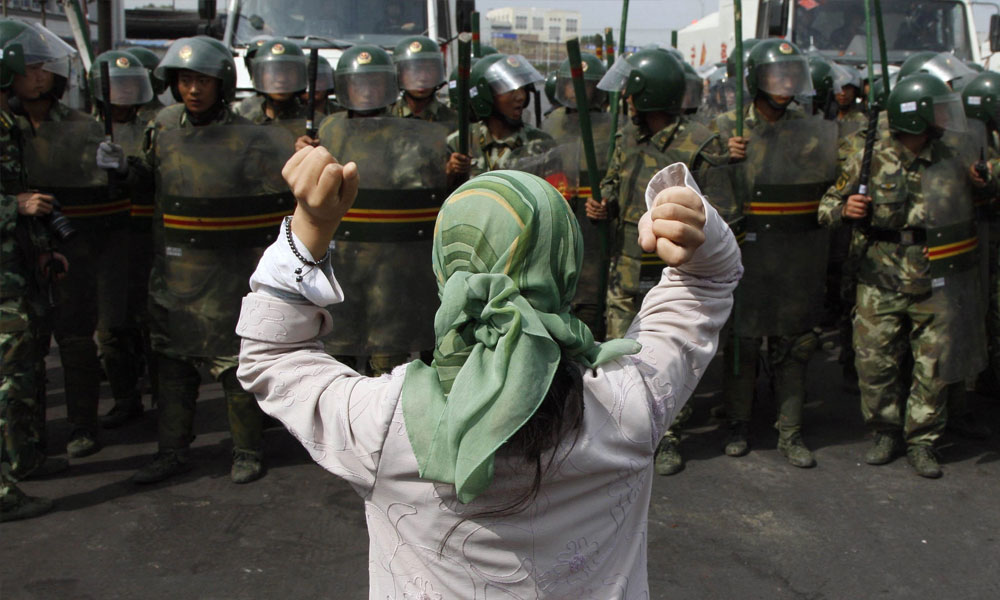
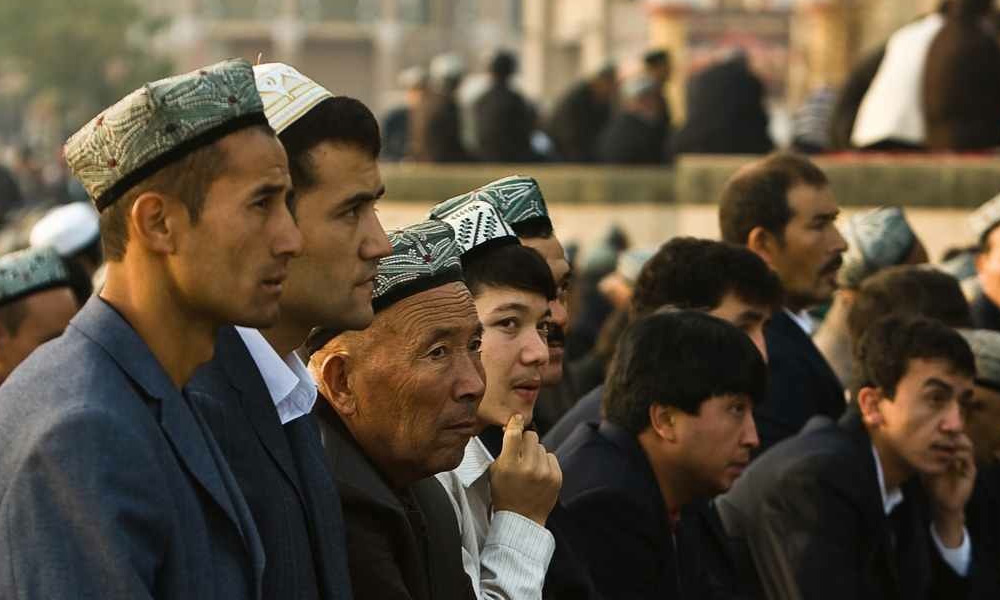
Between 800,000 to two million Uighur Muslims are undergoing "reeducation" in internment camps in Xinjiang.
No one knows if they are being mistreated or well-tended to, but it would appear unnatural to have a huge number of Muslims being told to think, imbibe, and digest nothing else but the teachings of Communism – more precisely, the doctrine of Xi Jinping, now part of the Chinese constitution.
As a civilisation, China is used to the penetration and perforation of foreign influences, from Buddhism to Marxism; the issue rests with the scale and depth of such ideas.
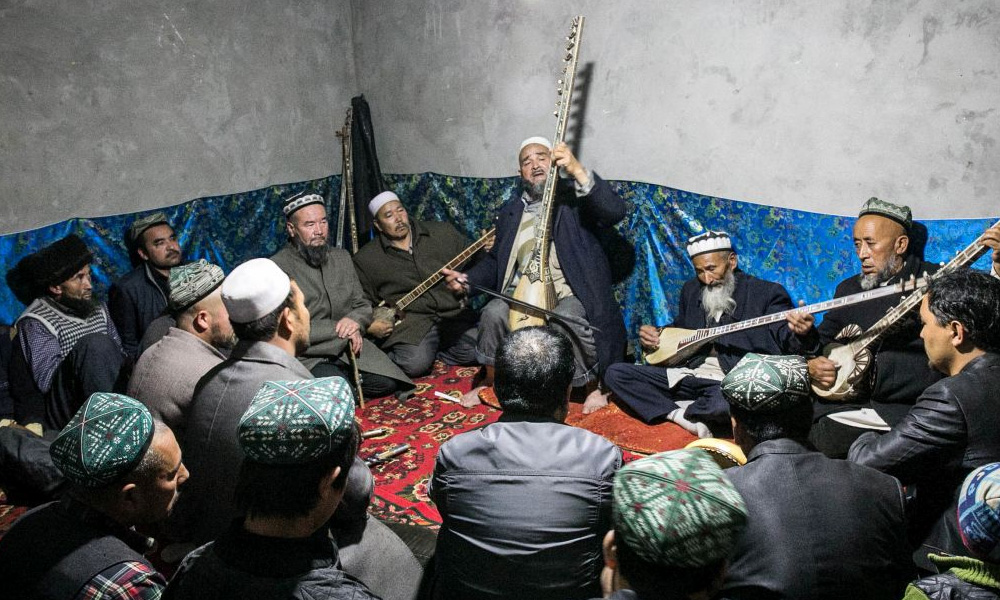
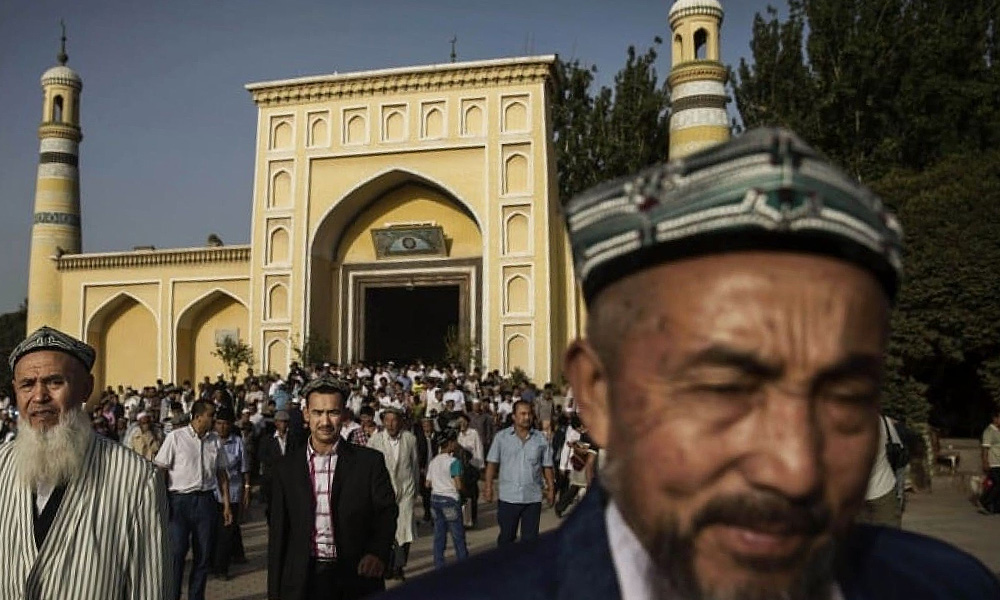
This is why it is somewhat peculiar that the current Communist leadership has deemed it necessary to single out the Uighurs, especially when Islam took root there centuries before coming to Southeast Asia.
There are several reasons why China now considers Islam a threat. Not unlike the West, it tends to see Islam through the optic of destabilization.
Beijing's coinage of the "three evils," namely terrorism, separatism and religious extremism, lumps Islam together with the independence movements of Tibet and Taiwan. This cannot be further from the truth.
Indeed, there are no signs that the Uighurs have any grand design to break away from China completely. Thus, it makes no sense why Beijing would want to subject nearly the whole Muslim population in Xinjiang to incarceration.
Something's gotta give
No one knows the degree of this incarceration, but given the recent spending on police batons, electronic cattle prods, handcuffs, and pepper spray – which have little to do with 'education' – China had better stop the abusive practices for its own good.
For starters, the much acclaimed One Belt One Road (Obor) initiative snakes through the northern and southern half of the Muslim world. The "road" passes through Kazakhstan, Turkmenistan, Kyghystan, Uzbekistan, Iran and Azerbaijan before reaching...
COMMENT | If news reports are anything to go by, China – which the late political scientist Lucian Pye described as a "civilistion pretending to be a state" – is facing a serious issue with the practice of Islam within its borders.
Between 800,000 to two million Uighur Muslims are undergoing "reeducation" in internment camps in Xinjiang.
No one knows if they are being mistreated or well-tended to, but it would appear unnatural to have a huge number of Muslims being told to think, imbibe, and digest nothing else but the teachings of Communism – more precisely, the doctrine of Xi Jinping, now part of the Chinese constitution.
As a civilisation, China is used to the penetration and perforation of foreign influences, from Buddhism to Marxism; the issue rests with the scale and depth of such ideas.
This is why it is somewhat peculiar that the current Communist leadership has deemed it necessary to single out the Uighurs, especially when Islam took root there centuries before coming to Southeast Asia.
There are several reasons why China now considers Islam a threat. Not unlike the West, it tends to see Islam through the optic of destabilization.
Beijing's coinage of the "three evils," namely terrorism, separatism and religious extremism, lumps Islam together with the independence movements of Tibet and Taiwan. This cannot be further from the truth.
Indeed, there are no signs that the Uighurs have any grand design to break away from China completely. Thus, it makes no sense why Beijing would want to subject nearly the whole Muslim population in Xinjiang to incarceration.
Something's gotta give
No one knows the degree of this incarceration, but given the recent spending on police batons, electronic cattle prods, handcuffs, and pepper spray – which have little to do with 'education' – China had better stop the abusive practices for its own good.
For starters, the much acclaimed One Belt One Road (Obor) initiative snakes through the northern and southern half of the Muslim world. The "road" passes through Kazakhstan, Turkmenistan, Kyghystan, Uzbekistan, Iran and Azerbaijan before reaching Turkey and finally Europe.
Obor also crosses Indonesia and Malaysia, passing through the Indian Ocean to reach Pakistan, the Arab peninsula and the Eastern half of Africa.
It is therefore not to to the benefit of China to antangonise Uighur Muslims when so many of their brethren are in these states. Surely, something's got to give if China keeps calling the religiosity of the Uighurs a form of "mental illness."
Ironically, Samuel Huntington, of "clash of civilizations: fame, once said that Confucianism and Islam could become a strategic ally to counter the preponderance of the West.
When China became a net importer nation of oil and gas in 1995, with most of these energy resources coming from the Middle East and Persia, Pan Guang of Shanghai Cooperation Studies (SCO), argued that China and the Middle East will one day become closer. They should.
But by mistreating the Uighurs – even placing Han officials in homes to monitor those who have undergone reeducation and report any lapses back to their 'Islamic behaviour' – Beijing is sticking its nose into the religious and spiritual habits of its own citizens.
Sheer overkill
Such practices, just to correct the behaviour of a few radicals and generalise them into a macropolitical and sociocultural template, reeks of overkill.
What Beijing is doing is behavioral reengineering, that is bound to have a whiplash effect. If this is its chosen path, it would not be very different from the dehumanising moral intelligence police like the Mukhabarat one often hears about in the Middle East.
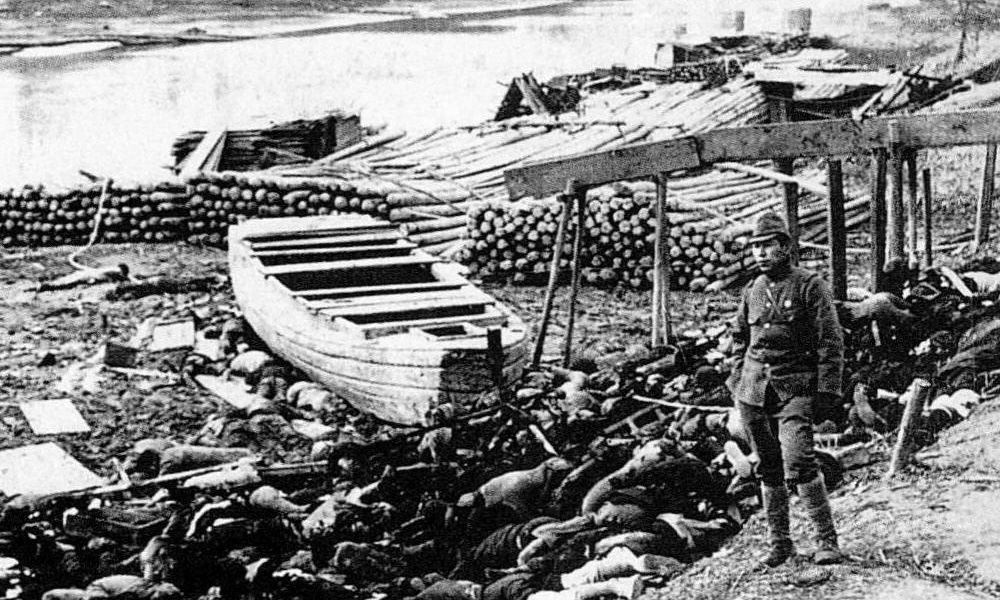
China and Japan once requested the world to see it as an equal in the League of Nations. It failed, and before long, Japan, who had modernised earlier during the Meiji Reformation period, began to look down on the Chinese, leading to more wars with China which culminated with the Nanjing Massacre in 1937.
"Once oppressed never again," Edward Said used to warn. It is a mistake which Israel repeats over and again, making the country often unliveable and prone to sporadic warfare with all its neighbours since 1948. What Israel gets in return is a garrison state.
China wants to be a civilization, a state, and a beacon that others look up to. Imprisoning and abusing its own Muslims citizens won't help.
Barring active intervention from the Muslim world, China will continue with its errant ways, and repeatedly.
The implications will be severe, not merely in terms of human sacrifice, but a whole generation of Muslims – within its borders and beyond – growing up to hate China. How would that be in Beijing's best interests, in the short- or long-term?
PHAR KIM BENG was a Commonwealth Scholar at Cambridge, prior to his academic stint at Harvard, the Japan Institute of International Affairs in Tokyo and Waseda University.
The views expressed here are those of the author/contributor and do not necessarily represent the views of Malaysiakini.



Report this comment
Are you sure you want to delete this comment?
This action cannot be undone.