



India’s elections are the biggest in history
COMMENT | Tomorrow the largest democratic elections in the history of humanity will commence.
According to the Election Commission of India, 900 million people are eligible to vote in its general elections.
Considering that 553,801,801 votes were cast in the 2014 election (which had a voter turnout of 66.4 percent), it is likely a new record will be set.
Voting begins on April 11 and will be staggered over 7 phases, ending on May 19. May 23 is set aside for counting and the results will be declared on the same day.
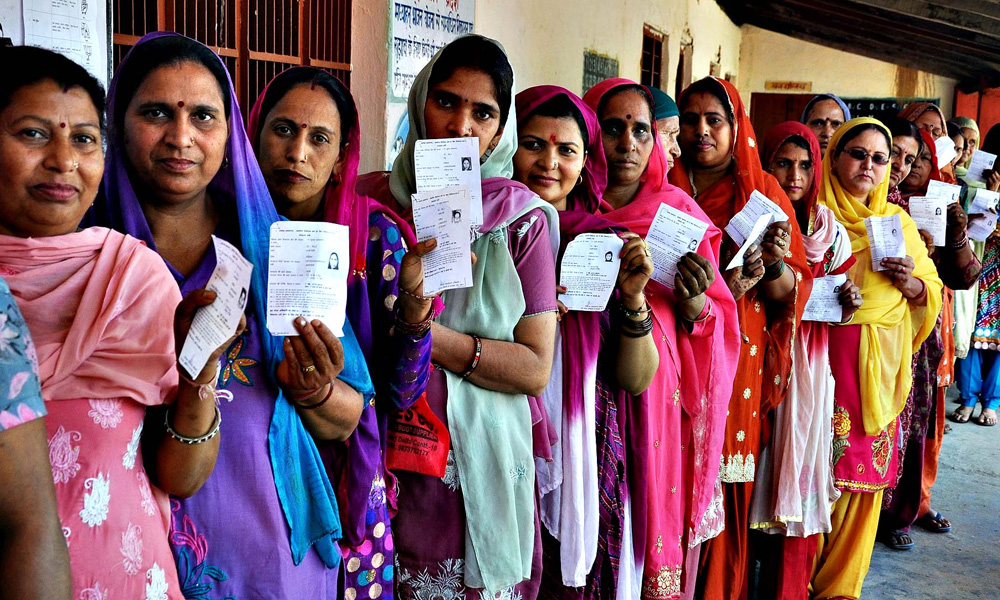
These elections will use voter-verifiable paper audit trail (VVPAT), which allows an individual to check if the candidate they voted for on the machine has actually received their vote. Candidates' faces will also be shown alongside their names and party symbols – an important move in a country where many are still illiterate...
COMMENT | Tomorrow the largest democratic elections in the history of humanity will commence.
According to the Election Commission of India, 900 million people are eligible to vote in its general elections.
Considering that 553,801,801 votes were cast in the 2014 election (which had a voter turnout of 66.4 percent), it is likely a new record will be set.
Voting begins on April 11 and will be staggered over 7 phases, ending on May 19. May 23 is set aside for counting and the results will be declared on the same day.
These elections will use voter-verifiable paper audit trail (VVPAT), which allows an individual to check if the candidate they voted for on the machine has actually received their vote. Candidates' faces will also be shown alongside their names and party symbols – an important move in a country where many are still illiterate.
I have long been fascinated by India’s political intrigues. The Nehru-Gandhi dynasty which ended in two tragic assassinations, the stunning Janata Party win in 1977 as a reaction to Indira’s emergency rule, the strength of the Communists in West Bengal and Kerala, populist regimes in the south led by actors NT Rama Rao and MG Ramachandran. What’s not to love?
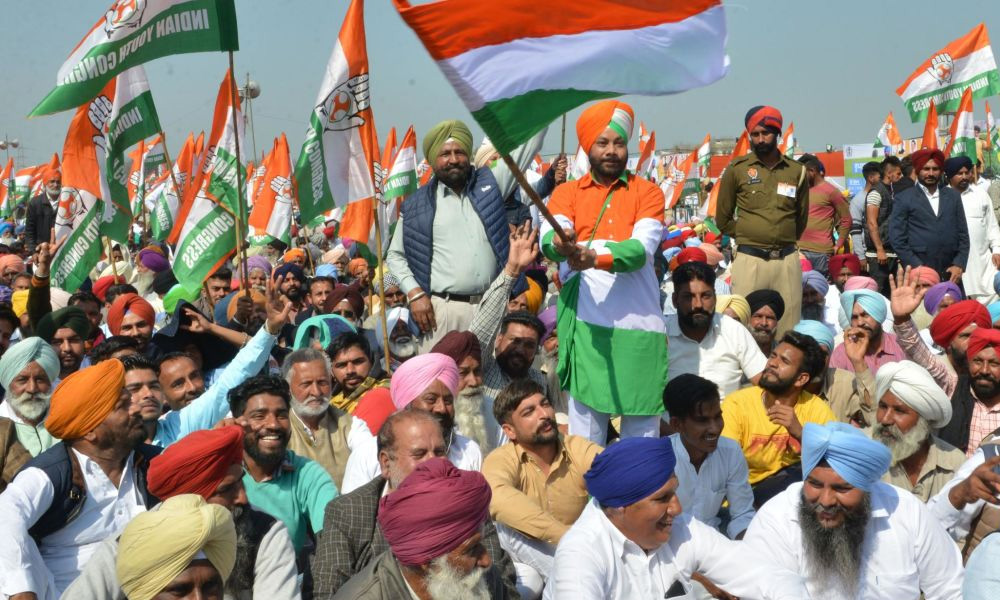
Anything aside from a convincing victory for Narendra Modi’s ruling Bharatiya Janata Party (BJP) and its assorted allies will be a shock. But that doesn’t mean there isn’t a diversity of views on offer.
A friend of mine plays a crucial rule in BJP’s online campaign and acknowledges it’s a mammoth task getting the message across to the largest electorate in history. Aside from the sheer number of people and range of languages and dialects, India is also facing major issues with fake news being disseminated on Whatsapp and the like.
Unable to go on record at the moment, he put me in touch with Shivam Chhabra, spokesperson of the Bharatiya Janata Yuva Morcha, BJP’s youth wing,
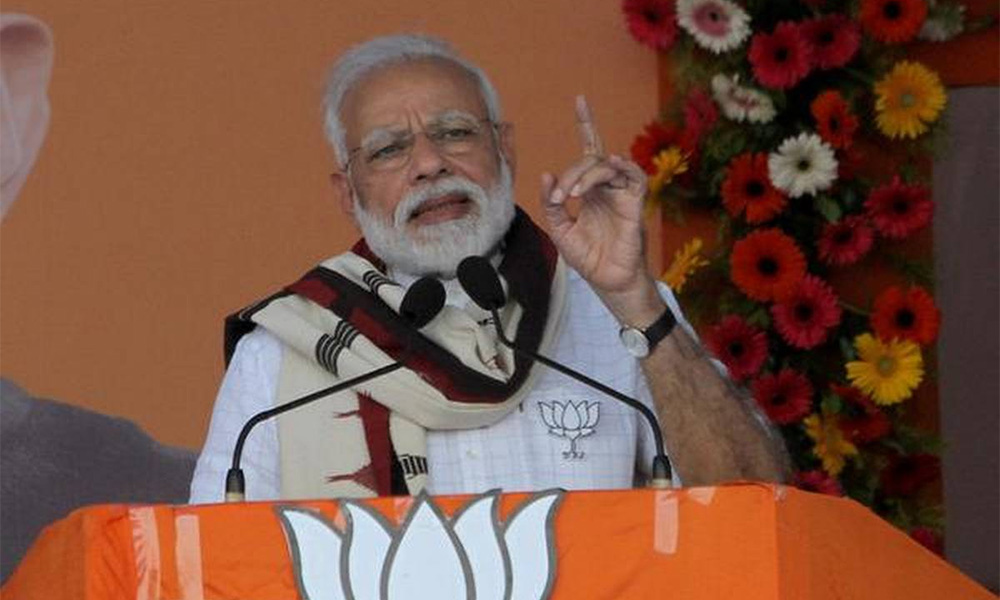
Shivam is oozing confidence. “The election is going to see opportunists versus the nationalists. We have a leader who has pushed for intense development in the past five years, who has proved his mettle globally and ensured utmost respect for India throughout the world. BJP will also make great use of technology to publicise the works of the Modi government.”
While prone to hyperbolic praise of his prime minister, he stresses that victory cannot be taken for granted. Indeed, opinion polls can’t be taken too seriously because it’s extremely difficult to get a representative sample of a population that ranges from the Himalayan valleys, Assamese frontiers, Andaman isles, Kerala backwaters, the Thar desert and everything in between. In fact, the typical sample size of an opinion poll in India is usually less than an acceptable margin of error given the large electorate.
“Opinion polls in India are carried out with a small sample of the large population which is heterogenous with different cultures. These factors play an important role in the election process, and so opinion polls are limited. Results may vary drastically if the sample collection has not been done in a good way keeping all the factors in place.”
Dominating the news in the run-up to the polls was the Kashmir confrontation with Pakistan. While cynics have implied that it was conveniently well-timed to boost Modi’s standing, his party man denies needing such a conflict. “BJP is committed to the idea of a peaceful and developed Kashmir, and we don’t believe in confrontation. Our government has stressed heavily on building infrastructure with a special focus on education of the children and youth in Kashmir. We believe in development.”
While conceding that the BJP has predominantly been a popular political party of northern India, Shivam is convinced his party has permanently supplanted the Congress Party as India’s largest.
A wave of young Modi loyalists are candidates as the party attempts to break through in the southern states. “BJP has entrusted youth wing leaders to fight out the Lok sabh elections. The BJP youth wing presidents of West Bengal, Kerala, Karnataka and almost a dozen other youth leaders have been chosen to represent their respective constituencies. This is a good move to promote young blood.”
Aloysious M Gonsalvez is a retiree from Trivandrum, Kerala, who worked in the aviation industry. He doesn’t share Shivam’s enthusiasm for Modi and believes southern voters will keep the BJP at bay.
“I will support the UPA led by the Congress Party,” he told me. “Narendra Modi's popularity is vanishing day by day. The promised jobs have not been achieved during the last 5 years. The Modi government failed miserably in 2016 in carrying out the demonetisation of the Indian Rupee without the help of the Reserve Bank and creating panic in all citizens. He could not unearth black money as announced.”
“Kerala has 20 constituencies and till today they are shared by the Congress-led UDF and the Communist Party of India (Marxist)-led LDF. BJP is yet to open an account, but they are batting hard,” he told me.
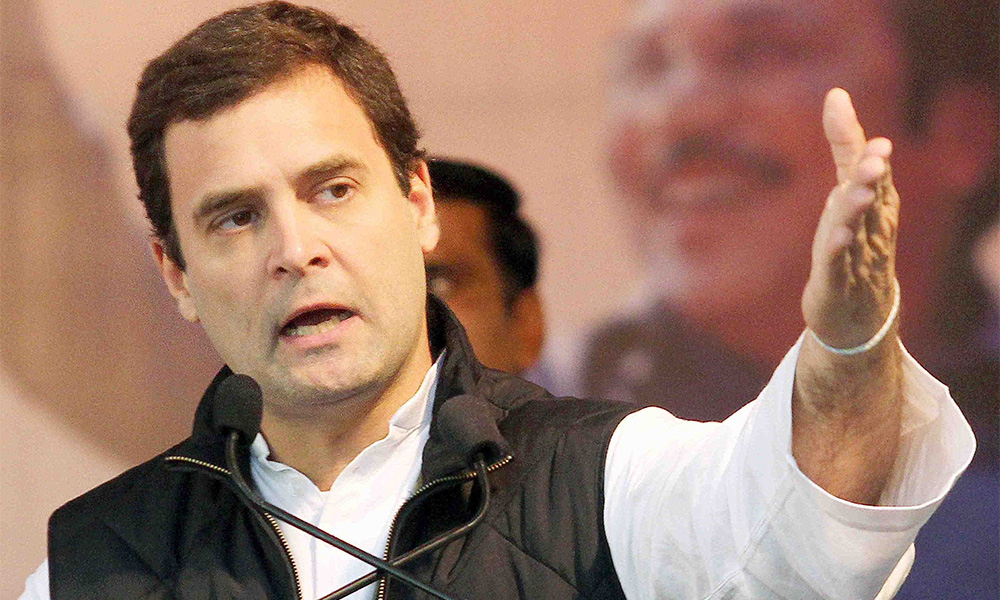
He also cited Rahul Gandhi’s (above) move to contest in Wayanad, a northern forest district in Kerala, as one that would ensure Kerala votes for Congress. Gonsalvez was not particularly impressed with the performance of current Communist Chief Minister P. Vijayan (a Dr Mahathir lookalike!)(below) and thinks the anti-incumbency factor will also hurt BJP and help Congress, which recorded its worst ever performance in 2014.
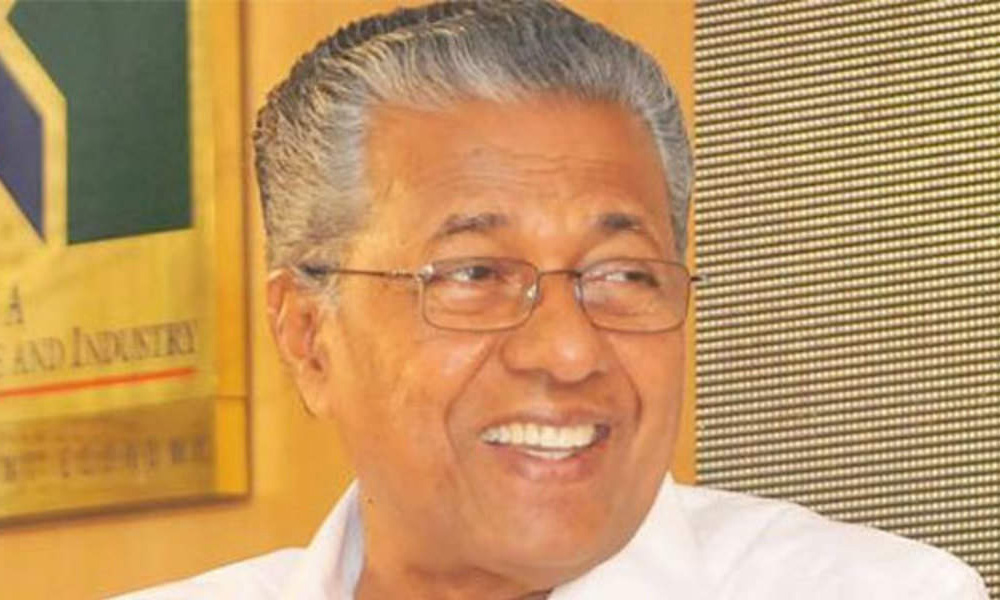
“The key state is Uttar Pradesh, the biggest state in India with 80 parliamentary constituencies. BJP is purely a communal party and they promote all that stuff connected to temples. They do not tolerate any other religion, which is guaranteed by the Indian constitution,” said Gonsalvez.
Modi could face problems in Uttar Pradesh as the two parties (the lower-caste based Bahujan Samaj Party and the regional power Samajwadi Party), which traded the Chief Minister post for a couple of decades before BJP’s ascendancy, have now formed an unlikely alliance to defeat him.
My college friend Virupaksha Raparthi is one of many Indians who have made a success of themselves outside the country. A graduate of India’s lauded IIT university system, he now owns a stockbroking firm and lives in Manhattan, New York. However, he is still committed to improving the situation in India.
“Modi’s popularity is a difficult subject to tackle. Among diehard BJP fans - he is the main strongman left. The real builders of the BJP have been marginalised. No one can speak against him. The entire party is run by Modi and BJP president Amit Shah”
He echoes the view that Modi will pay a price for failed monetary policies: “Demonitisation was very unpopular- he will see its backlash in this election. Even his finance minister did not know that this was going to happen! The GST tax is a disaster as well.
“Coming to the present election - I think an absolute majority for BJP will not happen. It will be a coalition govt. Battle ground states will be UP, Bihar, Kerala... Northeast states may lean towards BJP.”
In the last elections, Raparthi leant towards the anti-corruption Aam Aadmi Party, but says it has not matched expectations. “AAP will do well in Dehli only. It has morphed into a small regional party with only local impact,” he says.
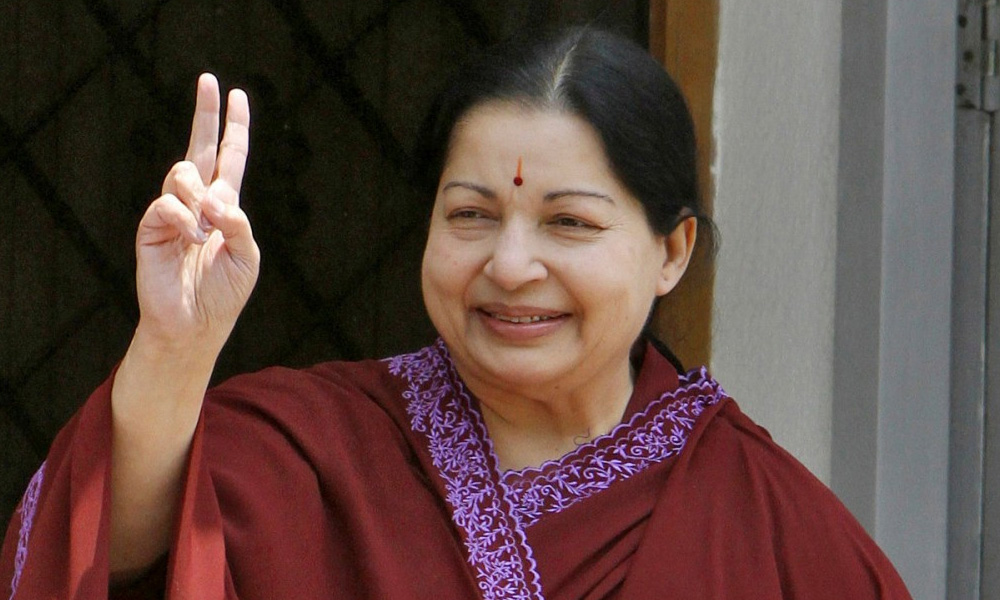
I admit a personal fascination with the outcome in Tamil Nadu. There are no state elections, but this is the first major General Election since the demise of both Karunanidhia and Jayalalithaa (above), two MGR-linked titans who fought for control of the state for over three decades. Their parties DMK and AIADMK are sister parties and bitter rivals and are both ridden with factionalism.
A few months ago I spoke to Prabir Purkayastha, research unit head of the Communist Party of India (Marxist). While currently the ruling party in Kerala, there is every chance the Communists may be wiped out electorally, having lost its strong hold over West Bengal and Tripura.
“Historically, the left in India punched well above its weight,” he told me. “Secular ideals, social justice, workers rights – we had a strong impact beyond our numbers. But now politicians are using communal ideas with religion as a trump card. This appeals to those who are disillusioned with the system.”
One thing is certain – it’s hard to picture a more colourful and larger-scale election than the one kicking off tomorrow in India. That is – until the next one comes around.
MARTIN VENGADESAN is a member of the Malaysiakini Team.


Report this comment
Are you sure you want to delete this comment?
This action cannot be undone.