


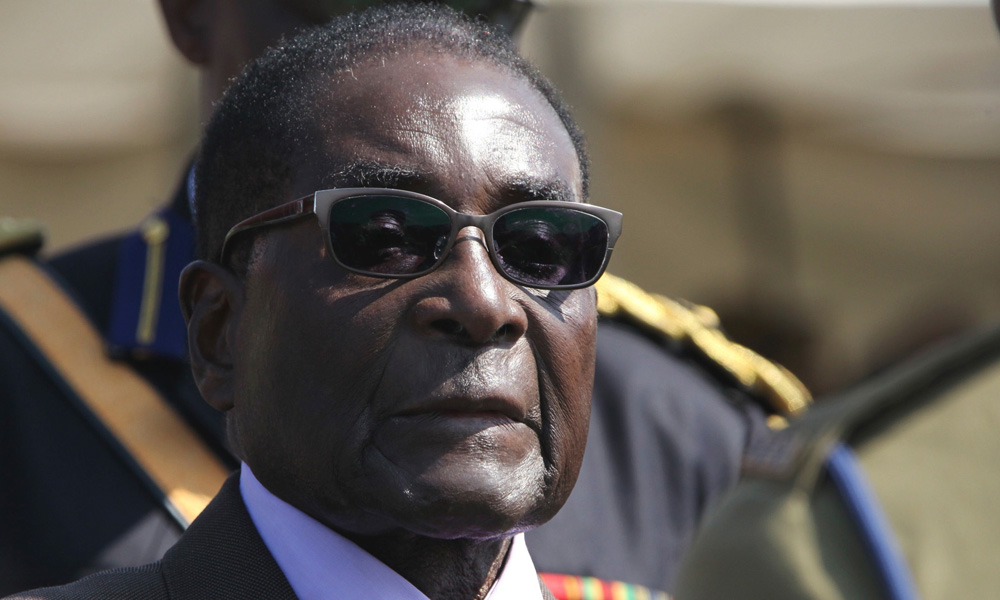

Mugabe's death and the fellow traveller syndrome
COMMENT | The term ‘fellow traveller’ has fallen out of fashion these days. But when I first became politically aware in the late 1980s, it was widely understood.
In fact, no sooner did I become politically aware that I found myself in the 'fellow traveller' camp.
Essentially, the ideology I espoused (and still do) was democratic socialism – a little to the left of those welfare states in Scandinavia that I still admire so much. High taxes, free medical and education systems, public housing and transport, socially liberal, pro-conservation, strong unions, etc.
However, at that time, the world was still largely divided along Cold War lines. Monolithic mysterious Communist regimes versus the free West. But it wasn’t black and white of course.
The US, for example, bombarded us with propaganda about its love of freedom and democracy.
Yet it did this while financing and propping up a string of brutal dictators like Chile’s Augusto Pinochet, Zaire’s Joseph Mobutu, Philippines’ Ferdinand Marcos and Indonesia’s Suharto.
While that was easy to see through, I had a more difficult time with the legacy of states that were oppressing their people in the name of socialism...
COMMENT | The term ‘fellow traveller’ has fallen out of fashion these days. But when I first became politically aware in the late 1980s, it was widely understood.
In fact, no sooner did I become politically aware that I found myself in the 'fellow traveller' camp.
Essentially, the ideology I espoused (and still do) was democratic socialism – a little to the left of those welfare states in Scandinavia that I still admire so much. High taxes, free medical and education systems, public housing and transport, socially liberal, pro-conservation, strong unions, etc.
However, at that time, the world was still largely divided along Cold War lines. Monolithic mysterious Communist regimes versus the free West. But it wasn’t black and white of course.
The US, for example, bombarded us with propaganda about its love of freedom and democracy.
Yet it did this while financing and propping up a string of brutal dictators like Chile’s Augusto Pinochet, Zaire’s Joseph Mobutu, Philippines’ Ferdinand Marcos and Indonesia’s Suharto.
While that was easy to see through, I had a more difficult time with the legacy of states that were oppressing their people in the name of socialism.
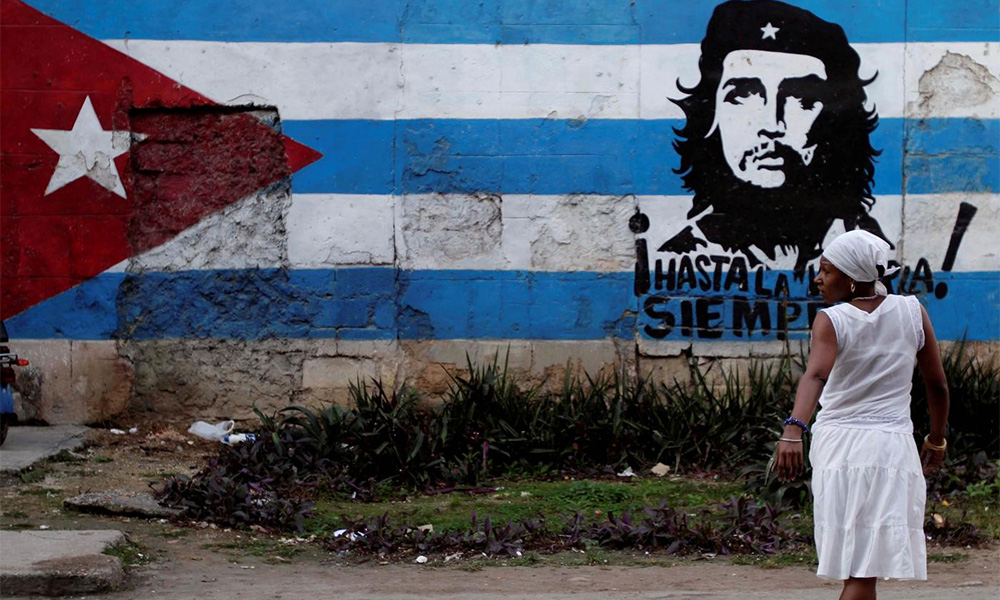
It was an ideology of justice, I thought, and so I tried to rationalise it away by aligning my beliefs to people like Leon Trotsky and Ernesto 'Che' Guevara, who had inspired revolutions, but didn’t hang around to become dictators.
So for around three years, I was a fellow traveller, to be found making excuses for some of these dictatorships – until the stark reality of their human rights violations could no longer be ignored.
I don’t mean I was so stupid as to ever defend the Khmer Rouge, but I did want to believe that the 'Communist' nations could still be salvaged.
In my defence, I was taken with the 'reformist' Communism of Mikhail Gorbachev, and thought such as wave might sweep through and liberate these nations from dictatorship while upholding the economic principles of socialism.
I guess as a fellow traveller, I was not so different from those who demand great sanctity and respect for their religious beliefs while ignoring the great many crimes against humanity committed in its name.
We want to believe that something is good, so we turn a blind eye to all that glaring flaws that the ideology or religion also permits.
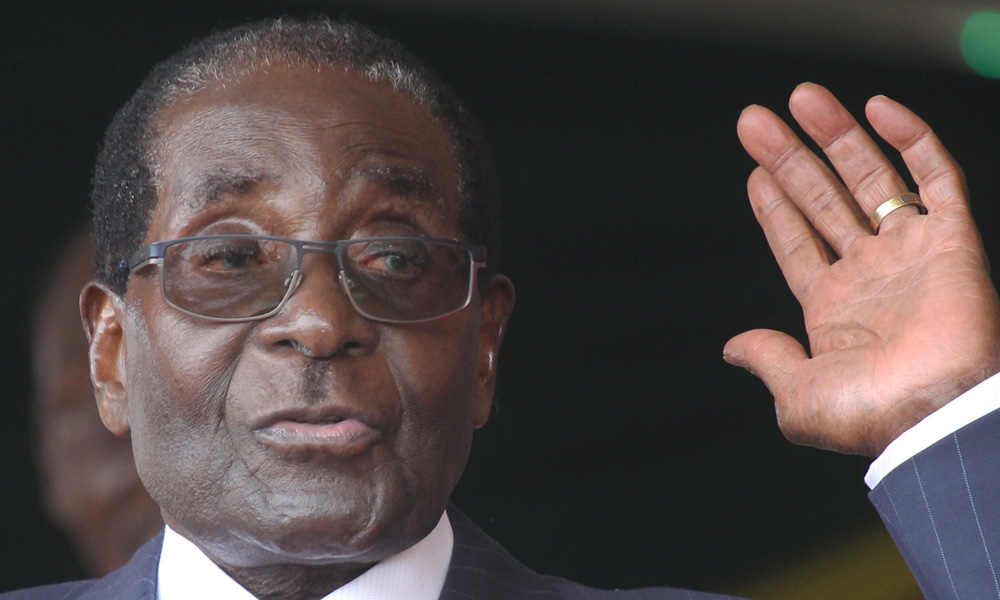
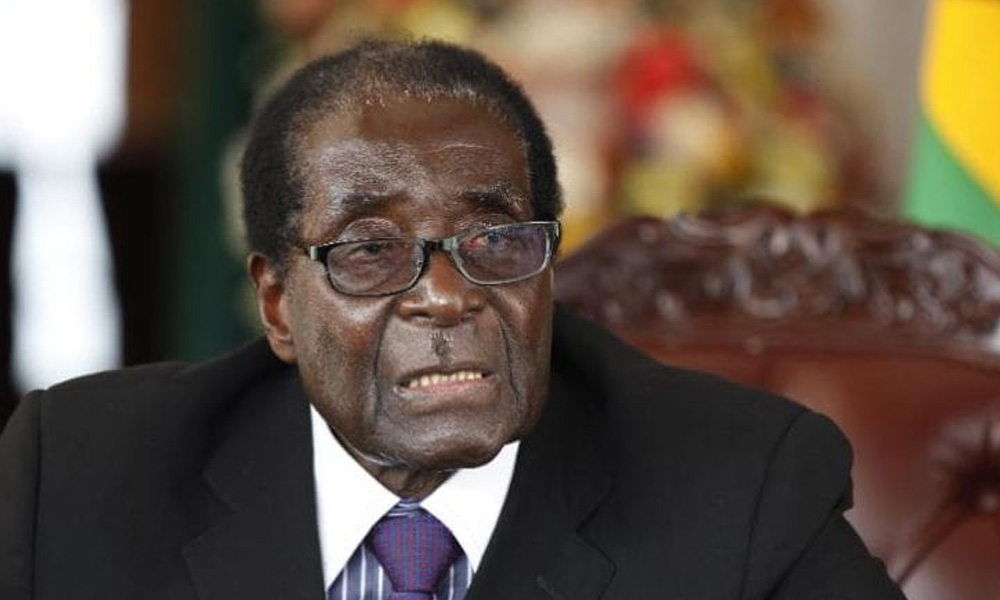
Anyway, Robert Mugabe was another classic case. It’s hard to believe now, but in the 1980s, he was briefly viewed as an anti-colonial hero, a Nelson Mandela-like figure who liberated his white-ruled Rhodesia and gave us a glittering new Zimbabwe.
His Zimbabwe African National Union (Zanu) party preached equality and socialism and it was such a bright future that even Bob Marley came to perform on Independence Day, bringing with him a song he’d released a year before about the Zimbabwe freedom struggle.
Mugabe was going to build a great new Zimbabwe, but he turned into a dictator.
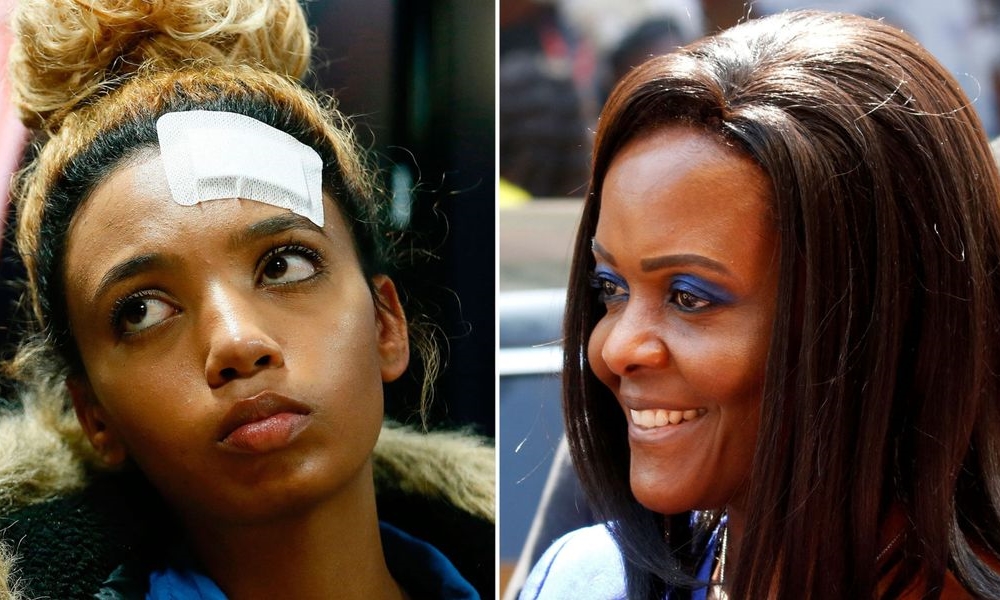
Long before his death in Gleneagles Hospital Singapore, Mugabe had become a vile kleptocrat married to a woman known as Gucci Grace.
He robbed his people, fixed elections, ordered tribal massacres, tortured dissidents and humiliated his comrades in the revolution like Canaan Banana and Joshua Nkomo.
As the reports of Mugabe’s misrule filtered out, it forced me to challenge the preconceived idea.
I even defended his seizure of white-owned farms as a justifiable reaction to colonial injustice. But actually, it was a political move to placate some of his cronies and divert attention from a failing economy.
And it backfired too, as the collapse in agricultural foreign exchange earnings resulted in hyperinflation.
Soon Zimbabwe’s once-booming economy was a shell of itself and many moved to South Africa in search of a better life. Soon after, I gave up trying to defend him.
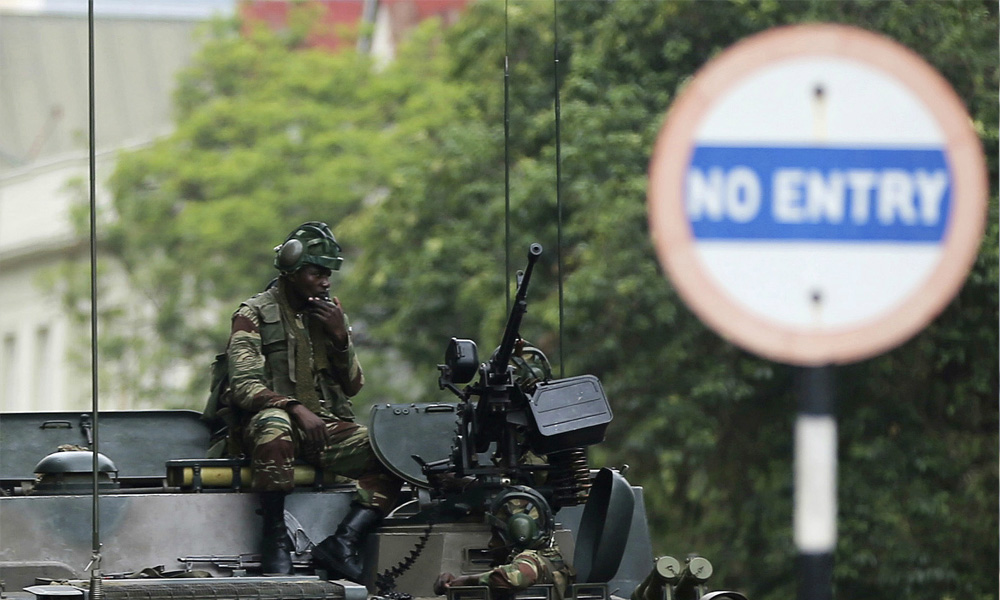
In later years, his dictatorship became a bare farce. When he took a tumble in public, he became a Twitter meme, and finally went too far by trying to ensure his wife was in position to succeed him as president.
Grace was more than 40 years his junior and had first attracted his attention whilst a typist in the parliament building in Harare.
When I talked to my Zimbabwean childhood classmate Bothwell Mutingwende two years ago upon Mugabe’s fall, he said the people were joyous because the kleptocrat and his wife were gone, but they knew that the new government was not so different from the old, and that many years might pass before true reforms could take hold.
Sounds familiar, doesn’t it?
Anyway, the lesson one has to take of it is not to build up icons too much.
Every hero will take a fall, and Mugabe’s plunge from grace was all the more bitter because so much was expected of him.
It was also a lesson to the fellow traveller in me not to be blind to a leader’s faults and not to put too much stock in his words and promises, but to take a cold hard look at his actions instead.
MARTIN VENGADESAN is a member of the Malaysiakini team.


Are you sure you want to delete this comment?
This action cannot be undone.