



Third Malaysian car is yet another farce
A QUESTION OF BUSINESS | There is a farcical rebadging arrangement this and previous governments have allowed, which if followed to the tee, virtually ensures substantial profits for any car “manufacturing” project labelled as Malaysian even if it is not.
So long as it is recognised as a Malaysian car by the authorities, the project not only enjoys massive tariff advantages which give it an unassailable competitive advantage in terms of price but large development grants of up to as much as RM 1 billion a year.
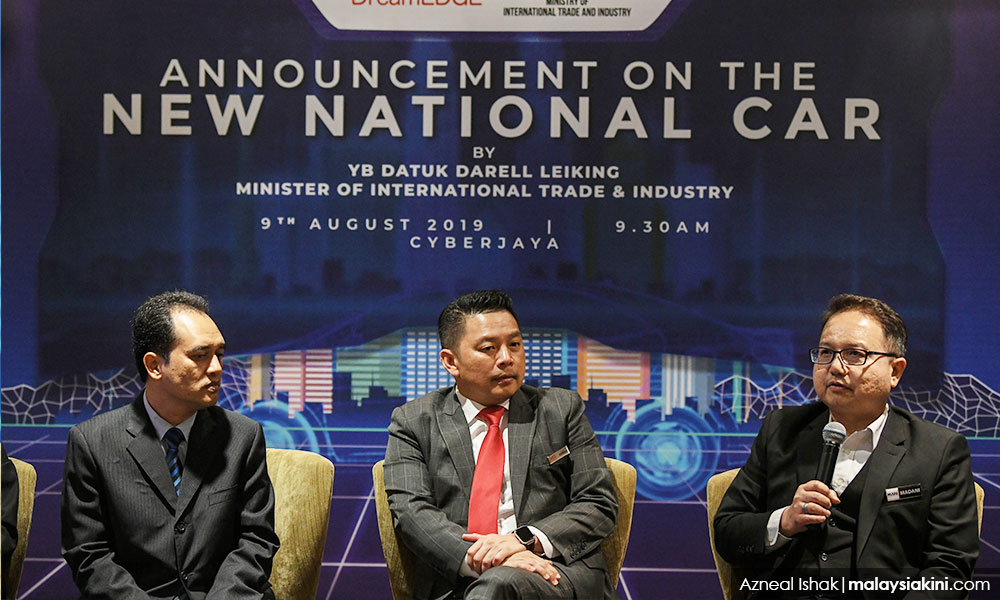
The third Malaysian car is also a farce. It was announced last month that the Ministry of Trade and Industry had appointed DreamEdge Sdn Bhd for the car project with technological support by Daihatsu Motor Co Ltd of Japan.
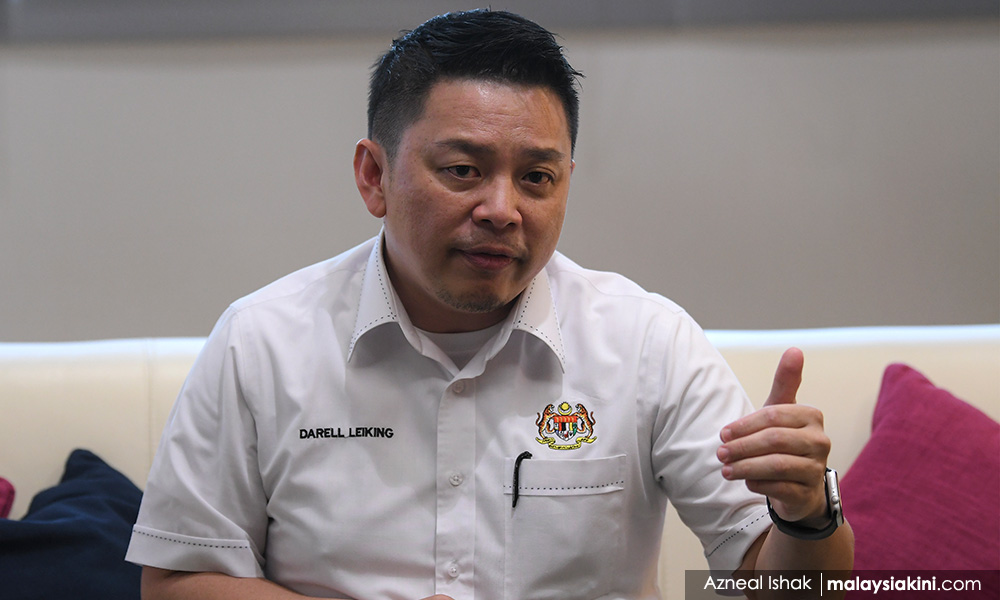
“DreamEdge was chosen because they have a good business model that we believe can work. They have briefed the prime minister and he is convinced that as long as it is privately funded and that it is run by experts from DreamEdge, then why not,” minister Darell Leiking said.
Basically, the project was approved because the prime minister was convinced of its viability and desirability, not because...
A QUESTION OF BUSINESS | There is a farcical rebadging arrangement this and previous governments have allowed, which if followed to the tee, virtually ensures substantial profits for any car “manufacturing” project labelled as Malaysian, even if it is not.
So long as it is recognised as a Malaysian car by the authorities, the project not only enjoys massive tariff advantages, which give it an unassailable competitive advantage in terms of price, but also large development grants of up to as much as RM 1 billion a year.
The third Malaysian car is also a farce. It was announced last month that the Ministry of International Trade and Industry had appointed DreamEdge Sdn Bhd for the car project with technological support by Daihatsu Motor Co Ltd of Japan.
“DreamEdge was chosen because they have a good business model that we believe can work. They have briefed the prime minister and he is convinced that as long as it is privately funded and that it is run by experts from DreamEdge, then why not,” the minister, Darell Leiking, said.
Basically, the project was approved because the prime minister was convinced of its viability and desirability, not because of any feasibility study that such a project was required, no different from Proton 34 years ago, which started with a rebadged car.
The first Malaysian car, the Proton Saga, rolled off the assembly line in 1985, during the current prime minister’s first term. It was billed as the one-third Malaysian car because two-thirds of the car came from Mitsubishi, Proton’s Japanese partner.
This included the engine and the gearbox. The only difference between this car and locally assembled cars was body stamping - the body was stamped locally to increase local content to 33 percent compared to 18 percent for locally- assembled cars.
After a short period of depressed demand because of the 1985 recession, Proton thrived because of the imposition of tariffs, which made the price of locally- assembled and imported cars too high for most Malaysians. Proton made money simply because Malaysians paid a high price for the cars it made.
Proton waded into trouble when it tried to gear up manufacturing by using a locally-produced engine. Because the scale of manufacture was low (Proton hardly made any impact on the foreign markets) and reliability was poor, sales of Proton plummeted.
It was overtaken by the second Malaysian car project, Perodua, a partnership with Daihatsu, which handled the technical side of the venture and Perodua made good cars because of the Daihatsu technical tie-up.
Proton, meantime, went through a series of ups and downs following the initial success, changing hands between government institutions and private holders. The latest private owner is DRB-Hicom controlled by connected tycoon Syed Mokhtar Albukhary, who is not only close to Prime Minister Dr Mahathir Mohamad, whose brainchild was Proton, but also to the previous PM Najib Abdul Razak.
During Najib’s time, DRB-Hicom signed a deal with China’s Zhejiang Geely Holding Group in May 2017. Geely bought a 49.9 percent stake in Proton Holdings via a convoluted deal which valued the stake at RM770 million. The remaining 50.1 percent is held by DRB-Hicom.
This came with the grant of a licence to manufacture and sell Geely’s Boyue model (NL3) under the "Proton" brand for right-hand drive markets in “certain Southeast Asian countries for the life cycle of the model”.
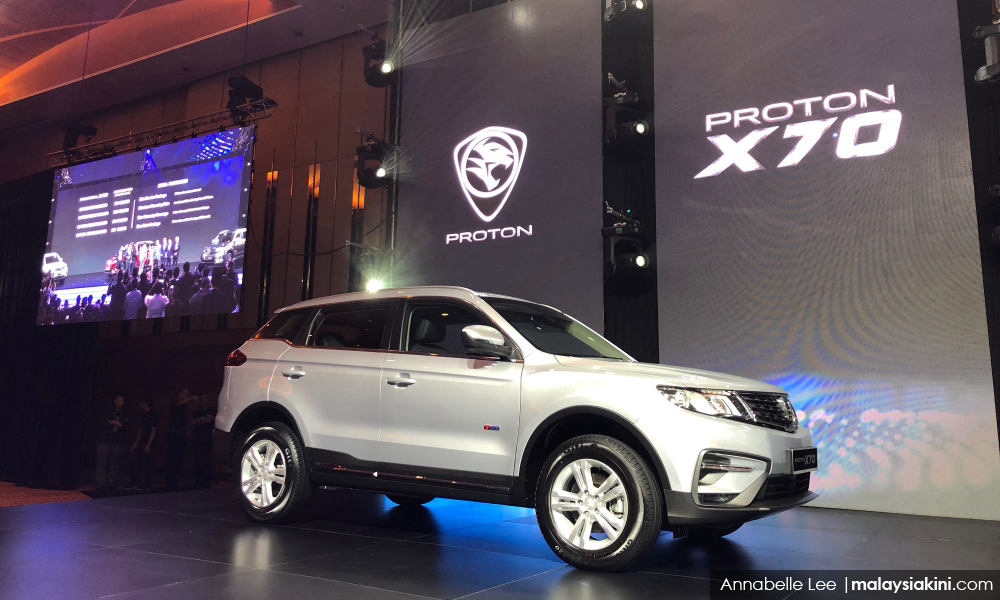
In other words, just stick the Proton badge on it and sell it. Effectively it was rebadging all over again and it marked the abandonment by Proton of the old effort to develop its own engine and other parts in-house, which failed because there was insufficient technical ability.
It is making money again, not because it has become technically competent and its products have found market acceptance but because it is selling a rebadged car behind a tariff barrier which makes the Proton X70 ( the Geely Boyue) attractive in terms of price among similar models. Mind you, if the tariff barriers were removed, it wouldn't be.
And now you have the so-called third Malaysian car. As we saw, the PM, a champion of Malaysian cars, has endorsed it and indicated it will have a hybrid, energy-efficient slant. It receives no state funding but does not have to because it will be profitable. It has a technical partner, Daihatsu, which is also Perodua’s partner.
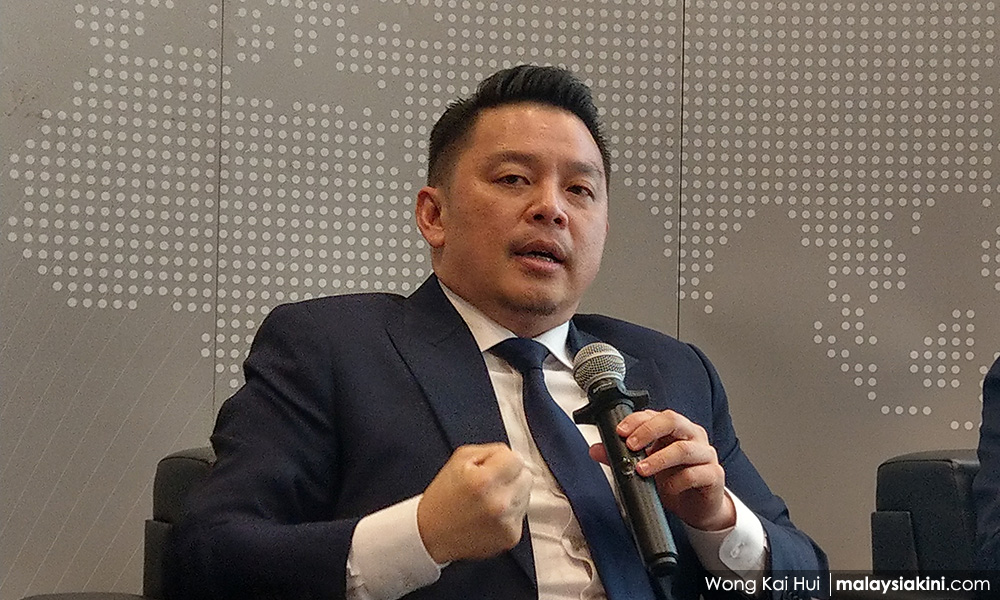
DreamEdge founder and chief executive officer Khairil Adri Adnan said the first model will come up in 2021 but strangely, he added that there will be no production plant built. Also, Daihatsu won’t be an equity partner but technology often can be bought through other arrangements.
One can see what the arguments will be for tax incentives. This will be hybrid technology, the first for a Malaysian car and therefore it will be forthcoming. “Just like any other company, they can apply for tax incentives, and then we will see whether or not they are entitled to receive the incentives,” Leiking said adding that there will be no funding for the project.
He is dead wrong. Just like all the other Malaysian cars, we Malaysians will be funding the Third Malaysian Car. Perhaps that’s why they call it the Malaysian Car in the first place.
There is a simple way to rationalise the Malaysian car industry. Simply remove all tariffs in stages and all approved permits to bring in cars. That will see Malaysians paying far less for cars, and remove distortions in the market place.
It will also put billions of ringgit every year into the disposable incomes of Malaysians, giving a kick to the Malaysian economy, instead of putting it into government coffers and the pockets of owners of these Malaysian car projects.
It will also make the local auto industry more competitive and encourage world manufacturers to come and set up shop here. Thailand is now a bigger automobile player than Malaysia, not because of its own manufacturing capability but because global auto players have set up shop there.
This superior, alternative scenario is not possible right now because the PM is overly fixated with Malaysian cars, even if it has cost Malaysians hundreds of billions of ringgit in extra costs over the last 34 years since the first Proton rolled off the assembly line.
P GUNASEGARAM has been writing about Proton and Malaysian cars since 1983 when the idea of Proton was first mooted. He is the editor-in-chief of business publication Focus Malaysia.
The views expressed here are those of the author/contributor and do not necessarily represent the views of Malaysiakini.


Report this comment
Are you sure you want to delete this comment?
This action cannot be undone.