



Racism gone viral – and there’s no vaccine
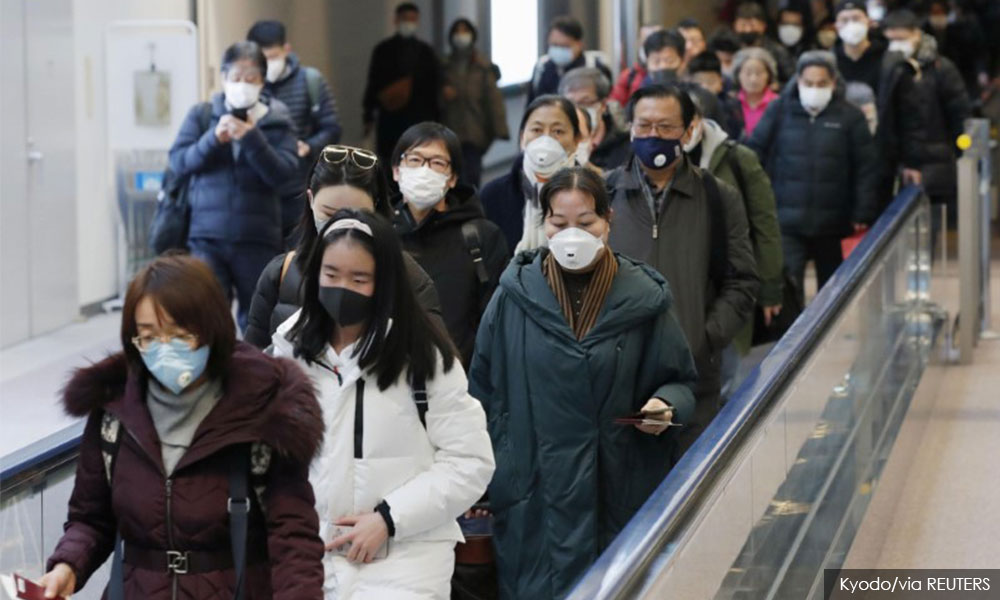
COMMENT | Asians of Chinese ancestry comprise about 17 percent of Sydney’s five million population. And, that’s to be deduced as "17 percent of potential coronavirus carriers"? (Just last week, a passing motorist hurled racist slurs at my daughter, who had a mask on, walking home from work in Sydney).
Call it common sense risk avoidance, rational discrimination, over-reaction, or whatever. Euphemisms can’t mask the racism currently infecting Asian-dominant suburbs.
I am not that surprised. There’s an underlying xenophobia in Australia - from Pauline Hanson’s anti-immigration politics in 1997 to the racialised Sars epidemic in 2002, the Middle East Respiratory Syndrome in 2012, and the 2019-nCov today.
Having said that, racism in Australia is "prevented" by federal anti-discrimination laws. Victims have legal recourse to the Australian Human Rights Commission. And, the Australian "fair-go" ethos is a plus, even as I am under no illusion that ...
COMMENT | Asians of Chinese ancestry comprise about 17 percent of Sydney’s five million population. And, that’s to be deduced as "17 percent of potential coronavirus carriers"? (Just last week, a passing motorist hurled racist slurs at my daughter, who had a mask on, walking home from work in Sydney).
Call it common sense risk avoidance, rational discrimination, over-reaction, or whatever. Euphemisms can’t mask the racism currently infecting Asian-dominant suburbs.
I am not that surprised. There’s an underlying xenophobia in Australia - from Pauline Hanson’s anti-immigration politics in 1997 to the racialised Sars epidemic in 2002, the Middle East Respiratory Syndrome in 2012, and the 2019-nCov today.
Having said that, racism in Australia is "prevented" by federal anti-discrimination laws. Victims have legal recourse to the Australian Human Rights Commission. And, the Australian "fair-go" ethos is a plus, even as I am under no illusion that implicit racism just needs a crisis to expose it.
This article, however, is less about the global anti-China/Chinese wave and corrosive caricatures of an "Asian virus" going around. You can read all about the virulent resentments here and there.
I will pose this though - are we hardwired to associate certain crises and public behaviour with particular ethnicities? If we are, how can we dismantle the racial logics of our society?
Admittedly, I too have relied on preconceptions, based on a hodgepodge of limited reading materials, before I migrated to Australia in the pre-Internet 80s. I landed in Perth, an optimist anticipating any reporting or subbing work in any metro daily. With acknowledgement letters from news organisations I had written to while teaching journalism at ITM-Shah Alam, I went knocking on doors.
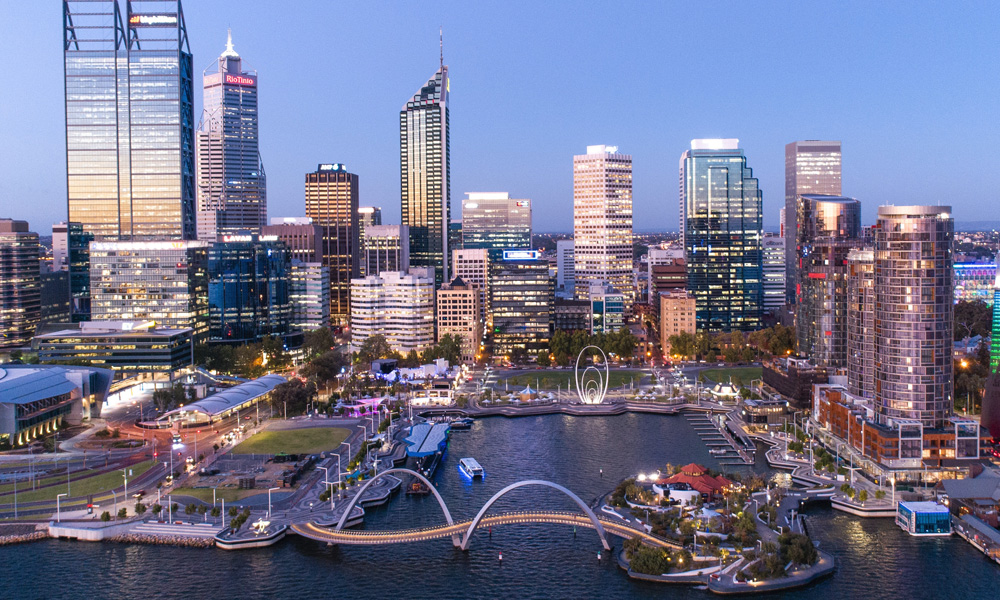
Within a week, I got a leg in at a city daily as a casual reporter but settled for a full-time position with a smaller suburban weekly. I didn’t even need to go on welfare, one of my preconceptions of the “lucky country”.
It was culturally challenging being the only Asian in a predominantly white newsroom, though professionally advantageous. It evened out on the reporting field. News sources were highly approachable. Not many "Asian" reporters in the 80s. The initial high after arrival soon took a racial turn.
I was placed on duty as acting desk editor. An elderly page layout bloke told a junior reporter she didn’t have to take “orders” from me. On the street, I asked for directions but was told, again by an old bloke in an old tweed jacket, “I don’t speak to bloody Asians”. (For context, Asian restaurants in Perth were serially firebombed in the late 80s by the white supremacist Australian Nationalist Movement. Anti-Asian posters at bus stops was a common sight).
Racist morons. I have encountered a handful over the decades. The misinformed are a pain, but at least I know what they look like and where they hurl their slurs during each crisis – usually as passing motorists, in public transport, as right-wing radio shock jocks, occasionally in the conservative news columns and letters.
Of more concern are the racist mutterings behind closed doors among the like-minded at the workplace and neighbourhood. These are the covert racists whose collective impact on the community is more insidious, more reflective of the long history of anti-Chinese (Asian) legislations in Australia – and broadly across the once-imperial West perceivably threatened by China’s growing technological and economic presence.
Yes, insidious covert racists. Aren’t we all to an extent, although unintentional? Even among Malaysians. Outwardly we accommodate. Inwardly, we fall back on unconscionably judging the "other" from how they look, sound and smell. Even where they live, what they wear, the car they drive. Superficial signifiers, but, nonetheless significant influencers in our racialist attitude.
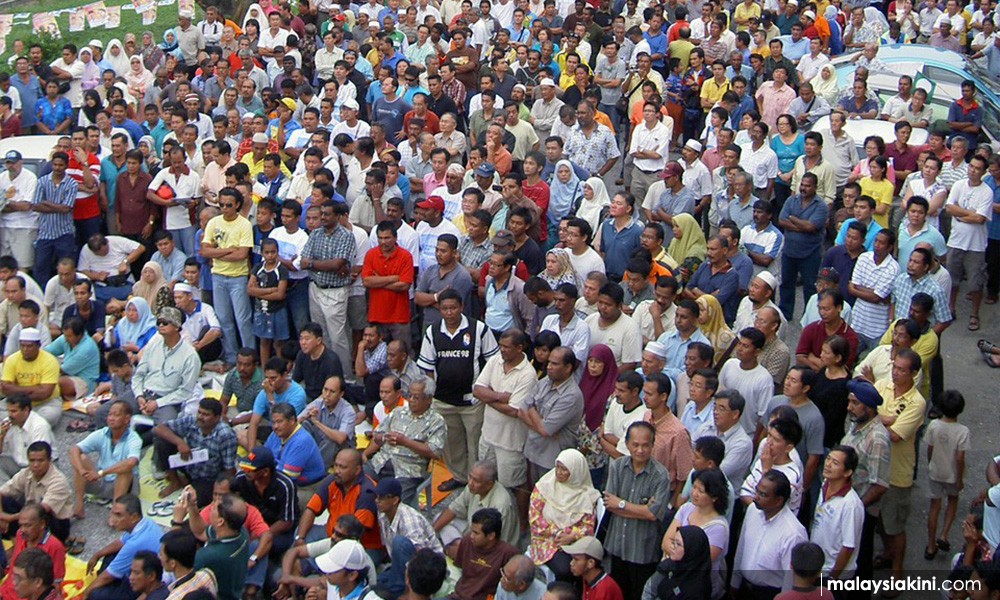
We may be "programmed" to assign characteristics of worth and ability based on a person’s perceived social class and ethnicity. Hence, our classist attitude towards those who serve us, oblivious to the fact that, like us, they too have a family, a spouse and siblings back home. They deserve a modicum of respect as a person (such as a "hello, please, thank you"?) not just as a "foreign worker", a "security guard" or a "maid".
No, we should not accept racism as part of human nature, a pre-existing condition. The onus is on those who benefit most from discriminating against another racial group to bear the greatest responsibility for fighting it. How do we treat the condition?
The vaccine against racism (and institutionalised injustice) is basic –- first, confront our private racist thoughts, thoughts that we would not tell anyone except our closest confidante. Own up to our prejudices instead of masking our tendency to discriminate against the "other" group with politically correct platitudes. We gotta walk the talk.
Whether we are racist, classist, groupist, sexist, ageist or whatever, we learn and acquire these social constructs at home, in schools, at the workplace, and from the people we meet regularly. Hence, our preconceptions and implicit biases filter how we see the "other". (You can find out where you are on the prejudice spectrum with the Harvard University’s Implicit Association Test.)
Second, we need to engage more with people who are different from us, and less with our smart devices. Know and understand their stories and their experiences in life. We are who we are because of where we came from, how we were raised and schooled, how we have lived through the circumstances we were born into. What would you do if you were in their situation?
Ultimately, our common goal is just to progress in life as far as our circumstance allows. It’s time to unlearn and purge the resentments and the many "-isms" that have taken far too much from our lives.
ERIC LOO is a senior fellow (Journalism) at the University of Wollongong, Australia. He is also the founding editor of the Asia Pacific Media Educator.
The views expressed here are those of the author/contributor and do not necessarily represent the views of Malaysiakini.



Are you sure you want to delete this comment?
This action cannot be undone.