
COMMENT | Planetary consequences of pandemic PPE production
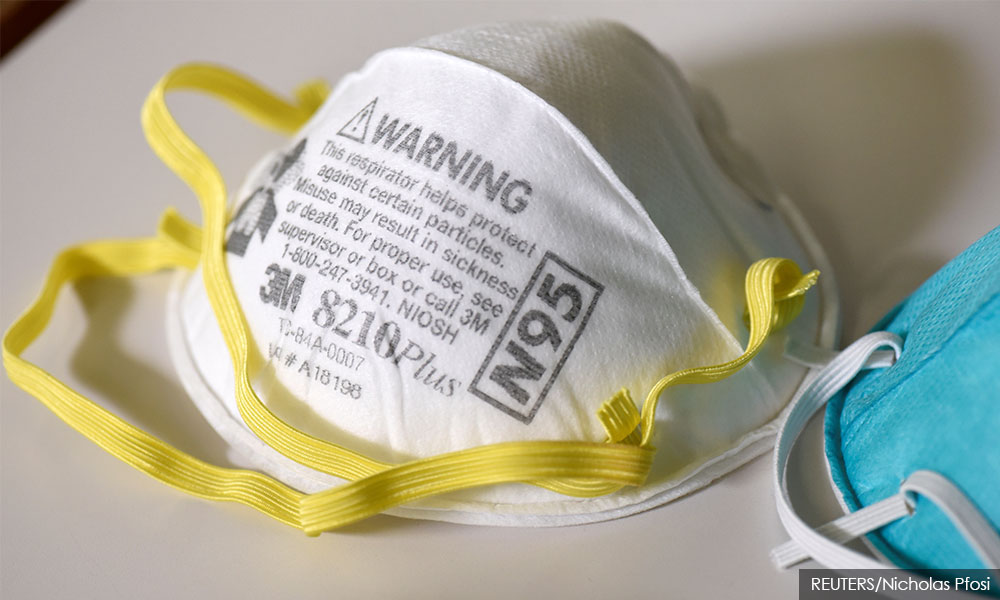
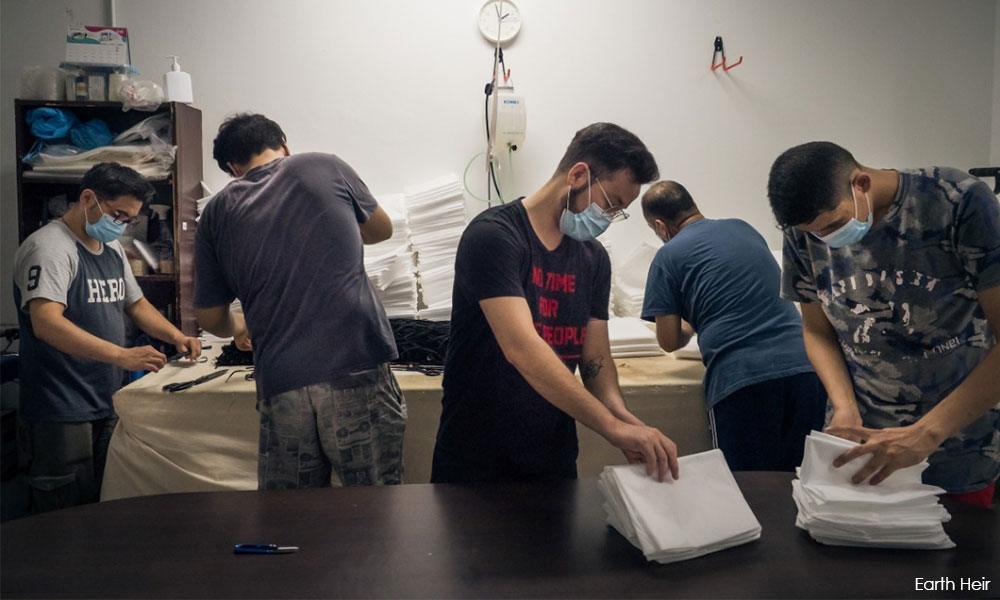
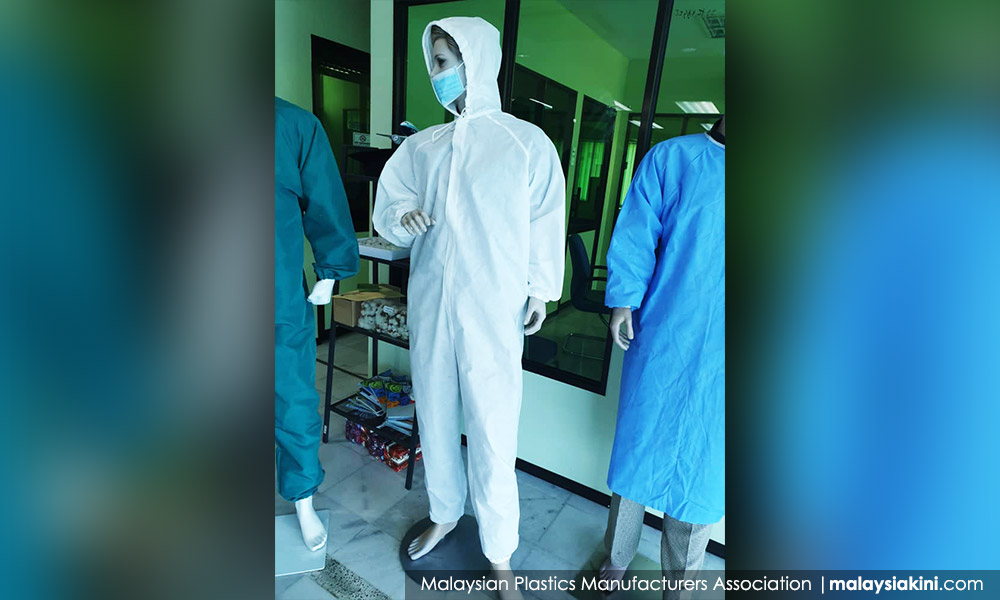
COMMENT | After more than three months of the global reaction to the Covid-19 pandemic, we are seeing the folly of our short-term panic and production of PPE equipment from gloves to masks and gowns in a global attempt to contain the virus and spread of infection.
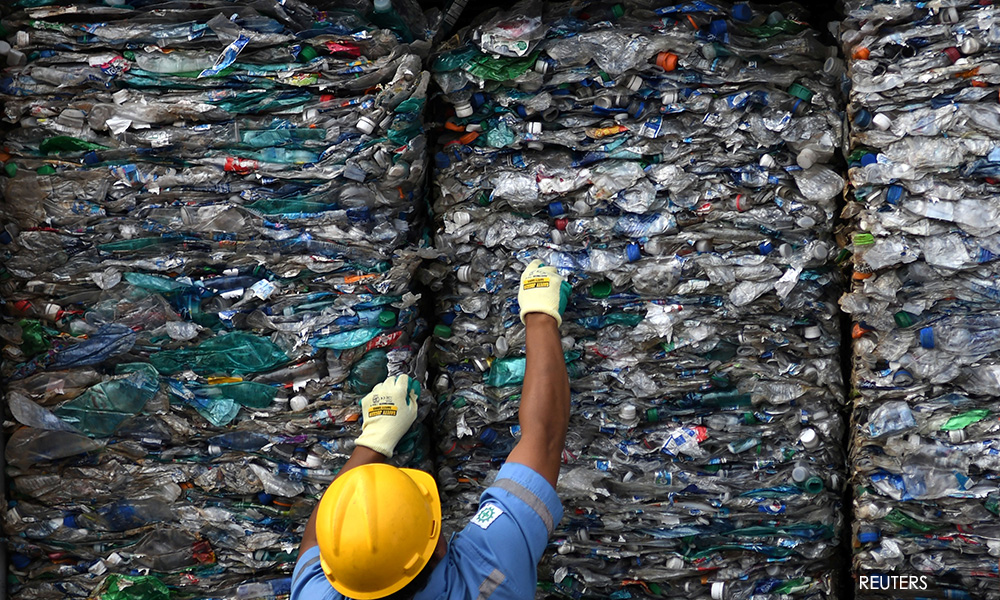
Short-sighted reaction because this was not a systemic solution, a fact that is now horrifically evident in the massive shoals of masks, washing up on the shores of the Mediterranean, the mountains of plastic and PPE adding to an already overburdened plastic disposal load and who knows what happens to the discarded rubber gloves?
With all eyes on Covid-19, it is worth remembering that we are simultaneously facing the threat of our own extinction as a species brought on precisely by such use-and-throw behaviour and planetary overload.
As many businesses and economies collapse across the world, no longer viable without customers, the PPE producers are among the key businesses that are laughing ...
COMMENT | After more than three months of the global reaction to the Covid-19 pandemic, we are seeing the folly of our short-term panic and production of PPE equipment from gloves to masks and gowns in a global attempt to contain the virus and spread of infection.
Short-sighted reaction because this was not a systemic solution, a fact that is now horrifically evident in the massive shoals of masks, washing up on the shores of the Mediterranean, the mountains of plastic and PPE adding to an already overburdened plastic disposal load and who knows what happens to the discarded rubber gloves?
With all eyes on Covid-19, it is worth remembering that we are simultaneously facing the threat of our own extinction as a species brought on precisely by such use-and-throw behaviour and planetary overload.
As many businesses and economies collapse across the world, no longer viable without customers, the PPE producers are among the key businesses that are laughing all the way to the bank. They have coronavirus customers galore and thus profits beyond their wildest dreams
Globally, however, there is clearly a gaping disconnect between the massive scale of production and the massive scale of waste of these goods as is the case with most consumer goods because of their linear economic pattern of thinking.
Prevailing linear economic theory and practise are geared towards profit and growth that begins with land claims, extraction and use of earth’s resources, perceived as infinite, and then manufactured downstream into goods for market and if well matched to consumer sentiment, more profit. As we can now glaringly see, our hunger for never-ending production and consumption has led us to seriously overstep the planetary boundaries essential for our continued existence as a species.
It is ironic that while to most of us the coronavirus is “invisible”, we take it as scientific fact that this invisible threat to life exists. In response, for the first time ever, we took global collective action to contain the spread of this potentially fatal plague. Most governments have adopted a policy of taking care of people first, implementing a lockdown aimed at saving lives even though it has been devastating to the economic life of countries with millions now unemployed.
Like the coronavirus, the impact of climate change is invisible to most of us and despite three decades of alarming scientific facts we have failed to take the scientists seriously. And still, the economic conversation focuses on restarting the “growth-based economic model”, bailing out airlines etc.
The pandemic has provided a tragic and also valuable learning lab for us to rethink our relationship with the earth, our home, and with each other. It is clear that if we are to have a chance of turning things around for our grandchildren, we must commit to an equitable and fair socio-economic system that also remains contained within planetary boundaries.
To meet both of these outcomes and survive we need a different economic model, one in which resources are treated as finite and re-used, re-cycled, re-purposed.
For example, there is a massive planetary price to be paid for the PPE waste that has been generated in the pandemic and that price is not factored into the economic equation of the producer or the buyer. So who holds the responsibility?
In contrast, a circular economy would have these costs factored into the model so that it becomes leakproof. We have the logistics technology, now we need the contracting, the producer-headed responsibility and the government-led policies that ensure such circular transparent accountability takes place.
A holistic circular economic model would have embedded within it the currently “invisible” components of raising families, of community wellbeing, of education, health, ecological use of resources and production processes. These must be factored into the accounts.
The linear model can generate extraordinary wealth in the hands of the few trillionaires yet is blind to the ecological and human costs which are paid disproportionately by the bottom 40 percent and the marginalised and which after Covid-19 has increased perhaps to 60 percent suffering without work or the wherewithal to survive.
Malaysia has done remarkably well in taking extraordinary steps to save lives and contain the coronavirus pandemic. Now the urgent call is to take similarly extraordinary measures to become a leader in the field of regenerative economics for the wellbeing of all and the earth, perhaps even a leader in Asean.
The old throwaway linear model has been discredited and found to be dangerous. It has to be replaced by innovative circular models which have found traction in countries as far apart as the Netherlands and Costa Rica. The circular model is regenerative by design.
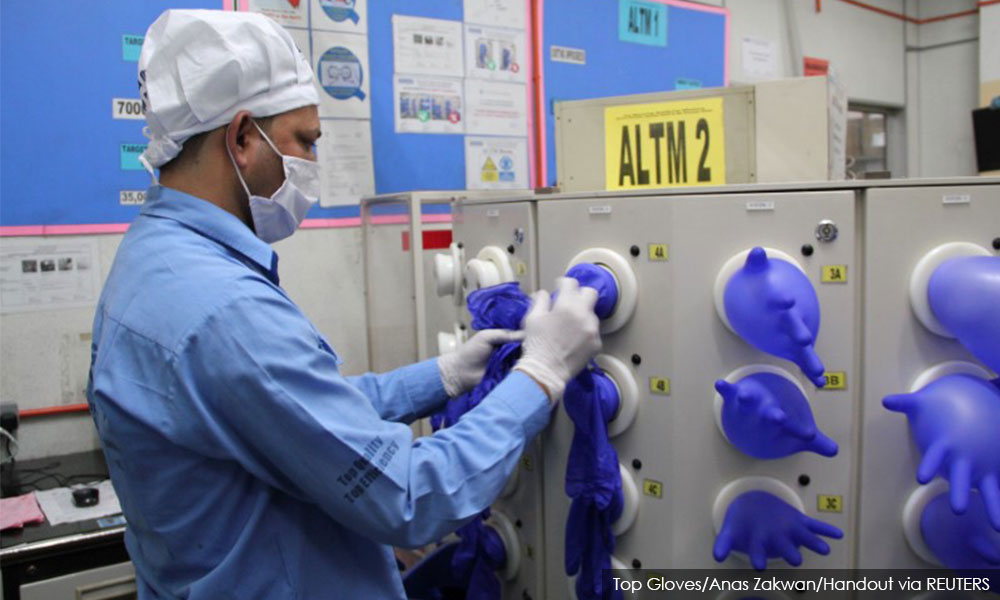
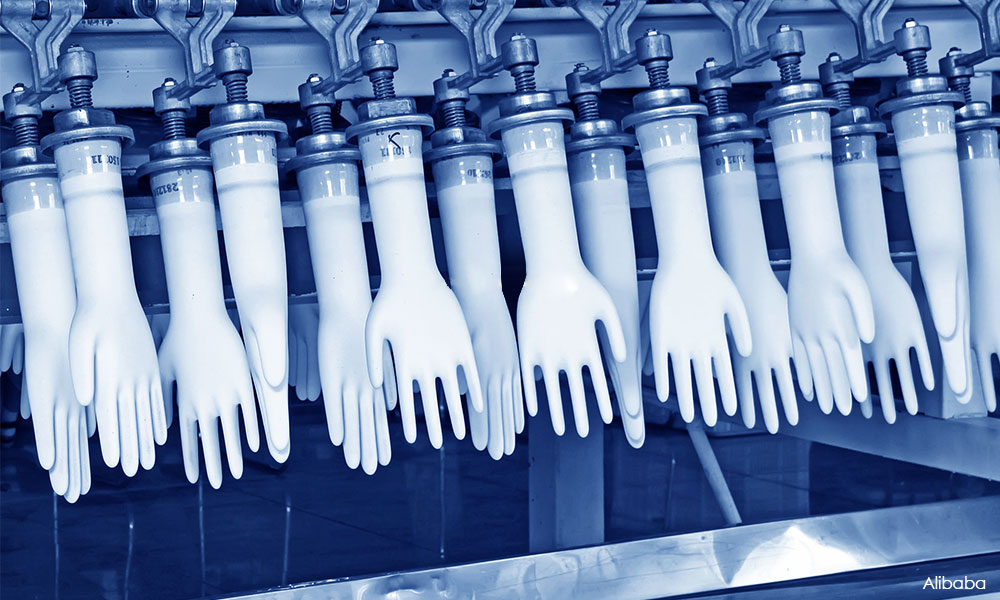
Typically, industrial production follows a one-way street economy of degenerative design which involves taking energy and materials, making goods, using the goods, discarding the waste matter and waste heat as well as consumers discarding the product somewhere. Take Malaysia’s production of plastics or rubber gloves for example, and we are world leaders in this field, to what extent is the linear pattern of production followed and what could be done differently for the benefit of the all?
What if production was designed with regeneration in mind so that the cycle would start with renewable biological and technical materials? Goods would be made, consumed and used and in the design would be systems for restoring the technical components involved and regenerating the biological elements, both of which would serve to feed into another round of production. Imagine such a system running on renewable energy that is generated within the circular process.
Now, imagine our glove manufacturers contracting with national buyers so that a cyclical process exists in the place of distribution. This may mean setting up plants or partnering local companies across the globe or it may mean franchising this closed system to other countries so there is no waste. Of course, a legal implementation may be needed to ensure hospitals, local authorities and communities comply as well as set up their own circular systems there.
Next, imagine doing this in all areas of production within a comprehensive regenerative economic design for localities, states and nation-states. The result will certainly be closer to the holistic circular economy we aspire towards. The sooner we all confront the dire fact that earth resources are not infinite, the better the chances of survival for our children and our children’s children.
ANNE MUNRO KUA is a social scientist, author and transformational coach.
The views expressed here are those of the author/contributor and do not necessarily represent the views of Malaysiakini.