



COMMENT | Glove companies should repay worker recruitment fees or face sanctions
COMMENT | In November 2019, amidst growing awareness of systemic forced labour in rubber gloves factories across Malaysia, the president of the Malaysian Rubber Glove Manufacturers Association (Margma) made a statement that its members would no longer keep their worker’s passports and would adopt a zero cost policy for future recruitment of foreign workers. However, Margma opposed the repayment of foreign workers past recruitment fees.
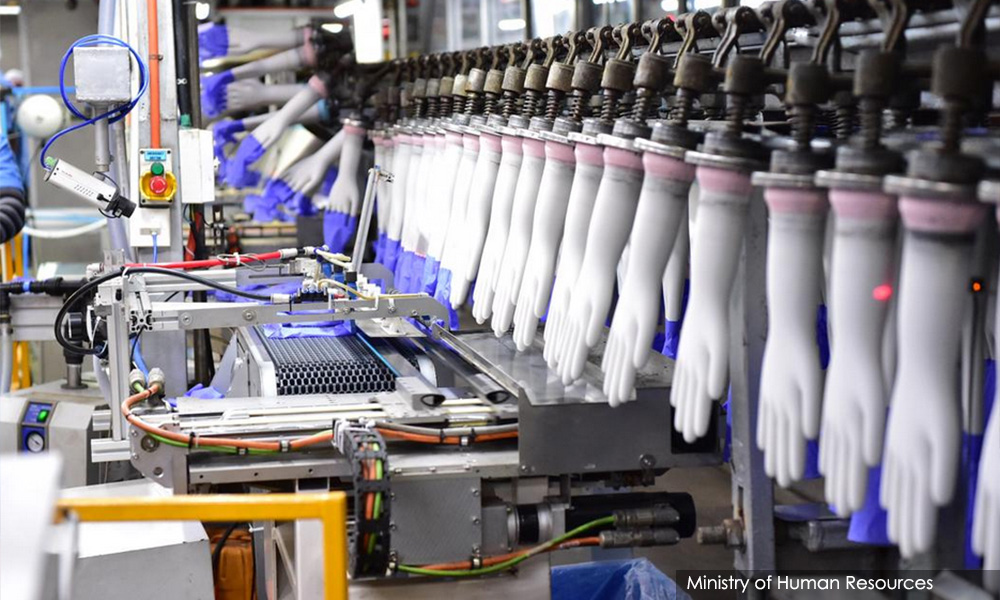
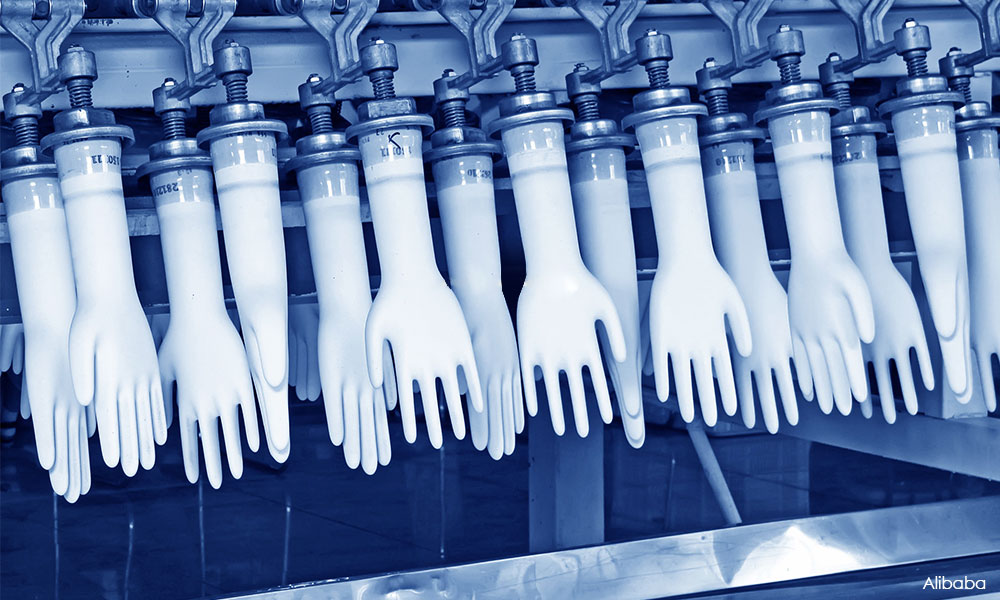
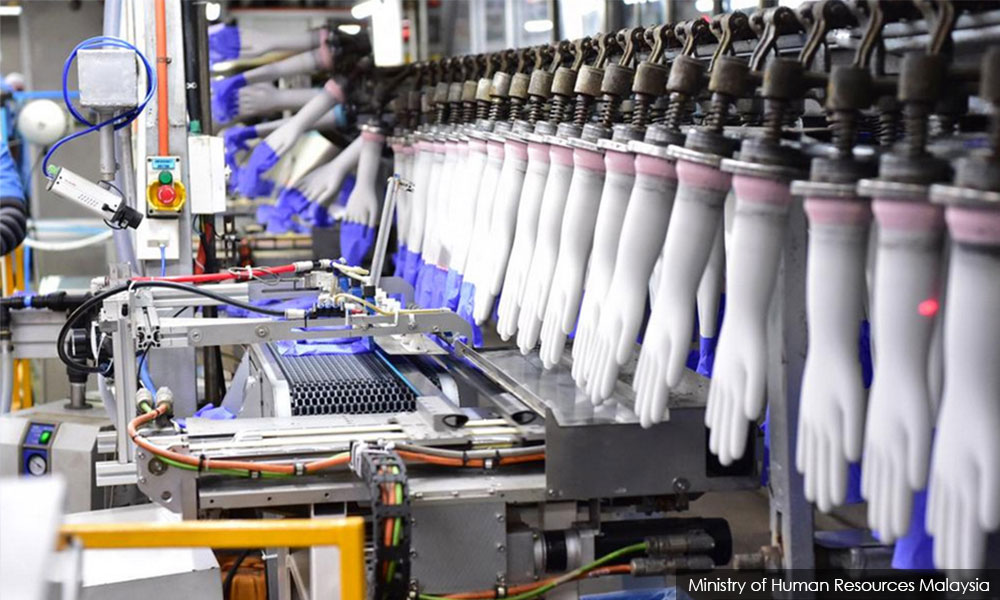
Malaysia produces more than 60 percent of the world's gloves. The recent CovidD-19 pandemic has created even more billionaires amongst its expanding glove company owners.
An estimated 30 thousand to 40 thousand workers from Bangladesh, India, Indonesian, Myanmar and Nepal make up the majority of the gloves industry’s workforce. These workers paid extortionate recruitment fees and related costs, up to US$5,000 (RM21,322) per worker, for their challenging and unrewarding jobs.
This money expended by impoverished foreign workers allegedly lined the pockets of corrupt officials in Malaysia and overseas, Malaysian and origin country recruitment agencies or intermediaries, and was also purportedly shared with the human resources department or management of glove companies.
Recruitment for work in Malaysian gloves companies has always depended on origin country recruitment agencies ability to pay the
COMMENT | In November 2019, amidst growing awareness of systemic forced labour in rubber glove factories across Malaysia, the president of the Malaysian Rubber Glove Manufacturers Association (Margma) made a statement that its members would no longer keep their workers' passports and would adopt a zero cost policy for future recruitment of foreign workers. However, Margma opposed the repayment of foreign workers' past recruitment fees.
Malaysia produces more than 60 percent of the world's gloves. The recent Covid--19 pandemic has created even more billionaires amongst expanding glove company owners.
An estimated 30,000 to 40,000 workers from Bangladesh, India, Indonesia, Myanmar and Nepal make up the majority of the rubber glove industry’s workforce. These workers paid extortionate recruitment fees and related costs, up to US$5,000 (RM21,322) per worker, for their challenging and unrewarding jobs.
This money expended by impoverished foreign workers allegedly lined the pockets of corrupt officials in Malaysia and overseas as well as origin country recruitment agencies or intermediaries and was also purportedly shared with corrupt elements in glove companies.
Recruitment for work in Malaysian glove companies has always depended on origin country recruitment agencies' ability to pay the right people in Malaysia’s recruitment underworld to secure demand.
Recruitment fees and related costs keep poor migrant workers in debt bondage and hence at high risk of forced labour. This is because workers are forced to take out high-interest loans and sell property or possessions to ensure they have the payments needed to be recruited in the first place.
Once secured, however unrewarding a job may be, a worker has no choice but to remain at this place of work because of debt bondage, this in addition often to their passport confiscation too.
Numerous industry sources claim Margma statements do not always reflect the agreed or “under discussion” position of its members. However, these sources also confirm the refusal to repay foreign worker recruitment fees is the position of leading Malaysian glove companies who profited most from the Covid-19 pandemic.

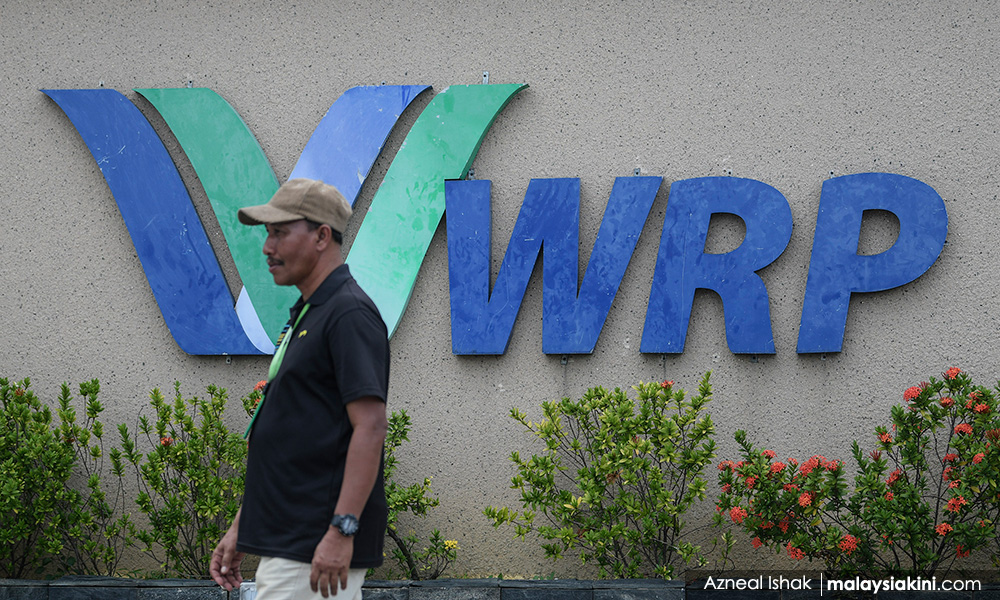
Yet, a breakthrough has come, as reported by FMT, that must be a stepping-stone to systemic change. WRP has become the first rubber glove company in Malaysia to put in place a 30-month supervised programme for repayment of past worker recruitment fees and related costs to thousands of its mostly Bangladeshi and Nepali workers who remain at high risk of forced labour.
WRP is the glove company that The Guardian in 2018 had exposed for decades of bad treatment of its foreign workers under its previous management. I also worked closely with the US Customs and Border Protection Department (CBP) in Washington during 2018-2019 to ensure WRP faced US trade and/or import restrictions in the form of a Withhold Release Order (WRO) which was finally imposed by CBP on WRP in September 2019 in an attempt to spur change.
WRP’s remediation programme, which a source told me will cost almost US$5 million (RM21.3 million) in total repayments to workers, was a condition of CBP’s lifting - after just six months in March 2020 - of the WRO imposed on WRP, amid a worsening Covid-19 pandemic which resulted in high demand for gloves.
Workers' payslips and company communications confirm WRP workers will each receive total payments from WRP ranging from RM4,547 (Nepali) to RM16,054 (Bangladeshi) spread quarterly over 30 months as repayment for past recruitment-related fees and costs expended. Workers received the first payment into their bank accounts days ago.
Whilst this is welcome news, the CBP’s approach to WRP is one of discriminatory and non-transparent decision-making. Why was only one Malaysian gloves company (notably without major foreign investors) targeted when forced labour was and remains endemic across the whole Malaysian rubber gloves industry? Whilst WRP was indeed probably the worst in the gloves industry back in 2018, it was not alone in its terrible mistreatment of foreign workers.
At one stage, CBP's approach to WRP left thousands of victims of forced labour in dire humanitarian need inside the company compound as orders dried up after the WRO, and a management tug-of-war took place to gain control of the company.
There was no remediation and support for workers at that time at all. Likewise, CPB didn’t focus at all on imposing liability or duties of remediation and support on WRP’s profitable massive US healthcare importers.
It seems clear WRP was targeted by CBP as a deterrent to spur repayment of recruitment fees and costs to indebted foreign workers in the Malaysian rubber gloves industry generally and because it wasn’t big enough to have a supply chain impact to ensure US gloves demands were satisfied.
Some glove companies in Malaysia have much larger shares of the US gloves import market than WRP, and their workers remain highly indebted and recruited at a high cost even until today.
WRP is repaying fees as a CBP condition to remove debt bondage and forced labour from its workers to be allowed to continue its export of gloves to the US. Other leading glove companies in Malaysia inform me that they are finalising their own recruitment fees remediation packages.
There is no evidence Margma, and indeed its other leading members, have now changed their mind about their stated refusal to repay such fees in the past.
Buyers and governments remain silent
Margma and its members, as Malaysia’s leading gloves companies, should now all agree to repay recruitment fees and related costs to their indebted foreign workers, who will remain at high risk of forced labour otherwise.
Any Malaysian (or Thai) glove company that continues to refuse remediation in the face of the WRP saga should now also face the threat of US trade enforcement action by CBP if they don’t likewise repay these fees to their workers too.

Repayment of recruitment-related fees to workers is now easier for these companies given the profit bonanza and lower operating costs during the Covid-19 pandemic.
Repayment of fees would also be fairer recognition of the crucial role these indebted workers played in contributing to their company’s recent successes, and as supply chain heroes during the pandemic, than the paltry incentives given to them in recent weeks by some of the companies.
The major buyers and governments involved in the global trade of rubber gloves remain seemingly silent on this serious forced labour issue apart from Sweden, whose public procurement authorities publicly called on Margma for worker recruitment fees to be paid back in recent weeks. More pressure is needed from these governments claiming to combat forced labour.
In addition, social compliance schemes monitoring rubber glove companies in Malaysia, like Sedex’s Smeta and Amfori’s BSCI, still do not require that their member companies repay these fees as a condition for being certified as forced labour-free. It is hoped these schemes will adapt too.
The high-risk situation of forced labour amongst foreign workers in Malaysia’s rubber gloves industry can only be addressed and reduced once and for all when past recruitment fees and related costs, that hold them in debt bondage, are fully repaid.
Likewise, to ensure no future debt bondage of these workers, ethical recruitment practices or zero cost recruitment policies should be put in place in practice, not only on paper, if the industry moves ahead to recruit more foreign workers in the future.
A conference call was allegedly held recently between Margma and CBP when the repayment of worker recruitment fees was again discussed. CBP, alongside governments, buyers and social compliance schemes, should now make sure Margma and its members hear the message that without repayment of these fees, an end to the systemic forced labour that continues to blight the Malaysian rubber gloves industry is impossible.
ANDY HALL is a migrant worker rights specialist working in South and Southeast Asia.
The views expressed here are those of the author/contributor and do not necessarily represent the views of Malaysiakini.


Report this comment
Are you sure you want to delete this comment?
This action cannot be undone.