



COMMENT | Malaysian diaspora rewriting the media narrative
COMMENT | I could be among the thousands of Australian residents stranded overseas if I had extended my Chinese New Year break in KL. But, stranded for an extended period with extended family in an apartment ‘home’ would not be that bad. Or perhaps it would, when my sense of ‘home’ tends to sway like a rustic pendulum with changing circumstance and context.
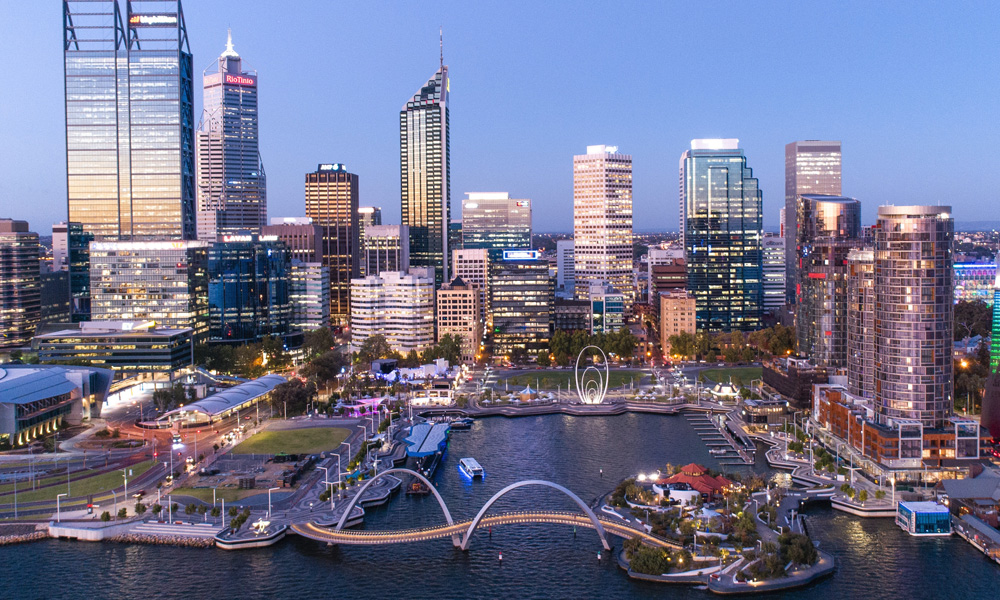
I was rooted in Malaysian soil - studied, worked, thought, and ate ‘Malaysian’. But like my father and grandparents who left Hainan for Penang in the early 1900s for greener pastures, I left KL for Perth in the late ‘80s with two oversized bags, an Olivetti typewriter, and a Tokai guitar for a better paying job in the newsroom.
As the only Asian reporter in a city weekly, I was the alien who eschewed trying to fit in. The guitar was my companion. But I staked my rightful place at the news desk by breaking stories on migrant entrepreneurship at a period when Chinese restaurants in Perth were firebombed.
Our Australian-born son and daughter, now ‘Malaysian-Chinese-Aussie’ adults, were spared the tensile experience of disconnection and alienation, adaptation and acculturation – the conscious choice that migrants make to absorb the ‘good’ practices and values of other cultures...
COMMENT | I could be among the thousands of Australian residents stranded overseas if I had extended my Chinese New Year break in KL. But, stranded for an extended period with extended family in an apartment ‘home’ would not be that bad. Or perhaps it would, when my sense of ‘home’ tends to sway like a rustic pendulum with changing circumstance and context.
I was rooted in Malaysian soil - studied, worked, thought, and ate ‘Malaysian’. But like my father and grandparents who left Hainan for Penang in the early 1900s for greener pastures, I left KL for Perth in the late 80s with two oversized bags, an Olivetti typewriter, and a Tokai guitar for a better paying job in the newsroom.
As the only Asian reporter in a city weekly, I was the alien who eschewed trying to fit in. The guitar was my companion. But I staked my rightful place at the news desk by breaking stories on migrant entrepreneurship at a period when Chinese restaurants in Perth were firebombed.
Our Australian-born son and daughter, now ‘Malaysian-Chinese-Aussie’ adults, were spared the tensile experience of disconnection and alienation, adaptation and acculturation – the conscious choice that migrants make to absorb the ‘good’ practices and values of other cultures.
Growing up and feeling ‘different’ from their Aussie friends was as much discretionary as it was unavoidable when it came to food preferences, familial obligations, and work ethics.
Have they ever mulled over their ‘Asian’ identity, social, and cultural locations? No.
But their conscience, and ours, are certainly piqued whenever right-wing media demagogues stoke the anti-Asian embers and wilfully frame non-white looking residents as a collective group of migrants, tolerated with all the cultural baggage they bring with them to white Australia.
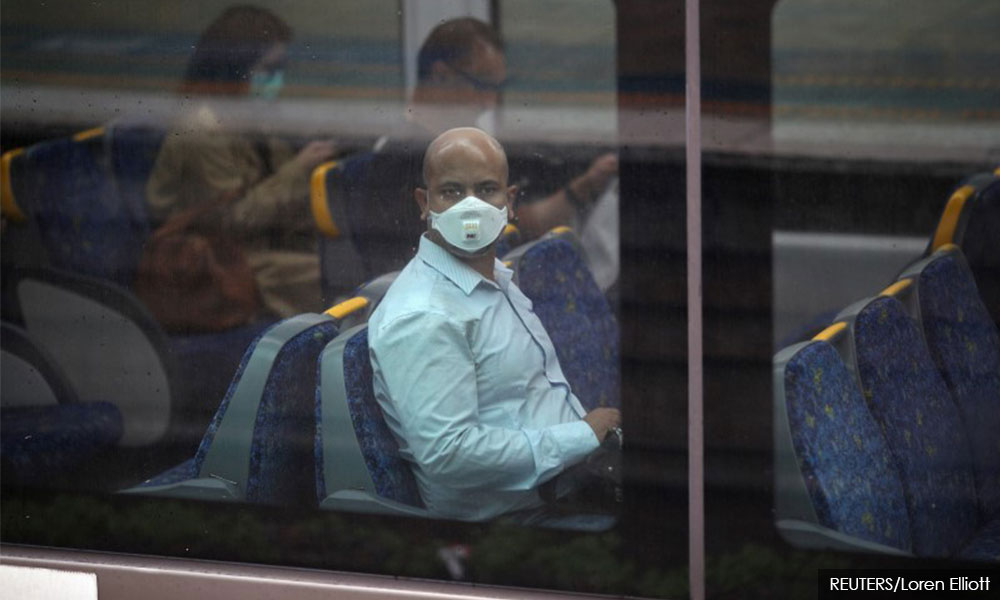
I felt most ‘Asian’ at the peak of the Covid-19 fuelled frustration curve. A recent poll reported almost one-third of Australians blamed the Chinese community for the Covid-19 pandemic.
(Likewise, unfavourable public attitude towards migrant workers in Asean countries is reinforced by negative media reports and social media posts, with cases of blatant discrimination compounded during Covid-19 lockdowns).
Australian media have often fallen short of fully knowing and grasping the cultural-hybrids that migrants and their children evolve into. “Migrant kids” with their psychosocial benefits to bag as third-culture individuals can be as fair-dinkum as their Aussie mates. Mainstream journalists unwittingly overlook this migrant evolutionary curve.
My doctoral thesis on Australian media portrayal of migrant communities found that the differentiation of “us” (dominant Anglo-Celtic population) and “them” (migrants) was as common as stories of Asian migrant success were rare.
Stereotyping migrants will unfortunately persist as long as journalists do not recognise and address their own, and their readers’, xenophobic tendencies. The New Scientist’s series on how migration has reshaped our world and perceptions explore why this is so.
The Malaysian diaspora
For some of the nearly 176,000 Malaysian migrants in Australia as of 2019, the other side had turned out to be less green than they had expected. Some have repacked and 'balik kampung' because of unmet professional expectations, personal difficulties in cross-cultural adjustment, or the unsettling sense of unbelonging.
However, a minority of Malaysian diaspora have found their fertile spots, taken root, and blossomed, their stories of triumph over adversity rewriting the media narrative – from within the culinary and education sectors to the creative industries and federal politics.
Gary Lee is among this diaspora. I met Gary at a forum on emotional well-being for migrants in Melbourne. As the head ambassador of ‘Resilience Against Racism’, Gary exemplifies the cultural hybrid who has made Australia home but recognises that “being Malaysian” is part of who he is.
"My values are prominently Malaysian - I love diversity, always respect elders, and I work hard with utmost integrity, values that I have grown up with which helped me build a successful life here in Australia," he said in an email interview.
He was named New Australian of the Year in 2016 by the Australia Day Council, a recipient of the Victorian Premier Leadership Award in 2019, and an advocate for international students.
“Like many students and migrants, we sometimes feel we won’t have a ‘voice’ (at least not equal) in influencing change in Malaysia. Although the issues of racial discrimination and unconscious bias are just as evident in Australia as they are in Malaysia. (But) I feel as a nation, Australia is more progressive in addressing the issues,” he said.
“Most Malaysians, no matter where they live or what citizenships they take up, will always have a strong affiliation to their home country… although I have been away from Malaysia for a long time now, the underlying issues of racial-discrimination are prominent in our political leadership and day-to-day life.”
Commenting on his advocacy work with Asian students, he said “there isn’t a right way (or one way)” to directly address discrimination or racism. But “being called out on the street, or verbally abused” (such as during the Covid-19 pandemic) is easier to manage than when “discrimination is disguised and subtle”, which happens fairly often in the workplace and politics.
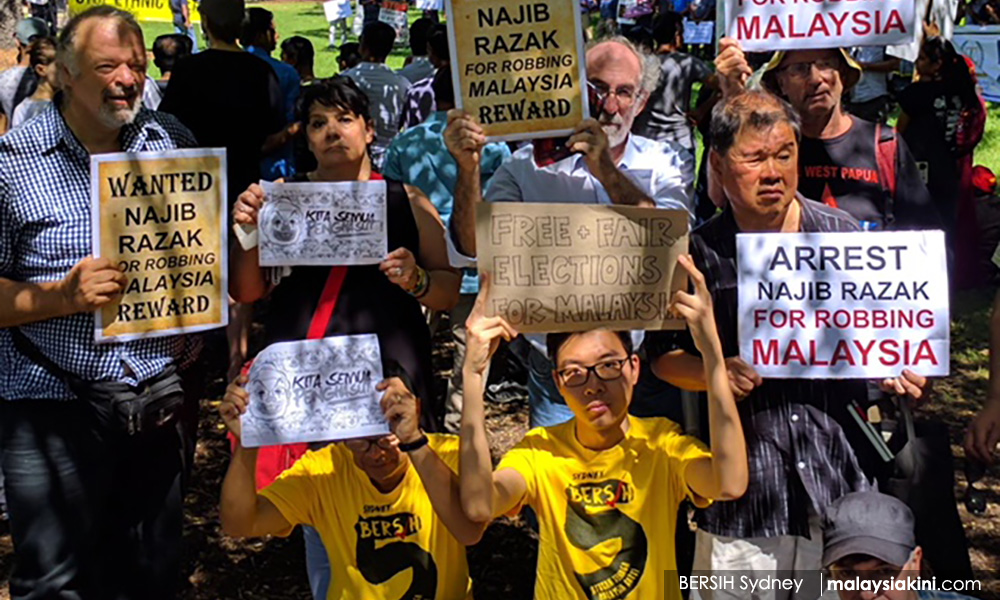
As an outsider looking in, Gary sees some positives happening in Malaysia. “Malaysians are now unafraid to have a voice… to speak boldly, and loudly about their views… they aren't afraid to gather across Australia to send (home) their message.”
While he affirms the “diversity… the peaceful coexistence of communities and the respect of differences of views (in Malaysia)” he thinks “it's still a long way before (racial) harmony can be seen in the country's leadership – but I am optimistic”.
ERIC LOO is the founding editor of the academic journal Asia Pacific Media Educator.
The views expressed here are those of the author/contributor and do not necessarily represent the views of Malaysiakini.


Report this comment
Are you sure you want to delete this comment?
This action cannot be undone.