



COMMENT | What the common people want
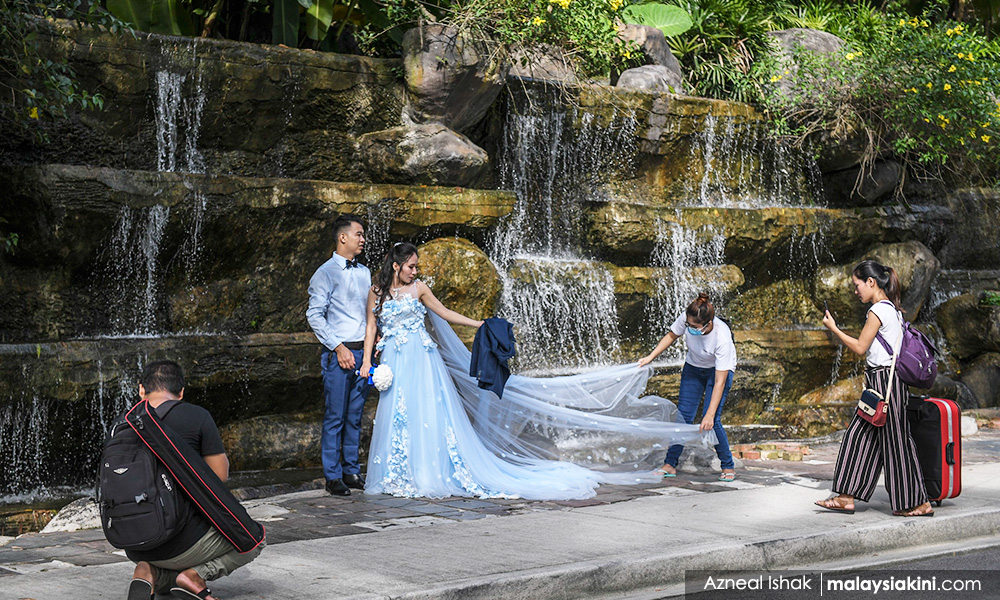
COMMENT | Only rich people have their photographs taken. In the past, you could only take photographs at a studio, and this is typically an expensive affair.
You had to wear your best clothes, put on make-up and do your hair; and you need to put on your picture-perfect smile and pose like you mean it. You only had one shot and that the picture shall be a powerful tool to show that you have lived.
Photographs used to be reserved for the Malay royalty and aristocrats - only they could afford this. Photographing equipment were out of reach to many. The Malay phrase “ambil gambar” (taking photographs) implies that photography was a craftsman’s trade and not a skill you could just easily pick up.
But as the years went by, photographs became cheaper to own. At every new town, there will be a few photo studios for the common people. More and more people could walk into the studio, day or night, formal or casual, group or solo, standard or trick; photographs could be taken for you.
This meant that memories could be memorialised to eternity. Photos taken of your family during graduation, birthdays, weddings and anniversaries could be recorded, shared and passed down from one generation to the next.
Young Malaysians could look up their family wall and see the faces of their ancestors, hung high in a slight tilt, in a symbol of respect for their contribution to the family and community.
I visited Ilham Gallery last weekend. The current exhibition was about photography and how it shapes our understanding of past societies...
COMMENT | Only rich people have their photographs taken. In the past, you could only take photographs at a studio, and this is typically an expensive affair.
You had to wear your best clothes, put on make-up and do your hair; and you need to put on your picture-perfect smile and pose like you mean it. You only had one shot and that the picture shall be a powerful tool to show that you have lived.
Photographs used to be reserved for the Malay royalty and aristocrats - only they could afford this. Photographing equipment were out of reach to many. The Malay phrase “ambil gambar” (taking photographs) implies that photography was a craftsman’s trade and not a skill you could just easily pick up.
But as the years went by, photographs became cheaper to own. At every new town, there will be a few photo studios for the common people. More and more people could walk into the studio, day or night, formal or casual, group or solo, standard or trick; photographs could be taken for you.
This meant that memories could be memorialised to eternity. Photos taken of your family during graduation, birthdays, weddings and anniversaries could be recorded, shared and passed down from one generation to the next.
A common person's understanding of success
Young Malaysians could look up their family wall and see the faces of their ancestors, hung high in a slight tilt, in a symbol of respect for their contribution to the family and community.
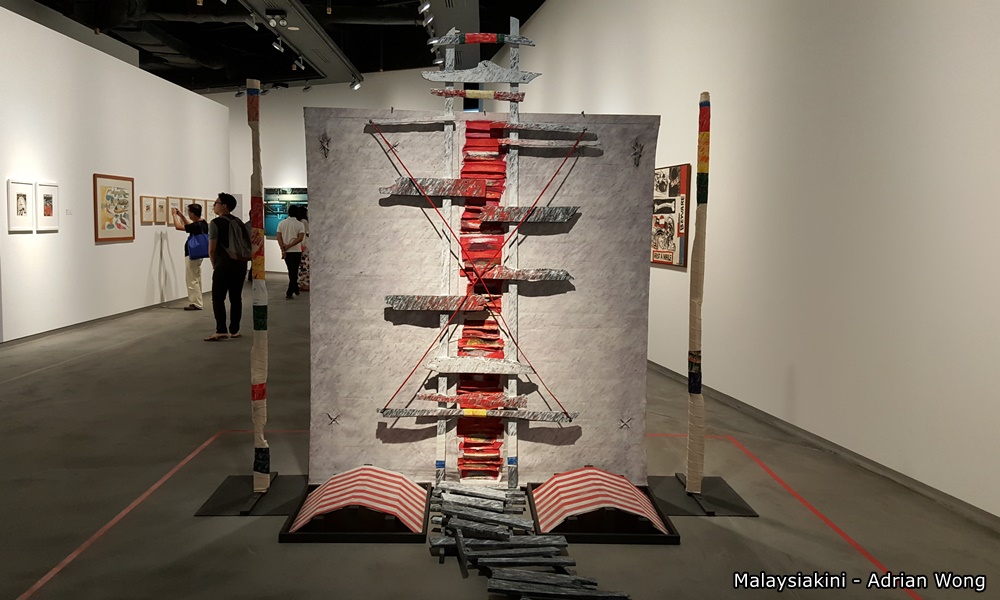
I visited Ilham Gallery last weekend. The current exhibition was about photography and how it shapes our understanding of past societies.
Besides showing how people looked and dressed in the past, it also showed us what matters most to people.
When we collect photographs that were framed or displayed on the shelf or living room walls or arranged in a photo book, we realised there was a pattern. Even when family sizes, traditions, fashion trends change through each generation, aspirations stay the same.
The common person’s understanding of what constitutes a good life, where one could find happiness and fulfilment, is always simple. A working adult wants a job that pays him fairly, a couple wants a marriage that lasts, parents want their children to get a good education and graduate on time, a family wants enough time and money to reunite during every festive season, a person wants nice and clean clothes and some money to spare.
A common person does not ask for exorbitant wealth or highflying status, he or she simply asks for a life that is adequate and simple. One that does not invite prolonged suffering; simply enough to be comfortable, fulfilled and generous.
It is surprising, therefore, that most of the time these concerns are fallen to deaf ears by the politicians at the top. To them, the people want contentious and seemingly irreconcilable and unsolvable things. They want racial and religious superiority, monopoly of truth and resources, and a lazy life of zero contribution and absolute relaxation.
It is not about race, religion, supremacy
It is actually about jobs - unemployment and underemployment; it is actually about the economy - the cost of living and quality of life, assistance to small businesses; it is actually about education - fair access to high-quality education.
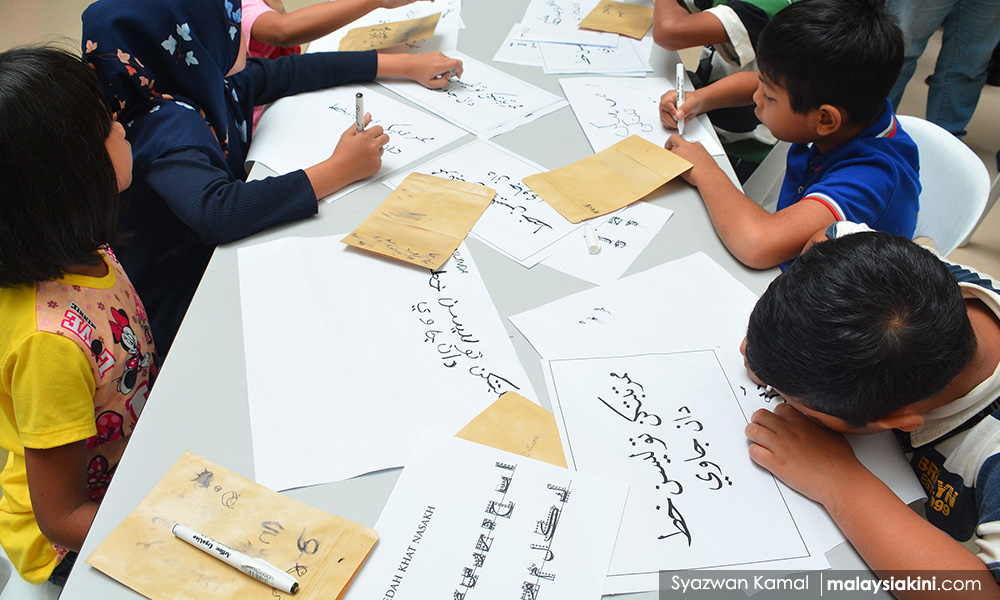
It is not about GLC appointments and award of high-value projects to high-profile cronies, it is not about a one-page khat introduction into a textbook, it is not about vernacular schools, it is not about race, religion or supremacy.
Politicians enjoy using these tools and narratives to shape their understanding of society. This justifies their existence. If the problem is easy to solve, why would we need politicians to do it for us? To feel important, politicians would also prefer the problem to be complex. When it comes to matters of race and religion, simply playing to the abstract concept without substantiating them is the ideal method of politicking.
Over time, this seemed to have worked. We hear about surveys that showed the fear between races. The people who look different from us may come to steal our jobs and money - somebody stops them before they get to our territory. Our thinking has been shaped by race and religion; we drive only on our lane, without ever needing to know about others who are different from us.
But this is not the entire truth.
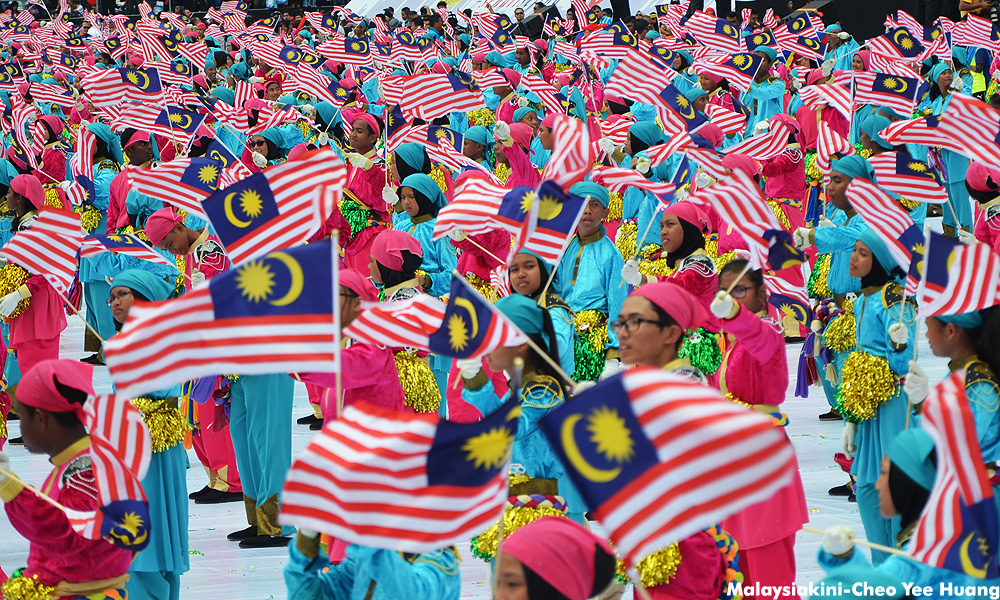
Once again, photographs give us a closer look. Although each race has its unique culture, language and hair-do, we all share a lot in common. What we want is simple and same. And because that commonality binds our kinship, we are not as different as we look.
Discovering this should give us strength. Because decades of divide and conquer have not changed us fundamentally. Some words may hurt and some things are taken for granted, but our journey of healing must start.
Photographs are the best proof that we have lived together; and even though our paths may not always cross, we are, at its core, the same people.
JAMES CHAI is a legal consultant and researcher working for Invoke, among others. He also blogs at jameschai.com.my. You may reach him at jameschai.mpuk@gmail.com.
The views expressed here are those of the author/contributor and do not necessarily represent the views of Malaysiakini.


Report this comment
Are you sure you want to delete this comment?
This action cannot be undone.