



COMMENT | Same prison, different hells - Why lockdowns hurt women more
COMMENT | Earlier this week, Dr David Nabarro from the World Health Organisation appealed to world leaders to avoid using lockdowns as the primary method in their battles against Covid-19. According to him, lockdowns have “one consequence that you must never ever belittle and that is making poor people an awful lot poorer”.
However, that’s not entirely true, isn’t it? Not the whole truth at least.
While the impacts of lockdowns are extremely punishing towards individuals from the lower-income group, a lockdown does more than just that. The unintended consequences of a lockdown are almost as indiscriminate as the virus itself, paralysing women, across all age groups and social classes, physically and mentally.
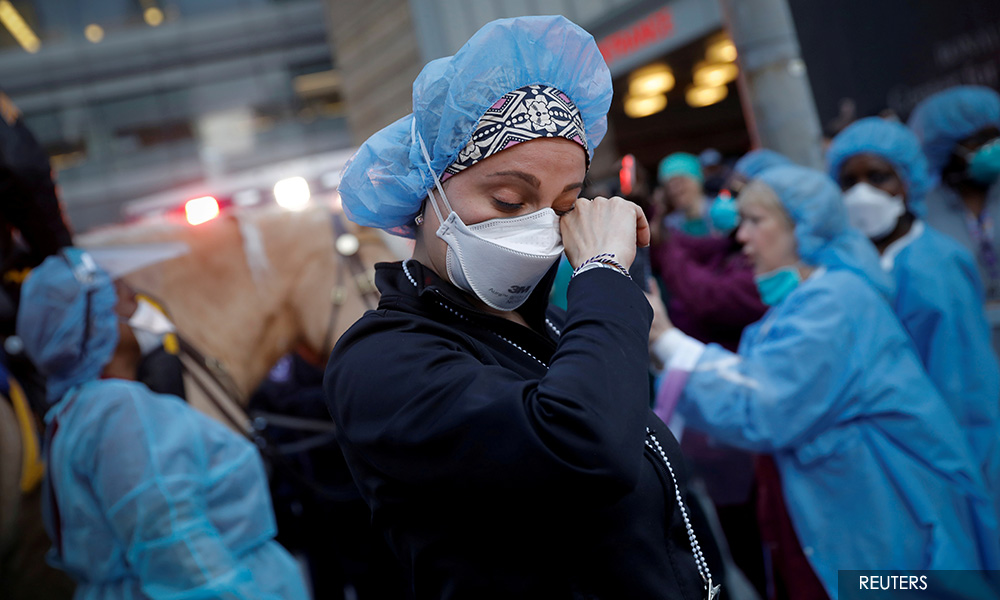
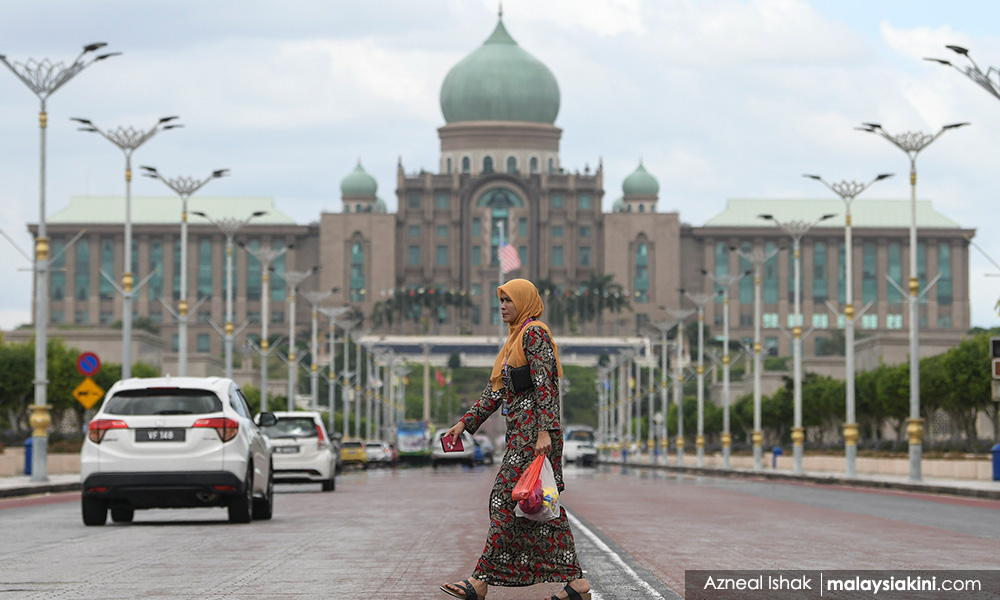
Women who served either as essential or informal workers, such as doctors, nurses, and street vendors are all at heightened risk of violence as they navigate deserted public spaces and transportation services under lockdown.
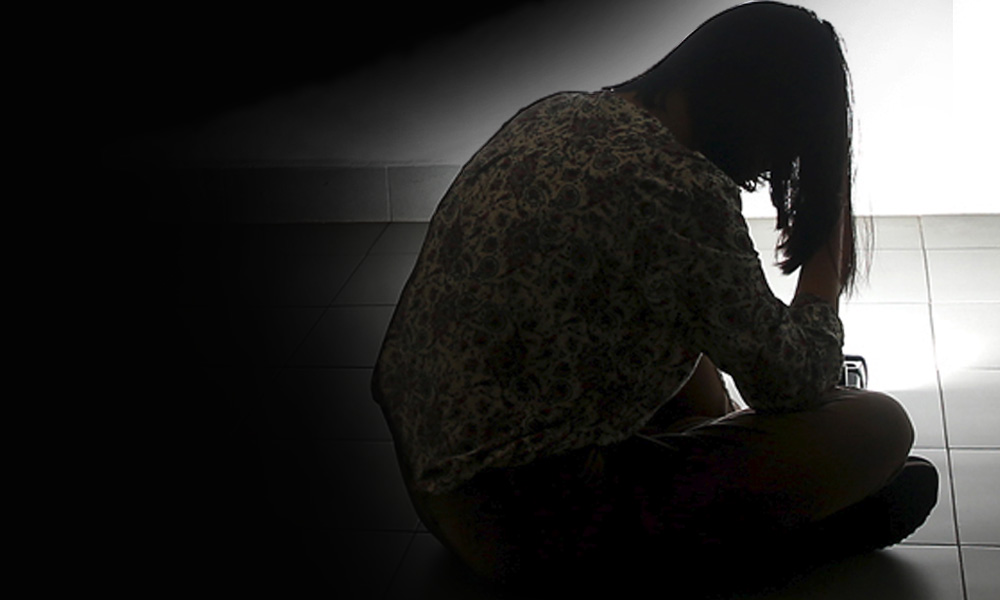
Women who are trapped at home, on the other hand, are now either at an increased risk of domestic violence or subjected to an increased level of unpaid domestic workload.
The inevitable economic impacts that trail behind lockdowns are also likely to expose girls and adolescent girls to...
COMMENT | Earlier this week, Dr David Nabarro from the World Health Organisation appealed to world leaders to avoid using lockdowns as the primary method in their battles against Covid-19. According to him, lockdowns have “one consequence that you must never ever belittle and that is making poor people an awful lot poorer”.
However, that’s not entirely true, isn’t it? Not the whole truth at least.
While the impacts of lockdowns are extremely punishing towards individuals from the lower-income group, a lockdown does more than just that. The unintended consequences of a lockdown are almost as indiscriminate as the virus itself, paralysing women, across all age groups and social classes, physically and mentally.
Women who served either as essential or informal workers, such as doctors, nurses, and street vendors are all at heightened risk of violence as they navigate deserted public spaces and transportation services under lockdown.
Women who are trapped at home, on the other hand, are now either at an increased risk of domestic violence or subjected to an increased level of unpaid domestic workload.
The inevitable economic impacts that trail behind lockdowns are also likely to expose girls and adolescent girls to sexual exploitation and child marriage.
With more people spending time online with movement restrictions in place, women and girls in chat rooms, gaming platforms, and even business video calls are more likely to be exposed to some form of harassment or violence. These are also consequences that we must never ever belittle.
Women at home
Since the beginning of the lockdown in Malaysia, Talian Kasih (the national crisis public hotline for social issues) reported a 57 percent increase in calls relating to domestic violence.
This worrying trend can also be observed across the world where there is a 33 percent increase in helpline calls for domestic violence in Singapore and 25 percent in Argentina, as reported by a United Nations Development Program brief on gender-based violence and Covid-19.
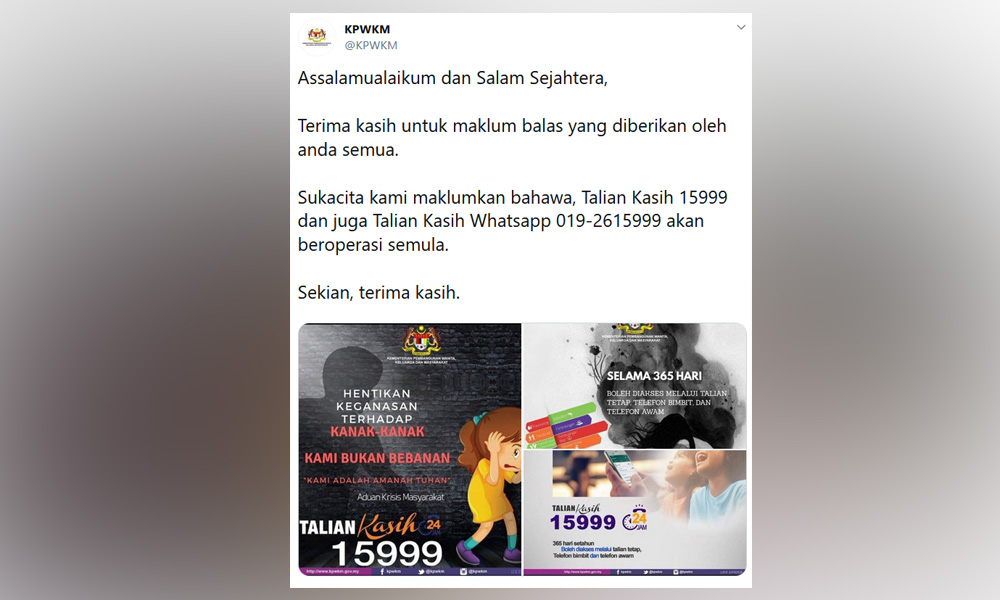
As lockdowns expand to contain the spread of the virus, women with violent partners are further trapped in their nightmare. The isolation from their family, friends, and other resources would make it harder for them to escape this ordeal.
The tendency to abuse would also increase in frequency and severity when abusers are exposed to multiple stressors like financial uncertainty, movement restrictions, and sudden changes in lifestyle.
With indirect harms like disrupted justice services and closure of shelters that are not recognised as essential services added to the equation, lockdown orders are no different than execution orders for these women.
Working women
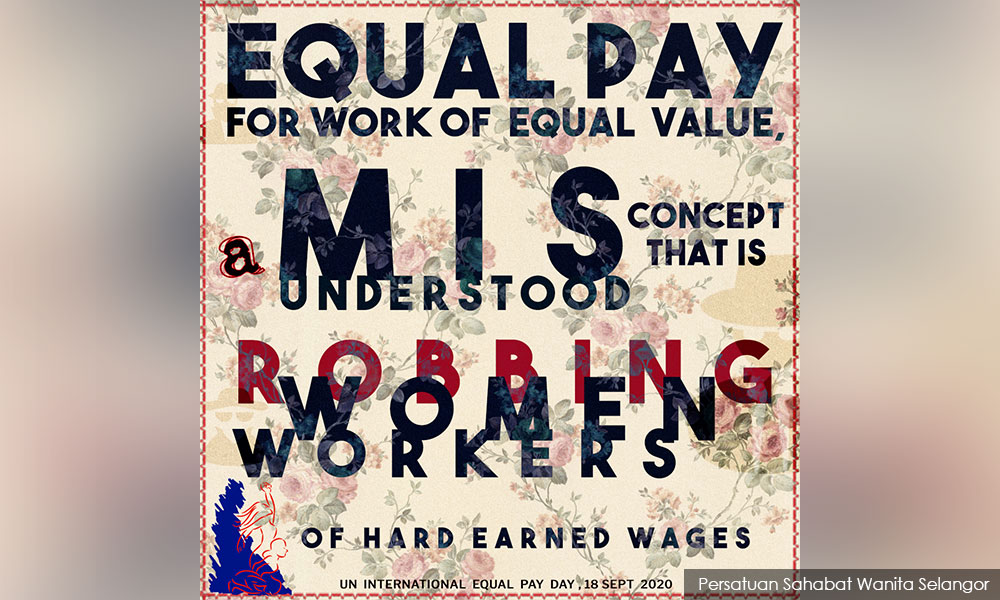
Across the globe, women are more likely to be employed in the informal sector, narrowing their access to social protections on top of already earning less and consequently, saving less.
If there’s a formula to make an individual especially vulnerable to economic shocks, this is perhaps what it would look like. This dreadful combination also led to mothers being more likely to either quit their jobs or lose them during the lockdown in comparison to fathers.
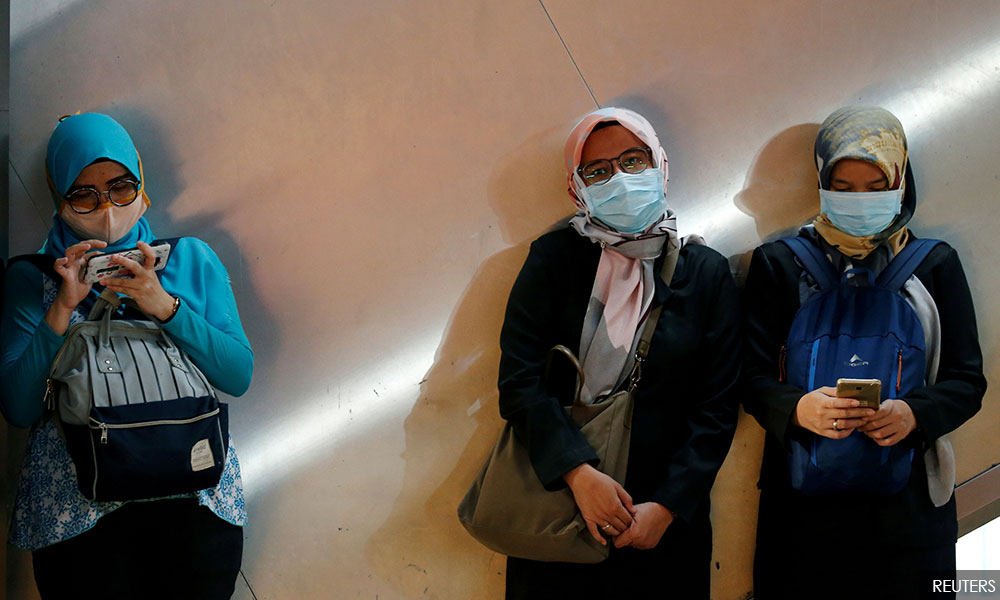
As for the working mums and single-mothers who managed to dodge the unemployment bullet, they are instead expected to shoulder the increased domestic workload from the closure of schools and care centres. Unfair division of labour at home is not a new problem for women but a lockdown would surely escalate the harms of it.
In their attempt to juggle between the twisted demands placed on mothers and the obligations owed as a paid employee, it is not just the job that they’ll get to keep but also the outsized negative effects on their mental health and physical well-being.
Girls and adolescent girls
Poverty has always been the main culprit behind child marriage arrangements. With economic disruption increasing multifold due to lockdowns, families are more likely to marry off their daughters under the assumption that their perceived burden of caring for them would be alleviated.
According to the United Nations Population Fund child marriages are also projected to increase, in part due to delays in the implementation of programmes to end these harmful practices.
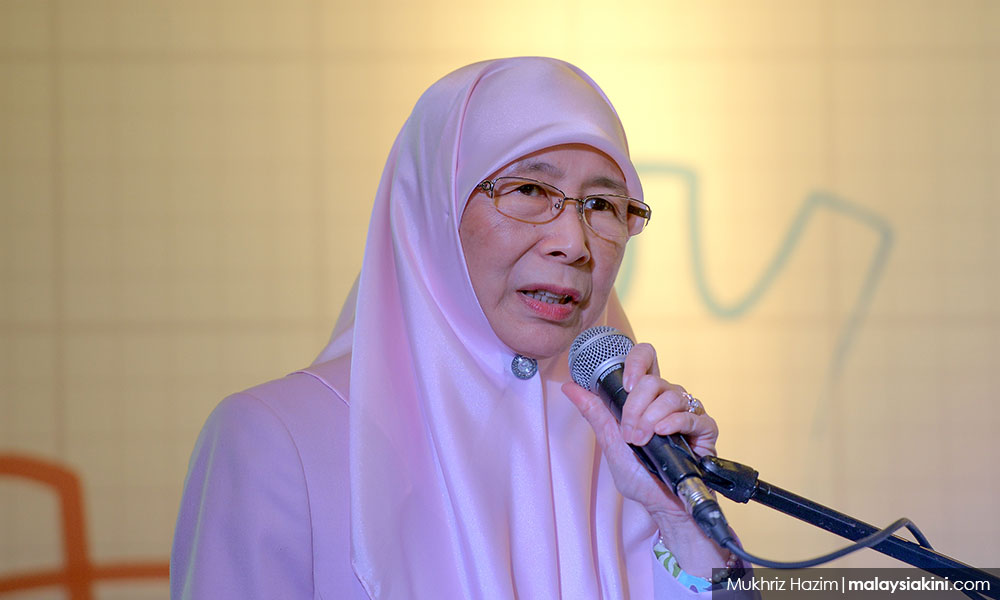
In Malaysia for example, earlier in January, a National Strategy Plan in Handling Causes of Child Marriage was launched by the then deputy prime minister Dr Wan Azizah Wan Ismail (photo).
However, conversations on the topic have been virtually non-existent since. It is without a doubt that this deafening silence would continue to be prolonged if lockdown orders are made without considerations and proper safeguarding mechanisms for vulnerable girls.
The closure of schools and child care centres would also limit access to education personnel who often play a key role in detecting and reporting cases of child sexual exploitation.
To make matters worse, the International Criminal Police Organisation (Interpol) reported that live-streaming of child sexual exploitation for payment has seen an increase in recent years, with demand likely to further increase due to movement restrictions.
This would naturally lead to the supply of live-streamed child sexual exploitation and abuse material more likely to rise as victims may be locked down with individuals facing increased economic hardship.
Without any reservation, governments around the world must stop using lockdowns as the primary tool against Covid-19 and rethink their strategy. At the very least, some form of mechanisms must be put in place to manage these unintended consequences.
The world that we will re-build after this pandemic has to be one that is welcoming for individuals of all ages, classes, and genders but that could only start by recognising the potential harms of our actions today.
This virus could take away our lives, our jobs, and our comfort, but we should never allow it to take our humanity.
CELLINI BASRI is an analyst at social research institute Bait al Amanah.
The views expressed here are those of the author/contributor and do not necessarily represent the views of Malaysiakini.


Report this comment
Are you sure you want to delete this comment?
This action cannot be undone.