



COMMENT | Transparency in enforcement should be encouraged
COMMENT | Last week, Universiti Malaya Association of New Youth (Umany) ex-president Wong Yan Ke was charged in court for allegedly disobeying a police order to stop a ‘live’ recording of a police raid at a house in Petaling Jaya.
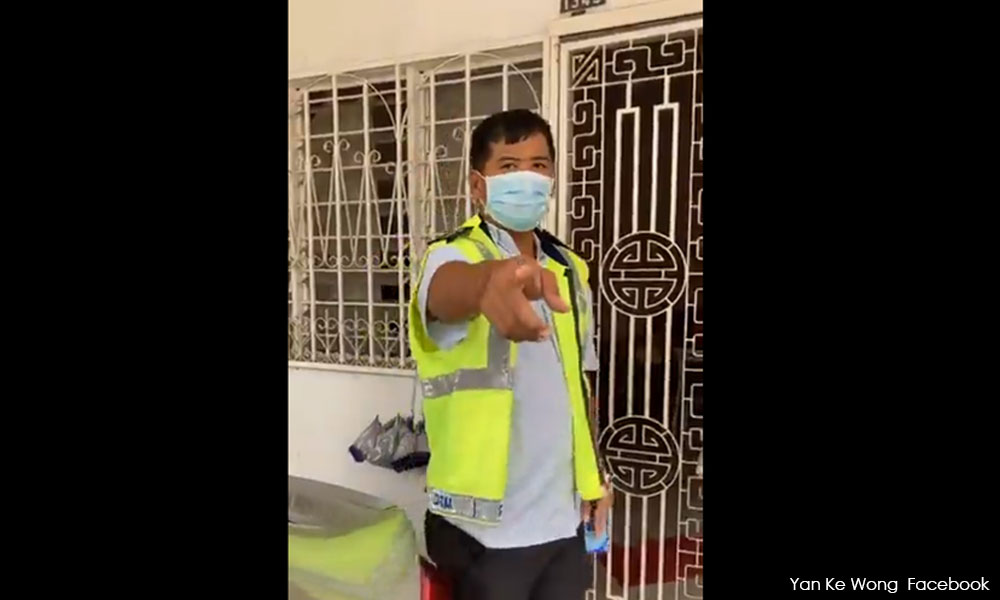
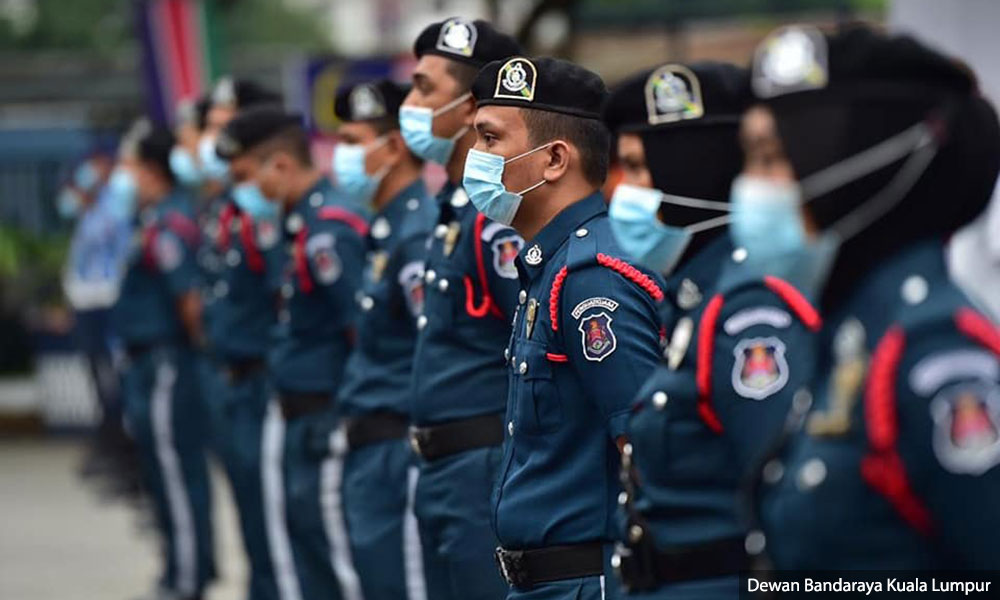
Wong was arrested while he was filming and broadcasting the raid (above) in connection with an investigation involving the Umanu over a controversial statement on the role of the Yang di-Pertuan Agong.
I do not wish to comment specifically on the alleged offence by Wong. He has pleaded not guilty to the charge, and due process of the law will take its place.
However, the circumstances which led to his charge have stirred public discourse on the rights of citizens to make a recording of public enforcement officers exercising their powers under the law.
These days, everyone has access to a smartphone. One can easily take out one’s phone and record a video. In many instances, these video recordings provide proof of what actually happened at the time.
There is no ...
COMMENT | Last week, Universiti Malaya Association of New Youth (Umany) ex-president Wong Yan Ke was charged in court for allegedly disobeying a police order to stop a ‘live’ recording of a police raid at a house in Petaling Jaya.
Wong was arrested while he was filming and broadcasting the raid (above) in connection with an investigation involving the Umanu over a controversial statement on the role of the Yang di-Pertuan Agong.
I do not wish to comment specifically on the alleged offence by Wong. He has pleaded not guilty to the charge, and due process of the law will take its place.
However, the circumstances which led to his charge have stirred public discourse on the rights of citizens to make a recording of public enforcement officers exercising their powers under the law.
These days, everyone has access to a smartphone. One can easily take out one’s phone and record a video. In many instances, these video recordings provide proof of what actually happened at the time.
There is no law which provides that it is unlawful to record public enforcement officers such as the police. If there is a law, then CCTV recordings would be illegal if they capture public enforcement officers.
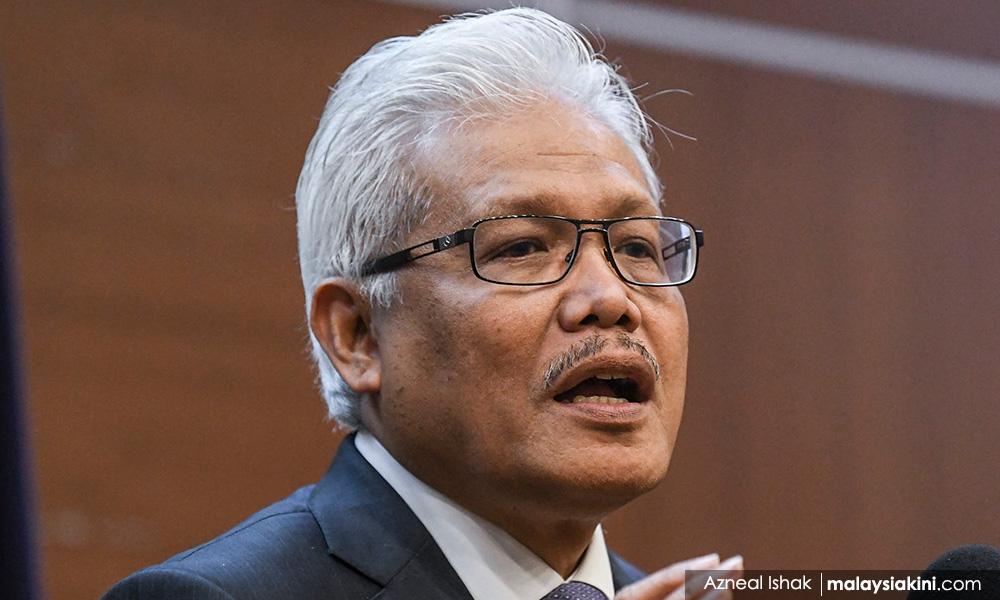
Even the director of Bukit Aman's Criminal Investigation Department, Huzir Mohamed conceded that recording videos or taking photographs of police investigations is not an offence.
Yes, there is Section 186 of the Penal Code, the offence of obstructing a public servant in the discharge of his public functions. However, this is only relevant if the recording somehow obstructs the public servant. Case laws are trite on the meaning of "obstruction", and if there is no "obstruction", there is no offence.

There is also Section 188 of the Penal Code, the offence that Wong has been charged for. It is the offence of "disobedience to an order duly promulgated by a public servant".
This law was never envisioned to be used to stop people from recording. It should not be used in instances whereby the public enforcement officer orders the citizen to stop a video recording.
There are also case laws on what is meant by "order duly promulgated by a public servant", and it would appear that it covers orders which are officially published, and not those issued verbally at the time of the recording.
As such, it would seem that there is no specific law to prohibit the recording of enforcement officers such as the police.
The world is moving towards ensuring that there is more transparency in how enforcement officers discharge their duties. In many countries, for example, police officers are equipped with body cameras when they are on duty.
Even the Inspector-General of Police, Abdul Hamid Bador, said last year that body cameras would ensure transparency and prevent abuse of powers.
Understandably, enforcement officers would be uncomfortable about being recorded, especially when in most instances it would be done without their consent. As human beings, this is a natural reaction.
However, they must realise that they now operate in an environment where the public is more aware of their rights. They must also realise that these days, it is easy to keep a record of what they say and do, especially in the exercise of their powers.
In the vast majority of cases, the officers on duty need not be concerned. Most of the time, there is no impropriety on the part of the officer. The recordings would reveal that the officer has acted professionally and did not overstep the boundaries of the law.
But in the off chance that there is impropriety, abuse or even illegality by enforcement officers or public authorities, the recordings can be decisive in determining the truth of what happened and to expose any wrongdoing.
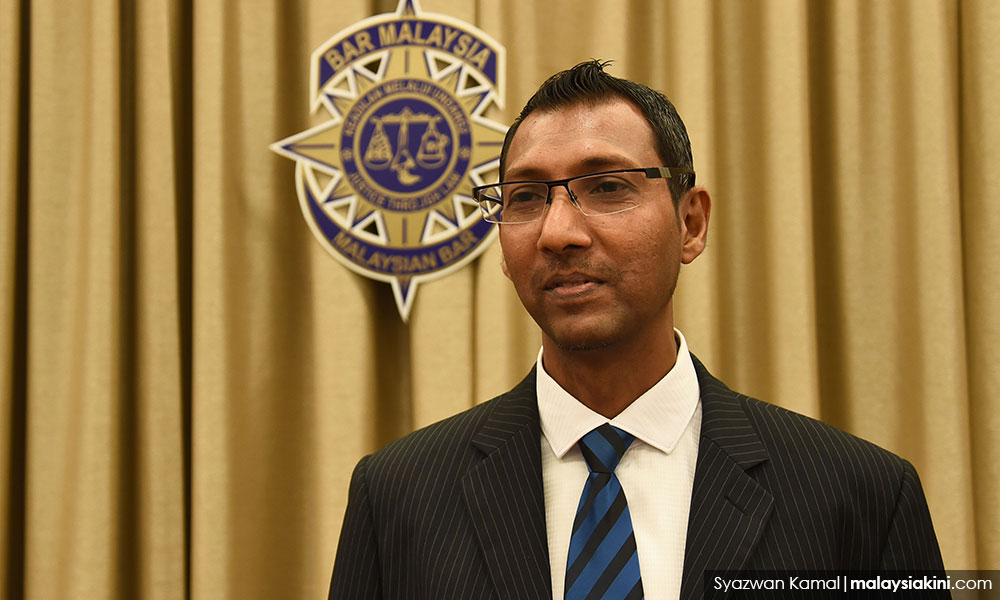
SYAHREDZAN JOHAN is a civil liberties lawyer and political secretary to Iskandar Puteri MP Lim Kit Siang.
The views expressed here are those of the author/contributor and do not necessarily represent the views of Malaysiakini.


Are you sure you want to delete this comment?
This action cannot be undone.