



COMMENT | River pollution and class action in rakyat's interest
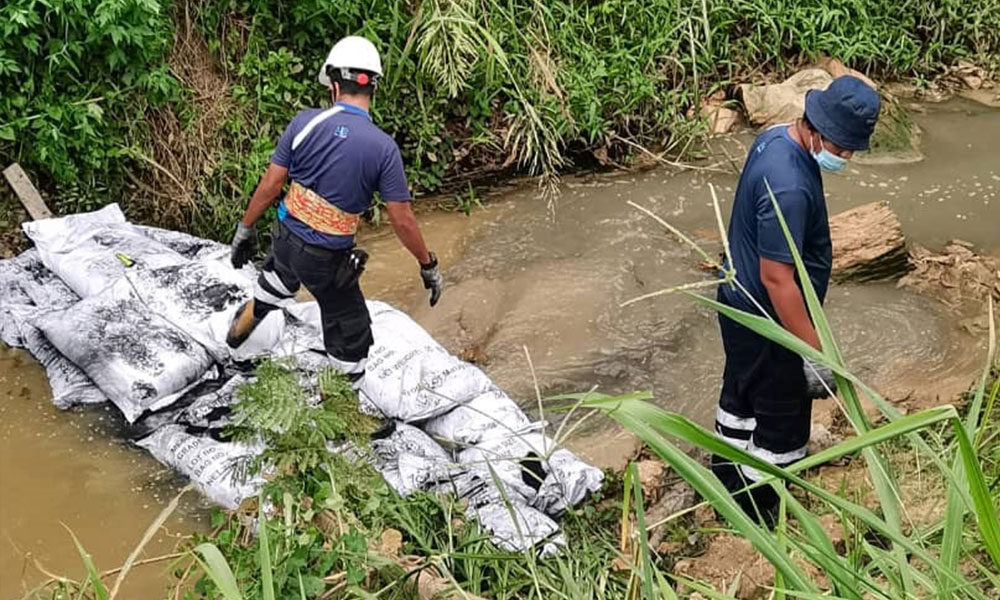
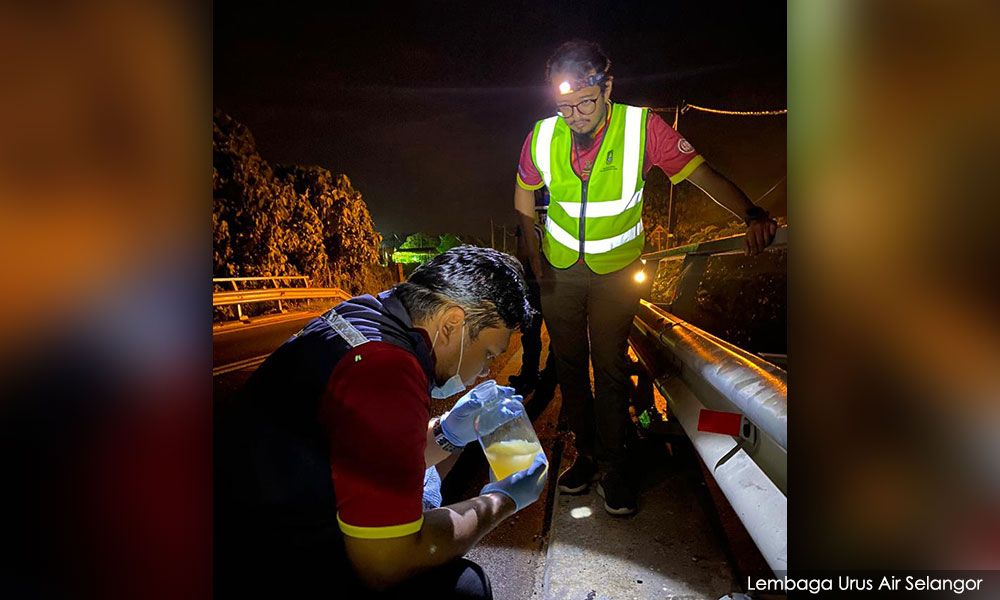
COMMENT | The latest in a string of unscheduled water disruptions in the Klang Valley was due to odour pollution caused by an illegal catfish pond! The people are at the mercy of inexcusable and repeated pollution of Sungai Selangor, which is our main water source.
The people suffer most when the water disruption drags on longer. The most notorious was the one that polluted Sungai Gong in Rawang and caused a major water supply disruption affecting 1.2 million households.
An estimated five million rakyat in Selangor and Kuala Lumpur suffered that water nightmare for many days. It was reported that four company directors and a factory manager were charged under section 430 of the Penal Code and section 25 of the Environmental Quality Act (EQA) 1974.
“Mischief by causing a diminution of the supply of water for agricultural purposes, or for food or drink for human beings, for cleanliness…” is an offence under section 430 of the Penal Code. If found guilty, the accused can be punished with imprisonment for a term of not less than five years and not more than thirty years or with a fine or with both.
The Penal Code (Amendment) Act 2014 actually makes it mandatory imprisonment of at least five years. The punishment under section 25 of the EQA, however, for pollution of inland waters, is disappointingly low...
COMMENT | The latest in a string of unscheduled water disruptions in the Klang Valley was due to odour pollution caused by an illegal catfish pond! The people are at the mercy of inexcusable and repeated pollution of Sungai Selangor, which is our main water source.
The people suffer most when the water disruption drags on longer. The most notorious was the one that polluted Sungai Gong in Rawang and caused a major water supply disruption affecting 1.2 million households.
An estimated five million rakyat in Selangor and Kuala Lumpur suffered that water nightmare for many days. It was reported that four company directors and a factory manager were charged under section 430 of the Penal Code and section 25 of the Environmental Quality Act (EQA) 1974.
“Mischief by causing a diminution of the supply of water for agricultural purposes, or for food or drink for human beings, for cleanliness…” is an offence under section 430 of the Penal Code. If found guilty, the accused can be punished with imprisonment for a term of not less than five years and not more than thirty years or with a fine or with both.
The Penal Code (Amendment) Act 2014 actually makes it mandatory imprisonment of at least five years. The punishment under section 25 of the EQA, however, for pollution of inland waters, is disappointingly low.
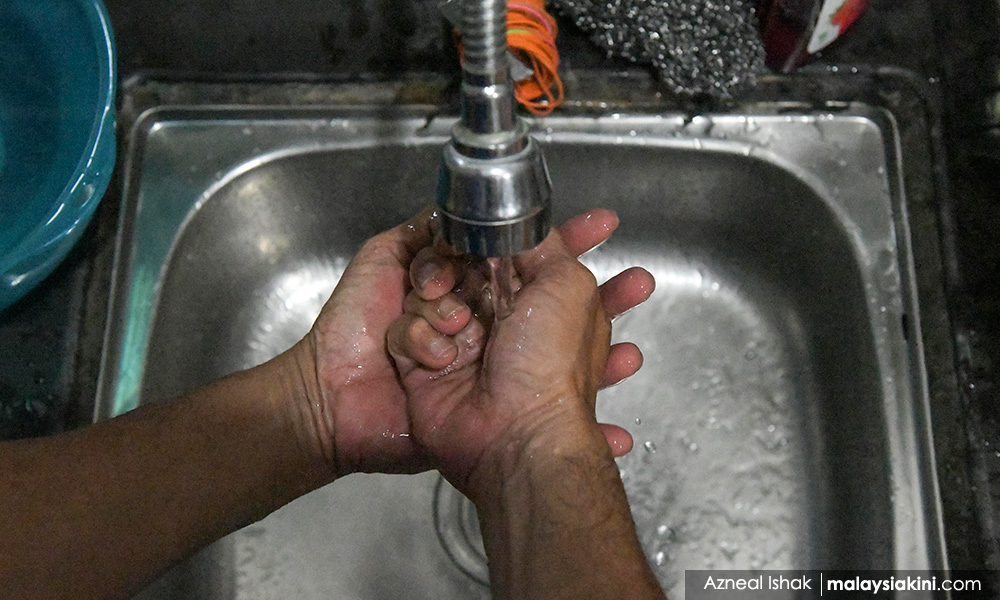
Anyway, this is merely the criminal proceedings part. Is it sufficient? Are we not considering the suffering of the victims, the rakyat: their mental stress, loss of amenities, loss of the basic human right to clean water, economic loss for industries and businesses, and so on and so forth, over and above the woes of the Covid-19 pandemic?
The question here is, does the rakyat have the right to bring a civil action and claim a substantial amount of damages under the Malaysian law against the polluters and possibly against the responsible government or public authorities?
One possible way is to initiate a 'class action' litigation, which can be found in many countries of the world and is believed to have been derived from the Roman law concept of actio popularis.
In Malaysia, ‘class action’ is commonly known as ‘representative action’. The procedural requirements for a representative action are laid down in Order 15, Rule 12(1) of the Rules of Court 2012 (ROC), which reads as follows:
Where numerous persons have the same interest in any proceedings… the proceedings may be begun, and… continued, by or against any one or more of them as representing all or as representing all except one or more of them.”
With regard to a representative action, what is required under Order 15 rule 12(1) is rather simple: “persons having the same interest.” However, as Malaysia is a common law country, there are requirements under the common law to be fulfilled by the plaintiff to succeed in a class action.
Following the ruling of Lord Macnaghten in Duke of Bedford v Ellis and Others [1901] AC 1, the Court of Appeal in Smith and Others v Cardiff Corporation [1953] 2 All ER 1373 held that “to bring a representative action it must be shown: first, that all the members of the class had a common interest; secondly, that they all had a common grievance; and thirdly, that the relief was in its nature beneficial to them all.”
This common-law rule of the three requirements for a class action has been accepted and affirmed by the Malaysian courts in Palmco Holding Bhd v Sakapp Commodities (M) Sdn Bhd & Ors [1988] 2 MLJ 624, Tang Kwor Ham & Ors v Pengurusan Danaharta Nasional Bhd & Ors.22 [2006] 5 MLJ 60, and QB Khidmat Teguh Sdn Bhd v Pembinaan Legenda Unggul Sdn Bhd & Anor [2017] 8 MLJ 376.
If one would like to institute a class action against the government or public authority, the procedural requirements would be completely different. The relevant procedure is Order 53 of the Rules of Court 2012 relating to actions or applications for ‘judicial review.’
Since this is a judicial review case, stringent requirements under Order 53 are to be fulfilled and also need to surmount the hurdle of locus standi.
What is clear, nevertheless, is that a class action or a representative action can indeed be taken under Malaysian law. The procedural law allows it. In respect of the substantive law, a class action litigation for river pollution and water woes appears to be a tort action founded on the law of negligence.
In Arab-Malaysian Finance Bhd v Steven Phoa Cheng Loon & Ors [2003] 1 MLJ 567, the Court of Appeal held that a person could be held liable for an act of negligence if his breach of a duty to take reasonable care caused harm to the other people who suffered injury.
Needless to say, those who own factories or businesses near Sungai Selangor have a duty to take reasonable care not to pollute the river. Water plants are to be closed due to the breach of duty by the polluters and the rakyat are the ones who suffer water woes: the injury which is not too remote.
Are we blaming the polluters only? How about the relevant government or public authorities? Who in the first place allowed or gave permission or licence to these factories and businesses to operate in proximity to a river which is the primary source of water for the rakyat?
Which government or public authorities are responsible to perform inspection and supervision of these factories and businesses? Was there any breach by them to take reasonable care to perform their duties properly and effectively? These are the questions we need to ponder on before commencing a class action against the government or public authorities.
Cost is the main factor for the reluctance of someone to take up a class action for the public interest. However, it may be that the litigant is assisted by non-governmental organisations or volunteer legal aid organisations.
The role of environmental NGOs is of vital importance. They have to strongly voice out, put pressure on the government and local authorities, and assist in class action litigation in the interest of the rakyat.
ABDUL GHAFUR HAMID is a professor at the Ahmad Ibrahim Kulliyyah of Laws in the International Islamic University Malaysia.
The views expressed here are those of the author/contributor and do not necessarily represent the views of Malaysiakini.





Report this comment
Are you sure you want to delete this comment?
This action cannot be undone.