
COMMENT | We will bounce back
COMMENT | Dark clouds follow my steps as I take my evening jog. I could sense that it would be harder and harder to go outside, play sports and roam freely again – jogging may be the one last thing we could do.
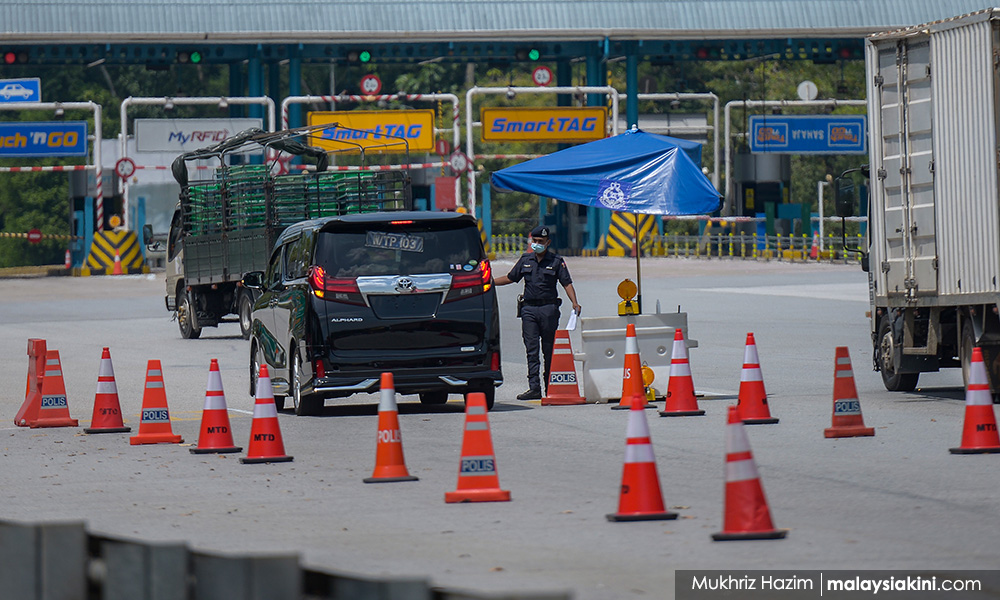
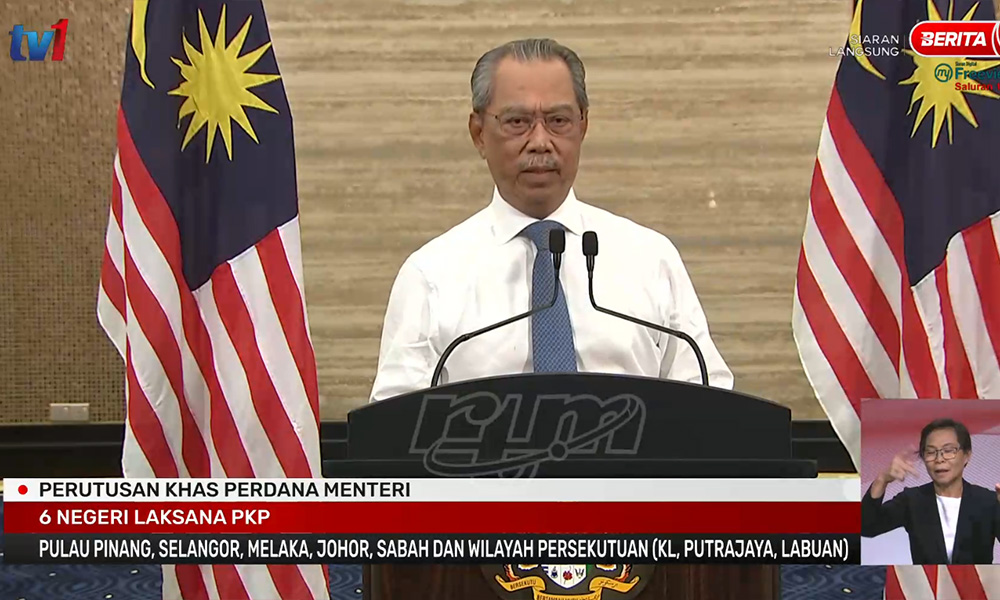
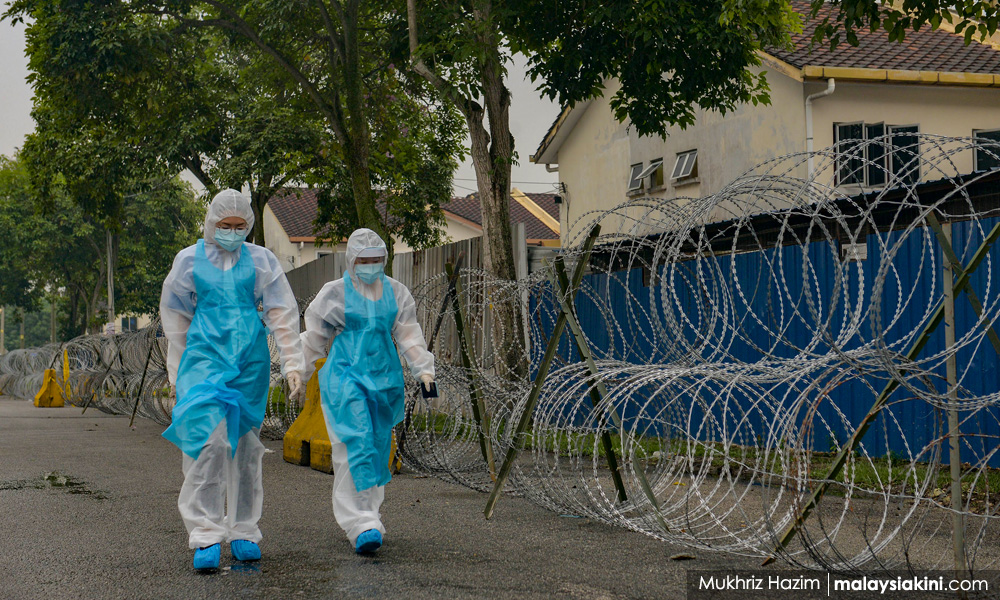
We were right. Prime minister Muhyiddin Yassin announced that most states would have to undergo some form of movement control order (MCO). The worst-hit states like Selangor, Penang, Malacca, Johor, Sabah and all the three federal territories would have at least a two-week MCO. Closing borders, schools - and another phase of our lives.
Our worry and anxiety give way to a more educated dread. While we understand that rules and regulations are the only way to stem out the rapid rise in Covid-19 cases, going back to exactly where we were in March last year is not inviting. We are going in loops, returning to a place unfamiliar and dreadful.
You are not alone. This loop is studied by famous philosophers like Friedrich Nietzsche and Albert Camus, to highlight the absurdity of the eternal recurrence of events through the same sequence and pattern.
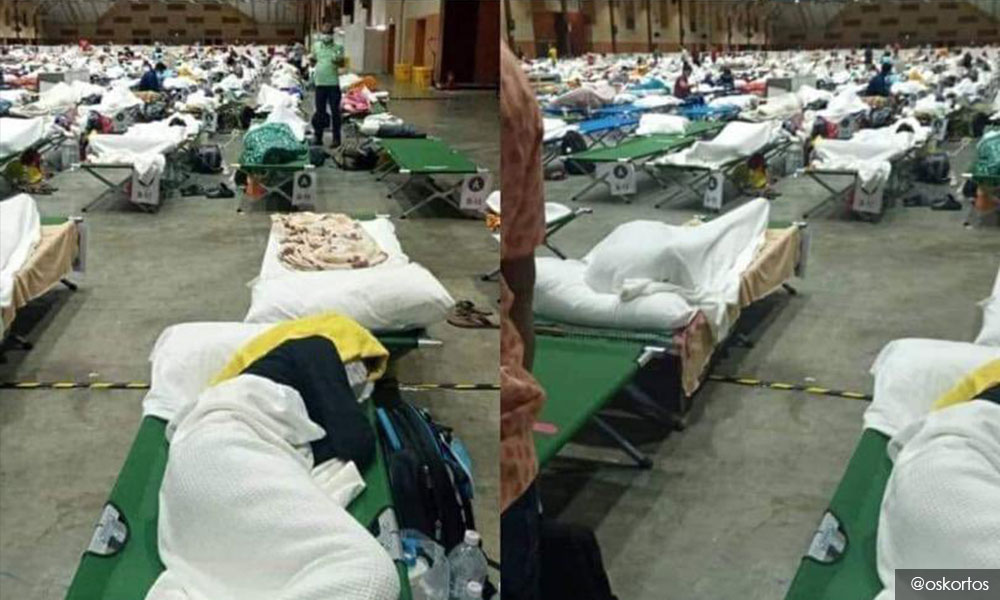
“Social distance” has taken a largely physical connotation, without accounting for the emotional separation that puts us in a worse state than before. In the last MCO, hundreds of lives were reportedly lost due to suicide. Stress levels rose, loneliness more apparent, and the sense of helplessness and confinement gave credence to our darkest thoughts.
The new standard operating procedures (SOPs) are likely familiar to us; only...
COMMENT | Dark clouds follow my steps as I take my evening jog. I could sense that it would be harder and harder to go outside, play sports and roam freely again – jogging may be the one last thing we could do.
We were right. Prime minister Muhyiddin Yassin announced that most states would have to undergo some form of movement control order (MCO). The worst-hit states like Selangor, Penang, Malacca, Johor, Sabah and all the three federal territories would have at least a two-week MCO. Closing borders, schools - and another phase of our lives.
Our worry and anxiety give way to a more educated dread. While we understand that rules and regulations are the only way to stem out the rapid rise in Covid-19 cases, going back to exactly where we were in March last year is not inviting. We are going in loops, returning to a place unfamiliar and dreadful.
You are not alone. This loop is studied by famous philosophers like Friedrich Nietzsche and Albert Camus, to highlight the absurdity of the eternal recurrence of events through the same sequence and pattern.
“Social distance” has taken a largely physical connotation, without accounting for the emotional separation that puts us in a worse state than before. In the last MCO, hundreds of lives were reportedly lost due to suicide. Stress levels rose, loneliness more apparent and the sense of helplessness and confinement gave credence to our darkest thoughts.
The new standard operating procedures (SOPs) are likely familiar to us; only small details differ. Although vaccines are available, it may take a couple of months before we get it – even longer before we achieve herd immunity to be considered safe. The looming possibility of safety is vague and out of reach and the cases now are almost 10 times worse than the first encounter – our feelings are not too different in this endless loop of dread.
Dreadful loop of politics
The government is also caught on its series of loops. It percolates between politics and the pandemic. Almost not a day goes by without a politician calling for a snap election amidst a horrifying pandemic, as though lessons from Sabah’s snap polls were not learned.
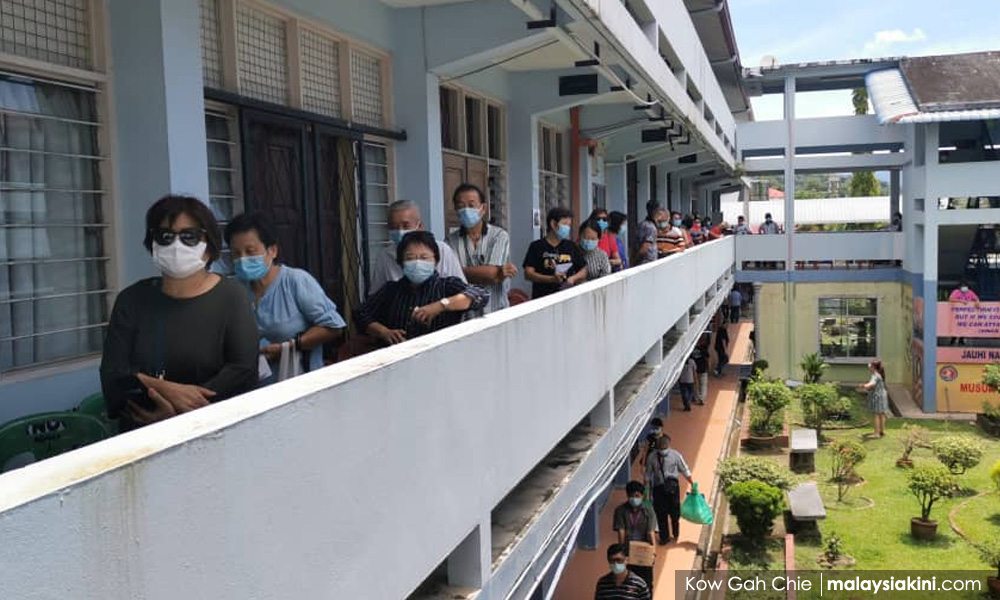
The smaller mistakes of liberalising the regulations despite the climbing case numbers, or the delay in taking action, have cost us valuable time, resources and lives.
Stuck with only this government, we still harbour hope that they would make the right decisions sooner so that the virus could be contained and we could resume more days in the normal than the abnormal.
But at the back of our minds, we know that any tighter regulations would only come if it is politically expedient for the government to do so.
We would never want to believe it, but the recent threat to the government’s stability was probably one of the main reasons the regulations needed to be tightened. If that is the case – and it has been proven time and again that this is the case – then we are put back into a loop of making political decisions about the pandemic.
Even matters of life and death could not subjugate the fun and games in the playground of politics.
Dreadful loop of economy
Perhaps the most concerning loop is the economy. I know many businesses are not ready for another round of lockdown. Besides regulations that necessitate the closure of their businesses, it is the pessimism of the market that is worsening their economic lives. The urge to spend is replaced by the caution of the times.
Many local businesses are ill-equipped to transfer their businesses online. There is no marketing, sales, platform, fulfilment or logistics expertise. Without physical walk-ins, interests and purchases, their businesses are as good as closing shop.
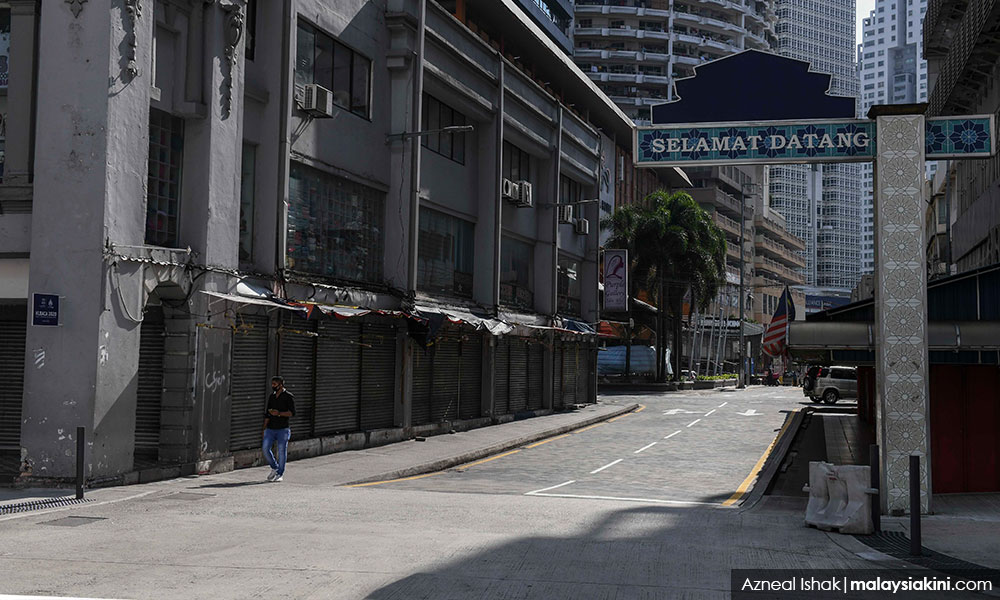
But that is not all. The worst element in a harsh economic downturn is the spiral it will undergo. Even for businesses that are ready to go digital, they may not get sales from even the most interested participants.
The cautious consumer is more dangerous than the reckless business. If consumers do not spend, the cash cycle in the market is blockaded. Everyone suffers.
The loop of our economy will stay stagnant as most people hold back. Already there are tens of thousands of companies that are folding, laying off or seeking bankruptcy.
As corny as it sounds, the only thing that could save us is one another. Like we did during the first MCO, what pulled us out of it was not politicians, but ourselves. We observed the MCO and the cases dropped to double and single digits. We looked safe in every way and even political expediency could not stand in our way of becoming free again.
Likewise, the resilient businesses in the market relied on average individuals, like you and I, to pick them back up. How we supported local and small enterprises that find it hard to even stay afloat. How we chose to spend slightly more on days we could afford. How we never stopped building business transactions on the thin belief that we will eventually bounce back.
That is what we require from one another. The second hit is going to hurt us more. But this is exactly when we need to hold on to each other a little tighter.
JAMES CHAI is a legal consultant and researcher working for Invoke, among others. He also blogs at jameschai.com.my. You may reach him at jameschai.mpuk@gmail.com.
The views expressed here are those of the author/contributor and do not necessarily represent the views of Malaysiakini.