



COMMENT | Gig workers need fair deal in our 'convenience' economy
COMMENT | In a simpler age, there was only one number to remember for food deliveries. Helpfully, there was a jingle that was repeated often on the few radio stations that operated back then. There were fewer digits in the telephone number itself which made it fit better in a melodic hook that was only a few seconds long (though I can’t recall hearing a Malay version of tujuh-lima-lima…).
You had the option of ordering various pizzas, garlic bread, or simple pasta dishes, which were a huge treat back then, what more the novelty of having it delivered directly to your front gate.
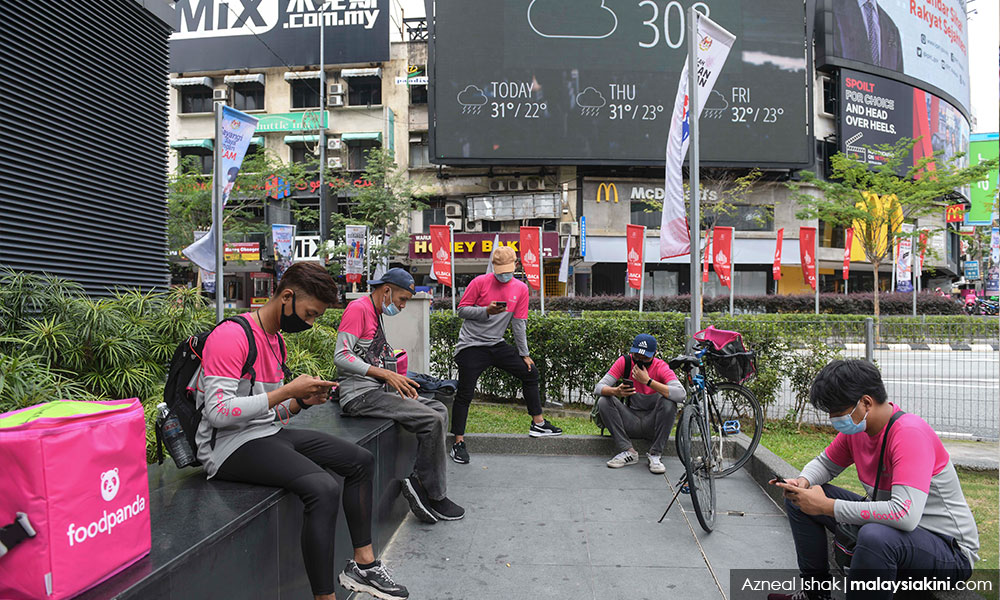
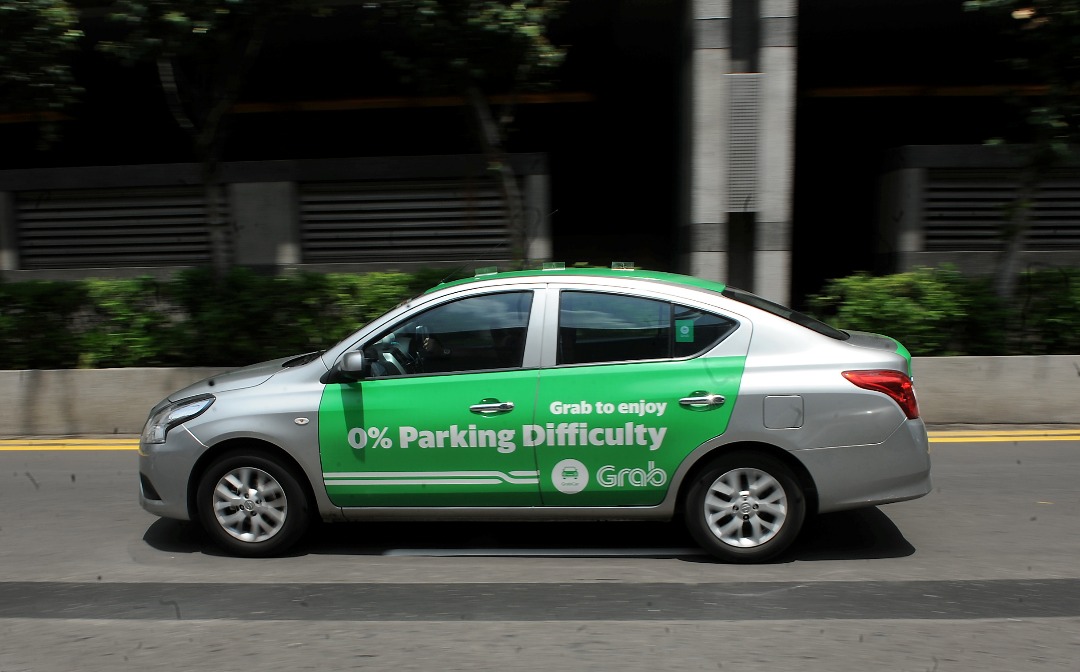
Of course, today food deliveries are common. Some are still operated by the restaurants, but usually, they are available through popular food delivery apps, which are the bedrock of the convenience economy.
Consumers are now able to get access to food, goods, and services whenever, wherever, and however they like, made possible by hundreds of thousands of people zigging and zagging their way across cities.
Like many things, the pandemic and multiple lockdowns have sped up the widespread adoption of delivery services by businesses and customers, but it was already a growing trend before that.
It made sense. Why spend time travelling, parking, and all that hassle waiting for food elsewhere, when you can just make a few taps and continue being in the comfort of your own home? There are also a huge number of promotions and deals giving you discounts on your orders, while earning you points for more deals in the future. It’s not a difficult choice to make, and this was pre-Covid-19.
Once the virus was in the picture, staying home was not only the...
COMMENT | In a simpler age, there was only one number to remember for food deliveries. Helpfully, there was a jingle that was repeated often on the few radio stations that operated back then. There were fewer digits in the telephone number itself which made it fit better in a melodic hook that was only a few seconds long (though I can’t recall hearing a Malay version of tujuh-lima-lima…).
You had the option of ordering various pizzas, garlic bread, or simple pasta dishes, which were a huge treat back then, what more the novelty of having it delivered directly to your front gate.
Of course, today food deliveries are common. Some are still operated by restaurants, but usually, they are available through popular food delivery apps, which are the bedrock of the convenience economy.
Consumers are now able to get access to food, goods, and services whenever, wherever, and however they like - made possible by hundreds of thousands of people zigging and zagging their way across cities.
Like many things, the pandemic and multiple lockdowns have sped up the widespread adoption of delivery services by businesses and customers, but it was already a growing trend before that.
It makes sense. Why spend time travelling, parking, and all that hassle waiting for food elsewhere, when you can just make a few taps in the comfort of your own home and stay there? There are also a huge number of promotions and deals giving you discounts on your orders, while earning you points for more deals in the future. It’s not a difficult choice to make, and this was pre-Covid-19.
Once the virus was in the picture, staying home was not only the more convenient option, but we were formally instructed to do so. High-ranking officials told us to stay home and order food through delivery apps because that would help us flatten the curve.
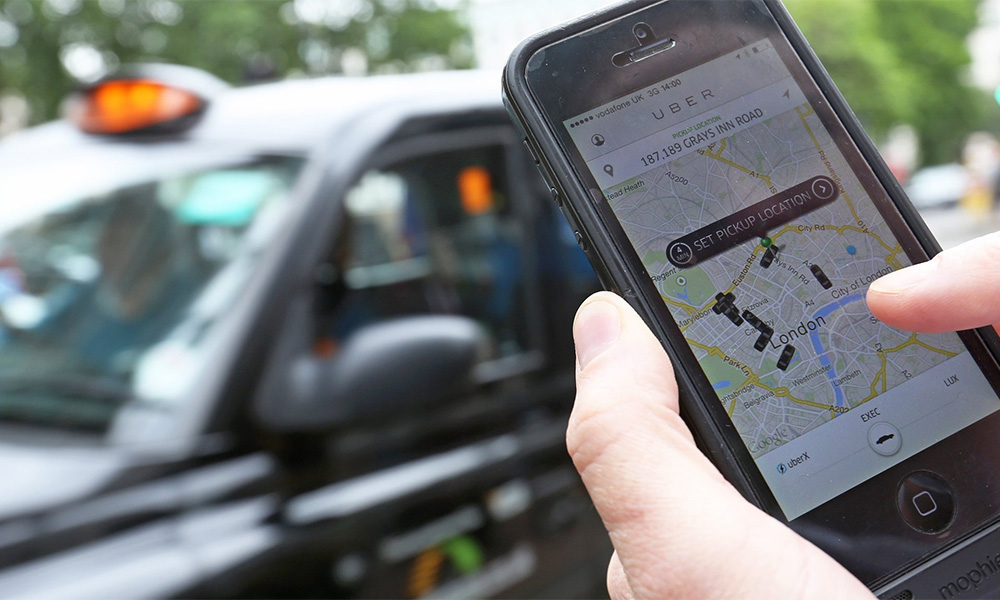
Recently, the UK Supreme Court decided that Uber drivers were to be classified as employees, instead of "independent contractors". In dismissing Uber’s appeal, the court made its decision based on five factors:
- Uber sets fares and drivers are not permitted to charge more than that;
- Drivers have to adhere to the terms that Uber imposes on them when performing their services;
- Constrains are placed on how much freedom drivers have in accepting or refusing trip requests without suffering penalties;
- Drivers are expected to perform their services to an acceptable standard (monitored via the ratings system) or get terminated;
- Communication between driver and passenger is restricted to a necessary minimum, and steps are taken to prevent relationships to be established beyond the individual trip.
As such, the court explained that drivers were in a subordinate and dependent position in relation to Uber, and can only attempt to increase their earnings by working longer hours according to the imposed measures of performance.
As employees, they must be given employee protection according to UK employment legislation such as minimum wage, leave days, rest breaks and sick days. This will impact other gig-economy services and companies in the UK that operate in a similar fashion.
This court decision was a result of many years of organising among gig-economy workers, and is only the latest among similar decisions on the matter.
The US state of California had previously also adopted Assembly Bill 5 in 2019, a piece of legislation that argued along the same lines to allow gig workers to be classified as employees and receive employee protections. However, this has since been overridden by Proposition 22, which received 58 percent of support in favour from the state’s voters.
As a result, gig workers can be considered independent contractors again, albeit with some concessions in the form of subsidised health insurance and guaranteed hourly earnings.
In their campaign, the giant app platforms argued that treating gig workers as employees will upend their business model, and lead to increased costs which will be passed on to consumers. As independent contractors, they have the ability to "be their own boss" and work according to their own preferences.
This is undoubtedly technically true, but many gig workers today do it as a full-time vocation, sometimes seven days a week. A survey by The Centre in 2019 showed that 54 percent of gig workers surveyed do it as their main or only source of income, and most reported that they worked more than eight hours a day, five days a week.
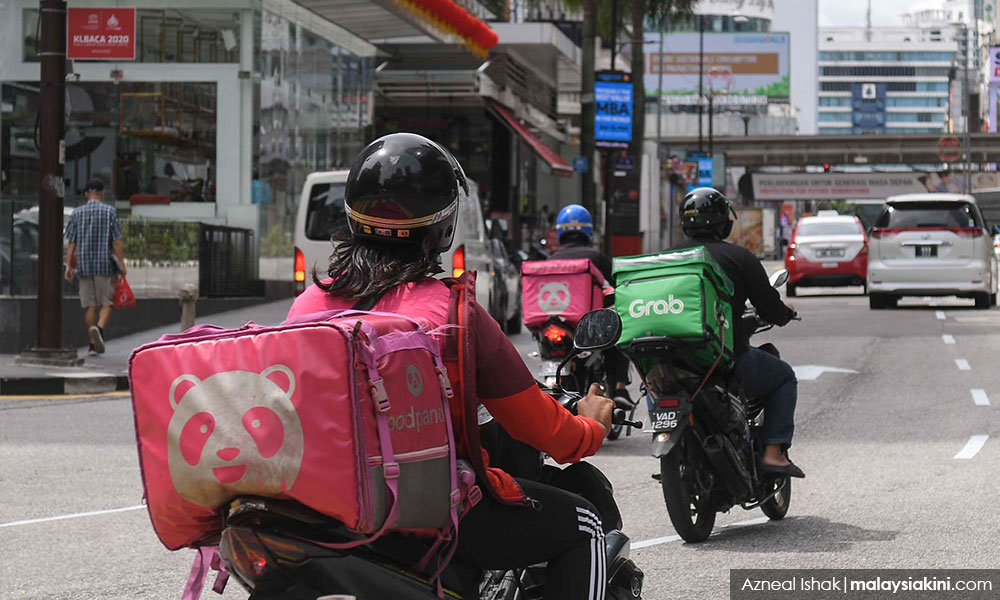
As the British judgment pointed out, they are subject to guidelines and requirements that "incentivise" a certain amount of performance, and can be penalised for infractions and falling short of expectations. They can be deactivated and barred from the platform unilaterally, with little legal recourse available.
As businesses suffered from the successive control orders and cut back on staff and wages, these delivery services give a much-needed lifeline to people who suddenly found that they needed to find a new way to make ends meet. Travel restrictions also meant that people who were already on these services as drivers joined in to chase after delivery trips and tips.
In urban areas with a high concentration of people working from home, there is no lack of drivers on cars or motorbikes to fulfil any type of delivery requests, be they food, groceries, or the odd parcel.
Perhaps the sluggish job market has muted somewhat discussions about the risks and rewards of on-demand delivery services. There are fewer new jobs created, while for any single vacancy, hundreds will apply almost instantly.
On-demand delivery may be a thankless, tiring, and treacherous job that requires you to spend long hours navigating dangerous traffic, but it is a job nonetheless. However, it also means that being sick, vehicle breakdowns, or any kind of incident that takes you away from racing down the street will give you zero income.
These concerns have been raised before and as recently as last year’s budget, we heard commitments to work towards improving the working conditions and protections for workers in Malaysia’s gig economy.
However, beyond the introduction of voluntary social security schemes and upskilling opportunities, few specifics have been offered on improving the legal protection of these workers. Meanwhile, the number of people working as gig workers is estimated at 400,000 and is expected to grow even more.
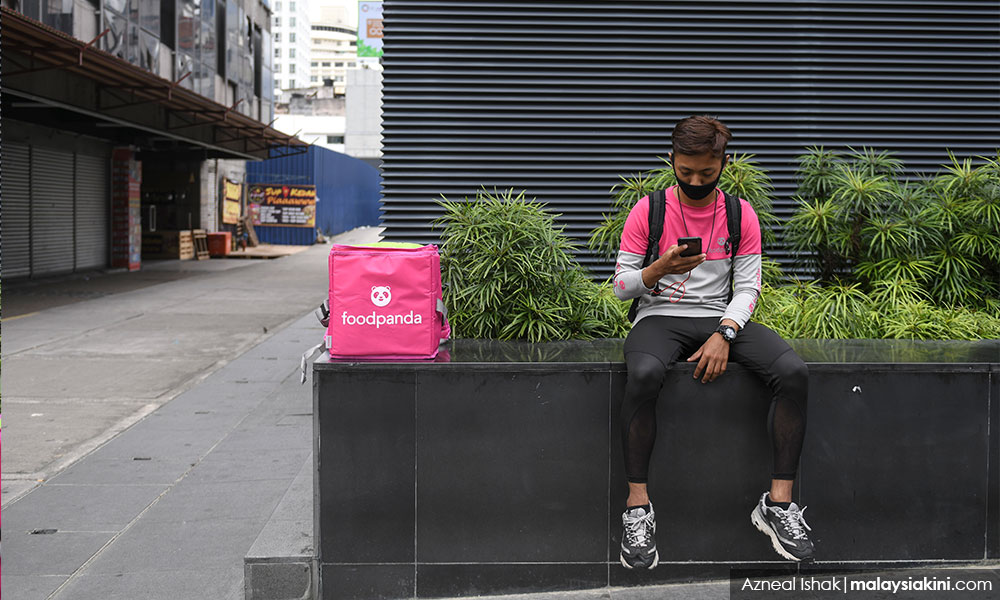
There is a human face and cost to the convenience economy which must be adequately recognised. Drivers and riders have been classified as essential workers from the earliest days of our control orders, and they deserve better treatment, compensation and protection, especially at a time when economic growth is stalled and job opportunities with decent pay and protection are scarce.
This convenience cannot be a channel for income inequalities to become entrenched, as one group of people continue to cannot afford to live without the on-demand lifestyle, while the other cannot afford to not provide their services.
There needs to be an honest conversation on whether it is fair for drivers and riders to chase multiple trips a day, to earn a couple of ringgit per trip, just to be able to break even, while delivering meals sometimes worth hundreds of ringgit.
LUTFI HAKIM ARIFF is a member of Gen Meme, a digital collective for the empowerment of people trying to make ends meet every day through community and advocacy.
The views expressed here are those of the author/contributor and do not necessarily represent the views of Malaysiakini.




Report this comment
Are you sure you want to delete this comment?
This action cannot be undone.