


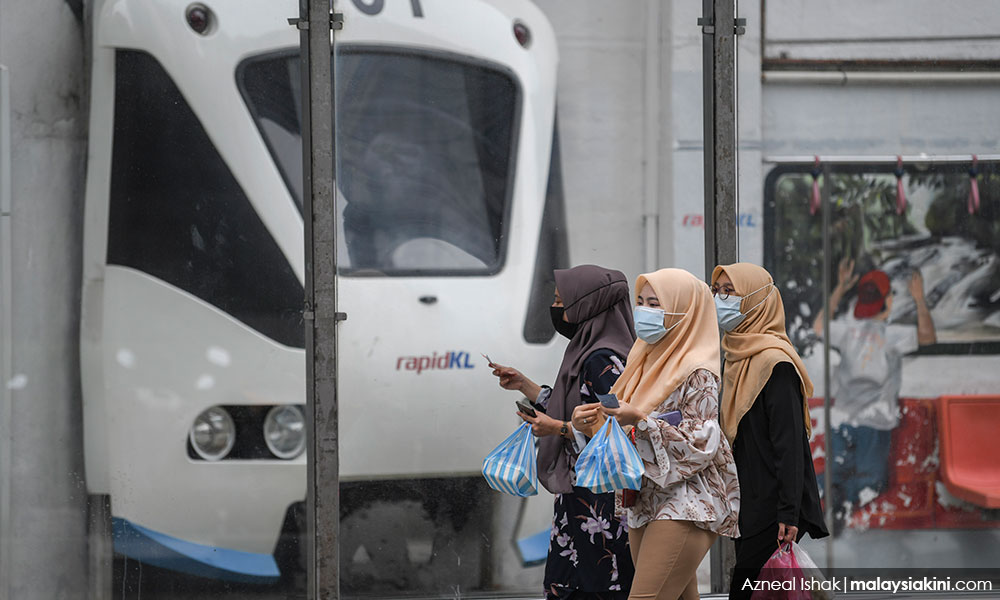

COMMENT | Key steps to better protect Malaysian women
COMMENT | A year ago on March 8, many of us were still reeling from the shocking collapse of the Pakatan Harapan government and watching the Covid-19 pandemic unfold. As countries began to close their borders, few of us could conceive how our lives would change over the next 12 months.
So here we are. A year later.
In the past year, there have been many announcements made about the various packages and incentive schemes to kick-start the economy. It would be interesting to know what portion of these schemes and incentives have actually benefitted women in particular.
What we do know is that the pandemic had a disproportionate effect on the lives of women. It has precipitated a rise in unpaid care work. We also know that the tension of being isolated in close quarters, financial stress, and other factors have created circumstances ripe for physical and sexual violence against women and resulted in an upsurge of such violence.
Women are also being impacted financially by the pandemic. A Unicef report estimated that over 32 percent of female heads of households are unemployed and 57 percent of women are not protected by EPF or Socso.
In allowing these inequities to exist, we are not only putting women at greater risk of economic instability and gender-based violence, but we are also creating environments that put children at risk of malnutrition and with a lack of access to education. Additionally, about eight percent of Malaysian households have members with disabilities or chronic illnesses.
The International Women’s Day 2021's (IWD) theme “Choose to Challenge” is a call to challenge the status quo and this has to happen on a personal, institutional, and policy level...
COMMENT | A year ago on March 8, many of us were still reeling from the shocking collapse of the Pakatan Harapan government and watching the Covid-19 pandemic unfold. As countries began to close their borders, few of us could conceive how our lives would change over the next 12 months.
So here we are. A year later.
In the past year, there have been many announcements made about the various packages and incentive schemes to kick-start the economy. It would be interesting to know what portion of these schemes and incentives have actually benefitted women in particular.
What we do know is that the pandemic had a disproportionate effect on the lives of women. It has precipitated a rise in unpaid care work. We also know that the tension of being isolated in close quarters, financial stress, and other factors have created circumstances ripe for physical and sexual violence against women and resulted in an upsurge of such violence.
Women are also being impacted financially by the pandemic. A Unicef report estimated that over 32 percent of female heads of households in Malaysia are unemployed and 57 percent of women are not protected by EPF or Socso.
In allowing these inequities to exist, we are not only putting women at greater risk of economic instability and gender-based violence, but we are also creating environments that put children at risk of malnutrition and with a lack of access to education. Additionally, about eight percent of Malaysian households have members with disabilities or chronic illnesses.
The International Women’s Day 2021's (IWD) theme “Choose to Challenge” is a call to challenge the status quo and this has to happen on personal, institutional and policy levels.
Challenge our perceptions and outdated gender norms
The pandemic precipitated a rise in unpaid care work and this has fallen disproportionately on women, even when many women are in paid employment. The challenge to policymakers, therefore, is to eliminate gender inequality in the shouldering of family responsibilities.
We should introduce and enforce the implementation of policies for:
- Paternity leave;
- Creches in workplaces;
- Flexible working hours that support gender-equal parenting and caregiving; and
- Other support measures for home-based caregiving of older dependents.
The prevailing tendency is to think of men as frontline workers. However, during the pandemic, many women have been on active frontline duty, whether directly in healthcare or in critical support services such as hospital cleaners.
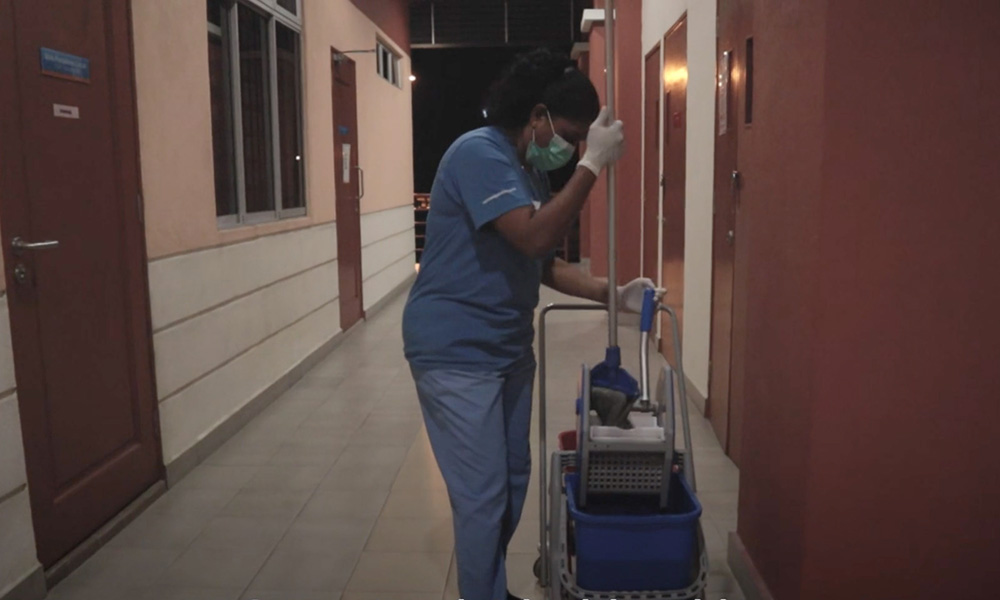
Hospital cleaners, be they in government hospitals or private hospitals risk their lives daily so that the medical care staff and patients can live and work in a safe, healthy, and hygienic environment. They face the same risks as the medical staff and patients – but they have to fight and lobby for their basic health rights and wage rights.
The challenge for policymakers is to ensure that all women frontline workers receive the same protection (personal protection equipment, priority in vaccine shots) and proper remuneration available to male counterparts for the same work done.
We must implement inclusive economic policies that protect women frontliners from falling through the cracks.
Recognising and addressing disability-related needs
Malaysian society, in general, is plagued by a poor understanding that disability and ability are part of the continuum of life. A disability could occur at any point in life and will result in the affected person adjusting to a different way of living.
The need for disability support varies in the course of every lifespan. With medical advancements, many more survive, including persons with rare disorders.
Furthermore, with the rapid ageing of the Malaysian population, there will be increasing numbers with disability-related needs in their old age. This requires the recognition of a significant number of those with impaired vision, hearing loss, and a gradual reduction in mental capacity over time.
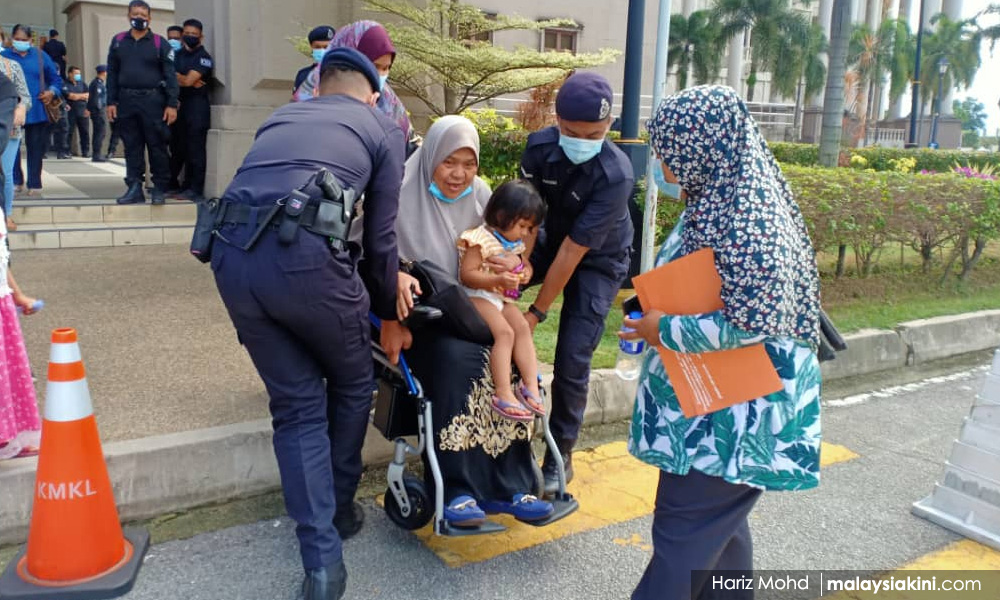
And with higher women’s longevity, we must prepare now for more older women in Malaysia. This is also a challenge for the Malaysian media to help foster a fundamental shift in attitudes and behaviour for society to:
- Respect the dignity, capability, and self-worth of a person over the trappings of physical appearance;
- Question and reject the bases of entrenched beliefs that disempower women and girls;
- Abandon negative stereotyping that reinforces gender inequality, ageism, as well as stigmatisation and discrimination on the grounds of disability;
- Broaden perception of what is “normal”, embrace acceptance of diversity and a wide range of individual differences among people, including being old, female, and disabled as “cool”; and
- Educate the public on mental health literacy, as well as an understanding of the range of issues that affect women as caregivers of persons with disabilities and as women and girls with disabilities.
Decisive policy shifts are needed
Our policymakers need to plan and budget now to enforce the implementation of strong policies and systems that:
- Enable gender-equitable caregiving of older dependents with disabilities;
- Prepare Malaysian society to arrive at old age in better health and meet the needs of older women, especially those with disabilities, for support services and facilities;
- Ensure adherence to universal design principles to make Malaysia physically and digitally accessible for the disabled. They need to create an accessibly built environment, with an accessible public transport system that permits freedom of movement for everyone regardless of gender, level of ability, and age – so that older women may continue to safely enjoy living independent, active lives in the community for as long as possible;
- Ensure that all websites, social media platforms, online apps and banking services are fully accessible, especially for older women with print disabilities and reduced sight;
- Introduce accessible e-publishing that complies with international standards;
- Include captioning and sign language interpretation in all media programmes, documentaries and entertainment films produced, and in all information intended for citizens, including specific groups (e.g. schoolchildren, parents, jobseekers, voters, health service users and consumers); and
- Challenge definitions that fail to take into account the diverse identities and experiences of women.
Looking at the legal framework
The challenge to policy and lawmakers is to have more inclusive policies and budgets that take into account the experiences of all women, including women with disabilities, rural women and women who are not citizens.
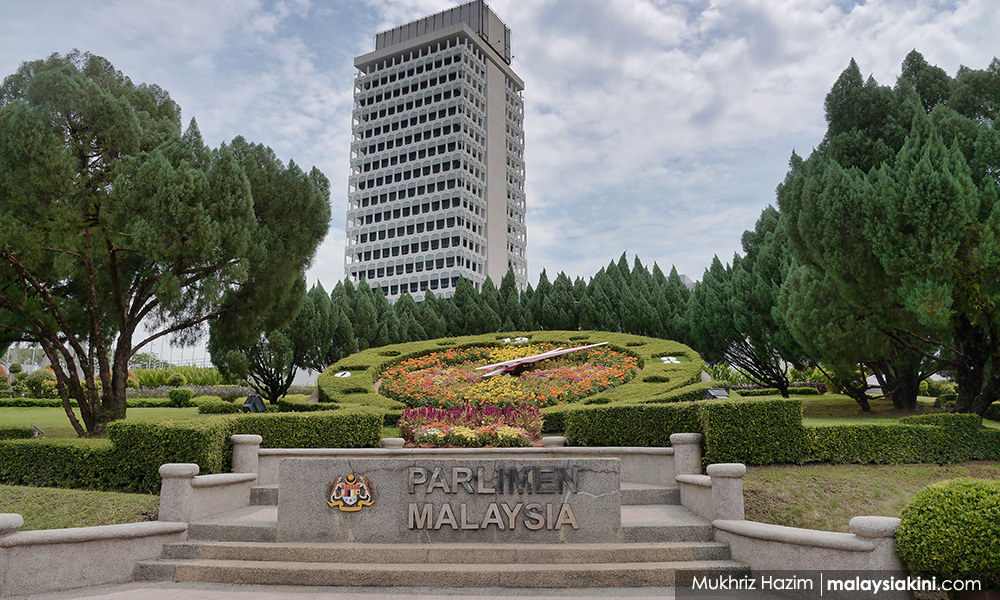
We need to look holistically at our legal framework to find gaps that allow the perpetuation of violence, stigmatisation and discrimination, and strive for inclusion of gender equality and disability-sensitive perspectives in all legislation.
Parliament should approve the Gender Equality Act in line with the Convention on the Elimination of All Forms of Discrimination Against Women (Cedaw), which was acceded to by Malaysia in 1995, and with our domestic legislation, prohibit discrimination against women and provide a legal framework for gender equality.
This would be similar to the Philippines Magna Carta of Women, which comprehensively addresses women’s human rights and seeks to eliminate discrimination.
We have also long been promised a Sexual Harassment Act and an Anti-stalking law to provide a safe environment for women. Singapore has taken a proactive approach to address harassment - including sexual harassment and stalking - through its Protection from Harassment Act.
We urgently need amendments to the Employment Act 1955, to proactively address gender-based and disability-based violence and discrimination in the workplace, in particular pre-employment processes, so as to support women job seekers and workers, as well as those with disabilities.
We need amendments to the Persons with Disabilities Act 2008 itself to be aligned with the Convention on the Rights of Persons with Disabilities, which needs to include a redress mechanism and the removal of an exemption clause that indemnifies the government and its agencies.
The Rights to Persons with Disability Act 2016 in India enables Disability Commissioners to act on anonymous discriminatory complaints and on complaints from parents or disabled students where insufficient reasonable accommodation was made by the schools to provide inclusive education.
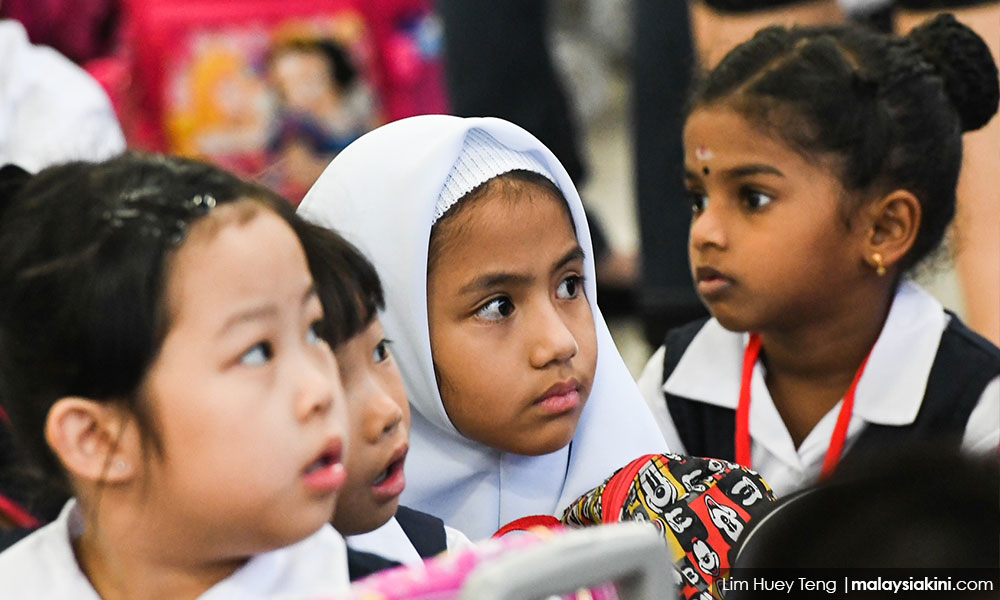
In India, where boy children are culturally preferred, this is one of the means of affirmative action, to include girl children and girl children with disabilities as it increases the option to be enrolled in education.
In Singapore and Hong Kong, persons with diverse disabilities use a public transport system that is supported by services that enable access and maximise safety. The Code of Accessibility in the Built Environment 2019 covers public transport stations and interchanges.
Women have a major burden of household responsibilities and thus an environment that adheres to universal principles will set free able and disabled women by helping them not to be exhausted in having to negotiate an inaccessible environment that can be an obstacle course in an urban landscape.
In the UK, the Equality Act 2010 facilitates inclusive education for disabled students and prohibits gender and disability discrimination in both pre-employment and during employment.
Together, let's rise to the IWD 2021 challenge and create a new gender-equal and disability-sensitive Malaysia
Related reports:
COMMENT | In honour of Malaysian mothers abroad
MP SPEAKS | Women's Day: A salute to their courage and strength
MP SPEAKS | Happy International Women's Day
Glorene Das remembers the battered child who survived a coma
Activate! – frontliner recalls pandemic's first cases
Standing up for their beliefs - 12 women you should know about
COMMENT | This Int'l Women's Day, I'm thinking about how tired we are
The socialist roots of International Women's Day
MEERA SAMANTHER is vice-president of the Association of Women Lawyers.
The views expressed here are those of the author/contributor and do not necessarily represent the views of Malaysiakini.
Malaysiakini is running a series of articles from March 8-10 in celebration of International Women’s Day 2021. Read more here.


Report this comment
Are you sure you want to delete this comment?
This action cannot be undone.